Home Blog Page 72

Mad Poets Society April 2019

Tags: Poetry. Poems. Poets. Rhymes

THE CIRCLE OF LIGHT

Clouds are low grey and blue

The ocean gathers its colour and hue

Storm approaching on the rise

Beach sand blowing on the high tide

Down pour of rain mist hangs low

Sun comes out and the circle grows

On the horizon a freight ship glides

Centre stage as it floats by Auras of colour only nature provides

The band a rainbow so big and wide

It starts at the horizon and touches the sky

Finishing in the sea near Bribie Isle

Moreton Bay is the showcase of life

While the Island sits in the cloud like sky

Seas are rough white caps peak

Sea gulls glide on the thermal streak

Sun capturing the white of their breasts

Silver wings looking for their nests

Two Mothers play with their children on the beach

Wind playing with their hair and feet

Weather is dictating for them to go

But they stay and hang on to view the show

Light so bright colour so rich

God’s enchantment auras so crisp

Another rainbow inside the first

Beginning and starting on water and earth

I scan the landscape and cannot believe

The presence the light the intensity perceived

Moreton Bay just dressed to please

Oh how I wish I could capture this

The colour the light and the evening mist

By Sharmayne Kurtz 2/05/2012

“MILLIONAIRE.”

I’d love to be on Eddie’s show,

But I don’t know how to do it, Every arvo.

Sees me there, yelling out “I know it !”

The answers seem so obvious,

I get so downright mad, that they don’t know, and yet I do, it’s really all quite sad.

I hear when Eddy tells them, “come back and try again,

I yell out through the television,

“when’s my chance to win”.

It’s not really all the money,

though I admit that would be nice,

And I guess I’d like the challenge,

of taking off the prize. But wouldn’t I just feel a “Dill”,

If I made it to the show,

froze up and couldn’t answer,

how my shame would grow.

Then of course so I’ve heard,

You gain 5 pounds in weight,

Those sneaky cameras, gosh that’s bad,

I think that I’ll just wait.

So here I am each evening,

Yelling answers left and right, at least I’m in my lounge-room

And I can look a fright.

by Lurline Thomson

“THE DAY THE LONG CLOUD CRIED”

It was a day like any other.

In that peaceful New Zealand.

And people went about their work and mother’s held kid’s hands

Suddenly the call came out, for “Muslims come to prayer”

They filed into two different mosques and bowed and listened there.

Abdul couldn’t go that day,

He had to do a job,

He had ten men that worked for him, so couldn’t let them down.

His father, loyal New Zealander, and a help to all mankind said son

“Do you mind, I’ll take the boy the prayers it will calm his mind.

But eyes were watching, just nearby,

He couldn’t wait to start,

A slaughter that went on and on, for his:

“New Right” brothers, he really did his part.

The old man died, and the boy, other children too, women, men and families, were caught up in it too.

A beautiful man got many out,

He really was a hero,

So many more would have died that day, except for people like him.

When he finished saving people, he went to find his wife,

The policeman shook his head, so sad,

“Sir, I’m afraid she’s lost her life.”

The Prime Minister with her courage and love for all,

Inspired the good in us, she comforted all in a humble way, with very little fuss.

As for the Australian,

from Grafton town,

he came,

but he is one of many,

who with evil,

seek out fame.

They all can reach the “Hate Groups,” and know where to get the guns.,

They just use the internet and talk all night as one.

“cause hate is just a sickness”, and radicals will use,

Any means they can, to destroy what we hold dear.

by Lurline Thomson

DEVELOPING EMOTIONAL INTELLIGENCE IN CHILDREN Part 2

Tags: Mental health. Child. Childrens. Emotions.

“The way we talk to our children becomes their inner voice”

– Unknown

Read part 1 – Developing emotional intelligence in children


Following on from Issue #84 of The Bribie Islander this second part of the article on developing emotional intelligence in children deals with teaching skills and learning about important facts to help your child.

Teach problem-solving

Emotions are messages, not mud for wallowing. Teach your child to breathe through them, feel them, tolerate them without needing to act on them, and, once they aren’t in the grip of strong emotion, to problem-solve and act if necessary. Most of the time, once children (and adults) feel their emotions are understood and accepted, the feelings lose their charge and begin to dissipate.

This leaves an opening for problem-solving. Sometimes, children can do this themselves. Sometimes, they need your help to brainstorm. But resist the urge to rush in and handle the problem for them unless they ask you to; that gives him the message that you don’t have confidence in his ability to handle it himself.

Teach Healthy Coping Skills

Once kids understand their emotions, they need to learn how to deal with those emotions in a healthy way. Knowing how to calm themselves down, cheer themselves up, or face their fears can be complicated for little ones.


Mental health. Child. Childrens. Emotions.-1

Teach specific skills

For example, your child may benefit from learning how to take a few deep breaths when they are angry to calm their body down. Below are some strategies that may be helpful.

• teach them to take “bubble breaths” where they breathe in through her nose and blows out through her mouth as if they are blowing through a bubble wand.

• breath in the colours of the rainbow, in through the nose comes the happy and beautiful colours of the rainbow – purple – pink -blue – yellow.

• teach your child how to practice mindfulness, meditation.

• colouring book,

• a favourite joke book,

• soothing music, and lotions that smell good are a few items that can help engage her senses and calm her emotions. Physical activities like running, skipping, trampoline play – basically anything that requires energy because;

E-motions = energy in motion

You and the child could put some of the items in a special box that they decorate. For older children – a resource folder that has strategies for self-soothing that they can access when required.

Important Facts

Feeling understood triggers soothing biochemicals; that neural pathway that is strengthened each time we feel soothed. This is what a child will use to soothe themselves as they get older.

Mental health. Child. Childrens. Emotions.-2

Children develop empathy by experiencing it from others.

You’re helping your child reflect on their experience and what triggers their feelings. Remember for little ones, just knowing there’s a name for their feeling is an early tool in learning to manage the emotions that flood them.

Your understanding helps your child;

• accept their own emotions, which is what allows us to resolve our feelings and move on.

• teaches your child that her emotional life is not dangerous, is not shameful, and in fact, is universal and manageable.

• that they are not alone.

• that even the less pleasant parts of them self is acceptable, which means that the child is totally ok, just the way they are.

The nature of healthy human emotions is to move through us, swamp us, and then pass away. When we try to repress them, emotions get stuck inside us and cause us trouble. The emotions need the opportunity for healthy expression. Children are terrified of their strong emotions overwhelming them, so they try to fend them off until they feel safe enough to experience them.

Because emotions are stored in the body, tantrums are nature’s way to help young children vent. Our role as parents is to help our children feel safe enough to feel and express their emotions. Parenting is about helping children to heal their psyches and bodies; we must help them trust their own emotional process so that they can handle their own emotions as they get older, without tantrums or repression.

Ultimately we must remember…

“Parenting is not giving your child everything they want. Parenting is not being your child’s friend. Parenting is about preparing your child to be a useful and respectful person in society”.

– Unknown.

WHAT REALLY HAPPENS AT A ROTARY MEETING

0

Tags: Rotary. Queensland. Brisbane. Bribie Island.

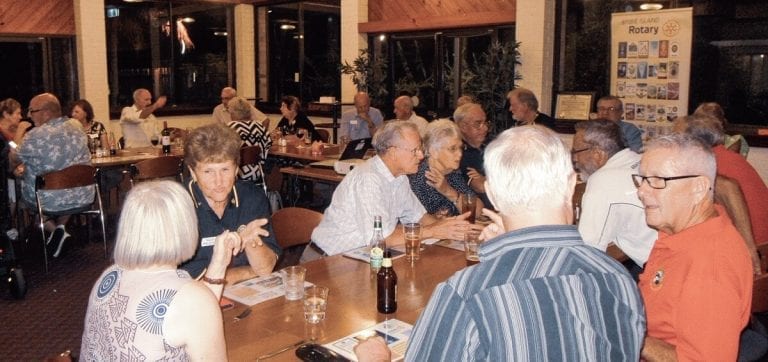
I’m often asked what really happens at a Rotary meeting? Is it boring, how can you spend two hours sitting listening to people talk? Do you have secret handshakes, Grand Pooh-Bahs and do you wear special regalia – eg Mooseheads or antlers? Do you say prayers and recite memorised codes of conduct?

Featured image(above): Rotarians and guests enjoying the fellowship of a meeting

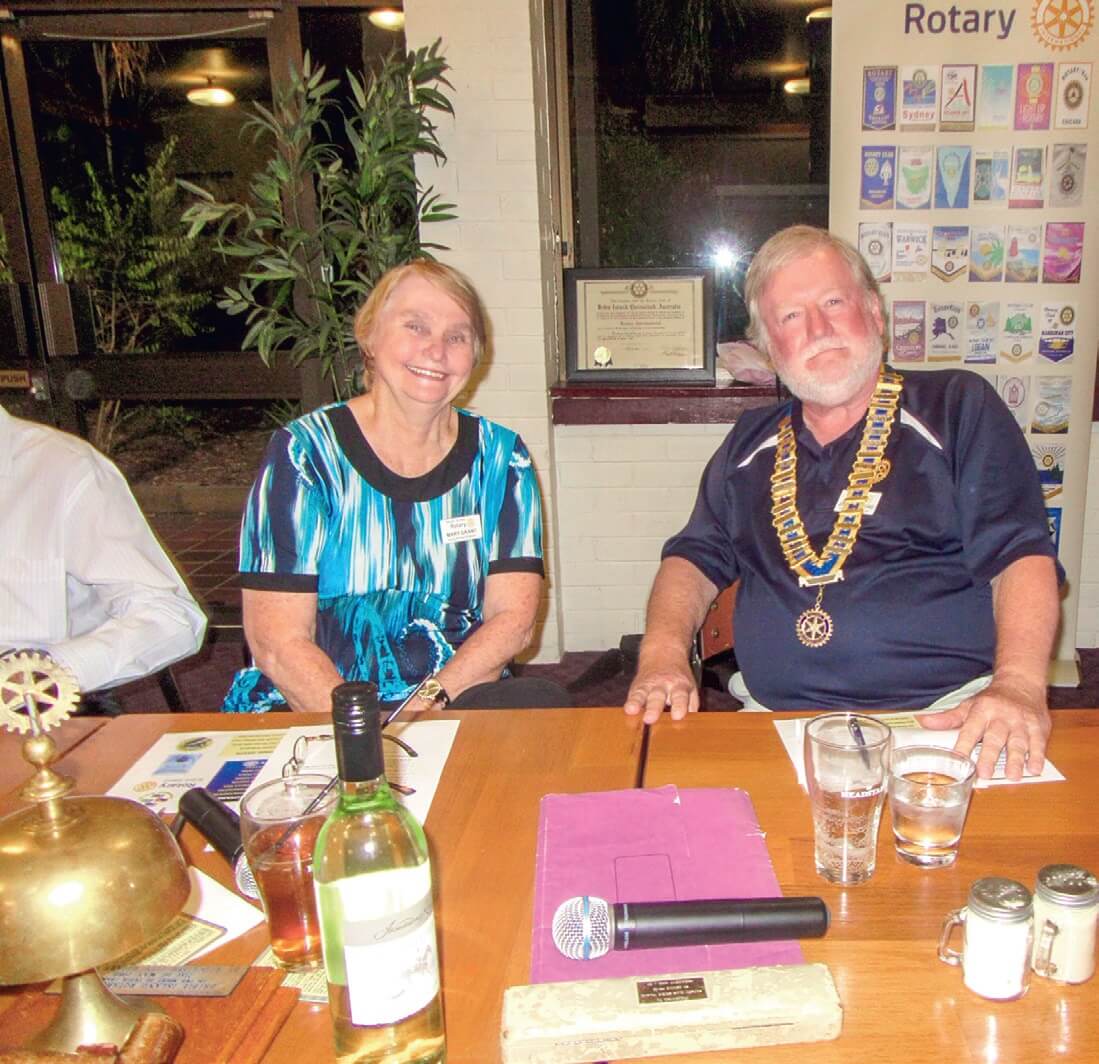
Are there special artifacts in the meeting room? The answer to these questions can be funny, informative and educational – but I must say, our meetings are certainly never boring. Rotary International, the world’s first service organisation, is made up of over 33,000 clubs, in more than 200 countries and geographical areas. Our members form a global network of business, professional and community leaders who volunteer their time and talents to serve their communities and the world.

Rotary’s motto, Service Above Self, exemplifies the humanitarian spirit of the organisations more than 1.2 million members. Strong fellowship and friendship among Rotarians and meaningful community and international service projects characterise Rotary worldwide. Members include wealthy, middle and low-income working and retired professionals and tradespeople. Rotarians also set a standard for ethics in business management and in their daily lives through the use of ‘The Rotary four-way test.’ The test ensures that a planned action is compatible with the Rotary objectives and spirit.

We ask:

  • Is it the truth?
  • Is it fair to all concerned?
  • Will it build goodwill and better friendships?
  • Will it be beneficial to all concerned?

Formats of meetings vary from Club to Club. The Rotary Club of Bribie Island follows a more traditional agenda. Following a formal introduction of visiting Rotarians and guests our meeting commences with Rotary Grace and a toast to Australia. This is followed by an International Toast which is given by a rostered member and gives information about an overseas Club and their projects and activities. The President and any member who has something to pass on give a Report to the meeting.

A meal is served and then the guest speaker gives a talk – not necessarily on Rotary. The meeting ends with a game of Heads and Tails (similar to Two Up) and we sing the National Anthem to close the night. During the meeting, there is no ‘informal discussion’ amongst members. The meeting is ‘controlled’ by the Chairperson, just as a President of any other group or organisation would do – not allowing chit chat to disrupt the set agenda. However, because friendship and fellowship are so very much a part of Rotary, before and after the meeting members and guests mingle freely and during the meal (and perhaps over a glass of wine) they talk about anything and everything.

Catching up on local events, finding out how things are going with other members and much more, it’s a process whereby Rotarians come to know each other better and form a special connection. As with all things in life, a positive attitude really helps. If you arrive at the meeting expecting to be bored and thinking that your time would be spent better somewhere else, then yes, it may not suit your needs.

However, a person arriving with a positive attitude, looking forward to an evening of friendship and fellowship with like-minded people, who – although from very different backgrounds and professions – all want to be there, will likely find the time spent to be productive, informative and of value. To ensure we have successful meetings and functions, preparation is essential. Our Secretary is responsible for ensuring that all parts of the meeting are planned and prepared.

She sets the agenda and makes sure that those rostered for various duties are aware of their responsibilities. Our President and Directors not only give reports on our activities but they ensure that proper attention is given to welcoming members and guests and that friendship and hospitality are extended to all. So while there is “ritual/ planning” (of a sort) to a Rotary meeting, the most important ingredient is the friendship and fellowship of like-minded people who want to make the World a better place.

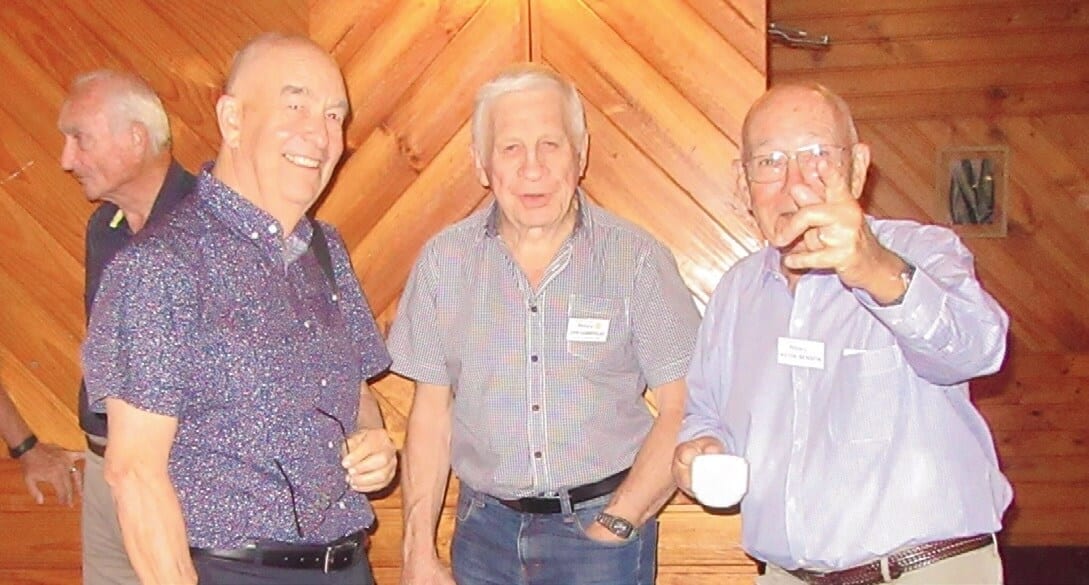
I must admit, however, we don’t wear Mooseheads or the like – or have a special handshake – but sometimes we dress up for a special night. People with a sense of fun, a sense of adventure, those wishing to help in the world, those who care – and maybe those with time on their hands who feel they’d like to do more – are ideal for Rotary. Young and old, outspoken and shy, gregarious or lonely, are most welcome. Religion, race, sex, and/or politics are not criteria to be a member.

Whether it’s planning a function, helping out at Rotary Park at Woorim (planting and cleaning up), cooking at the Rotary Markets which are on this Sunday 14 April, raising money for the less fortunate here and overseas, you’ll certainly find your niche. If you would like to join us we meet at the Bribie Island Hotel on Thursday at 6.30pm. Please ring our Secretary Mary Grant on 0421 529 824 for more information.

AUSTRALASIAN FIGBIRD (SPHECOTHERES VIEILLOTI)

Tags: Australian native wildlife. Queensland. Figbird. Birds.

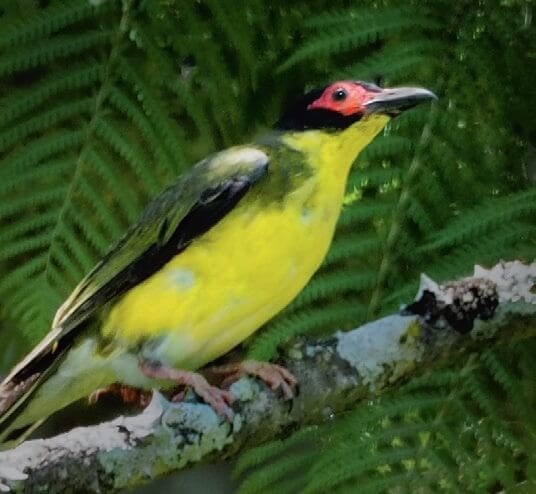
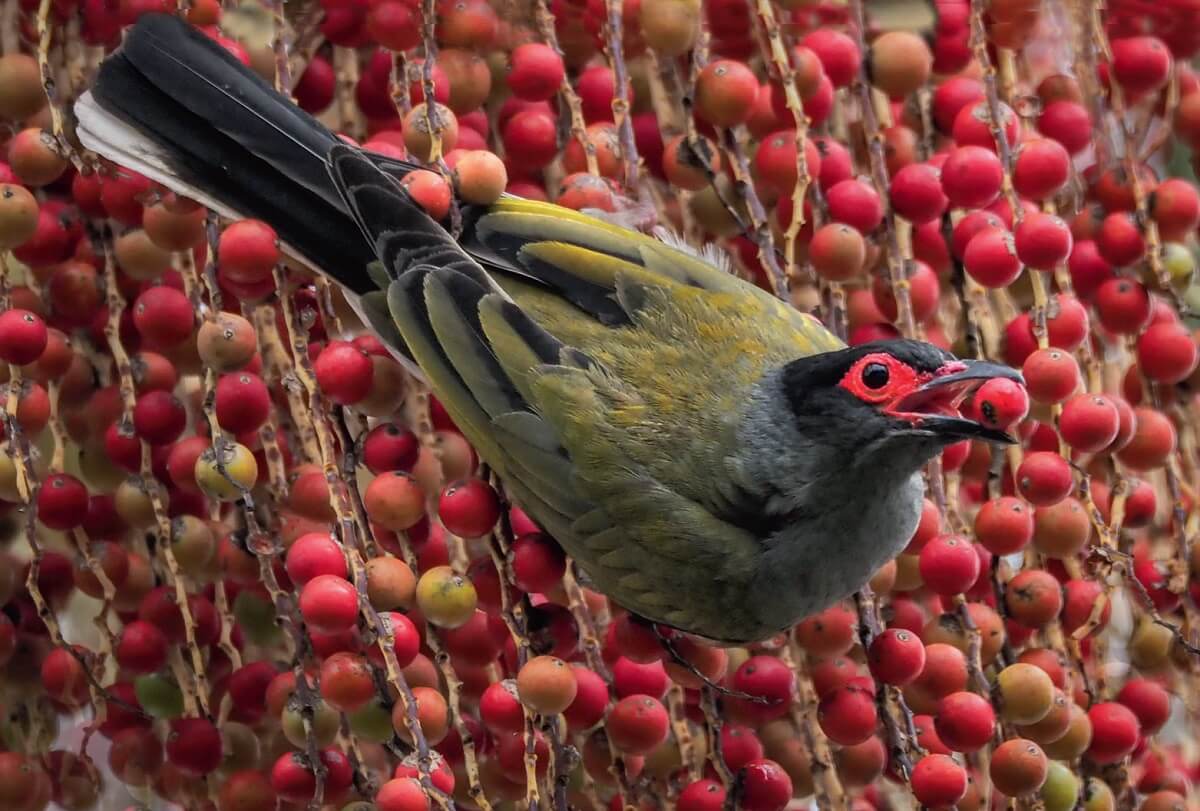
The green form of the Australasian Figbird which belongs to the Oriole family is a very common inhabitant on Bribie Island. They are mostly seen gorging on berries on the many fig trees growing here but are also found in parks and gardens. There are two forms of Australasian Figbirds in Australia.

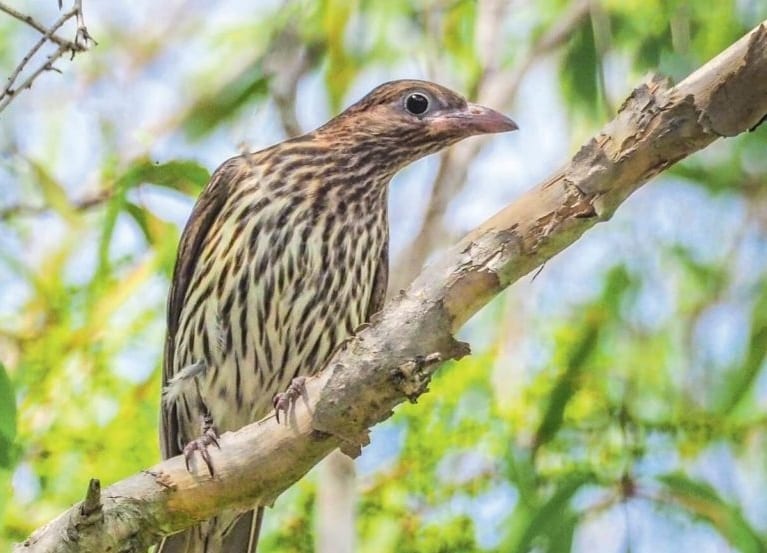
Featured image(above): Female Figbird

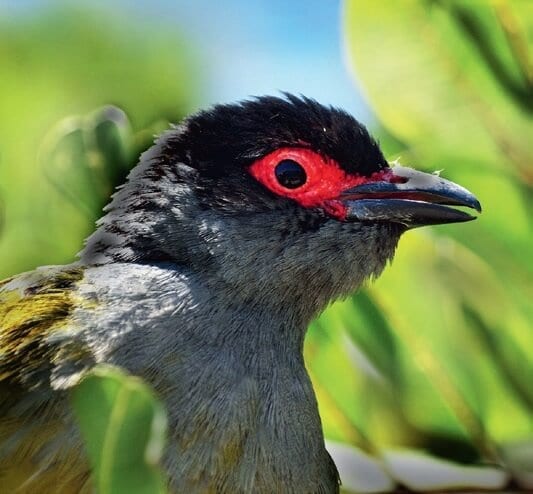
The Green Figbird is what we have south of Proserpine and the Yellow Figbird is found in the north. Green Figbird males have a distinctive red patch of skin around their eyes, black heads, white breasts, and olive green backs. Yellow Figbird males also have the red patches but are a striking yellow on their breasts and abdomens. Females of both forms are identical with brown colouring above and streaked on the underparts. Figbirds are medium-sized passerines 27-29 cm in length and weigh 100-150g.

Figbirds are found in eastern and northern Australia and in PNG on the edges of rainforests, in Mangrove and Melaleuca swamps, in woodlands and on trees in suburbia. They are sometimes nomadic chasing fruiting trees where they mostly feed high in the canopies. Insects and seeds are also on the menu. There are a number of native fruit trees that can only be germinated by fruit-eating birds eating their seeds. Some of the seeds pass undigested through their bodies and germinate to create new growth.

The breeding season is usually between October and February. Cup-shaped nests are built of small sticks and vines in horizontal forks usually about 20 m from the ground. They often build their nests fairly close together in groups. Some Figbirds have been known to build their nests close to Frogmouths’ nests, presumably as a form of protection as predators could be discouraged by the presence of such large birds of prey.

Two or three brown mottled eggs are laid and incubated by both parents for about 18 days. Both parents tend to their young and are sometimes helped by single males in the group. Fruit and insects are regurgitated by the adult birds to feed the chicks. Nestlings remain in the nest for 17 days before learning to fly.

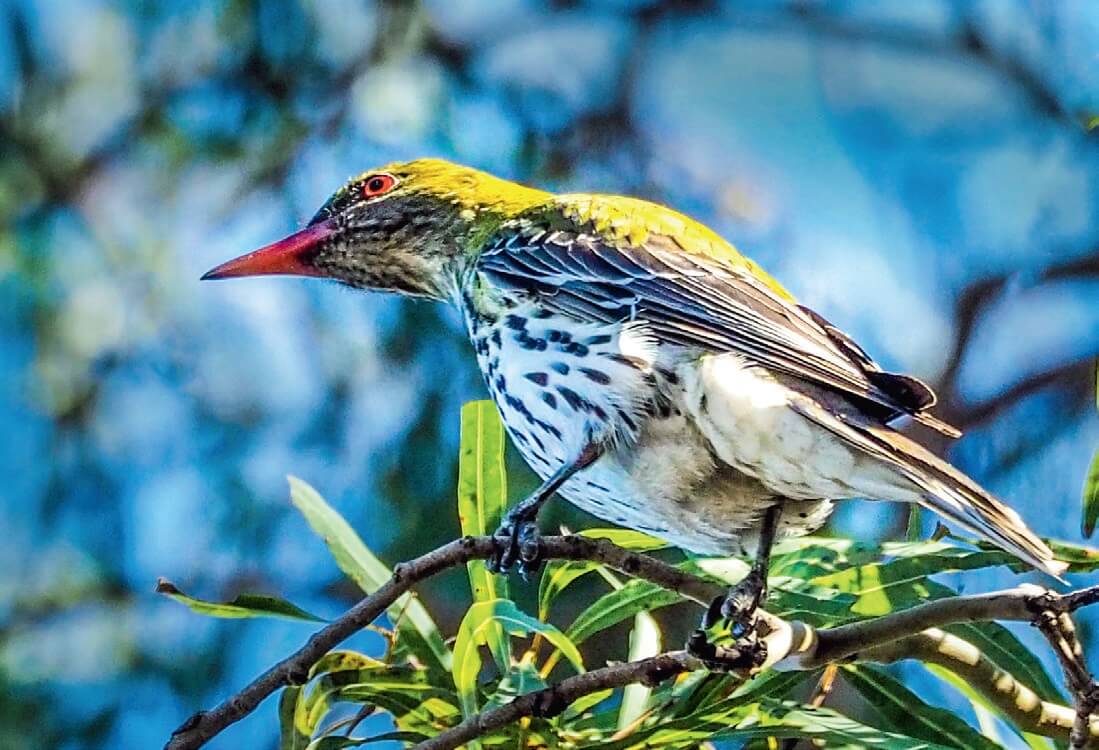
Females are sometimes confused with Olive-backed Orioles. Female Figbirds have black eyes and beaks while Orioles have red eyes, red beaks, and olive backs. Common names are Green Figbird, Yellow Figbird, Northern Figbird, Southern Figbird, and Mulberry bird. Figbirds have adapted well to human habitation thus their conservation status is of least concern.

Funny Pet Pics April 2019

Tags: Funny humorous pet animal images pics.

SHARE YOUR FUNNY PET PICS WITH THE MINI BRIBIE ISLANDER…
SEND TO: [email protected]

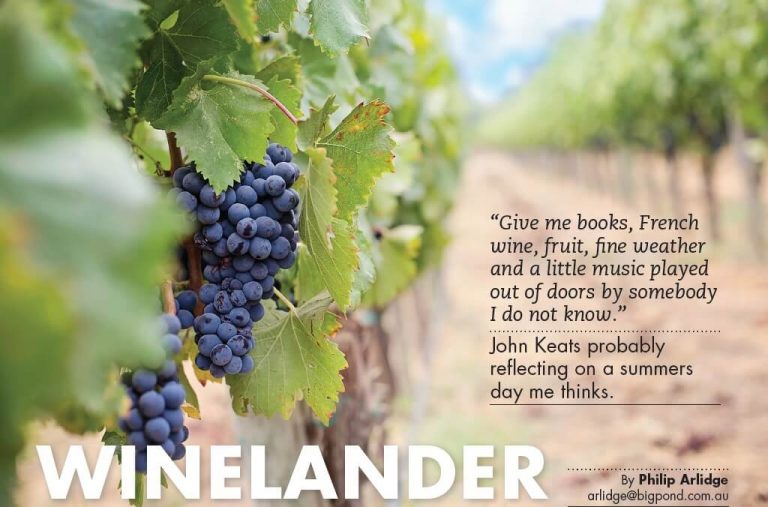
THE BRIBIE WINELANDER

Tags: Wine. White. Red. Wineries. Australian. Queensland. Brisbane.

As you may have gathered by now I enjoy a wine lifestyle, I have spent the last forty years or so making a living either standing in bottle shops, drive-throughs or sitting in buyers offices trying to sell the stuff or simply talking to anyone who shows any interest in the subject, and I must admit in retirement it is something I miss although reading up on various items for this column still keeps me involved to a degree.

Today’s subject isn’t so much about wine itself but what you can do with wine that is “virtually undrinkable” and the leftovers after the grapes have been crushed otherwise known as the ‘grape must’ or ‘pomace’ and in this article there will be some facts and a myth, which for all I know could actually turn out to be fact, but if it isn’t it makes for an interesting story. Firstly what do you do with all the pulp, seeds and skins once the juice has been extracted and is on its merry way to the tanks for fermentation and made into your favourite wine?

In most countries, it is either dumped directly into the fields as a fertiliser or fed to the animals but in Italy back in the days when the peasants were very poor and after the grapes had been harvested for their landlords they added a further step to the process and took some of the ‘must’ home. Once the damp pulp was home it would be fermented and the leftover liquid extracted and distilled to create a high proof alcoholic beverage that made the winters, long days in fields, and poverty more bearable. Then they dumped the leftovers in the field or troughs, I thought you would you like to meet Grappa.

Now the myth, and it is a good one, involved a Roman soldier in Bassano del Grappa, just outside of Venice, who loved the smell of ‘grape must’ leftover from the winemaking and worked out how to do something with it. It helped that on his way back from the battles in Egypt he had acquired a ‘still’ and decided to put to good use and Grappa was born, there you go the origin of Grappa dates back to Roman times. However, it is more likely Grappa probably emerged from Europe’s middle ages when a lot of grains and fruits were distilled into various spirits.


Italian wines. Red. White. Wine. 


Today in an effort to stamp out the making of ‘moonshine’ Italian law requires winemakers to sell their ‘must’ to Grappa makers and this seems to work, and nowadays, as with other spirit making, the levels of quality vary from cheap to quite expensive with the product sold in some amazing bottles.

How do you turn grapes that are very dry, acidic, thin and almost undrinkable into some of the most expensive alcoholic beverages in the world? The grapes in question are Ugni Blanc, Folle Blanche, and Colombard (although here in Australia Colombard can actually make a pleasant dry white but not in some parts of Europe) and to change their character you make them into a wine at around 12% alcohol then using either a pot ‘still’ several times, or a continuous ‘still’ pushing the alcohol up to around 60% and then a dilution using distilled water change the liquid into a spirit known as Brandy with an alcohol content of 40%.

Brandy is made all over the world wherever the grapes are grown simply by boiling white wine in a copper pot ‘still’ or a continuous ‘still’ but two areas above all are recognised for the quality of what they produce and they are Cognac and Armagnac in France. While Armagnac can be aged in wooden casks for a minimum of one year to reach the V.S.

standard (Very Special) Cognac needs to be aged for at least two years as it is in Australia. Cognac is produced using a copper pot and is twice distilled before reducing the alcohol level to 40% by using distilled water then stored in Limousin oak barrels until needed for bottling and blending then depending on the blend of aged material will be priced accordingly. For example, a bottle of Remy Martin Louis 13th Cognac will cost around $3000 but there have been cases where very rare blends have cost in excess of $30,000 for a bottle.

On the bottles, the letters V.S depict a three-star brandy which designates a blend in which the youngest brandy has been stored in casks for at least two years. V.S.O.P (Very Superior Old Pale) is a blend stored for at least four years and X.O. (Extra Old) or Napoleon in which the minimum age is ten years, also after distillation and during the aging process is also called ‘eau de vie’ or translated as ‘water of life’ Lower cost spirits are made using the continuous stills which need far less skill to produce the end product, due to the decline in the sale of brandy here in Australia very few copper stills remain in use.


Wines. Sparkling. White. Red. Shiraz. Queensland. Australian


Now for the good news here in Australia one company still produces brandy to match the best in the world and that is St. Agnes of South Australia which is owned by The Angove Family Winemakers. Dr William Angove established a distillery in Renmark in 1910 where he planned to make spirit for fortifying wine as port and sherry were very popular around this time. William’s son Carl travelled to Cognac to learn from the best and upon his return St. Agnes Brandy was born in 1925. Every year since 1925 the St. Agnes Distillery and Barrel halls have been carefully handcrafting brandy that is equal to any produced anywhere and in that period there have been just five master distillers!

Apart from the superb St. Agnes V.S. Brandy which is aged for a minimum of three years, there is a family of brandies including The V.S.O.P. aged for five years, a St. Agnes X.O. aged for 15 years, a St. Agnes X.O. Imperial aged for twenty years and the St. Agnes X.O. Grand Reserve aged for forty years all double pot distilled, all of the XO. The range is superbly packaged and if there is a decision on which brandy to buy there is really only one and it’s Australian!

Let’s go from the sublime to the ridiculous, there is a wine on the market that Angove’s have represented under licence here in Australia for fifty years, it has sold several million cases over this period, has been around since 1740 making it one of the oldest surviving alcoholic beverages, is sold in every liquor store and carried by most restaurants, it is mostly sold in Queensland and very rarely gets a write up, who am I? I am Stone’s Original Ginger Wine of course made from an original recipe from London.

The ginger is first and foremost a warming agent that leaps out of the bottle along with aromas of cinnamon, anise and nutmeg and if you are into Asian cooking Stone’s is a great addition as the alcohol burns off quickly. Stone’s Ginger Wine also comes blended with Scotch Whisky as Stones Mac, the Stone’s Special Reserve and a couple of alcoholic ginger beers. Out there in wine world, I had Penola Coonawarra Cabernet Sauvignon from Liquorland this week, it was on special at two for twenty dollars or half price, the value was outstanding. I think it comes on special regularly so if the special has finished just keep your eyes open.

It is hard to recommend specials because the magazine doesn’t always match the specials going around but Dan Murphy’s are pushing Stonyfell Shiraz Cabernet which to members is two bottles for $18 or half price, as a non-member if you purchase any six bottles of anything you get the same deal, which I hate as it makes you buy more than you wanted. Liquorland also had the Rosemount Diamond range out at $8 which is half price and from Hardys a William Hardy Langhorne Creek Shiraz which was very enjoyable and on special.

Cheers, Philip Arlidge [email protected]

“Beer is made by men, wine by God” Meghan Whalen Turner ‘The King of Attolia’ “I’m not sure I can trust you” “You can trust me with your life my King” “But not with my wine, obviously. Give it back!”

Martin Luther

Artist of the month – CAROL OYSTON’S ELEMENTS OF BLUE

0

Artist of the Month for May at the Bribie Island Community Arts Centre, Carol Oyston uses the many destinations to which she travels, and places she has lived as subjects for her paintings. Her exhibition, therefore, features, among others, pictures of water boats at South Mission Beach, a sunset at the town of 1770, wheat fields, bushfires in Tasmania and the Great Barrier Reef at Cairns.

In these Artist of the Month works are found a preponderance of blue: in seascapes, boats, beach, and sky, attesting to her love of painting them. Hence why Carol has called her exhibition Elements of Blue.

Before moving to Ningi 18 months ago, Carol lived in Crows Nest where she was involved in textile art. Her love of fabrics and stitching produced dyed silks, clothing, and other beautiful lace, fibre-based and painted works. With the women in her textile mixed media art group, she held an exhibition called Elements of Red in Toowoomba. There were also Out of the Box in Crows Nest with friend Gail Grunske, who will be doing a workshop at BICAC in May, and Women on the Edge exhibitions.

While caring for a husband dying of cancer some years ago, Carol found her art and position as Vice President of the Crows Nest Arts Council gave her the alternate focus she needed to cope with the extreme stress in her life at the time. Today she continues creating for the satisfaction it brings her finding it improves her life in an abundance of ways. Her message, as she will share in greater detail at her Artist of the Month Talk on Tuesday 14 May, is ‘Everyone is an artist.

It’s not important,’ she emphasises, ‘where you come from; you don’t have to be a university graduate to practise art.’ While interviewing Carol for this article, she told me about some of the countries to which she and partner, Yves, have recently traveled, along with their intended destinations in the near future: Ireland, Portugal, Spain, Morocco, America, and Antarctica.

I was left wondering if we will be seeing an element of multi-colour in her art and exhibitions to come. Carol Oyston’s Artist of the Month Exhibition will be held throughout May at the Arts Centre on Sunderland Drive, Banksia Beach. The Centre opens at Tues-Sun 10 am – 4 pm. Ring 3408 9288 for more info, and to let us know if you are attending Carol’s Artist Talk.

BUSY FINGERS – Second hand and used goods charity – April 2019

Tags: Bribie Island. Sandstone Point. Caboolture. Woorim. Bellara. Bongaree. Banksia Beach. Second hand store.

We hope you all had a very enjoyable Easter Break with family and friends and for those that had vacationed with the kids on school holidays, we hope you managed to keep them fully occupied whilst enjoying your own downtime. Leading up to Easter it was a very busy time for us and as such we could not satisfy all requests for Pick up, please be assured that we did as many as we could and hope to be back up to date as soon as possible.

We usually do pick up jobs in the morning and purchase deliveries in the afternoon. We endeavour to meet all our customer time frames but it is not always possible. So please give us as much notice as possible to meet your needs. Call 3408 1014 for assistance. PUBLIC HOLIDAY Please note we will be closed on Monday 6th May 2019 Labour Day Public Holiday.

BARGAINS AVAILABLE

This month we have a number of specials in the shop. This includes half-priced furniture, dinner sets, and pictures. All clothes are $5 per basket and this includes both summer and winter clothing. The books marked with a dot on the 2nd’s table are currently $2 a basket. For the complete list of specials please check the blackboard as you enter the shop, a lot of customers admit they don’t read the board and have missed out on some excellent bargains.

ZERO TOLERANCE POLICY

On a serious note, all shoppers must realise that our staff and many volunteers are there to help you, they are not there to be abused or harassed. Our hardworking volunteers are doing an excellent job and do it to support their community and its residents, and we expect all shoppers to show respect and act appropriately. Our shop has a zero tolerance policy and it will be enforced in all situations, even though we do not like to go down this path. However, we will not allow our staff and volunteers to be upset by rude and impatient customers.

If customers act inappropriately they will be asked to leave immediately, if they continue to cause disruption the police will be called. So we ask all customers to treat our staff as they would like to be treated at all times.

SHOE POLICY REMINDER

Please remember our policy of NO SHOES NO ENTRY. This is a safety and insurance issue and a very serious one. Things can get broken, and even though they are swept up immediately, there is the chance of a piece of glass or china being missed. It is quite painful having glass embedded in your foot and for children, it is quite a stressful event. So please ensure that not only you have shoes on but also your children as you will be refused entry without them.

REQUEST FOR PRESENTATIONS AND DONATIONS

If you are a member of an island club or association and require assistance please let us know. We try to assist all not for profit associations and sporting clubs, we also assist the Police, SES, VMR, and the BI Hospice. Our President Karen is quite happy to come along to your club and present our aims and goals and how your club can apply for assistance. Please call 3410 1920 or email [email protected] if you wish to have a presentation or if you wish to apply for a grant of assistance.

When applying for assistance please include a contact name and phone number and also a current equipment quote, tell us a bit about your association/club and membership and why you need the equipment you are requesting. Please be aware we only deal with island associations and groups, not individuals.

SUPPORT

This community should be very proud of how we all support our island community in many different ways, including through the many donations you give to Busy Fingers which enable us to use the money raised to the community’s benefit. We also wish to thank the many business people who support us, this month I would like to mention our dear friend Ian of The Ink Shop 34086421 who continually looks after all our ink needs and offers much-needed advice when required. We also wish to thank the Team of the Bribie Islander for their continued support throughout the year.

Hope to see you in the shop soon. Sandra

ROLL UP, ROLL UP THE GREATEST SHOWMAN IS IN TOWN

It’s the one-off opportunity to spend a night under the stars with Hollywood superstars Hugh Jackman and Michelle Williams. The Greatest Showman is coming to Bribie Island Saturday, 25 May (rescheduled from 4th May) and Councillor for Division 1 Brooke Savige promises Brennan Park will be transformed into a starlight cinema.

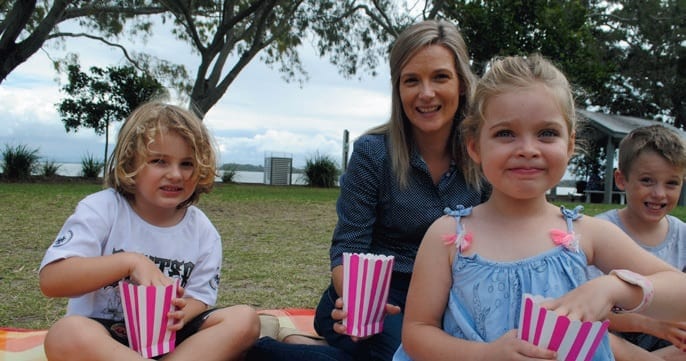
“Simply bring along a blanket, chair or take advantage of the deck chairs and bean bags available and enjoy the film,” she said. “There will be plenty of movies treats available from 5 pm including popcorn, fairy floss, coffee, and doughnuts before the movie starts at 5.45pm. “The award-winning movie was a hit at the box office and can now be seen for free on our iconic waterfront.”

Rated PG, the film celebrates the birth of show business and tells of a visionary who rose from nothing to create a spectacle that became a worldwide sensation. To check out what else is coming up in your community visit the Moreton Bay Regional Council website or follow Council’s events page on Facebook.

Bongaree Movie in the Park is presented by Moreton Bay Regional Council and supported by Division 1 Councillor Brooke Savige. Brennan Park is located at 1 S Esplanade, Bongaree.

LEST WE FORGET – Anzac Day

Tags: RSL Bribie Island. Anzac day.

WEARING THEIR NAMES WITH PRIDE

Rotary and RSL Community Link Project

It was 104 years ago (1915) that the first Anzacs landed at Gallipoli. The name ANZAC means Australian and New Zealand Army Corps. The Gallipoli campaign was not a successful one. Nearly 9,000 Australians lost their lives, with 2,000 dying on the first day of the 8-month campaign. Gallipoli had a deep impact on Australians at home, and 25 April soon became the day on which Australians remembered the sacrifice of those who died in the war.

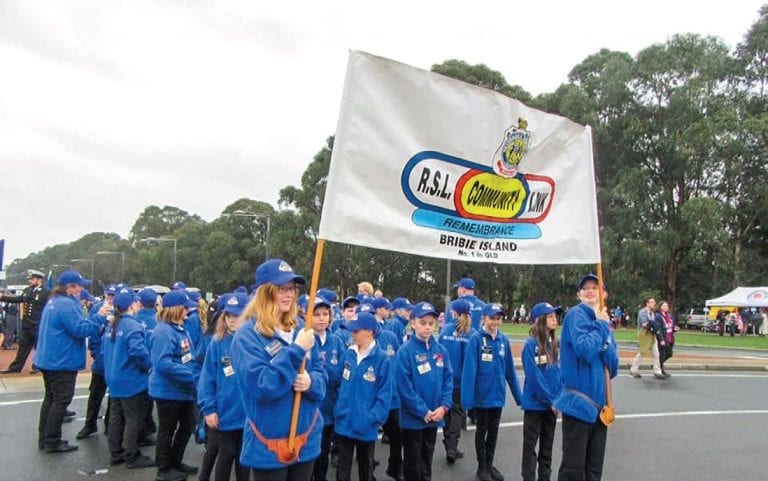
Featured image(above): The Bribie Island contingent at the 2017 National Anzac Day March in Canberra

The first Anzac Day commemorations were held 25 April 1916 and today we remember those who died in all wars since “the War to end all Wars.” On a lighter note – it is also the only day “two-up” can legally be played in public. Thanks to the dedication and commitment of new Bribie Rotarian, Robyn Harper, and George Franklin of Bribie Island RSL, the Rotary Club of Bribie Island is proud to be the first local group to join the Bribie Island RSL’s Community Link Project.

The project is dedicated to keeping alive the names, memories, and deeds of departed Australian or Allied service veterans, no matter when or where they served or when they died. It does this by enabling people of all ages to attend remembrance services as the personal representative of the departed veteran. Bribie Rotary has paid for 37 local WWI and WWII veterans to be researched by Year 6 students at Bribie Island State School and Banksia Beach State School.

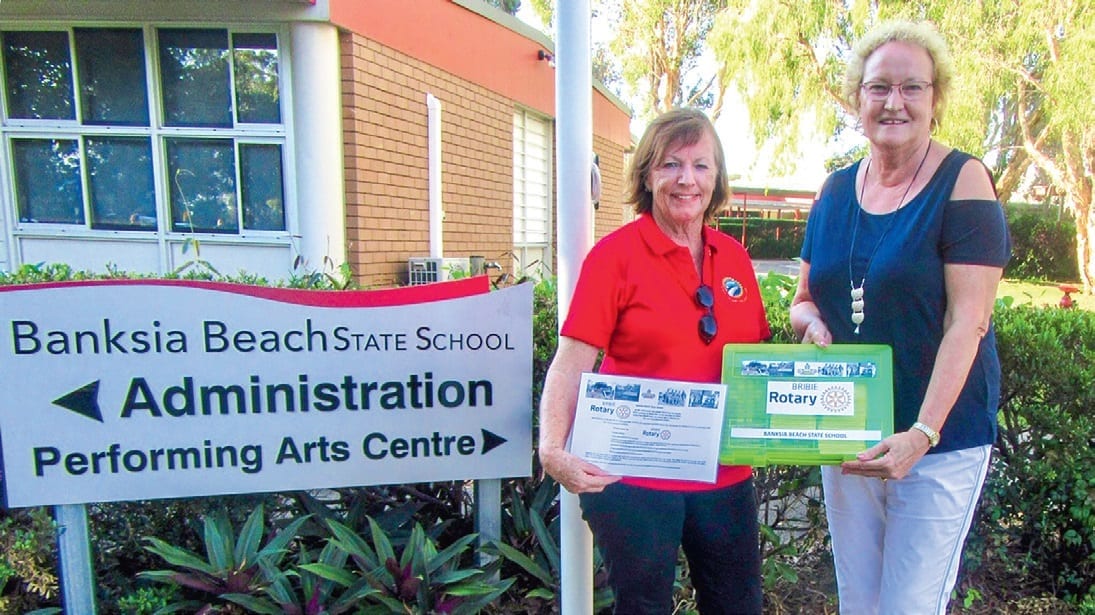
Students are presented with a Representatives Link Card and Memorial Plaque which shows the basic service details of the departed veteran, including a coloured ribbon bar indicating the medals to which the veteran was entitled. These can be worn at Anzac and Remembrance Day Services. On 19 March 2019, Mrs. Allison Lutton from Bribie Island State School was presented with a kit containing the plaques and cards for the 15 Bribie Island WWI and WWII veterans.

RSL Bribie Island. Anzac day.

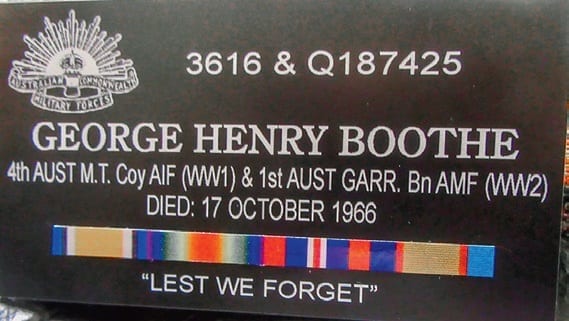
The memorial plaque showing the Service Details for George Henry Boothe

Mrs. Sue Mackay from Banksia Beach State School was then presented with the kit containing the 22 plaques and cards for WWI and WWII veterans from surrounding districts. As well as the plaques and Community Link cards the kit contained a laminated list of the veterans each school would research and a research guide. The Year 6 students wore their plaques and Community Link cards at their school’s Anzac Day services held on 24 April 2019. Robyn Harper represented Rotary at Banksia Beach State School Anzac Service, our President John Oxenford attended the Bribie Island State School Service and our Youth Director, June Sturges attended the High School.

Rotary has been involved with the three schools and their very special Anzac Day services for many years. Every second year, since 1997, the Bribie Island RSL Sub-branch has taken a group of students from the local schools to Canberra to attend the Dawn Service and march in the National Parade. I usually represent my grandfather who died at Gallipoli and my father who won the Military Cross in the Buna Sanananda campaign in WWII, at the Canberra service. I always make a point of going over to see the Bribie contingent who lead the parade. These students wear the RSL Community Link cards and the plaques of their own family members whom they have researched.

My fellow Rotarian and local historian, Barry Clark wrote a marvelous article about “Those Who Answered the Call” for Issue 51 of the Bribie Islander. In this article, Barry told about the WWI and WWII men and women from Bribie Island, Toorbul and Donnybrook who served in our defence forces. These veterans have their names engraved on the Recognition plaques in Bongaree and are featured in the book “They Answered the Call” written by members of the Bribie Island Historical Society.

RSL Bribie Island. Anzac day.

Allison Lutton BISS, George Franklin (RSL Community Link) and Rotarian Robyn Harper

To help me better understand the research the students would need to do, I selected one plaque from the RSL Community Link kits, which were so professionally prepared by George Franklin. Following my research in the Australian War Memorial and the Australian National Archives websites, I found that George Henry Boothe served in both WWI and WWII. His WWI Service number was 3616 and his occupation was stockman. His rank was Private. George enlisted 20 October 1916 and his address at this time was Coonamble, NSW. His date of Embarkation for England was 24 January 1917.

He was a driver with the 4th Pioneer Battalion. He returned to Australia on 5 July 1919. On 27 May 1940, aged 56, George again enlisted and his Service Number was Q187425. His address at enlistment was Toorbul, Queensland. George served in Brisbane and Gaythorne and was discharged on 4 November 1944. His daughter Kathleen Violet Boothe Q267346 also served in the Australian Army Medical Women’s Service in General Hospitals in Brisbane.

RSL Bribie Island. Anzac day.

Robyn Harper with Sue Mackay from BBSS

Kathleen was only 18 years old at the time of her enlistment. So our Bribie students will help perpetuate the “Anzac legend” which is an important part of the identity of both nations. But it wasn’t just the bravery of our soldiers that became legendary, it was also their unique brand of humour which kept them going while in the trenches. The dark humour and “shit-stirring” was a defensive way of coping with horrors of war. An example of this humour from a book compiled in the Gallipoli trenches:

Sentry: Halt. Who goes there?
Voice: Demak Patel, 614, Corporal, Ceylon Rifles
Sentry: Pass friend.
Sentry: Halt. Who goes there?
Voice: Johnson, Otago Mounted Rifles, New Zealand Expeditionary Force.
Sentry: Pass friend.
Sentry: Halt. Who goes there?
Voice: What the F*** has it got to do with you?
Sentry: Pass, Australian.

This is such an incredible project and Bribie Rotary are very proud to be a part of an enduring program. More information about the project is available from Robyn Harper, [email protected] or myself, [email protected]. Or RSL Community Link’s George Franklin, on 0438 216 039.

LOOKING FOR INSPIRATION

Our cover photo…
You may not recognise his face yet you possibly have seen him many times on Bribie Island in a very conspicuous place. Read Timothy Gould’s story and be inspired.
Photo Credit: Deb Neil Photography 0402 048 275


Why is it that people who outwardly appear to be less fortunate than ourselves can often end up being a total source of inspiration and admiration? Catching up with Timothy Gould, who is a Special Olympics gold medalist and the subject of our cover story, is a typical example of what I mean.

On the face of it, you would think that someone born with Down Syndrome or indeed any other so-called disability would fill you with a sense of pity. This could not be further from the truth. When I first caught up with Timothy, I felt nothing but admiration and warmth for having had the pleasure of meeting this fine young man who has made more of his life than I dare say many of the people you and I collectively know.

No doubt you have met people who let’s face it have had more than their fair share of adversity. Many born with it and some due to accident or sickness. Yet somehow they manage to almost if not completely put us to shame when we view the way they look at life compared to ourselves.

That is not to say that those individuals don’t feel pain or get depressed with their situation as we all do on occasions, but somehow they manage to find that inner strength that allows them to push through and deal with what’s in front of them. So if you are having a bad day through circumstances or poor health and need the inspiration and motivation to push through here’s a thought.

Find yourself a quiet place, take a mirror, stare deeply into it and you might just discover that all the inspiration and motivation you need to push on is staring right back at you. It always was.

BEACH REPORT – April 2019

Tags: Bribie Island beach report. Bongaree. White Patch. Banksia Beach. Bellara. Woorim

The recent soaking rains have brought a new lease of life to the flora and fauna in our National Park and have firmed up the inland track considerably. The storm birds (shortbilled Curlew) and Ibis are out in force at Poverty Creek. The Westaway Creek catchment wetlands are now reinvigorated with approximately half a metre of water, the water lilies are now an absolute spectacle. Whatever you do don’t forget to bring your insect repellent as the mosquitoes are out and about.

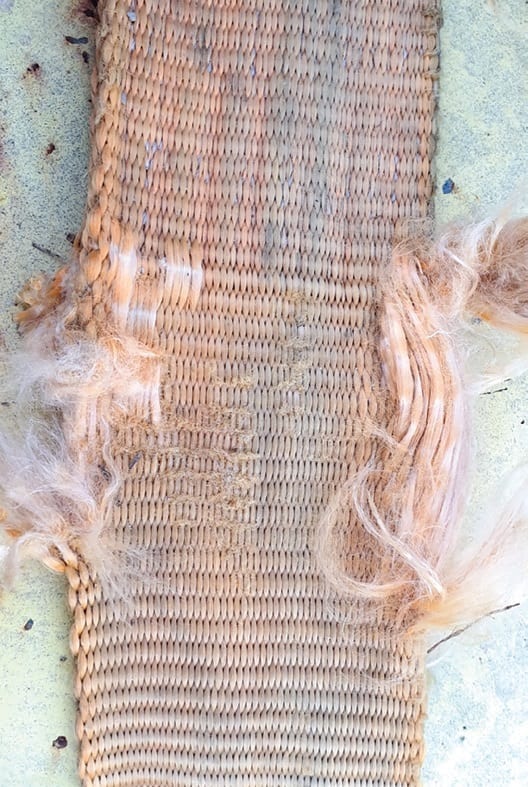
We continue our session on the use of snatch straps, a piece of equipment that most 4WD enthusiasts already have. To start with let’s look at the recovery points on your vehicle. Don’t trust bullbars, towbars or recovery points without checking the mounting bolts these can be rusted making them lethal projectiles. If there is any uncertainty, attach around the chassis rail of the vehicle.

With respect to towbars, if you are sure the bolts are sound, these make a reasonable recovery point however don’t use the tongue or ball, these can fail. We recently did a recovery wrapping around the shank of a solid steel Toyota tow hitch, these are rated at eight tonnes and can be used, alternatively purchase a towbar recovery hitch. Remember, keep everyone well clear whilst effecting a recovery as the kinetic energy in that snatch strap is lethal.

Bribie Island beach report. Bongaree. White Patch. Banksia Beach. Bellara. Woorim

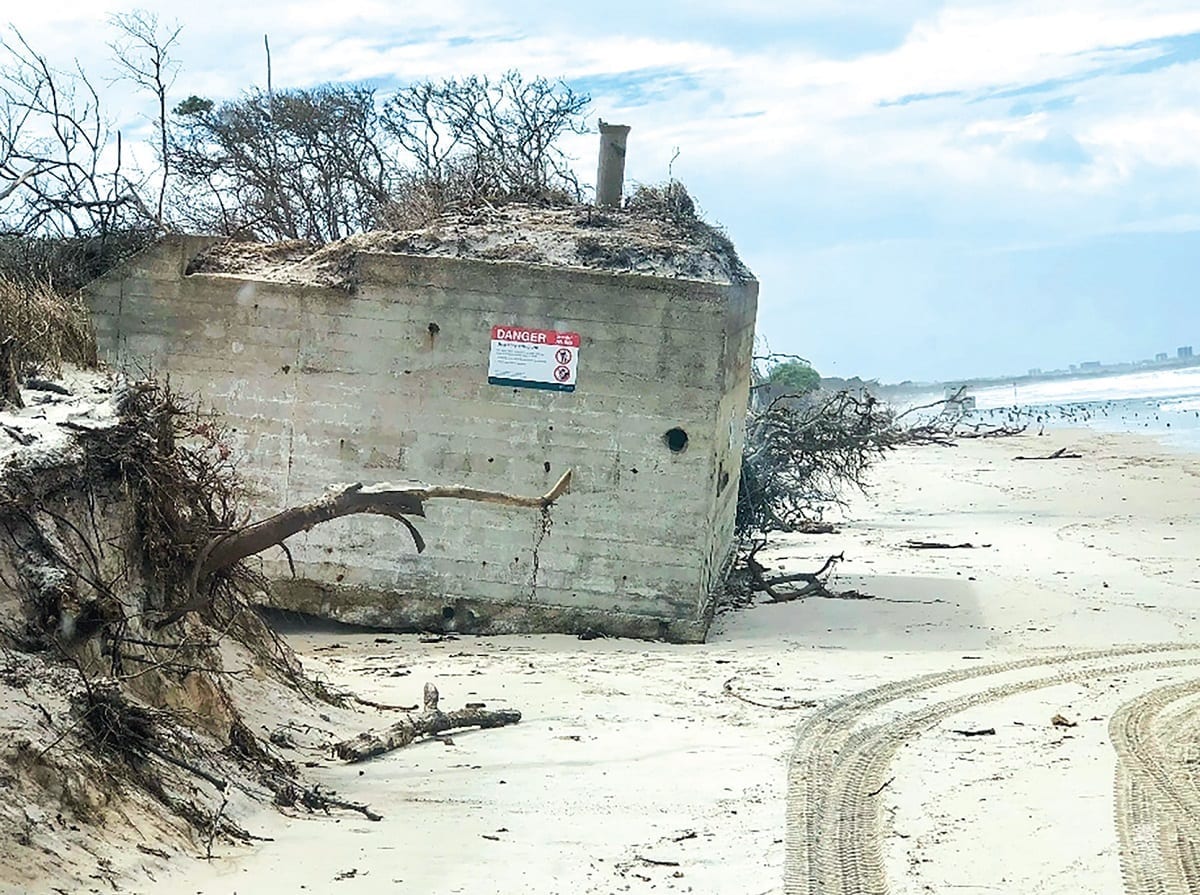
Fort Bribie fallen mine control hut fell two weeks ago

If you need to use more than one strap or as points to attach to the vehicles we recommend Dimenia rope shackles (pictured). These are not expensive but if something goes wrong it’s not a metal object flying through the air. We recommend the use of dampeners and if you don’t have one drop a wet towel or jacket over the snatch strap. Most people have 8 or 9-tonne snatch straps and we recommend 15-tonne snatch straps, discard straps immediately if damaged.

Pick the direction which you are going to effect the recovery. Look for the hard surface to end the recovery. Reverse your recovery vehicle to 1.5 metres away from the bogged vehicle and drive forward towards the hard area or at least 30 metres. Driving back and forward several times over this area to pack the sand down for better traction. Ensure that there are no passengers in either vehicle, ensure everyone is at a safe distance, lay the strap out, attach to your recovery points, if possible passenger side to passenger side, should anything go wrong the strap will recoil to the passenger side of the vehicle and not to the driver’s side.

Next, drive off as you were heading off down the highway (no wheel spin) the strap will stretch and kinetic energy will cause the bogged vehicle to pop up on top of the sand, keep driving to clear the soft section. Remember to check everyone’s tyres are at 18 to 20 PSI, if towing a trailer ensure it has the same track width as the tow vehicle. Holidays mean kids on the beach and campsites, remember 30km speed limits.

As winter approaches sand disappears from the beach making it like riding a rollercoaster, simply slow down there is no other answer. When parking on the beach at high tide consider other vehicles who want to pass, they don’t want to have to drive in the salt water. Fishing in the gutters will deliver whiting, dart 30cm, queenfish 50cm, mackerel 60cm. яндекс


This Week’s Reader Question

How did our lagoons get named?

Answer in next issues Bribie Beach report.

Bribie Island – Fishing report, tide times – April 2019

Tags: Fishing report Bribie Island. Tide Times. Moreton Bay. Caboolture. Beachmere. Sandstone Point

Well, the school holidays have begun let’s hope the weather, brings us some beautiful days, so we can get out amongst the fish in the Pumicestone passage and on the Surfside. We have seen a few Mud crabs about Ningi Creek, Donnybrook, Toorbul and in the Banksia Beach Canals, as well as Sand crabs at Bongaree with plenty being caught at Lime Pocket, so grab your pots and some Mullet Heads and you will be sure to get a good feed for Easter.

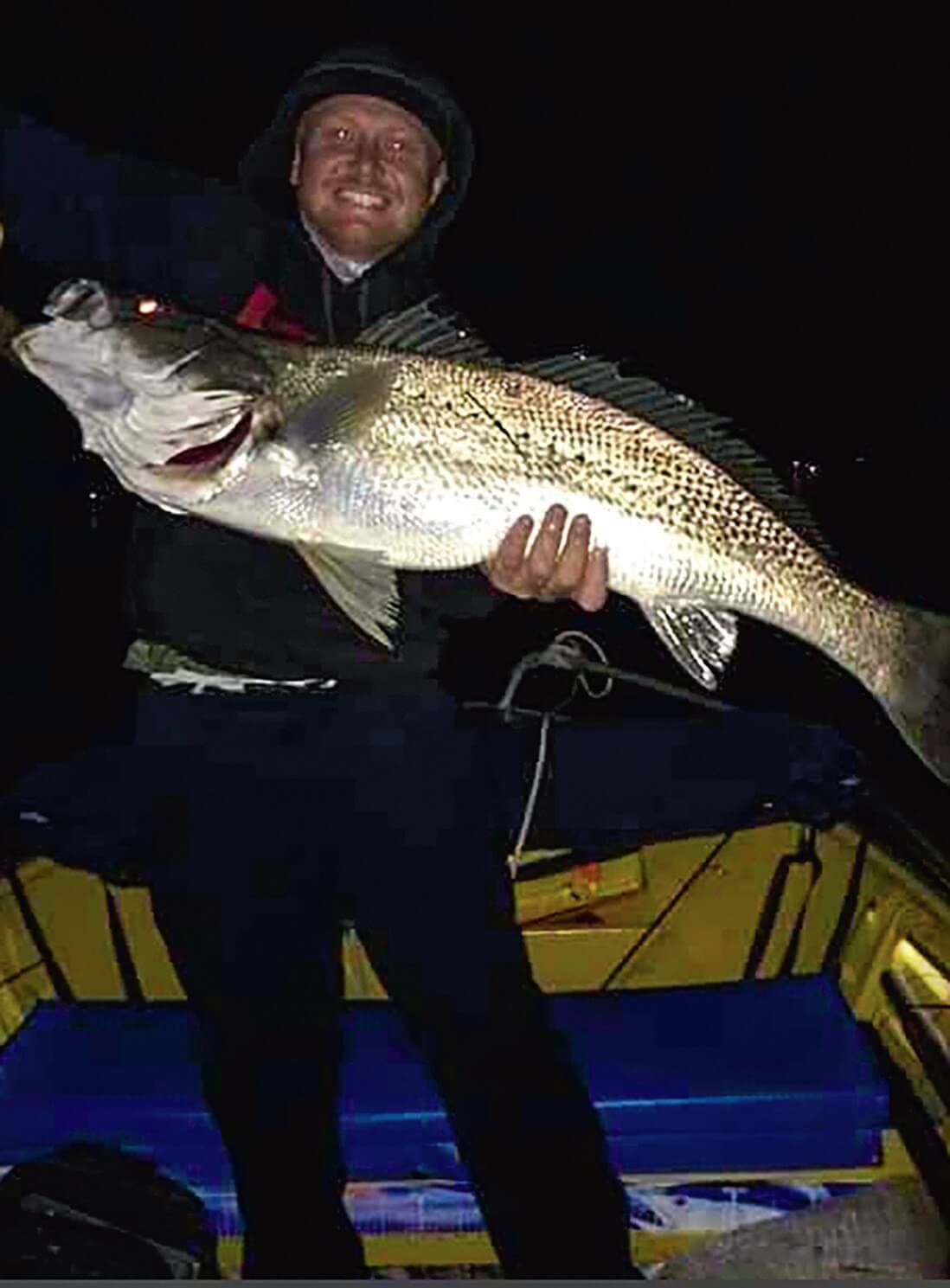
There has been a few Snapper about with some good size being caught at Cape Moreton, The Ripples, Sandstone Point and Bellara you will need some Pilchards to hook on and always remember let the bait float, don’t sink it, they like to remain on the surface when looking for a feed. One of our regular anglers tried the Ningi Creek yesterday snaring himself five Bream and a good size flathead and also a cod, he was using mullet fillets to catch the Bream, Cod, and Flathead.

You can also get a few Bream about at Banksia Beach, Gallaghers, Poverty Creek, Donnybrook, Turners Camp, Bellara, Bongaree, and Red Beach biting on the usual Prawns, Live Blood Worms, and Yabbies. We have seen some Flathead about Avon Wrecks, Turners Camp, Gallaghers, IGA Bongaree and Bellara with some biting on Mullet fillets and Squid. Whiting is still on the bite, Turners Camp, Red Beach, Bongaree and Bellara grab some Live Blood worms or Preserved Beach Worms to catch a few.

I have been talking to some anglers and the Surfside is proving a good place to catch some good size Whiting and Dart at 1st, 2nd, 3rd lagoon in front of the Campsites, you will need Pippies for the Dart and Preserved beach worms for the Whiting. If you head out to The Bird Cage or even on the surfside at 2nd Lagoon and 3rd Lagoon the Mackerel are on the bite, pick up some Pilchards for a good feed.

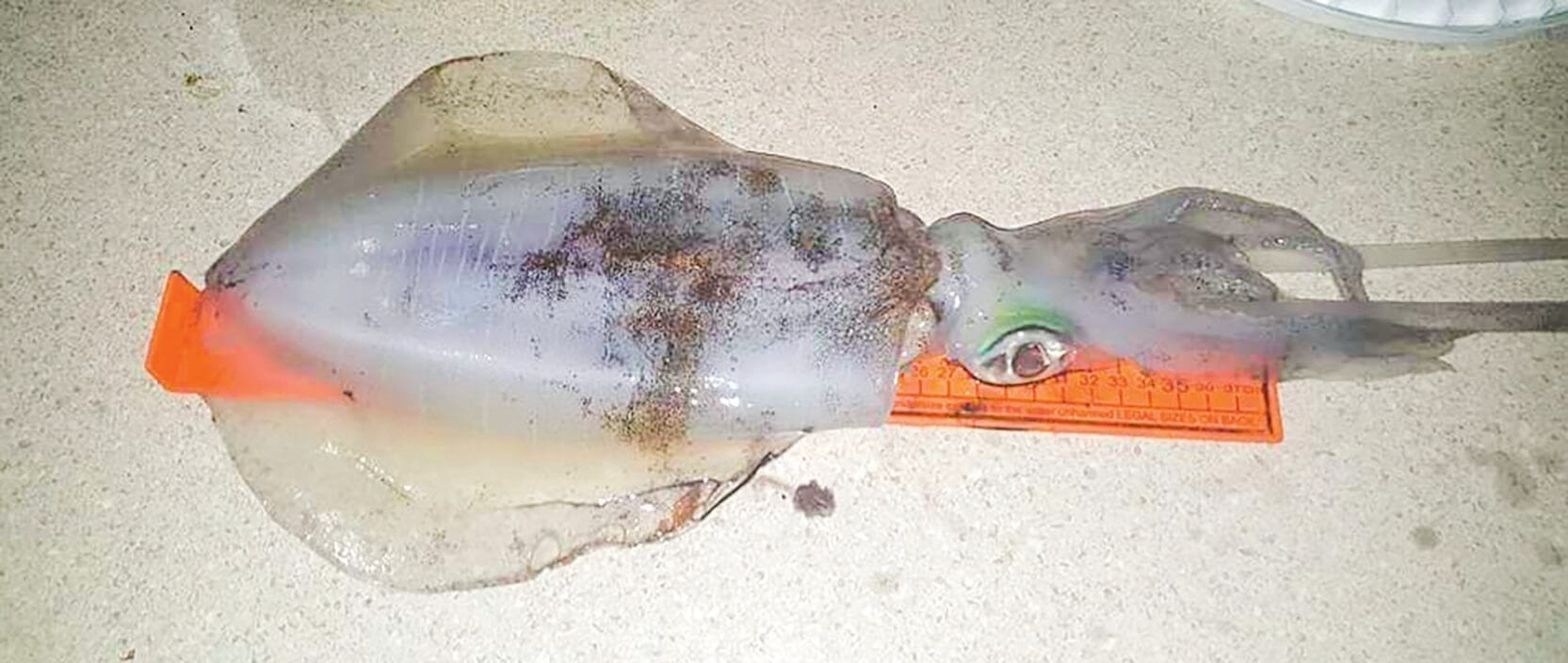
You will get a lot a squid near the Bribie bridge at night, great to use for live bait. We have also seen that some anglers have caught Dew off the Bribie Bridge with squid being the best bait. Before we take the kids out on the boat for the holidays please check all your safety gear and make sure all your flares are in date.

Tide Times

Click here to see Bribie Island Tide Times

FISH KILL AT BEACHMERE

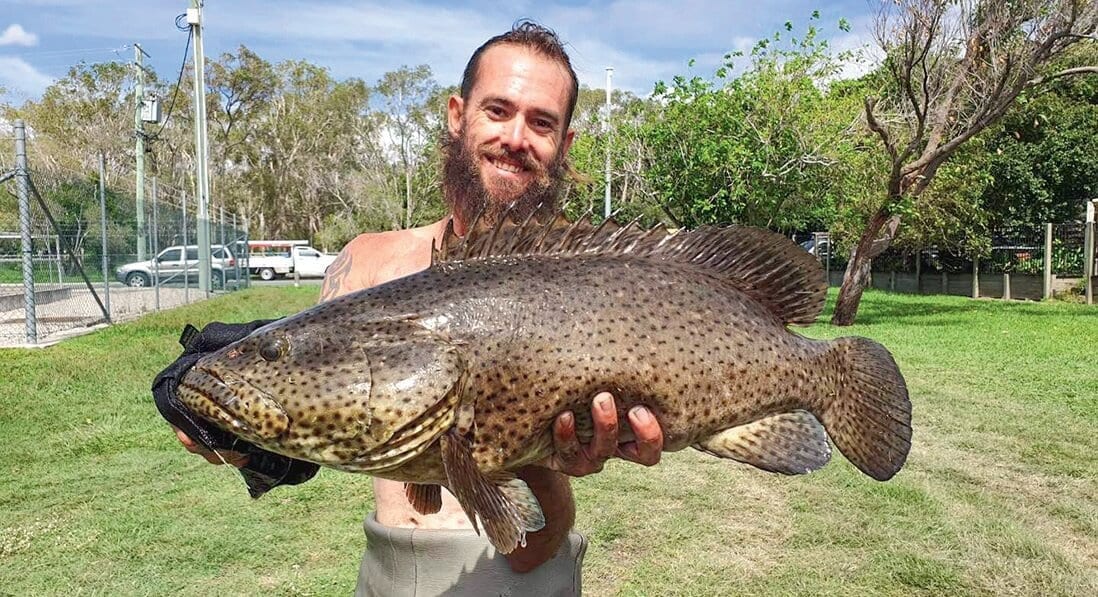
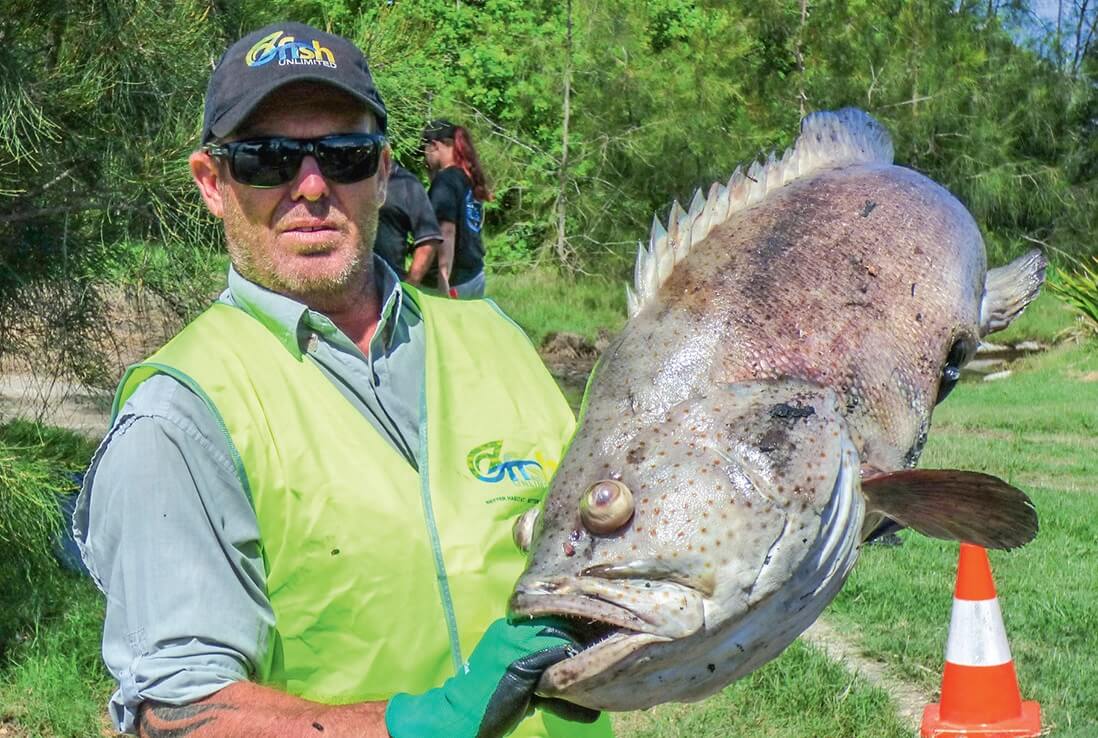
The recent algae bloom in Beachmere Lake is believed to be the cause of yet another fish kill. This latest kill has seen the demise of over an estimated 30,000 fish of various species. OzFish Unlimited volunteers alongside local recreational fisho’s worked hard to save the last survivors. They include Mangrove Jack up to 70cm, Estuary Cod to 80cm, Milkfish to a metre, Tarpon to 60cm and Bream to 40cm as well as dozens of Mullet up to 3kg. Local OzFish Project Manager Ben Diggles said, “It’s so sad to see some many fish gone, however, it’s been fantastic to see local residents and fisho’s rallying together.”

The local council is working to identify and rectify the problem in the short term and re-establish water flow into the lake. Long-term OzFish Unlimited hope to be able to work with council engineers to develop a more permanent solution to repair and restore this vital and highly productive fish nursery in the Moreton Bay area.