Home Blog Page 71

PHOTOGRAPHY FOR BEGINNERS – LESSON 4

Tags: Photography lessons. Classes. Tutorial. Lenses

Back to photography lesson 3

Even though photography is an ART, besides knowing your DSLR camera (and, sometimes, besides knowing your compact one, or, even, your smartphone) you might need some technical know-how. This tutorial has no aim other than to help the beginners. For deeper learning, please consult the Internet.

LESSON 4: LENSES

Our first question when we are buying a lens is: fixed lens or zoom? Let’s see some differences between them.

Price

Generally, good zooms are more expensive than fixed lenses.

Reliability

A fixed lens is more reliable than a zoom as all its components are fixed.

Light (aperture)

Fixed lenses have better light abilities and, therefore, take better images.

Range of the angle of view

The range of a zoom is larger.

Size and weight

Zooms are bigger and heavier.

Versatility

With a couple of zooms, you can have a wide range of focal lengths.

Photo composition

Contrarily to the zoom, with a fixed lens you must go backward or forward to modify your composition (sometimes, you must change the lens). How many you need? Zooms, a couple. Fixed lenses, minimum three (but you can have 2 zooms and one fixed lens…).

WHICH LENS TO USE? (see attached picture)

Fish-eye: special pictures of landscapes, architecture or interior.

Ultra-wide angle

landscapes, architecture, interior

Moderate wide-angle

landscapes, general purpose, meetings

Normal

general purpose, scenes with people, pets

Medium telephoto

sports, portraits, streets, wild life

Super telephoto

sports, wildlife, birds

NEXT LESSON

Photography Lesson 5

PHOTOGRAPHY FOR BEGINNERS – LESSON 5

Tags: Photography lessons. Tutorial. Class.

Back to photography lesson 4

Even though photography is an ART, besides knowing your DSLR camera (and, sometimes, besides knowing your compact one, or, even, your smartphone) you might need some technical know-how. This tutorial has no aim other than to help the beginners. For deeper learning, please consult the Internet.

LESSON 5: COMPOSITION AND MESSAGE

Now that we know how to handle the light and how to set our camera, let’s speak about composition. The composition is how you organize the elements included in your photo. As it’s the most delicate part of photography, we could say that it’s the most important part. Why? Because -in my opinion- it’s a personal assessment. In that context, I agree with the authors who refuse any rule in composition: we can’t have a photography ‘grammar’. Therefore, as your picture is your own work of art, you compose it as you wish: do it as you feel like to do, even if somebody doesn’t like it.

The most important is you liking it. Pictures -photography, paint, drawing…- use a universal language: the visual language. It’s communication too, that’s the way you transmit a message. This message can be very simple or as complex as you want. You can use shapes, lines, points, colours, tones, light, shadows, etc., which you organize freely, as you wish. Besides, we must know that in composition there are some tools we can use to better transmit our message.

Some of these tools are Light, Colour, Texture, Proportion, Dimension Perspective & Movement. The aim is to communicate your message in your personal way without caring if people like it or not. As an example, I will try to describe the action photo attached that I took some months ago.

Movement

The direction of the subject, from ‘A’ to ‘B’, shows the action.

Dynamism

The capture of the water in ‘A’ gives dynamism and reinforce the action. Light: In ‘C’ we can see the backlight provided by the sun.

Perspective

In ‘E’ we have three areas: sand in the forefront, water in the middle and the jetty in the background.

Tones and colours

The difference between the sand, the water and the jetty (‘E’) gives depth to the scene.

Texture

In ‘D’ we can see the texture of the splashed water.

Key point

Finally, the key point, in ‘F’, is the ball. Without the ball no action and no photo. The special light of the ball shows that it’s the important point of the photo. That’s an example of the tools you can use to compose action photography.

Some essential tips

Straighten the horizon, especially when the ocean or the sea is in the background. The main subject of your picture must be in focus. If you are not happy with a photo, don’t show it, except if you want third opinions. Another exception to show a photo you are not very happy with is when your message is more important than the photo itself.

Next: Photography lesson 6

BRIBIE PHOTOGRAPHY CLUB – April 2019

Tags: Photography Club. Bribie Island. Moreton Bay. Brisbane.

The theme for our March competition was “Movement”. Motion blur was required in the photograph. Maria Casmenco was the winner with “Red Bus hitting Big Ben”. Maria’s extraordinary photo was also given Photo of the Month by our judge. Gail Goodair won the Mono PI section with “Imposing”.

Featured Image(above): Maria Casmenco: Red Bus Hitting Big Ben. Photo Of The Month

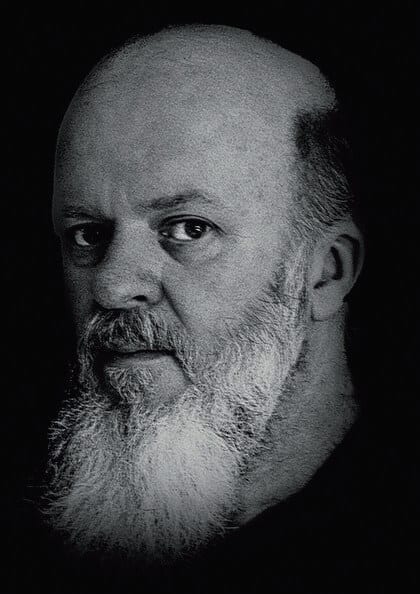
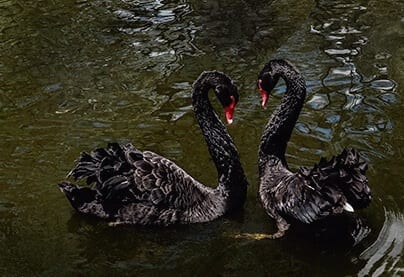
Gail travelled all the way to Spain to take this impressive photo. Marj Webber took out the Open Colour PI with “Courting Love Heart” a shot of Black Swans in courting mode at a waterhole near Gympie. Marilyn Western’s “Out of the Blue” a stunning photo of blue folded paper won the Colour Print section. Roger Bawden with “Peter” a great character shot in black and white won the Mono Print section.

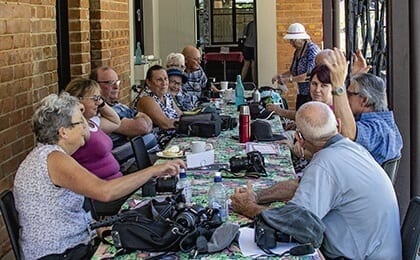
Ben Stoffl who travelled from the Gold Coast was our judge for the night. Ben gave an excellent presentation on photographic composition before judging and critiquing our work. We had a very interesting location shoot in March which was organised by Gabby Shaw. The venue was the Caboolture Historical Village and Gaby made a list of things for us to find and photograph.

It was a beautiful day with lots of members turning up for the shoot. The Historical Village has thousands of items of interest and set in lovely gardens. Photographers had a very enjoyable morning snapping items of interest. Most of us were able to complete the list set for us by Gabby.

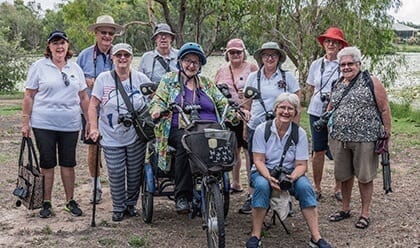
The volunteers at the village served us a delicious Devonshire Tea and some of the crew stayed for lunch in the café and more photography. During the month a group of photographers from the Tin Can Bay Club paid Bribie Island a visit staying for a few days. Some of our crew met up with them at Bibimulya Wetlands and we spent a very pleasant morning in their company.

It was quite a hot day so after a few hours, we were happy to go to the Big Bun Bakery for morning tea. The Bribie Island Photography Club meets on the fourth Monday of each month at 7 pm in the boardroom at the back of the Arts Centre on Sunderland Drive. New members are always welcome. The first two meetings are free. If you wish to come along ring Gordon at 3408 2649 or Gail at 3408 9850 or just turn up on the night.

w: https://sites.google.com/site/bribiephotographyclub

e: [email protected] 

RUNWAY SUCCESS FOR COMMUNITY FUNDRAISER

0

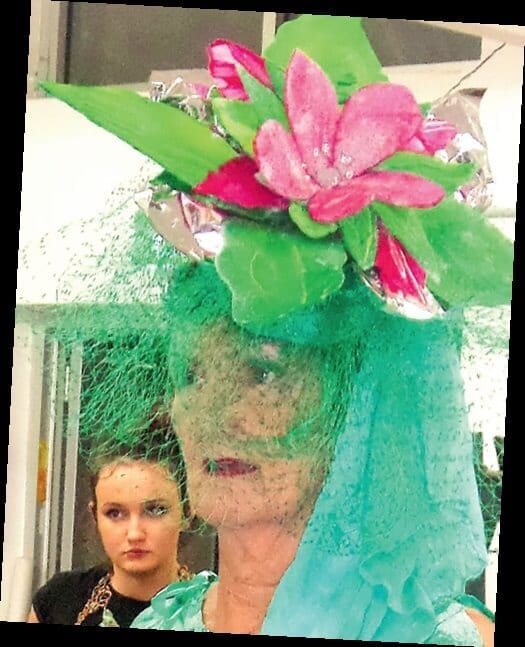
From the exquisite to the outrageous, sewers, painters, quilters, woodworkers, jewellery makers, milliners and aspiring designers strutted their wearable art at a fund-raising event in the Matthew Flinders Gallery on a Saturday evening back in March. Young models Fayi and Everly were given last-minute attention from Fayi’s mother Fulkemi from Body Talk Couture.

Featured image(above): Dawn Farrell

Both girls were wearing smocked dresses from the Ladies Sewing Circle and holding matching dressed dolls. Bantale and Ofile dressed in Body Talk dresses looked on. Local hairdresser Deanna and her friends from Dee’s Creative Beauty paraded their fantasy Bohemian Butterflies creations. Masked Bag Ladies showed off Christine Miles crocheted plastic bag creations.

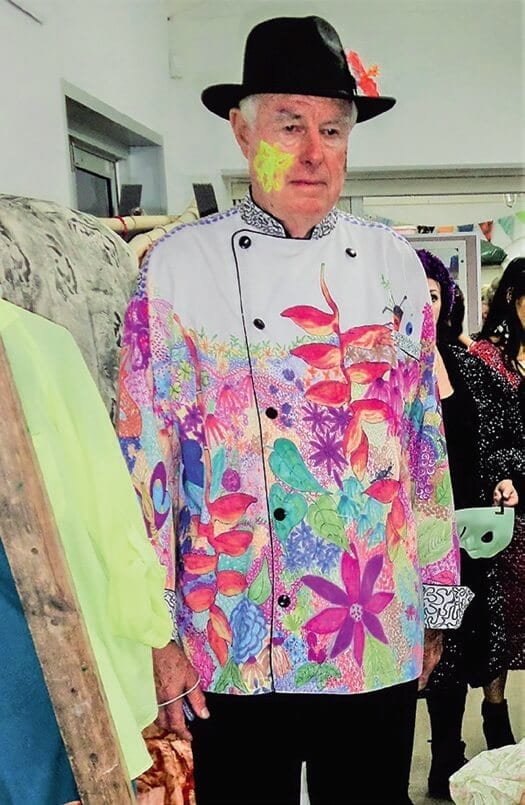
Tony Carter looked very suave in a jacket hand painted by artist wife Dianne. Dawn Farrell and Cheryl Mortimer showed outfits made with their handprinted fabrics. The finale was Spirit of Bribie by Tina Galloway modelled by local girl Chemaie to the song Island Lady and a poem by Tina describing the surrounding water, the paperbark trees, the netted fish and sea life topped by the spectacular Bribie sunsets that inspired her creation.

After the show guests mingled in the of the Community Arts Centre’s courtyard for drinks and nibbles. Organiser Christine Miles said ‘there’s been so much interest we’re hoping this will be an annual event. It brings together the creativity of the many working together groups who use this magnificent community facility.’

BREAKFASTING FUNDRAISERS

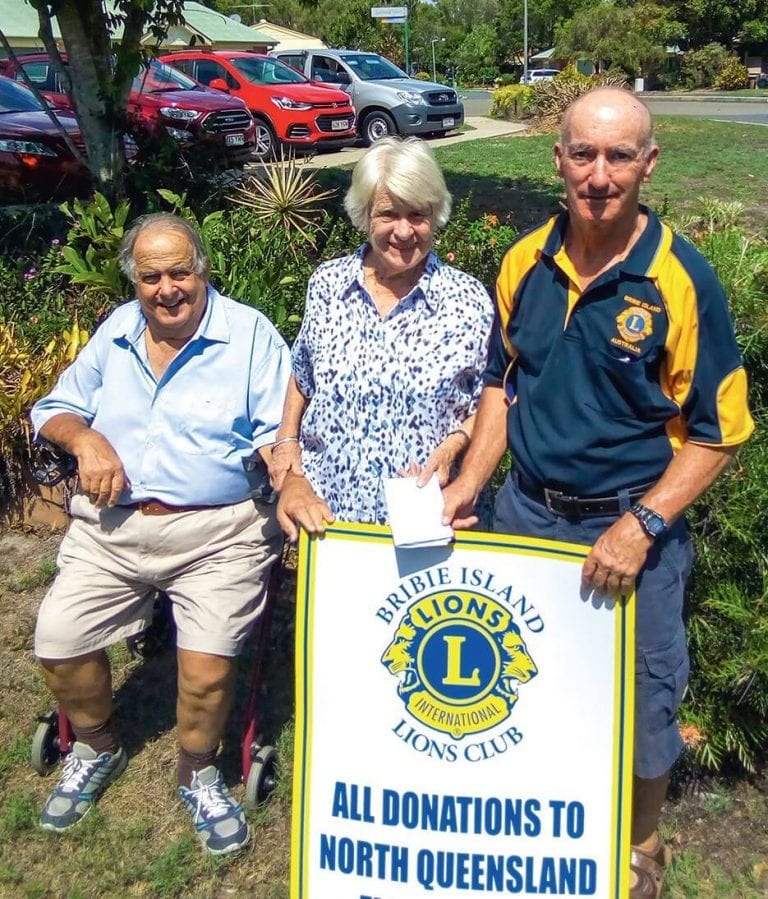
Two local residents, Barbara Butt, and Geoff Franz, who have a heart of gold started their charity involvement by putting on breakfast on the beach opposite where they lived on Welsby Parade. Barbara said it was a way of people getting together, having a chat and enjoying each other’s company.

Featured image(above): Photo;(Left to right) Geoff Franz, Barbara Butt and
Lion’s Club member Glen Hartley

Barbara said, “I would cook breakfast at home and Geoff and I would take it over to the park opposite. It got too much for us to handle and now we meet at (thanks to the owners) Scoopys, have breakfast, raffles chat and lots of fun and all money raised goes to a charity or organization for a good cause.”

In this case to Lions for their flood appeal. Just recently it went to Drought relief. They work closely with World Vision. They now live in the Foley Street retirement Village. Bribie Island President Cheryl Williams and members wish to thank Barbara and Geoff for their generous support and said this money will go to the Lions district Q3 flood appeal and will be distributed where it is needed.

History – A BRIBIE COTTAGE WITH LOTS OF HISTORY

Tags: History. Historical buildings. Bribie Island. Moreton Bay. Brisbane. Queensland. Australian.

In the last two issues of this magazine, you may have read the story of Ron Patterson, who first came to Bribie in 1910, and lived here in the early 1920s. It was during that time, living a tough life as a fisherman on Bribie, that he met the young Ivy Kettlewell whose family had built a holiday cottage on Bribie.

History. Historical buildings. Bribie Island. Moreton Bay. Brisbane. Queensland. Australian.-1

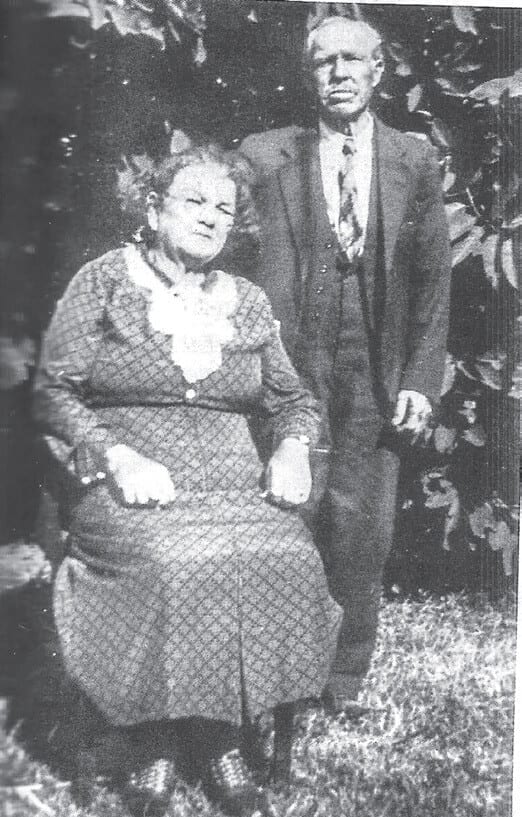
Thomas & Margaret Kettlewell – Lighthouse of Tragedy book

Despite Ron’s rough appearance, and always stinking of fish, he met Ivy at a Dance in the only Hall on Bribie at that time, and eventually they married in 1926. This week I met up with Ron Patterson’s daughter Estelle (nee Patterson) Rashleigh, and heard about her mother’s side of the family. The Kettlewell family history is even more intriguing and provides an interesting link to James Cook discovery and charting of the East coast of Australia back in 1770.

After Cook’s first landing at Botany Bay, he sailed the “Endeavour” north along the coast naming several points, including Cape Morton and the Glasshouses, before a brief stop to get water at the place now called 1770. It was here that Cook, accompanied by Joseph Banks, Dr. Solander and a party of men went ashore and enjoyed the best meal they had eaten since leaving England. He wrote in his log…

“Upon the shore we saw a species of the Bustard, one of which we shot, it was as large as a Turkey, We all agreed that this was the best bird we had eaten since we left England, and in honour of this we called the inlet Bustard Bay”.

This rugged headland and rocks were very treacherous for all early sailors, including Matthew Flinders who sailed “Investigator” past there in 1802 on the first circumnavigation of Australia.

BUSTARD HEAD LIGHTHOUSE

Over the next 60 years, many ships came to grief on this rocky headland. In 1867 a prefabricated iron Lighthouse was built in England and shipped out to be erected on Bustard Head. Access to the proposed location for the Lighthouse was very difficult and bringing materials, men, and equipment to construct it was very challenging. However, when complete and operational from 1868 it prevented many further disasters.

There were just a few pioneer settlers who came to live, farm and fish in this rugged part of the Australian coast over the next few years. Oyster leases were operated by the Moreton Bay Oyster Co. and the large “Turkey Station” cattle property was established. Thomas and Margaret Kettlewell were living with their three young children in Maryborough in 1899 when they decided to move to Pancake Creek, within sight of the lighthouse, where Thomas would be employed as a fencing contractor on “Turkey” cattle station.

Here they built a slab hut, opposite a boat shed at Pancake Creek, and lived in this very isolated location with their first three young children. In his spare time, Thomas Kettlewell shot many Kangaroos for their skins, which they tanned. Every few weeks Margaret and her six-year-old son Albert would travel the long rough dirt track to Gladstone by horse and cart to sell the tanned skins, the round trip taking about a week. Life was very challenging in those days.

WHOLE FAMILY POISONED

Thomas and Margaret produced a further three children while living at Pancake Creek and eventually had eleven children. One night while the family huddled together in the slab hut, some tanning liquid which had been left on the shelf above the food, leaked into the oats. Next morning after breakfast of porridge the whole family became violently ill. Margaret managed to attract the attention of the lighthouse keeper, on the headland 3 kilometres away, by flashing a mirror into the sun.

The relief lighthouse keeper at the time was a Tripcony, and he and his wife eventually climbed down the headland and rowed across the two-kilometre wide Pancake Creek to find out what was wrong. The whole family was very sick. The wife stayed with the Kettlewell family, Mum and Dad and three children, and eventually was able to nurse all five of them back to good health. They went on to have three more children while living in the hut at Pancake Point.

The family returned to Maryborough after 7 tough years in 1906, but their name is still remembered in a reef along the ocean beach, known today as “The Kettlewells”. One of the children born there was Ivy Kettlewell, who twenty years later would meet and marry Ron Patterson on Bribie Island.

History. Historical buildings. Bribie Island. Moreton Bay. Brisbane. Queensland. Australian.-2

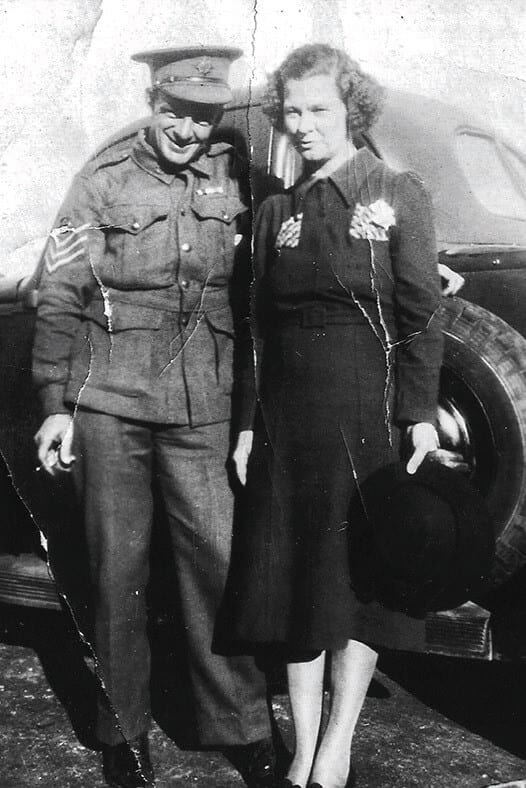
Ron & Ivy Patterson- Redbank Army c 1941

BRIBIE ISLAND 1920’s

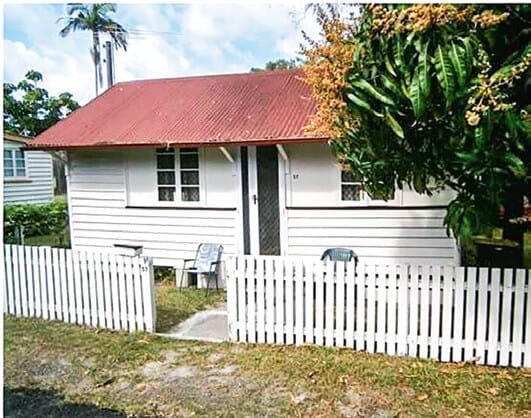
The Kettlewell family eventually moved to live in Brisbane and in early 1920 purchased a half acre of land in Toorbul Street, Bongaree, Bribie Island. This was just a few years after the first land was made available on Bribie Island, the Tug Company had leased land at Bongaree and built a Jetty for regular trips by the Steamship Koopa. Thomas Kettlewell built two small cottages on this land, and one still remains at No 37 Toorbul Street. These were the holiday homes for the large family of 11 children who came regularly to Bribie for holidays.

Thomas and Margaret Kettlewell owned two shops at West End in Brisbane and every weekend would close the shops, load up the children and dog “Royal”, board the Koopa and escape to beautiful Bribie. The dog “Royal” was a favourite of the ship’s captain Johnston and all the crew. As the family grew up and started to marry and expand, the houses were no longer able to accommodate them all, but they would all still come and bring tents and camp in the nearby area of Brennan Park.

In those days there were hundreds of holidaymakers camping on the island, and just a few residents, but dances were held in the Hall and singalongs by the Jetty, and someone would always have a musical instrument. It was all good clean fun, houses could always be left open and unlocked just a couple of shops for basic provisions, and plenty of great fishing. It was at one of these dances in 1923 that the 18-year-old Ivy Kettlewell met local fisherman Ron Patterson.

They fell in love and were married in 1926 in Brisbane. Ivy had had a dramatic start to life having been born in a remote slab hut near the Bustard Head lighthouse. Ron and Ivy Patterson eventually had three children, and it was the youngest of these, Estelle, that I met last week here on Bribie.

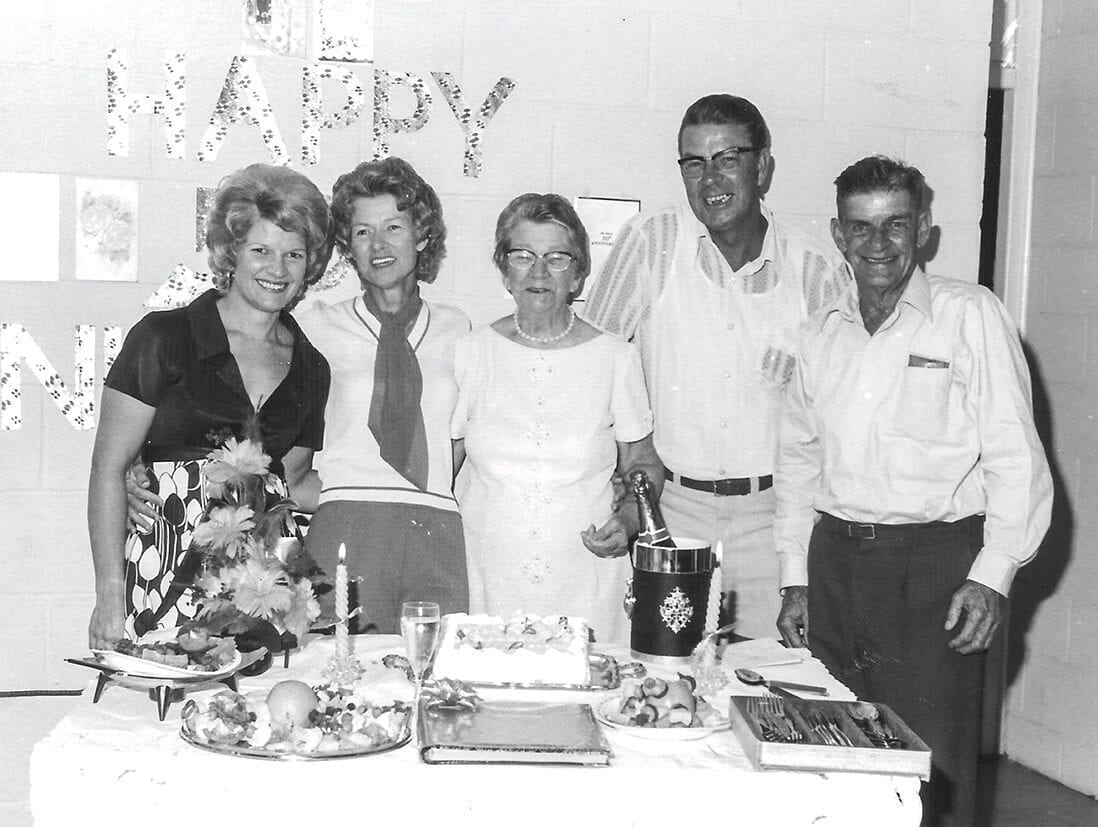
History. Historical buildings. Bribie Island. Moreton Bay. Brisbane. Queensland. Australian.-2

Kettlewell family- 1976 (L to R) Estelle, Beryl, Ivy (Mum), Ray, Ron.

FAMILY HOLIDAYS ON BRIBIE

Her brother Ray was born in 1926, her sister Beryl, always known as Tamy, was born in 1928. Her father Ron had endured the great depression and reenlisted in WW2. Estelle was born in 1943 and her Mum liked to remind her that she was an unplanned pleasant surprise when Ron was home on leave. Her sister was 15 years older. Coming to Bribie on the Koopa after the War were wonderful memories for Estelle.

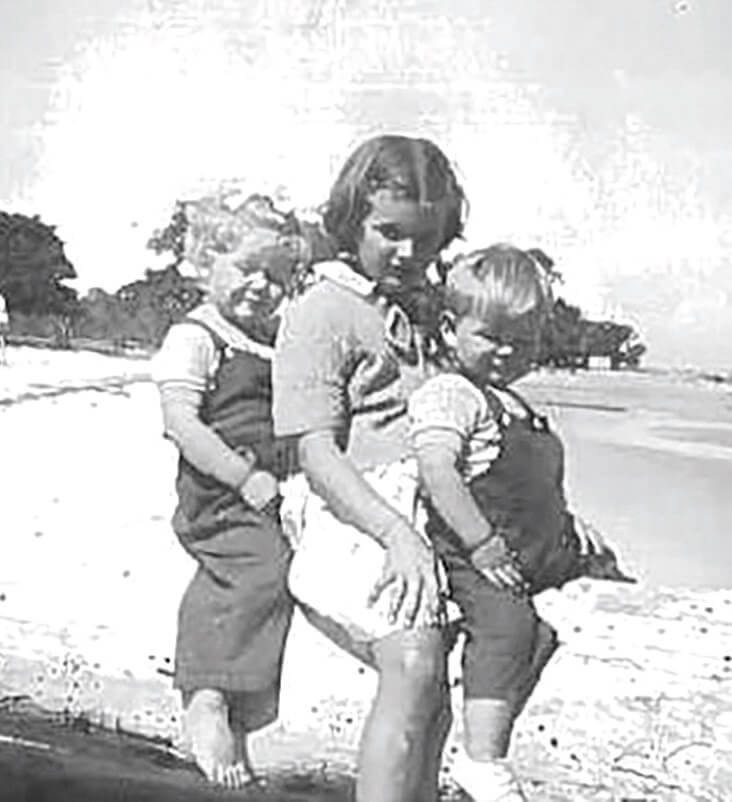
History. Historical buildings. Bribie Island. Moreton Bay. Brisbane. Queensland. Australian.-2

Estelle with nieces on Bribie 1952

Watching the men shovel coal into the boilers, the first sight of great sandy beaches, fishing off the Jetty and her sister singing with the Norman Llewelyn Band on the Koopa at weekends. Her grandfather Thomas Kettlewell died in 1941 before she was born, and Grandma then sold the two cottages on Bribie in 1947 for 400 pounds. Her father Ron Patterson worked several jobs over the years, but when he retired in 1967 he returned to live in Kangaroo Avenue on Bribie.

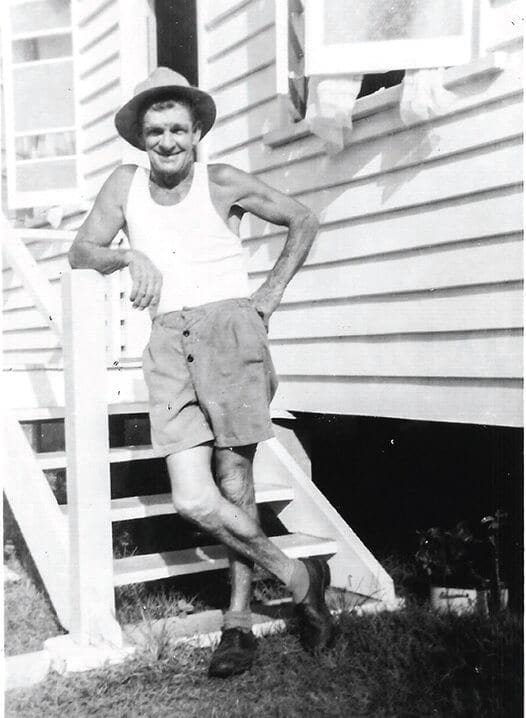
History. Historical buildings. Bribie Island. Moreton Bay. Brisbane. Queensland. Australian.-2

Ron Patterson retired to Bribie 1967

Estelle married a jockey and they lived in many places around Australia, including Sydney, Brisbane, and Cairns but following his bad accident and their failed marriage she returned to live on Bribie in 1982 to be with her father, brother, and sister and their families. She worked at the RSL Club and at the Bellara Motel, which is now the Bellara shopping centre. Her father Ron died in 1984, just two years after he wrote his wonderful memories of early Bribie which were told in previous articles.

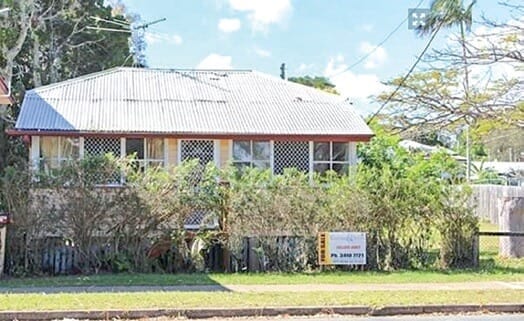
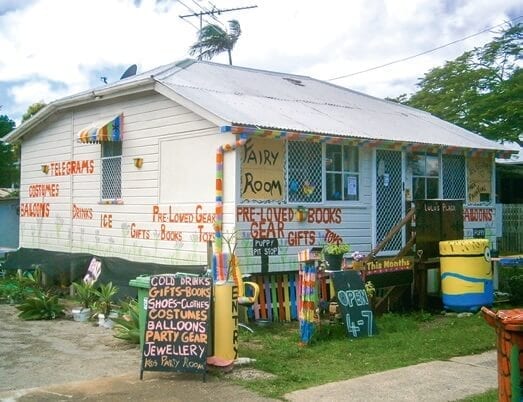
Estelle Rashleigh has had an interesting life, spending many years traveling around Australia in her campervan, returning from time to time to Bribie where she lives now. When I met Estelle this week we visited the Kettlewell family original cottage at 37 Toorbul Street, built by her Grandfather 100 years ago, and where she spent many happy holidays in her very early years. The cottage is now occupied by Lulu Drew and is the colourful location for her “Party” business.

History. Historical buildings. Bribie Island. Moreton Bay. Brisbane. Queensland. Australian.-2

Lulus Party cottage 37 Toorbul Street, today

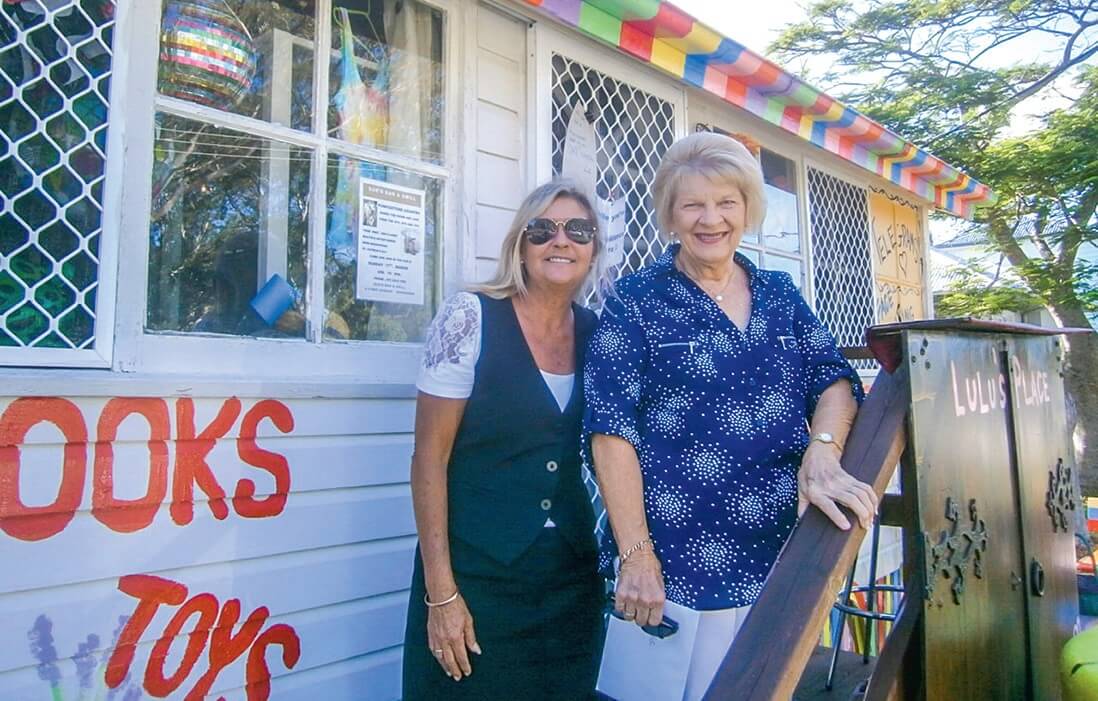
Estelle was shown around the cottage by Lulu and talked about the memories of her family all those years ago. Over coffee, Estelle showed me some family photos which I have included in this article. It was a wonderful and fitting way to finalise the story of the Kettlewell and Patterson families, who are so much a part of Bribie Island History.

History. Historical buildings. Bribie Island. Moreton Bay. Brisbane. Queensland. Australian.-2

Lulu & Estelle Rashleigh

MORE LOCAL HISTORY

The Historical Society has monthly public meetings at the RSL Club on the second Wednesday of each month commencing at 6:30 pm with interesting guest speakers on a wide range of topics, and you can see many more photos and articles on our Blog Site at http://bribieislandhistory.blogspot.com or contact us on [email protected].

Mad Poets Society April 2019

Tags: Poetry. Poems. Poets. Rhymes

THE CIRCLE OF LIGHT

Clouds are low grey and blue

The ocean gathers its colour and hue

Storm approaching on the rise

Beach sand blowing on the high tide

Down pour of rain mist hangs low

Sun comes out and the circle grows

On the horizon a freight ship glides

Centre stage as it floats by Auras of colour only nature provides

The band a rainbow so big and wide

It starts at the horizon and touches the sky

Finishing in the sea near Bribie Isle

Moreton Bay is the showcase of life

While the Island sits in the cloud like sky

Seas are rough white caps peak

Sea gulls glide on the thermal streak

Sun capturing the white of their breasts

Silver wings looking for their nests

Two Mothers play with their children on the beach

Wind playing with their hair and feet

Weather is dictating for them to go

But they stay and hang on to view the show

Light so bright colour so rich

God’s enchantment auras so crisp

Another rainbow inside the first

Beginning and starting on water and earth

I scan the landscape and cannot believe

The presence the light the intensity perceived

Moreton Bay just dressed to please

Oh how I wish I could capture this

The colour the light and the evening mist

By Sharmayne Kurtz 2/05/2012

“MILLIONAIRE.”

I’d love to be on Eddie’s show,

But I don’t know how to do it, Every arvo.

Sees me there, yelling out “I know it !”

The answers seem so obvious,

I get so downright mad, that they don’t know, and yet I do, it’s really all quite sad.

I hear when Eddy tells them, “come back and try again,

I yell out through the television,

“when’s my chance to win”.

It’s not really all the money,

though I admit that would be nice,

And I guess I’d like the challenge,

of taking off the prize. But wouldn’t I just feel a “Dill”,

If I made it to the show,

froze up and couldn’t answer,

how my shame would grow.

Then of course so I’ve heard,

You gain 5 pounds in weight,

Those sneaky cameras, gosh that’s bad,

I think that I’ll just wait.

So here I am each evening,

Yelling answers left and right, at least I’m in my lounge-room

And I can look a fright.

by Lurline Thomson

“THE DAY THE LONG CLOUD CRIED”

It was a day like any other.

In that peaceful New Zealand.

And people went about their work and mother’s held kid’s hands

Suddenly the call came out, for “Muslims come to prayer”

They filed into two different mosques and bowed and listened there.

Abdul couldn’t go that day,

He had to do a job,

He had ten men that worked for him, so couldn’t let them down.

His father, loyal New Zealander, and a help to all mankind said son

“Do you mind, I’ll take the boy the prayers it will calm his mind.

But eyes were watching, just nearby,

He couldn’t wait to start,

A slaughter that went on and on, for his:

“New Right” brothers, he really did his part.

The old man died, and the boy, other children too, women, men and families, were caught up in it too.

A beautiful man got many out,

He really was a hero,

So many more would have died that day, except for people like him.

When he finished saving people, he went to find his wife,

The policeman shook his head, so sad,

“Sir, I’m afraid she’s lost her life.”

The Prime Minister with her courage and love for all,

Inspired the good in us, she comforted all in a humble way, with very little fuss.

As for the Australian,

from Grafton town,

he came,

but he is one of many,

who with evil,

seek out fame.

They all can reach the “Hate Groups,” and know where to get the guns.,

They just use the internet and talk all night as one.

“cause hate is just a sickness”, and radicals will use,

Any means they can, to destroy what we hold dear.

by Lurline Thomson

DEVELOPING EMOTIONAL INTELLIGENCE IN CHILDREN Part 2

Tags: Mental health. Child. Childrens. Emotions.

“The way we talk to our children becomes their inner voice”

– Unknown

Read part 1 – Developing emotional intelligence in children


Following on from Issue #84 of The Bribie Islander this second part of the article on developing emotional intelligence in children deals with teaching skills and learning about important facts to help your child.

Teach problem-solving

Emotions are messages, not mud for wallowing. Teach your child to breathe through them, feel them, tolerate them without needing to act on them, and, once they aren’t in the grip of strong emotion, to problem-solve and act if necessary. Most of the time, once children (and adults) feel their emotions are understood and accepted, the feelings lose their charge and begin to dissipate.

This leaves an opening for problem-solving. Sometimes, children can do this themselves. Sometimes, they need your help to brainstorm. But resist the urge to rush in and handle the problem for them unless they ask you to; that gives him the message that you don’t have confidence in his ability to handle it himself.

Teach Healthy Coping Skills

Once kids understand their emotions, they need to learn how to deal with those emotions in a healthy way. Knowing how to calm themselves down, cheer themselves up, or face their fears can be complicated for little ones.


Mental health. Child. Childrens. Emotions.-1

Teach specific skills

For example, your child may benefit from learning how to take a few deep breaths when they are angry to calm their body down. Below are some strategies that may be helpful.

• teach them to take “bubble breaths” where they breathe in through her nose and blows out through her mouth as if they are blowing through a bubble wand.

• breath in the colours of the rainbow, in through the nose comes the happy and beautiful colours of the rainbow – purple – pink -blue – yellow.

• teach your child how to practice mindfulness, meditation.

• colouring book,

• a favourite joke book,

• soothing music, and lotions that smell good are a few items that can help engage her senses and calm her emotions. Physical activities like running, skipping, trampoline play – basically anything that requires energy because;

E-motions = energy in motion

You and the child could put some of the items in a special box that they decorate. For older children – a resource folder that has strategies for self-soothing that they can access when required.

Important Facts

Feeling understood triggers soothing biochemicals; that neural pathway that is strengthened each time we feel soothed. This is what a child will use to soothe themselves as they get older.

Mental health. Child. Childrens. Emotions.-2

Children develop empathy by experiencing it from others.

You’re helping your child reflect on their experience and what triggers their feelings. Remember for little ones, just knowing there’s a name for their feeling is an early tool in learning to manage the emotions that flood them.

Your understanding helps your child;

• accept their own emotions, which is what allows us to resolve our feelings and move on.

• teaches your child that her emotional life is not dangerous, is not shameful, and in fact, is universal and manageable.

• that they are not alone.

• that even the less pleasant parts of them self is acceptable, which means that the child is totally ok, just the way they are.

The nature of healthy human emotions is to move through us, swamp us, and then pass away. When we try to repress them, emotions get stuck inside us and cause us trouble. The emotions need the opportunity for healthy expression. Children are terrified of their strong emotions overwhelming them, so they try to fend them off until they feel safe enough to experience them.

Because emotions are stored in the body, tantrums are nature’s way to help young children vent. Our role as parents is to help our children feel safe enough to feel and express their emotions. Parenting is about helping children to heal their psyches and bodies; we must help them trust their own emotional process so that they can handle their own emotions as they get older, without tantrums or repression.

Ultimately we must remember…

“Parenting is not giving your child everything they want. Parenting is not being your child’s friend. Parenting is about preparing your child to be a useful and respectful person in society”.

– Unknown.

WHAT REALLY HAPPENS AT A ROTARY MEETING

0

Tags: Rotary. Queensland. Brisbane. Bribie Island.

I’m often asked what really happens at a Rotary meeting? Is it boring, how can you spend two hours sitting listening to people talk? Do you have secret handshakes, Grand Pooh-Bahs and do you wear special regalia – eg Mooseheads or antlers? Do you say prayers and recite memorised codes of conduct?

Featured image(above): Rotarians and guests enjoying the fellowship of a meeting

Are there special artifacts in the meeting room? The answer to these questions can be funny, informative and educational – but I must say, our meetings are certainly never boring. Rotary International, the world’s first service organisation, is made up of over 33,000 clubs, in more than 200 countries and geographical areas. Our members form a global network of business, professional and community leaders who volunteer their time and talents to serve their communities and the world.

Rotary’s motto, Service Above Self, exemplifies the humanitarian spirit of the organisations more than 1.2 million members. Strong fellowship and friendship among Rotarians and meaningful community and international service projects characterise Rotary worldwide. Members include wealthy, middle and low-income working and retired professionals and tradespeople. Rotarians also set a standard for ethics in business management and in their daily lives through the use of ‘The Rotary four-way test.’ The test ensures that a planned action is compatible with the Rotary objectives and spirit.

We ask:

  • Is it the truth?
  • Is it fair to all concerned?
  • Will it build goodwill and better friendships?
  • Will it be beneficial to all concerned?

Formats of meetings vary from Club to Club. The Rotary Club of Bribie Island follows a more traditional agenda. Following a formal introduction of visiting Rotarians and guests our meeting commences with Rotary Grace and a toast to Australia. This is followed by an International Toast which is given by a rostered member and gives information about an overseas Club and their projects and activities. The President and any member who has something to pass on give a Report to the meeting.

A meal is served and then the guest speaker gives a talk – not necessarily on Rotary. The meeting ends with a game of Heads and Tails (similar to Two Up) and we sing the National Anthem to close the night. During the meeting, there is no ‘informal discussion’ amongst members. The meeting is ‘controlled’ by the Chairperson, just as a President of any other group or organisation would do – not allowing chit chat to disrupt the set agenda. However, because friendship and fellowship are so very much a part of Rotary, before and after the meeting members and guests mingle freely and during the meal (and perhaps over a glass of wine) they talk about anything and everything.

Catching up on local events, finding out how things are going with other members and much more, it’s a process whereby Rotarians come to know each other better and form a special connection. As with all things in life, a positive attitude really helps. If you arrive at the meeting expecting to be bored and thinking that your time would be spent better somewhere else, then yes, it may not suit your needs.

However, a person arriving with a positive attitude, looking forward to an evening of friendship and fellowship with like-minded people, who – although from very different backgrounds and professions – all want to be there, will likely find the time spent to be productive, informative and of value. To ensure we have successful meetings and functions, preparation is essential. Our Secretary is responsible for ensuring that all parts of the meeting are planned and prepared.

She sets the agenda and makes sure that those rostered for various duties are aware of their responsibilities. Our President and Directors not only give reports on our activities but they ensure that proper attention is given to welcoming members and guests and that friendship and hospitality are extended to all. So while there is “ritual/ planning” (of a sort) to a Rotary meeting, the most important ingredient is the friendship and fellowship of like-minded people who want to make the World a better place.

I must admit, however, we don’t wear Mooseheads or the like – or have a special handshake – but sometimes we dress up for a special night. People with a sense of fun, a sense of adventure, those wishing to help in the world, those who care – and maybe those with time on their hands who feel they’d like to do more – are ideal for Rotary. Young and old, outspoken and shy, gregarious or lonely, are most welcome. Religion, race, sex, and/or politics are not criteria to be a member.

Whether it’s planning a function, helping out at Rotary Park at Woorim (planting and cleaning up), cooking at the Rotary Markets which are on this Sunday 14 April, raising money for the less fortunate here and overseas, you’ll certainly find your niche. If you would like to join us we meet at the Bribie Island Hotel on Thursday at 6.30pm. Please ring our Secretary Mary Grant on 0421 529 824 for more information.

AUSTRALASIAN FIGBIRD (SPHECOTHERES VIEILLOTI)

Tags: Australian native wildlife. Queensland. Figbird. Birds.

The green form of the Australasian Figbird which belongs to the Oriole family is a very common inhabitant on Bribie Island. They are mostly seen gorging on berries on the many fig trees growing here but are also found in parks and gardens. There are two forms of Australasian Figbirds in Australia.

Featured image(above): Female Figbird

The Green Figbird is what we have south of Proserpine and the Yellow Figbird is found in the north. Green Figbird males have a distinctive red patch of skin around their eyes, black heads, white breasts, and olive green backs. Yellow Figbird males also have the red patches but are a striking yellow on their breasts and abdomens. Females of both forms are identical with brown colouring above and streaked on the underparts. Figbirds are medium-sized passerines 27-29 cm in length and weigh 100-150g.

Figbirds are found in eastern and northern Australia and in PNG on the edges of rainforests, in Mangrove and Melaleuca swamps, in woodlands and on trees in suburbia. They are sometimes nomadic chasing fruiting trees where they mostly feed high in the canopies. Insects and seeds are also on the menu. There are a number of native fruit trees that can only be germinated by fruit-eating birds eating their seeds. Some of the seeds pass undigested through their bodies and germinate to create new growth.

The breeding season is usually between October and February. Cup-shaped nests are built of small sticks and vines in horizontal forks usually about 20 m from the ground. They often build their nests fairly close together in groups. Some Figbirds have been known to build their nests close to Frogmouths’ nests, presumably as a form of protection as predators could be discouraged by the presence of such large birds of prey.

Two or three brown mottled eggs are laid and incubated by both parents for about 18 days. Both parents tend to their young and are sometimes helped by single males in the group. Fruit and insects are regurgitated by the adult birds to feed the chicks. Nestlings remain in the nest for 17 days before learning to fly.

Females are sometimes confused with Olive-backed Orioles. Female Figbirds have black eyes and beaks while Orioles have red eyes, red beaks, and olive backs. Common names are Green Figbird, Yellow Figbird, Northern Figbird, Southern Figbird, and Mulberry bird. Figbirds have adapted well to human habitation thus their conservation status is of least concern.

Funny Pet Pics April 2019

Tags: Funny humorous pet animal images pics.

SHARE YOUR FUNNY PET PICS WITH THE MINI BRIBIE ISLANDER…
SEND TO: [email protected]

THE BRIBIE WINELANDER

Tags: Wine. White. Red. Wineries. Australian. Queensland. Brisbane.

As you may have gathered by now I enjoy a wine lifestyle, I have spent the last forty years or so making a living either standing in bottle shops, drive-throughs or sitting in buyers offices trying to sell the stuff or simply talking to anyone who shows any interest in the subject, and I must admit in retirement it is something I miss although reading up on various items for this column still keeps me involved to a degree.

Today’s subject isn’t so much about wine itself but what you can do with wine that is “virtually undrinkable” and the leftovers after the grapes have been crushed otherwise known as the ‘grape must’ or ‘pomace’ and in this article there will be some facts and a myth, which for all I know could actually turn out to be fact, but if it isn’t it makes for an interesting story. Firstly what do you do with all the pulp, seeds and skins once the juice has been extracted and is on its merry way to the tanks for fermentation and made into your favourite wine?

In most countries, it is either dumped directly into the fields as a fertiliser or fed to the animals but in Italy back in the days when the peasants were very poor and after the grapes had been harvested for their landlords they added a further step to the process and took some of the ‘must’ home. Once the damp pulp was home it would be fermented and the leftover liquid extracted and distilled to create a high proof alcoholic beverage that made the winters, long days in fields, and poverty more bearable. Then they dumped the leftovers in the field or troughs, I thought you would you like to meet Grappa.

Now the myth, and it is a good one, involved a Roman soldier in Bassano del Grappa, just outside of Venice, who loved the smell of ‘grape must’ leftover from the winemaking and worked out how to do something with it. It helped that on his way back from the battles in Egypt he had acquired a ‘still’ and decided to put to good use and Grappa was born, there you go the origin of Grappa dates back to Roman times. However, it is more likely Grappa probably emerged from Europe’s middle ages when a lot of grains and fruits were distilled into various spirits.


Italian wines. Red. White. Wine. 


Today in an effort to stamp out the making of ‘moonshine’ Italian law requires winemakers to sell their ‘must’ to Grappa makers and this seems to work, and nowadays, as with other spirit making, the levels of quality vary from cheap to quite expensive with the product sold in some amazing bottles.

How do you turn grapes that are very dry, acidic, thin and almost undrinkable into some of the most expensive alcoholic beverages in the world? The grapes in question are Ugni Blanc, Folle Blanche, and Colombard (although here in Australia Colombard can actually make a pleasant dry white but not in some parts of Europe) and to change their character you make them into a wine at around 12% alcohol then using either a pot ‘still’ several times, or a continuous ‘still’ pushing the alcohol up to around 60% and then a dilution using distilled water change the liquid into a spirit known as Brandy with an alcohol content of 40%.

Brandy is made all over the world wherever the grapes are grown simply by boiling white wine in a copper pot ‘still’ or a continuous ‘still’ but two areas above all are recognised for the quality of what they produce and they are Cognac and Armagnac in France. While Armagnac can be aged in wooden casks for a minimum of one year to reach the V.S.

standard (Very Special) Cognac needs to be aged for at least two years as it is in Australia. Cognac is produced using a copper pot and is twice distilled before reducing the alcohol level to 40% by using distilled water then stored in Limousin oak barrels until needed for bottling and blending then depending on the blend of aged material will be priced accordingly. For example, a bottle of Remy Martin Louis 13th Cognac will cost around $3000 but there have been cases where very rare blends have cost in excess of $30,000 for a bottle.

On the bottles, the letters V.S depict a three-star brandy which designates a blend in which the youngest brandy has been stored in casks for at least two years. V.S.O.P (Very Superior Old Pale) is a blend stored for at least four years and X.O. (Extra Old) or Napoleon in which the minimum age is ten years, also after distillation and during the aging process is also called ‘eau de vie’ or translated as ‘water of life’ Lower cost spirits are made using the continuous stills which need far less skill to produce the end product, due to the decline in the sale of brandy here in Australia very few copper stills remain in use.


Wines. Sparkling. White. Red. Shiraz. Queensland. Australian


Now for the good news here in Australia one company still produces brandy to match the best in the world and that is St. Agnes of South Australia which is owned by The Angove Family Winemakers. Dr William Angove established a distillery in Renmark in 1910 where he planned to make spirit for fortifying wine as port and sherry were very popular around this time. William’s son Carl travelled to Cognac to learn from the best and upon his return St. Agnes Brandy was born in 1925. Every year since 1925 the St. Agnes Distillery and Barrel halls have been carefully handcrafting brandy that is equal to any produced anywhere and in that period there have been just five master distillers!

Apart from the superb St. Agnes V.S. Brandy which is aged for a minimum of three years, there is a family of brandies including The V.S.O.P. aged for five years, a St. Agnes X.O. aged for 15 years, a St. Agnes X.O. Imperial aged for twenty years and the St. Agnes X.O. Grand Reserve aged for forty years all double pot distilled, all of the XO. The range is superbly packaged and if there is a decision on which brandy to buy there is really only one and it’s Australian!

Let’s go from the sublime to the ridiculous, there is a wine on the market that Angove’s have represented under licence here in Australia for fifty years, it has sold several million cases over this period, has been around since 1740 making it one of the oldest surviving alcoholic beverages, is sold in every liquor store and carried by most restaurants, it is mostly sold in Queensland and very rarely gets a write up, who am I? I am Stone’s Original Ginger Wine of course made from an original recipe from London.

The ginger is first and foremost a warming agent that leaps out of the bottle along with aromas of cinnamon, anise and nutmeg and if you are into Asian cooking Stone’s is a great addition as the alcohol burns off quickly. Stone’s Ginger Wine also comes blended with Scotch Whisky as Stones Mac, the Stone’s Special Reserve and a couple of alcoholic ginger beers. Out there in wine world, I had Penola Coonawarra Cabernet Sauvignon from Liquorland this week, it was on special at two for twenty dollars or half price, the value was outstanding. I think it comes on special regularly so if the special has finished just keep your eyes open.

It is hard to recommend specials because the magazine doesn’t always match the specials going around but Dan Murphy’s are pushing Stonyfell Shiraz Cabernet which to members is two bottles for $18 or half price, as a non-member if you purchase any six bottles of anything you get the same deal, which I hate as it makes you buy more than you wanted. Liquorland also had the Rosemount Diamond range out at $8 which is half price and from Hardys a William Hardy Langhorne Creek Shiraz which was very enjoyable and on special.

Cheers, Philip Arlidge [email protected]

“Beer is made by men, wine by God” Meghan Whalen Turner ‘The King of Attolia’ “I’m not sure I can trust you” “You can trust me with your life my King” “But not with my wine, obviously. Give it back!”

Martin Luther

Artist of the month – CAROL OYSTON’S ELEMENTS OF BLUE

0

Artist of the Month for May at the Bribie Island Community Arts Centre, Carol Oyston uses the many destinations to which she travels, and places she has lived as subjects for her paintings. Her exhibition, therefore, features, among others, pictures of water boats at South Mission Beach, a sunset at the town of 1770, wheat fields, bushfires in Tasmania and the Great Barrier Reef at Cairns.

In these Artist of the Month works are found a preponderance of blue: in seascapes, boats, beach, and sky, attesting to her love of painting them. Hence why Carol has called her exhibition Elements of Blue.

Before moving to Ningi 18 months ago, Carol lived in Crows Nest where she was involved in textile art. Her love of fabrics and stitching produced dyed silks, clothing, and other beautiful lace, fibre-based and painted works. With the women in her textile mixed media art group, she held an exhibition called Elements of Red in Toowoomba. There were also Out of the Box in Crows Nest with friend Gail Grunske, who will be doing a workshop at BICAC in May, and Women on the Edge exhibitions.

While caring for a husband dying of cancer some years ago, Carol found her art and position as Vice President of the Crows Nest Arts Council gave her the alternate focus she needed to cope with the extreme stress in her life at the time. Today she continues creating for the satisfaction it brings her finding it improves her life in an abundance of ways. Her message, as she will share in greater detail at her Artist of the Month Talk on Tuesday 14 May, is ‘Everyone is an artist.

It’s not important,’ she emphasises, ‘where you come from; you don’t have to be a university graduate to practise art.’ While interviewing Carol for this article, she told me about some of the countries to which she and partner, Yves, have recently traveled, along with their intended destinations in the near future: Ireland, Portugal, Spain, Morocco, America, and Antarctica.

I was left wondering if we will be seeing an element of multi-colour in her art and exhibitions to come. Carol Oyston’s Artist of the Month Exhibition will be held throughout May at the Arts Centre on Sunderland Drive, Banksia Beach. The Centre opens at Tues-Sun 10 am – 4 pm. Ring 3408 9288 for more info, and to let us know if you are attending Carol’s Artist Talk.