Home Blog Page 8

The Bribie Islander Gloss Magazine August 9, 2024 Issue 221

Issue 221 OUT NOW. Get all your community news and information. Bribie Islands only community gloss magazine NOW EVERY TWO WEEKS! – Articles on boating, camping, fishing, life, drama, travel destinations, sports, and what to see and do on Bribie Island. Covering charities, organizations, places, children’s activities, arts and crafts, tourist destinations, heritage parks, technology, science, music, gardening, and much more.

Download latest digital edition here.

How to Buy the Right Shoes

Believe it or not, one person can have two feet slightly different in size and shape. And even if yours seem identical, they don’t necessarily remain a constant size. Your feet can actually be different sizes at different times of the day. There are also more lasting changes: Most feet gradually widen with age, and sometimes women’s feet “grow” (because of muscle relaxation during pregnancy) after the birth of a child.

When shopping for shoes, it’s important to consider the time of day. The late afternoon or evening is ideal, as that’s when your feet are the biggest (they swell during the day). A knowledgeable salesperson can be a valuable asset in this process, guiding you in measuring both feet while you’re standing up and carefully considering the fit and walking comfort of each pair of shoes you try.

If you have wide feet, there’s no need to worry. Always inquire about the availability of wide-width options, even if the salesperson has measured your feet. Comfortable shoes have gained popularity and style, and shoe manufacturers are recognizing that not everyone has a medium-width foot. This diversity of options should instil hope and confidence in your quest for the perfect pair of shoes. There are two other contributors to your shoe “size” as well: The shape of your foot (how the shoe’s “upper” conforms to your foot) and the heel height that is best for you. It’s important to remember that high heels shift body weight onto the front of your feet, which may not be suitable for everyone. If you have excessively pronated (“flat”) feet, Achilles tendinitis, short calf muscles, or knee problems, however, shoes with a moderate heel may be more comfortable for you, because they lessen the pull on already-overstretched tendons and muscles. This knowledge will help you make informed decisions about your shoe purchases.

What To Avoid

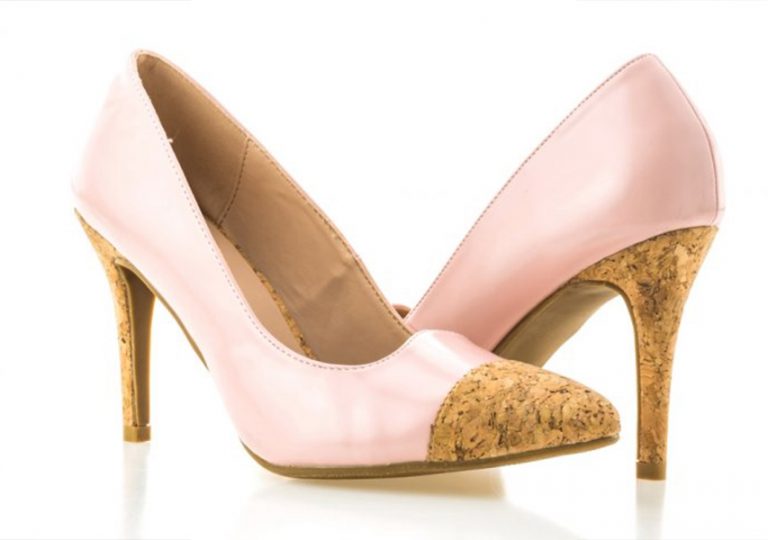
• Stiletto heels, or any other heel higher than three inches, redistributes your body weight so that 90 per cent of it is on the front of your feet. This extraordinary pressure can create calluses on the foot ball and increase the pain of bunions, hammertoes, and corns. It also strains the muscles and tendons in the arch of the foot. And because these heels tend to have narrow points on the ground, they make maintaining your balance quite challenging and add to the danger of falling, turning, and spraining your ankle.

• Pointy-toe shoes squeeze the toes together, causing uncomfortable calluses and corns. Pointy shoes can also pressure ingrown toenails and bunions and increase the likelihood of hammertoes.

• Flats can be a problem for people with arch and Achilles tendon problems and anyone who wears them exclusively. Over time, your foot gets used to being pronated (flattened), and you may develop arch pain and tendinitis. Flats can be the staple of your shoe wardrobe but alternate them with shoes with moderate heels.

• Mules generally have a high heel, so you’re likely to have all the same problems as those mentioned above when too much pressure is placed on the front of the foot. But what distinguishes this style is the lack of heel support, increasing your chances of injury if your foot turns on the heel or slips out of the shoe.

• Platform shoes, popular in the 1970s, unfortunately come back in style periodically. Like high heels, they are so unstable that you can’t help but periodically turn your ankle, possibly causing muscle strain, a sprain, or even a fracture.

• Old shoes with worn-down heels or traction, flattened insoles, stretched-out uppers, or unravelling stitching can cause you to slip, strain your foot muscles, and lead to ankle sprains.

Key Factors

• The toe box, or area around your toes, should be roomy enough for your toes to rest comfortably. Too much room can allow feet to slide inside shoes, causing calluses and irritation. The more common problem is that the toe box is too tight. The toe box is probably your biggest shoe problem if you have wide feet. When standing, there should also be room in front of the toes, at least 3/8″ to 1/2″ between your longest toe and the front of the shoe. And there should be room above your toes to prevent the shoe from rubbing against them, causing corns. To test the above criteria, ensure you can wiggle your toes inside the toe box when standing.

• A shoe’s “upper”—the material on top of it—should conform to the shape of your foot. It should provide support but also “give” when your foot moves. Look for an upper made of a material that is not irritating or porous, allowing air into the shoe. Leather is more likely than vinyl to have these characteristics.

• The shoe should provide ample cushioning to absorb shock on foot bones and muscles each time you take a step. It would be best if you had such cushioning in three key areas: the arch, the front, where the ball of the footrests, and the heel, which normally supports 25 per cent of your body weight. If the insole material is also absorbent, it will help relieve heat inside shoes and prevent rashes and the spread of infection.

• Soles should provide adequate traction to prevent slipping on any surfaces where you expect to be wearing the shoes.

• Heels should ideally provide slight elevation (between 3/4″ and 1″) for the foot, whether there’s an actual heel or a sole thicker toward the back of the shoe. The counter, the shoe part that curves around the back of your heel- should be stiff enough to prevent ankle strains and sprains. The back of your foot should fit snugly into the heel of the shoe, not slide around inside it.

OVERCOMING ABUSE AND RISING WITH RESILIENCE

Life has a way of throwing curveballs, some of which hit harder than others. For those who have endured experiences of abuse, whether sexual, physical, or verbal, the healing journey can feel like an endless, uphill battle. But remember that you are not defined by what happened to you.

Acknowledge and Accept
The first step towards healing is acknowledging the abuse and accepting that it was not your fault. Many survivors grapple with self-blame, thinking they could have done something differently to prevent the abuse. This mindset only perpetuates the pain. Understand that the responsibility lies solely with the abuser. By accepting this truth, you begin to dismantle the power the abuse holds over you.

Embrace Your Emotions

Allow yourself to feel the emotions associated with your experience—anger, sadness, fear, and even relief. Bottling up these emotions only delays the healing process. Journaling can be an incredibly therapeutic way to express your feelings. Write as if no one will ever read it, and let your heart pour out onto the page. This act of releasing your emotions can bring a profound sense of clarity.

Seek Support

You don’t have to walk this path alone. Reach out to a trusted friend, family member, or counsellor. There’s immense strength in vulnerability and asking for help. Support groups can also offer a safe space to share your experiences with others who understand what you are going through. Remember, seeking help is a sign of strength, not weakness.

Transform Pain into Power

Your experiences have given you unique insights and strengths. Reflect on what you have learnt. These lessons are the gifts hidden within your pain. Embrace them, and let them guide you towards a future where you thrive, not just survive.

Set Healthy Boundaries

As you heal, it is crucial to establish and maintain healthy boundaries. This might mean distancing yourself from toxic relationships or situations that trigger negative emotions. Surround yourself with people who uplift and support you, and remember that your well-being is a priority

Practice Self-Compassion

There will be good days and bad days, and that is okay. Treat yourself with the kindness and compassion you would offer a dear friend. Celebrate your progress, no matter how small, and show kindness and compassion for yourself the days you struggle.

Visualise a Bright Future

Take time to visualise the future you desire. Imagine yourself free from the shadows of your past, living a life filled with joy, purpose, and love. By focusing on positive outcomes, you align with the reality you wish to create. Need support in moving on from abuse or need someone to help you transition into a brighter future? Reach out and give me a call at 0405361882.

The Medical Reasons Behind Itchy Noses

While spiritual beliefs and superstitions offer intriguing insights into the meanings behind itchy noses, it is essential to consider the medical reasons behind this common phenomenon. Here are some potential causes for itchy noses:

ALLERGIES

Allergies, such as those triggered by pollen, pet dander, or certain food items, can lead to inflammation and itching in the nose. The immune system reacts to these allergens, causing discomfort and irritation. If you suspect allergies cause your itchy nose, consult a healthcare professional for proper diagnosis and treatment options.

DRYNESS

Dryness in the nasal passages can result from various factors, including environmental conditions, frequent nose blowing, or inadequate hydration. When the delicate skin inside the nose lacks moisture, it can become itchy and uncomfortable. Using a humidifier to add moisture to the air or applying a saline nasal spray may help alleviate dryness-related itching.

VIRAL INFECTIONS

Common colds and viral infections can often cause itching sensations in the nose. The body’s immune response to these infections can lead to nasal congestion, sneezing, and itchiness. Resting, staying hydrated, and practising good hygiene can aid in recovery and alleviate symptoms.

SINUSITIS

Sinusitis, an inflammation of the sinuses, can cause nasal congestion, pain, and itching. It often occurs due to bacterial or viral infections, allergies, or structural issues within the nasal passages. Seeking medical advice and treatment may be necessary to address the underlying cause of sinusitis and relieve the associated itchiness.

MIGRAINES

In some cases, migraines can manifest as an itchy sensation in or around the nose. Various symptoms, including nasal itching often accompany migraine attacks. Managing migraines through lifestyle changes, stress reduction techniques and medication can help minimise the frequency and intensity of these episodes.

HOME REMEDIES FOR ITCHY NOSES

If you experience occasional or mild itching in your nose, you can try several home remedies to alleviate the discomfort. It is important to note that these remedies may not be suitable for everyone, and consulting a healthcare professional is advisable for persistent or severe symptoms. Here are some potential home remedies to consider:

SALINE NASAL RINSE

A saline nasal rinse can help moisturise and soothe the nasal passages, reducing itchiness. A saline solution made from a mixture of warm water and salt can flush out irritants and provide relief. Commercially available nasal saline sprays or neti pots can also be used.

HUMIDIFIER

Using a humidifier in your living space can increase moisture levels in the air, preventing dryness in the nasal passages. This can be particularly helpful during dry seasons or in environments with low humidity. Ensure proper cleaning and maintenance of the humidifier to prevent the growth of mould or bacteria.

ALLERGY MEDICATION

If allergies are causing your itchy nose, over-the-counter antihistamines or nasal sprays may help alleviate symptoms. These medications reduce inflammation and block histamine, a chemical released during allergic reactions. It is advisable to consult a healthcare professional before starting new medications to ensure appropriate usage and potential interactions with other medications.

AVOIDING IRRITANTS

Identifying and avoiding potential irritants that trigger nasal itching can significantly reduce symptoms. These irritants may include dust, pet dander, certain foods, or environmental pollutants. Taking steps to minimise exposure to these triggers, such as using air purifiers, keeping a clean living environment, and wearing protective masks when necessary, can make a noticeable difference.

The Bribie Islander Gloss Magazine July 26, 2024 Issue 220

Issue 220 OUT NOW. Get all your community news and information. Bribie Islands only community gloss magazine NOW EVERY TWO WEEKS! – Articles on boating, camping, fishing, life, drama, travel destinations, sports, and what to see and do on Bribie Island. Covering charities, organizations, places, children’s activities, arts and crafts, tourist destinations, heritage parks, technology, science, music, gardening, and much more.

Download latest digital edition here.

The Bribie Islander Gloss Magazine July 12, 2024 Issue 219

Issue 219 OUT NOW. Get all your community news and information. Bribie Islands only community gloss magazine NOW EVERY TWO WEEKS! – Articles on boating, camping, fishing, life, drama, travel destinations, sports, and what to see and do on Bribie Island. Covering charities, organizations, places, children’s activities, arts and crafts, tourist destinations, heritage parks, technology, science, music, gardening, and much more.

Download latest digital edition here.

Fishing Report – June 28, 2024

June Fishing Report – Bribie Islander Three weeks of almost perfect winter weather has ushered in great Pumicestone Passage fishing. As the weather has cooled, the bigger flathead has settled in at the mouths of the creeks all the way up the Passage and plenty are being caught. Flathead are lazy but aggressive and usually go for anything that comes close enough. Casting and retrieving soft plastics and hard-bodied lures will all successfully catch flathead. Kaelan cast around the Avon shipwreck, where two big flathead fell for his metal slug lure. If you’re shore-based, then casting out lures over the shallow flats on the incoming tidal flow should find the fish. Brendan’s three flathead (the biggest was 72cm) were all caught on lures at Whitepatch. Going after flathead, it’s always a good idea to add some strong leader to your line – they’re pretty good at biting through a regular line.

Make sure you use the tidal flow if you’re using bait – if you’re in a boat, drift along the sandbanks. Also, look for a weed bed or the edge of the mangrove. Jerone and Daniel were sitting over the weed bed near the second green marker south of the bridge on a recent afternoon rising tide, where “there was lots of company” – they used motor oil grub lures, as well as prawns and pillies, to get four keeper flathead and a flounder. Darren and Brianna’s biggest flathead was 67cm; they also used pillies.

A pilchard also caught a flathead for John (62cm), but mullet was probably the best bait overall. Jason’s was too big to keep, at 80cm – it was taken on mullet strip at about 10 pm on a VERY cold night, just near the first stairs at Whitepatch. The bream is pretty quiet right now – lots of littlies, but the big ones are interested in other things… but snapper are coming in more regularly. Just in time for the snapper “closed season”, of course. From July 15th to August 15th, you must throw any snapper back, no matter the size.

Tailor will continue to be fun for a while yet, over winter. There have been loads of baitfish throughout the Passage; Kim told me he followed a big school of herring from the second green marker south of the bridge all the way up past the Avon wreck. Sprays of herring leaping out of the water and birds swinging above them – that’s the best way to locate tailor. Adam and his mum just sat south of the bridge and used garfish to bring in tailor. West saw lots of tailor cruising past the ripples at Pacific Harbour and got lucky with a lure; Tayab caught tailor off Kalmakuta Park.

It’s been a bit lumpy to be comfortable further out in the bay, but tailor and whiting have been consistent catches at Cook’s Rocks and on the drift across towards Red Beach. Fishing off the beach at Skirmish Point and Red Beach has also been worth trying. The middle week of July, with the smaller tides, should be a good time; it might be chilly, but early mornings are best, and the second and fourth weekends in July have the outgoing tide just about right for dawn fishing at the beach. It’s hard to find a gutter there but look for an eddy and cast so the line swings over to the edge of it. Pilchards have been working well for bait, but garfish hold better on the hooks and are usually just as tasty to the tailor.

Winter whiting is another popular cool weather target. Both in the Passage and on the ocean-side, winter whiting is a reliable catch at this time of year and is good fun for the kids. Banksia Beach foreshore and the south end of Whitepatch have been good spots to try. The whiting comes over the yabby banks there on the rising tide, looking for one of their favourite meals. Of course, if you get the chance at low tide, pumping some yabbies yourself will be a surefire way to hook a few whiting if you cast out when the tide starts to run back in. Other baits that have been doing almost as well in the past couple of weeks are worms, prawns and squid. You know, at a carnival side show, where “everyone gets a prize”? I reckon it’s been like that this winter with slimy grinners. They are everywhere, and no one wants them. One fellow over from Straddy said there was a plague of grinners right through Moreton Bay and “somebody ought to find out why!”

I told him that I think I know why – for the same reason we sometimes have plagues of blue blubbers or toadies – it’s nature! The other reason is that we keep throwing them back. Maybe we need to find some good recipes for grinners.

Winelander – June 28, 2024

AN ANCIENT ANECDOTE CHANGED TO A MORE MODERN VERSION. A prominent wine judge suffered a serious injury in a car accident on his way to a wine show and carried unconscious to a nearby house. A doctor who was called began to clean the wound with some old wine he found, some of which trickled down and touched the wine judge’s lips. He suddenly blinked and opened his mouth; everyone leaned forward to hear his last words, which he whispered: Grange 1974…

Let’s consider having a wine and cheese tasting and how to make it a successful event. Wine is the perfect match with food, and over the years, I have been fortunate to have been involved with some outstanding events, but with the extensive varieties of wines and cheese styles from around the world, let’s concentrate just on cheese. Having a dinner party, the cheese becomes the final course, following the entrée, main course and dessert, and it can be made all the more interesting with a matching of fine wine. The French serve cheese before dessert, and the English finish the meal with a cheese platter after the dessert. In Italy, a piece of hard cheese with good bread is considered a meal on its own; here in Australia, we tend to follow the English tradition, although when having friends around, we tend to offer cheese and crackers before dinner, and I think that also works well.

Firstly, temperature plays an important part and cheese should be served at room temperature and be balanced by the ‘weight’ of the wine; a big, bold wine and a light, delicate cheese or vice versa would destroy the effect you are trying to achieve for example the whiter and fresher the cheese you are serving will suit a young fresh, crisp white wine. The stronger and more mature cheese will suit a darker, heavier wine, not necessarily a red wine, though; remember, acid likes acid and sweetness in wine counterbalances the salt in cheese. Finally, keep accompaniments simple to avoid flavour clashes. After all, we are trying to complement the two and finish a successful dinner.

When serving cheese, it is important to be in prime condition, especially with softer white mould and washed rind cheese. These have an optimum eating time, after which the aroma will affect the matching of the wine. Use a separate knife for each style of cheese, try to present the cheese cut finely and not in chunks, and, of course, ensure each style of cheese has a different glass.

With the cheese taken out of the fridge half an hour to an hour before serving to come to room temperature, sparkling wine should be served very chilled straight from the fridge at around 3.5 to 5 degrees C, although with an expensive Champagne, perhaps a couple of degrees higher to allow the aroma of the wine to come out. Young white wines are 7 degrees to 12 degrees, with more mature white wines at the higher end, red wines and fortified wines around 17 degrees C; here in Australia, on a warm evening, half an hour in the fridge before serving in sensible as there is nothing worse than warm red wine. Fresh unripened cheeses such as cottage cheese, cream cheese, ricotta, mascarpone, and feta matured in brine will match well with sparkling wine such as Champagne or Prosecco, aromatic wine such as Riesling, Sauvignon Blanc, Chenin Blanc, Pinot Grigio, and Pinot Gris, medium-bodied red wine such as Pinot Noir, Merlot (both can be served slightly chilled), and Grenache, and dessert wines such as late-picked or lateharvested styles.

White mould cheeses such as Brie and Camembert will match well with a buttery Chardonnay, a style that develops well from California, sparkling wines, or even fortified wine.

One of my faves for matching with wine is blue cheeses such as Roquefort, Stilton, and Gorgonzola, which really stand out when matched with dessert wines, especially botrytis styles of Riesling or Semillon. I remember tasting a Victorian cheese that had a very distinctive aroma, something approaching the smell of a marathon runner’s shoes after the run, but strangely, the flavour was amazing, and the match with the wine was fabulous.

Cheeses such as Edam, Menthal, Gouda, Gruyere, and Havarti match well with full-bodied white wines such as aged Chardonnay or Semillon, medium-bodied reds, dessert wines, or fortified wines.

Mild Cheddar, Mature Cheddar, Vintage Cheddar, Colby, Red Leceister, Cheshire, or Lancashire cheeses match well with fullbodied white wines and reds such as Cabernet Sauvignon, Shiraz, Tempranillo, Rioja, Chianti, Malbec, and Mataro (Mourvedre).

Parmesan, Pecorino, and Romano are mainly grated sharp cheeses with sharp, robust flavours, and they need intense, full-bodied red or white wines, fortified wines, and sparkling wines.

Cheers Philip Arlidge

[email protected]

Antique Buyers in the Area

In today’s trend of downsizing and decluttering our homes, it’s the perfect time to go through those drawers and cupboards, turn those unwanted items into cash. Antique Buyers, and father-son duo, Mike and Nate, will be in the Bribie Island area for one day only on July 9th.

“We are enthusiastic buyers, particularly interested in gold jewellery, whether broken or intact, antique jewellery, gold and silver coins, collectibles including military medals, and banknotes, as well as mechanical watches.”

“Everyone has something we want to buy, and nothing is too small for our consideration. We are just as happy to buy one item, as we are buying 10,000!” says Mike Cornish, the company’s chief buyer. If you are in doubt about any items you wish to sell, take them in for an instant appraisal. See page 14 for full details.

Gold and Silver still at high prices

With the gold price still at higher than traditional levels, right now is an opportune time to explore your jewellery box and dig out those old gold chains, rings, and brooches, to turn them into cash. Mike emphasizes, “This is an ideal time to sell. We will buy anything made of gold – old jewellery, coins, virtually anything, even gold teeth! We also need silver in any form, including coins, and bars of any size.”

Old coins can toss up a rarity

Check those drawers and cupboards, you may have a rarity lurking amongst your coins. “We want to see any old foreign coin accumulations. Bags, tins, boxes, folders, however they come, we will be quite happy to go through your coins on the spot and give you an idea of what we can pay. You just never know what can turn up!”

Rolex and mechanical watches wanted

Mechanical watches are needed urgently by the buyers. “Collectors at this stage want brands such as Rolex, Omega, Patek Philippe, and Seiko, just to mention some. These brands can command good prices depending on the model and condition.” Mike explains. “If you are unsure, bring your watches in for an appraisal.”

We also offer home visits for those unable to visit us, or those with too much to carry. Refer to our advertisement for home visit times and call Nate on 0426 820 646 to book your appointment.

5 Great Ways Men Can Improve Full Body Blood Flow

As men strive to maintain optimal health and well-being, ensuring adequate blood flow throughout the body is crucial. From reducing the risk of cardiovascular disease to enhancing athletic performance, good circulation plays a vital role in overall health. If you’re looking to boost blood flow, here are five effective strategies to consider:
1. Stay Active
Regular exercise is one of the best ways to promote healthy blood circulation. Cardiovascular activities like running, swimming, or cycling get your heart pumping and encourage blood flow throughout your body. Additionally, strength training exercises help improve muscle tone and flexibility, which can further enhance circulation. To maximise the benefits, consider incorporating compression socks into your workout attire. Compression socks for men provide graduated pressure to the legs, aiding venous return and preventing blood from pooling in the lower extremities. For those with desk jobs or sedentary lifestyles, incorporating simple changes into your daily routine can be a game-changer in your health journey. Taking regular breaks to stand, stretch, or walk around can significantly improve your daily circulation. Activities like taking the stairs instead of the elevator or parking farther away from your destination are easy to do and can also have a positive impact on your blood flow, making it a manageable and effective strategy that you can easily incorporate into your life.

2. Maintain a Healthy Diet
Eating a balanced diet, a key pillar of good health, is not just a choice; it’s a commitment to your well-being. A diet rich in fruits, vegetables, lean proteins, and whole grains can support cardiovascular health and improve blood flow. Foods high in antioxidants, such as berries, leafy greens, and nuts, help reduce inflammation and protect against oxidative stress, which can impair circulation. Omega-3 fatty acids found in fatty fish like salmon and mackerel are also beneficial for heart health and blood vessel function. Avoiding excessive consumption of processed foods, saturated fats, and sugary beverages can further support optimal blood flow, giving you the power to take control of your health.

In addition to focusing on nutrient-dense foods, paying attention to portion sizes and practising mindful eating can help prevent overeating and support weight management, which is essential for cardiovascular health. But it’s not just about what you avoid; it’s also about what you include. Incorporating heart-healthy fats like avocados, olive oil, and nuts into your diet can also help maintain healthy cholesterol levels and improve circulation.

3. Practice Stress Management
Chronic stress can have a negative impact on circulation by constricting blood vessels and raising blood pressure. Incorporating stress-reducing activities like meditation, deep breathing exercises, yoga, or tai chi into your daily routine can help promote relaxation and improve blood flow. Making time for hobbies, spending time in nature, and engaging in activities you enjoy can also help alleviate stress and support overall well-being. In addition to formal stress management techniques, finding healthy outlets for stress, such as spending time with loved ones, listening to music, or pursuing creative hobbies, can also promote relaxation and improve circulation. Prioritising self-care and setting boundaries to manage work-related stress can help prevent burnout and support cardiovascular health in the long term.

4. Stay Hydrated
Proper hydration is essential for maintaining healthy blood volume and circulation. Dehydration can cause blood to become thicker and more viscous, making it harder for the heart to pump it throughout the body. Aim to drink plenty of water throughout the day, especially during and after exercise, to ensure optimal hydration. Limiting alcohol and caffeine intake can dehydrate the body and help support healthy blood flow. Along with drinking water, consuming hydrating foods like fruits and vegetables can contribute to your overall fluid intake and support hydration. Foods with high water content, such as watermelon, cucumber, and oranges, help keep you hydrated and provide essential vitamins, minerals, and antioxidants that support cardiovascular health.

5. Consider Compression Therapy
In addition to wearing compression socks during physical activity, you may benefit from other forms of compression therapy to improve blood flow. Compression garments, such as sleeves, shirts, or shorts, apply gentle pressure to specific body areas, promoting circulation and reducing swelling. Compression therapy can be particularly beneficial for individuals with circulatory issues or those who spend long periods sitting or standing. Talk to your healthcare provider to determine if compression therapy suits you. Incorporating these strategies into your daily routine can help optimise blood flow and support overall health and well-being. By staying active, eating a healthy diet, managing stress, staying hydrated, and considering compression therapy, men can take proactive steps to enhance circulation and enjoy the benefits of improved blood flow.

The Bribie Islander Gloss Magazine June 28, 2024 Issue 218

Issue 218 OUT NOW. Get all your community news and information. Bribie Islands only community gloss magazine NOW EVERY TWO WEEKS! – Articles on boating, camping, fishing, life, drama, travel destinations, sports, and what to see and do on Bribie Island. Covering charities, organizations, places, children’s activities, arts and crafts, tourist destinations, heritage parks, technology, science, music, gardening, and much more.

Download latest digital edition here.

Fishing Report – June 14, 2024

This week, I would like to discuss Fishing Zones that have been declared in the Moreton Bay Marine Park (see the Moreton Bay Marine Park User Guide). But what does this all mean for us? With a small snapshot around the southern end, let’s look at Yellow Zones first.

Pumicestone Passage is predominantly a Yellow Zone (Conservation Park Zone).

This allows anglers to fish with two rods, and each rod is allowed one hook. Hook definition is a set of gangs with up to 6 hooks in the set, bait jigs with up to 6 hooks, and the largest hook size, a number 1, down to a size 12. One lure with three hooks (can be single or trebles) or a squid jig. Have a look at Page 6 of the User Guide. Two rods per person are allowed if trolling lures, with up to three trebles on each lure. Cast and bait netting is allowed, with commercial netting for bait allowed south of the bridge only.

The Marine Park has two types of blue zones: light blue for General Use and darker blue for Habit Protection Zone. It is important to understand this boundary as it is a fishing corridor 100m from the shore from the high tide mark. This allows anglers to fish within normal fishing regulations, which are 3 rods and up to 6 hooks. This area starts at Col Fischer Park and terminates at Buckleys Hole. Not all inspectors are aware of the Blue Line. Green zones are no fish zones. You may pass through these zones if you’re fishing and crabbing gear is stowed or secured. $500 on-the-spot fines will be handed out by Fisheries Officers if you do the wrong thing.

I recently noticed some anglers trolling in this Green Zone area (see the maps). There is only a buoy at the southern corner to denote the Green Zone, but no marker at the northern end to notify boaties of the boundary. There used to be large marker signs there, but these signs have been missing for at least two years, making it hard for boaties to know the boundary. Some of the latest sounder/GPS maps have yellow and green dots to let you know which area you are in. If you have the Qld Fishing 2.0 app on your phone, you can confirm your legality to fish where you are by going to the “Can I fish here?) menu item.

Mackerel have arrived in large numbers, with a mix of undersize and legal fish invading the bay. With very nice, firm flesh, it is a favourite among anglers. Fast initial first runs with the ability to pull drag, super sharp teeth that easily cut through lines with only 50% of hooked fish making it to the esky sure gets the adrenalin going. A well-balanced outfit is a 4 to 6-kilo rod with a 2500 to 4000-size reel spooled with a 15lb main and 20 lb leader. Metal lures like the Halco 30-gram are a good lure to start with for casting. Also, trolling with hard body lures and spoons works well. A very happy Sarkis is managing a few on metal lures casting and retrieving.

Sharks have been a nuisance for snapper anglers as lots of gear and fish have been lost. Sharks are allowed to be kept if under 1.5 meters in length, excluding any protected species. The flesh is quite firm and is usually sold in shops as flake with your fish and chips. It is nice crumb or battered. Give it a try to help balance the system. Snapper has been plentiful, with early morning being the prime time – pilchard and squid working well. The offshore scene has been great this week with low winds and calm seas. Angus managed this beautiful black marlin on the troll off Cape Moreton.

Air Fryer Recipes – Pavlova

Ingredients
4 egg whites
215g (1 cup) caster sugar
1 tsp cornflour
1 tsp white vinegar
1 tsp vanilla extract
Whipped cream to serve, Raspberries, to serve Cadbury Caramilk chocolate, peeled into curls, to serve

Step 1
Use electric beaters to whisk the egg whites in a clean, dry bowl until firm peaks form. Add the sugar, 1 tbsp at a time, whisking constantly until the mixture is thick and glossy. Add the cornflour, vinegar and vanilla and beat until just combined. How to separate the egg white and the egg yolk

Step 2
Tear two 38cm sheets of baking paper. Spoon the mixture onto one sheet of baking paper. Use the back of a spoon to shape the meringue into an 18cm disc. Make an indent in the centre. Place the remaining piece of baking paper into the air fryer basket. Carefully lift the baking paper with the meringue into the basket, placing the paper at right angles to the first piece.

Step 3
Air fry at 120°C for 30 minutes. Remove the air fryer drawer. Set the pavlova aside in the basket for 20 minutes to cool slightly before transferring to a wire rack (with the baking paper) to cool completely. Step 4 Use a large palette knife to carefully transfer the pavlova to a serving plate. Top with whipped cream, raspberries and Caramilk. Dust with icing sugar to serve.