Home Blog Page 66

EMERGENCY ON BRIBIE

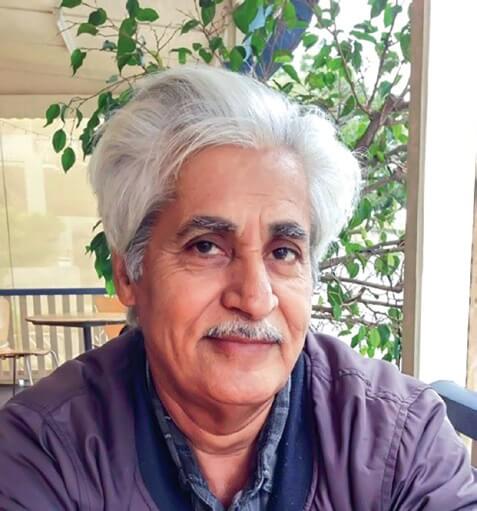
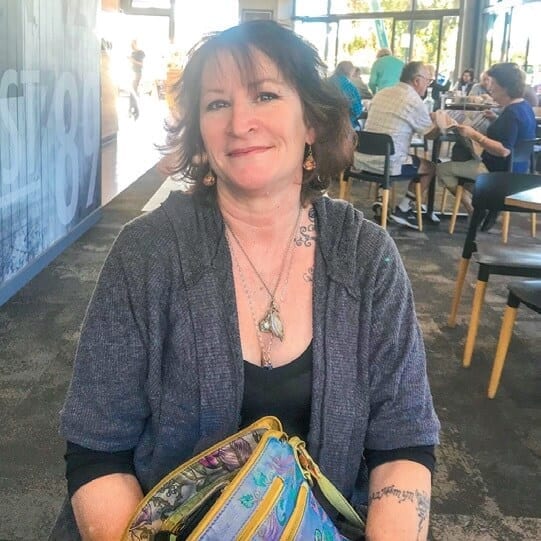
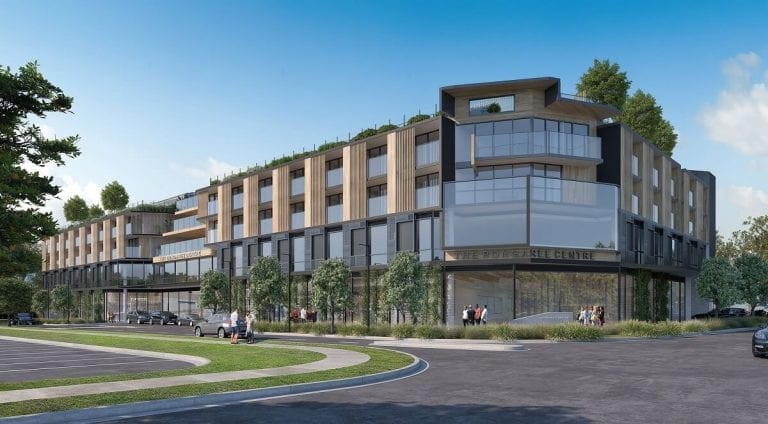
A new proposed multi-level Minor Accident/ Emergency Centre & Hospital for Bribie Island and nearby areas. Husband and wife Raahul and Arti Vaid are the Doctors making this happen with plans waiting for imminent council DA approval for a five-story building on lot 8 Bongaree Road, Bongaree. The Vaids realised the need for an Emergency Care facility and started to think and work on a plan of action for the last three years. After the birth of their first child Ishaan, the plan was put on the back burner but now there is great progress happening.

Proposed is a five-story building featuring ground floor minor accident and emergency services to start, with 6 active beds plus 4 more monitoring beds. The number of beds can be increased or decreased to suit demand along with radiology and pathology to support these services. A dental centre and a few shops for medical-related items only, a small convenience store for residents and visitors, along with a café to make this a one-stop-shop for visitors. Other rooms for consulting and the flexibility to expand or decrease, bearing in mind the hospital will not run at full capacity straight away.

The first floor will be initially a day hospital and progress to an overnight stay, facilities for specialists visiting rooms, Allied Health care centre, Rehabilitation centre and they are looking at services that are not available on Bribie or Caboolture, a dedicated conference room for training and general use. Levels 2 and 3 will comprise of 78 rooms for residential aged care, people that need advanced care unable to live independently, 34 of these rooms for couples to live together, not being split up between here and accommodation somewhere else and for use till the end of their days, the balance being for singles.

Dedicated on-site Doctor is being planned to be available during working hours to care for the residents & emergency downstairs would be available to them overnight, eventually. Level 4 is proposed as a childcare centre to help and facilitate the aged care in their later stages of life-giving them something to look forward to. Monitored interaction with the kids has been proven to reduce depression and dementia, it gives them a purpose in life when they wake up in the morning they know they are going to have something positive and interactive to do as the family cannot usually be around them all the time, thus reducing pressure off family members too.

Also, this unit allows mums to come back to work sooner as their baby can be accommodated here. Employment within the structure could be anywhere between 50 to 100 plus, taking into account the need for security, doctors, nurses, cleaners, support staff, the few shops and café as well as the aged care having day and night shifts. Depending on resources the ground floor emergency is proposed to open 24 hours a day gradually over time.

The residents have been positively commenting to the Vaids that this facility is long overdue, an accident on the bridge makes access almost impossible in an emergency. Once approval is granted there is a need for funding. Government services, local MP’s and other various grants and sources will be approached to make it viable and cost-effective for everyone to use and not exclusive for private use only.

Queensland Health service will benefit financially with services used from the mainland left available without the need to go back and forth. Ambulances will have their own area to come to the facility and go off from it and ED staff (A&E) available as well. Raahul and Arti came to Bribie in 2008 and fell in love with the place. Both doctors were born, brought up and received medical training in India, after serving as medical officers in the Army they migrated to Australia.

Raahul said “We came to Bribie and fell in love with it! We finally found our home and have ever since been living and practising here. We really appreciate the love and affection we have received from everyone here”.

Gloss Magazine Bribie Islander 15th Edition July 19 2019 Issue 92

Get all your community news and information. Bribie Islands only community gloss magazine NOW EVERY TWO WEEKS! – Articles on boating, camping, fishing, life, drama, travel destinations, sports and what to see and do on Bribie Island. Covering charities, organisations, places, children’s activities, arts and crafts, tourist destinations, heritage parks, technology, science, music, gardening and much more.

Download the high-resolution digital version here

History – SHAPING BRIBIE’S FUTURE IN 1920’S

Tags: History. Historical. Bribie Island. Queensland. Brisbane. Moreton Bay. Australia

Future Fishing

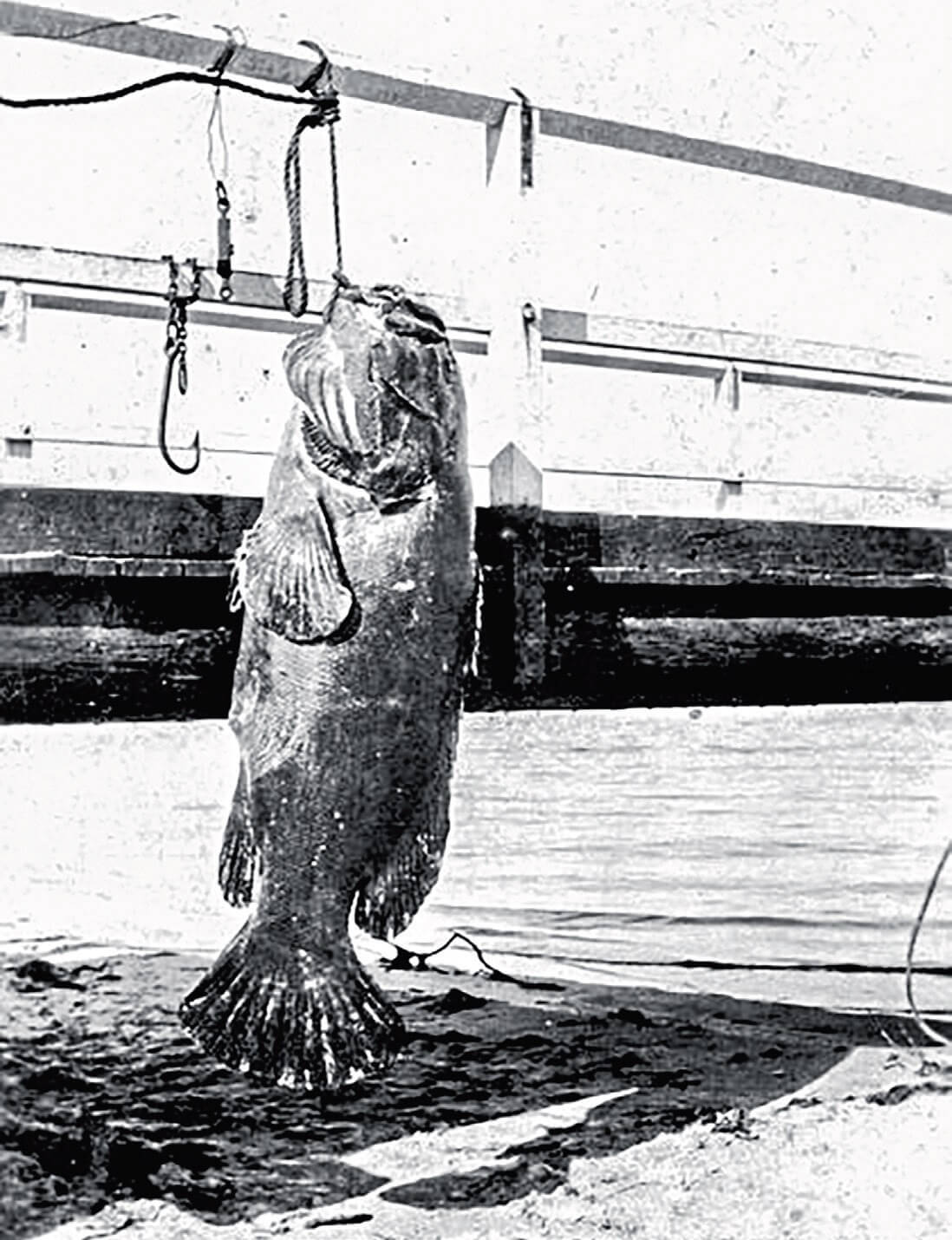
In the 1920’s people came in their thousands by Steamship to the peace and quiet of Bribie Island to camp and enjoy the extensive wildlife, and always get a good catch of fish. Much large fish were caught off the recently constructed Jetty at Bongaree, including many huge Groper weighting many hundreds of kilos.

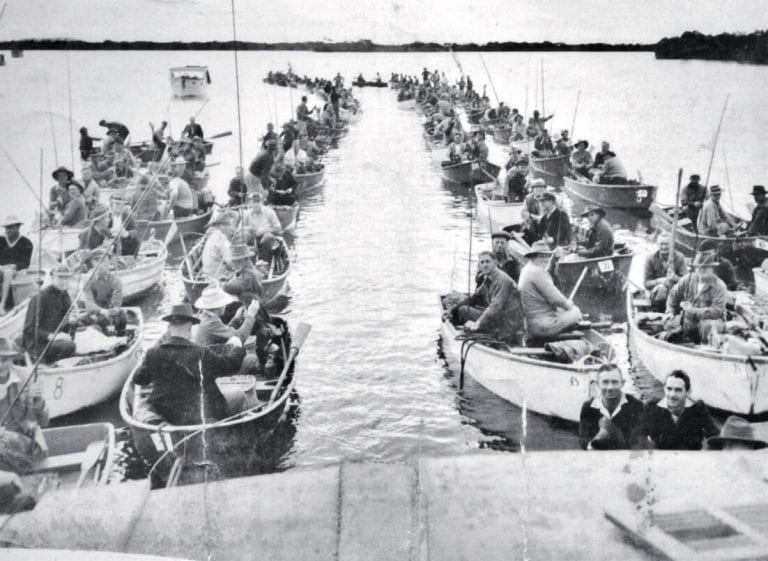
Featured Image(above): Fishing boats towed to the competition site

But even in these early days, 100 years ago, there was evidence and concern about the depletion of fish stocks in Moreton Bay. In May 1904 a crowd of over 100 concerned people attended a meeting in Brisbane chaired by Queensland’s Deputy Governor Sir Hugh Nelson. The Vice President of Brisbane Snapper Club said “It had been apparent to Anglers that fishing was not what it used to be.

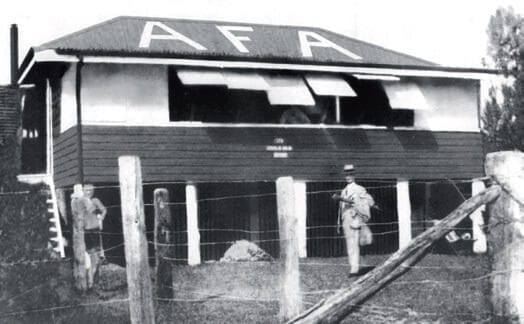
Years ago anglers could go out with a certainty of catching fish, but this was not the case now” This led in the formation of the Amateur Fisherman’s Association of Qld. (AFA) In 1925 AFA purchased waterfront land on the recently subdivided Esplanade on Bribie Island and constructed a small Cottage and Clubroom. The building is still there today and although there have been some renovations, it is still largely the same basic dormitory accommodation for AFA members.

The building was named the J.Douglas Ogilby Cottage to honour the Ichthyologist and honorary curator of their extensive collection of Fishing memorabilia, books, and specimen. Ogilby built up a large collection of fish specimens from the Bay which were preserved in glass spirit jars, and a selection of these can still be seen in the Seaside Museum today. In those years AFA Members were prominent politicians, public servants, and businessmen in Brisbane who came over on the Steamship Koopa most weekends and holidays to enjoy their shared sport.

History. Historical. Bribie Island. Queensland. Brisbane. Moreton Bay. Australia-1

Groper on Bribie Jetty 1922

Traveling in three-piece business suits, ties, and hats, straight from their offices, they disembarked and walked up to the cottage where they changed into old fishing clothes and emerged as Tom, Dick and Harry to merge with the holiday campers. Large Fishing Competitions were often conducted in the Bay and the Bribie AFA was regarded as the prime Fishing Club.

On occasions up to 60 small boats, laden with up to 150 fishermen and all their gear, were towed together out to a nominated location in the Bay for a competition. Life continued during the 1930s, ’40s, and ’50s but with the limitations brought by the Depression and WW2, and by the 1960’s the population of Bribie island had grown to about 700 people, with many of these being Brisbane based with holiday homes on beautiful Bribie.

The construction of the Bribie Bridge marked a significant change for residents and visitors to Bribie, but the Fishing and relaxed lifestyle remained a unique attraction, despite the influx of motor vehicles and commercial development. In 1963 when Bridge was built Mr. Joe Di Betta opened a new Café near the Jetty and offered to house the AFA fish collection to display for public viewing.

History. Historical. Bribie Island. Queensland. Brisbane. Moreton Bay. Australia-1

AFA Cottage 1925

This was enjoyed by many until the business was sold and collection of returned to AFA cottage to be stored in a garden shed. When I first viewed this extensive collection of bottled fish they had been virtually “boiling” in this shed for many years. When the new Seaside Museum opened a selection of the preserved Fish specimens in large glass jars was incorporated into the Museum display, and can still be seen today.

A ROAD to the OCEAN BEACH

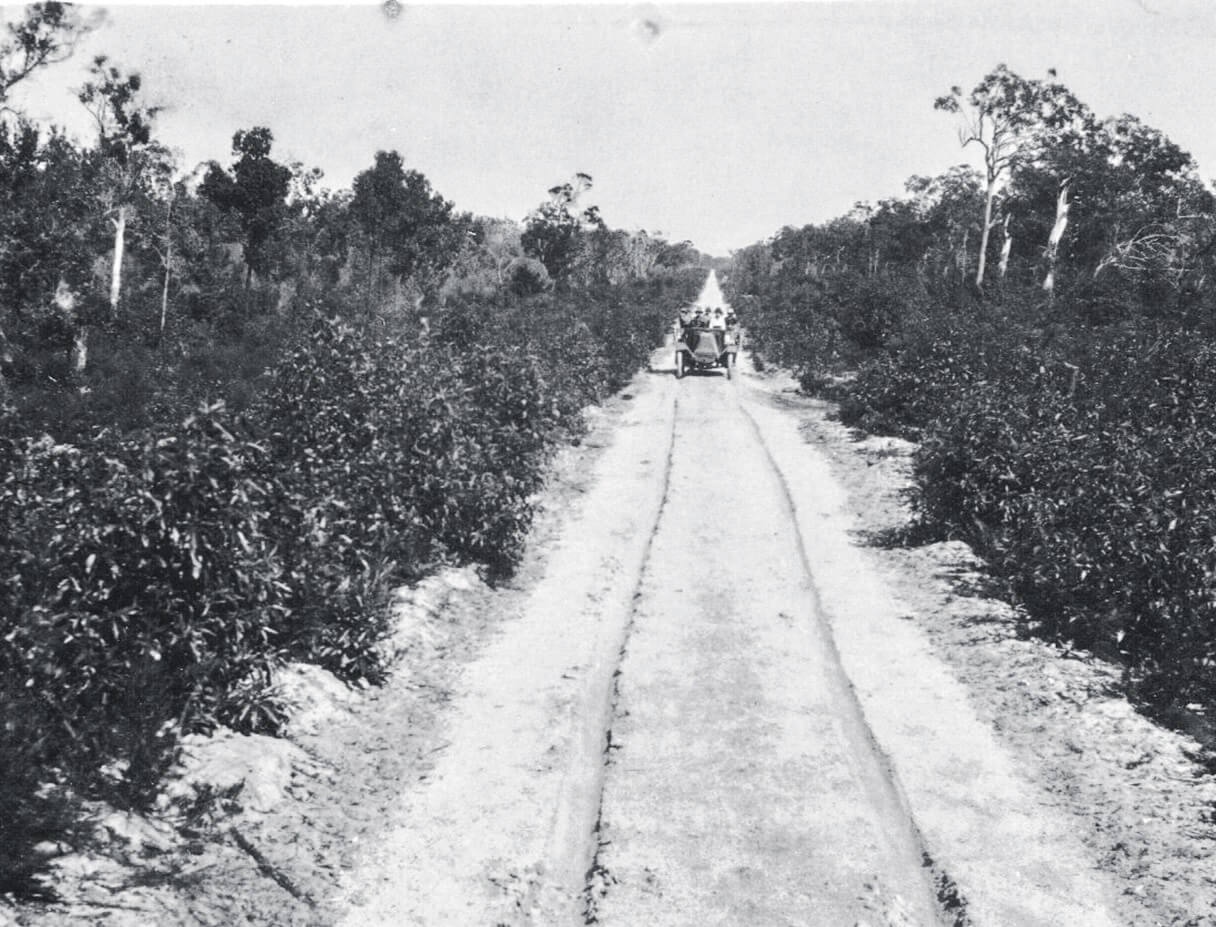
Bill Shirley served with the Australian Army Engineers in WW1 and after the war set up his own contracting business in Brisbane. In 1923 he was contracted to clear a bush track across Bribie Island from Bongaree Jetty to the Ocean beach for the first road to be constructed on the island. When the track had been cleared the Developer, the Brisbane Tug & Steamship Co. contracted Blake Bros. to construct the first basis road, and Bill Shirley was appointed Construction Supervisor and when completed became the Tollkeeper and operated a basic bus service.

History. Historical. Bribie Island. Queensland. Brisbane. Moreton Bay. Australia-1

First Road to Woorim 1924

Some Soldiers returning from overseas service in WW1 were allocated “Soldier settlement” blocks of land with a small cottage at Beerburrum, in the hope of scratching a living from the land trying to grow mostly Pineapples. This Government program proved to a nightmare for these families, trying to cope with unpredictable climate, rainfall, and unproductive soil, and within a few years they were abandoned and the people moved elsewhere. Several of the soldier settlement cottages were then relocated to Bribie Island where new subdivisions were being created following the new road being built to Woorim.

History. Historical. Bribie Island. Queensland. Brisbane. Moreton Bay. Australia-1

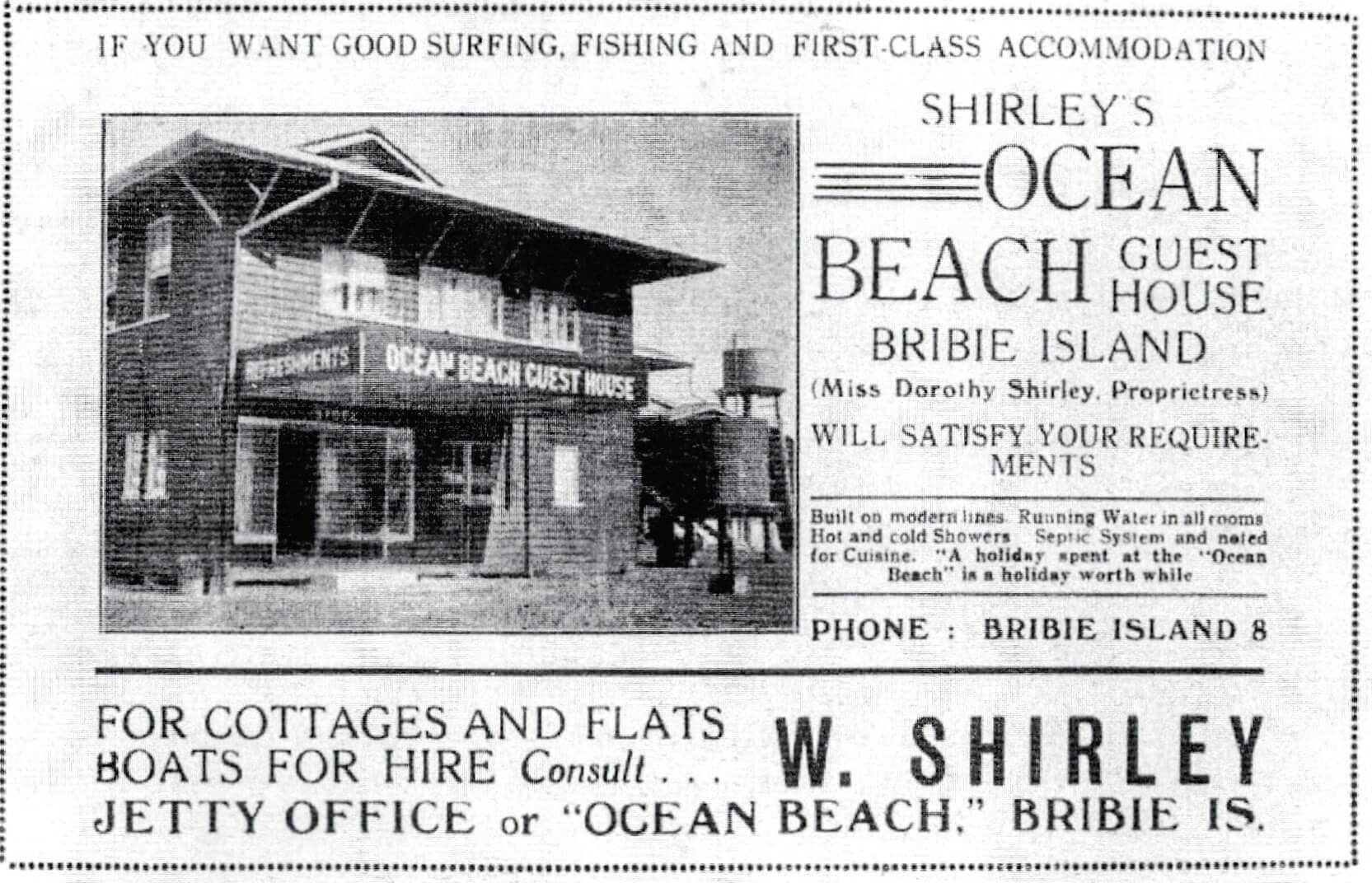
Ocean Beach Guest House Advert

Bill Shirley was contracted to build another basic access road behind the beach and North Street was created in 1927. His payment for this work was to give him a few cottages. Bill Shirley and his wife and family moved to Bribie and became involved in several business opportunities in this increasingly popular destination. He operated the Bus Service, cut timber for public construction, became a House & Land Agent and full-time representative of the Tug Co.

History. Historical. Bribie Island. Queensland. Brisbane. Moreton Bay. Australia-1

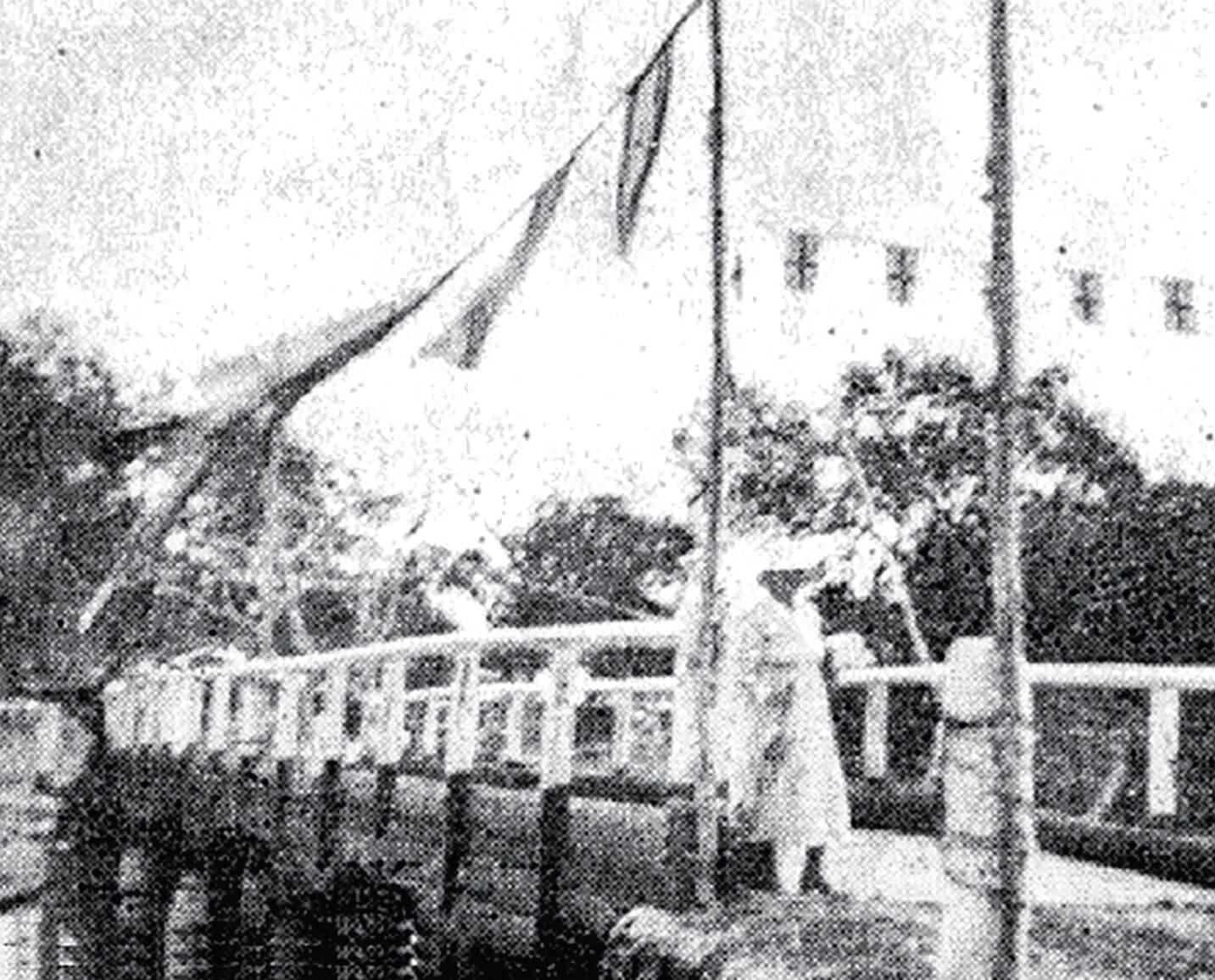
Shirley Creek Bridge opening 1935 

His family then became the proprietor of a large new timber Ocean Beach Guest House constructed behind the sand dunes near where the current Surf Club now stands. It became a popular holiday destination and during WW2 was occupied by the Military. Within a few years, the large sand dunes had started moving back and the beach erosion was significant, such that the complete two-story guest house building had to be moved back about 150 metres, and at the same time was extended and enlarged.

The building was completely destroyed by fire in 1947. By the 1930’s Bill Shirley as regarded was the unofficial Mayor of Bribie and was appointed the first Honorary Councillor representing Bribie Island on the Caboolture Shire Council. To attend the monthly Council meeting in Caboolture was a three day trip in those days before there were any roads anywhere near Bribie, and only accessible by water.

History. Historical. Bribie Island. Queensland. Brisbane. Moreton Bay. Australia-1

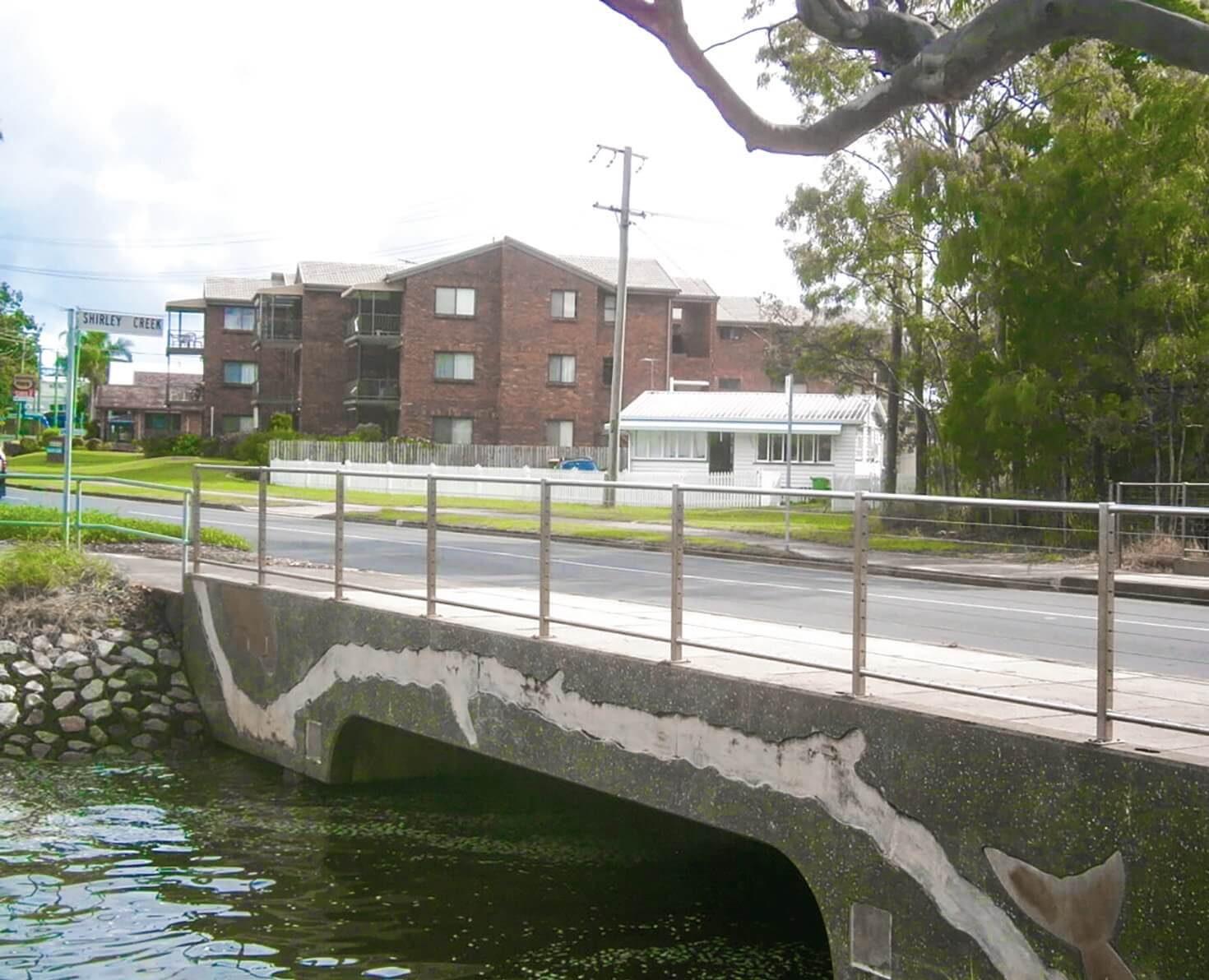
Shirley Creek Bridge today

Catching the long steamship trip to Brisbane, possibly staying overnight, catching the train to Caboolture, attending the meeting and then doing the whole thing in reverse with another overnight stay. Bill Shirley was one of the great pioneers in the development of Bribie and is remembered today with the name of Shirley Creek along the waterfront at Bongaree near the Caravan Park. This was the first item of Council Infrastructure constructed on Bribie Island, opened in 1935 thanks to the efforts of Bill.

MORE LOCAL HISTORY

The Historical Society has monthly public meetings at the RSL Club on the second Wednesday of each month commencing at 6:30 pm. with interesting guest speakers on a wide range of topics, and you can see many more photos and articles on our Blog Site at http://bribieislandhistory.blogspot.com or contact us on b[email protected].

Bribie Island – 100-YEAR MILESTONE FOR GIRL GUIDES

Tags: Bribie Island Girl Guides.

Girl Guides have been active on Bribie Island for 47 years, opening the doors at Webster Street in 1972. The girls and their volunteer leaders have been involved in lots of community activities. You’ve probably seen us along the beaches and waterways during Clean Up Australia day, in shop stalls and your neighbourhood selling biscuits, serving sausage sizzles and out and about in the community having fun.

In 2019, Girl Guides have reached a milestone 100 years of Guiding in Queensland and units across the state have been celebrating. Approximately 600 girls and leaders from all over Queensland will be coming together in July at Redland Bay to participate in the Trailblazers State Centenary Camp.

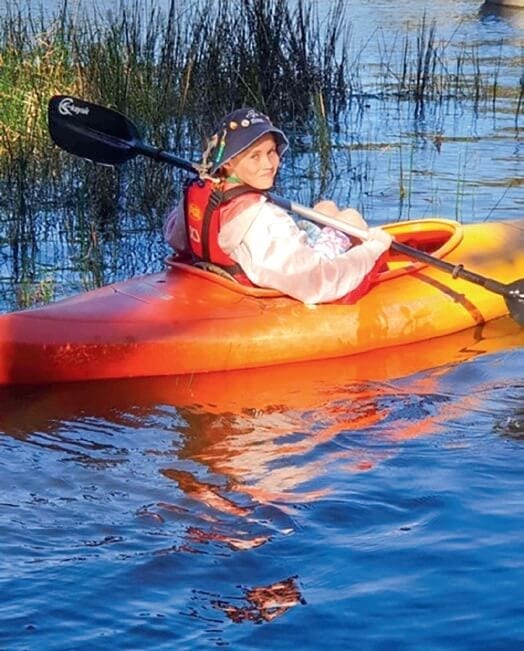
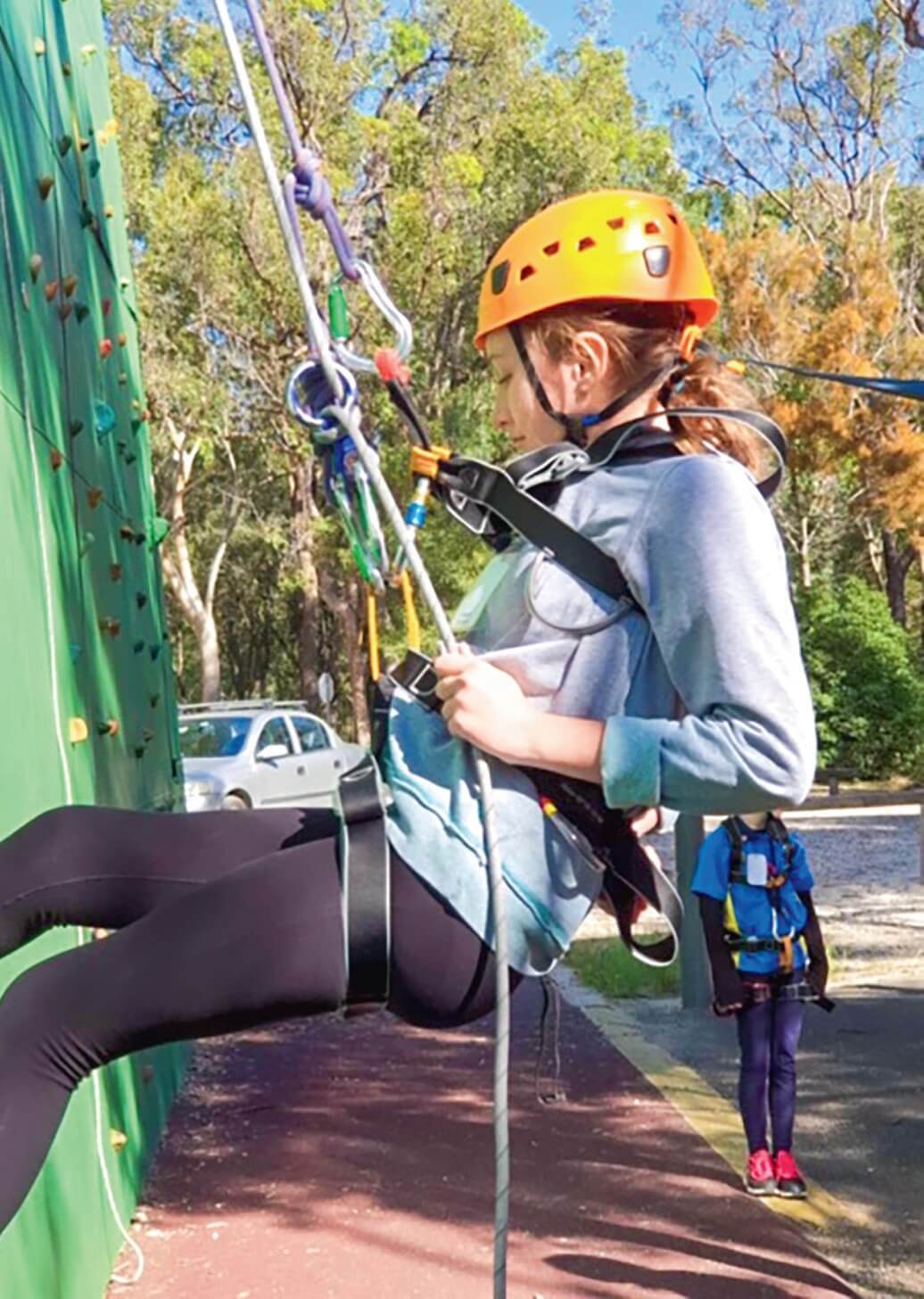
A weeklong outdoor camp where girls can try new and exciting activities such as abseiling, some high ropes elements, water activities, flying fox, music in the bush, heritage activities, wide games and many, many more. Once night falls there will be a disco, night games, campfire, and lots of surprises.

For Guides not able to attend the full week there will be a Fiesta Day. This will be one day for Guides and members of the general public to sample camp, participate in some of the activities and share the celebration. Members of the Andrew Petrie Region Girl Guides (which including Bribie Island Girl Guides) will be involved with both the week-long camp as well as joining in on Fiesta Day.

Bribie Girl Guides (girls aged from 7 to 17 years old) meet every Tuesday night during school terms from 6 pm to 8 pm. There are current vacancies and we’d love you to join in the fun and adventure. If you have any questions, would be interested in joining or hiring our hut for an event please email our Region team at [email protected]

FINDING BRIBIE ENDS COUPLE’S SEARCH

Tags: Retirement. Travel. Tourism destinations. Queensland. Moreton Bay.

Three years ago, my hubby Ian and I visited the Sunshine Coast region, from NSW, searching for a change, looking at over 50 resorts and parks, we came across Bribie Island and an over 50’s new resort being built in the best area we had seen to want to live. We took the plunge to be able to live in a wonderful environment, close to all amenities, yet far enough away to feel as if you are on holidays every day.

The caring and happy community on the island, the availability to pursue any interest you may have within the close proximity of your home, good transport options, with the lovely scenery to walk, ride your bike, peaceful environment close to water, what more could you ask for. My husband and I are retired and he is very much involved with lawn bowls and he very much enjoys being part of the Bribie Bowls Club who made us both feel very welcome from the first day.

I then thought I better try to find something for myself, so I ventured out to U3A, joined a couple of things, did some volunteering for a while, but still wanted more to use the old brain cells and my life experience to contribute to the wider community. As we live in a manufactured home resort, I eventually found the Manufactured Home Owners Association Inc. (MHOA) website, became a member and then a member of the management committee. I can work from home and attend a couple of meetings a year, and I became committed to working with MHOA.

The Association is a nonprofit, volunteer, state-wide organization developed to help prevent unfair treatment of manufactured homeowners. It is devoted to promote, advance, maintain and safeguard the combined and individual interests of manufactured homeowners throughout Queensland. With a bit of mentoring, (which continues, from the president Errol) I have immersed myself in the Manufactured Home (Residential Parks) Act 2003, working on raising the profile of MHOA.

We are continually lobbying State and Federal Governments on all manners of issues concerning members’ welfare and our members can receive free advice and support. I hope for many years to contribute to the Queensland community and live in this amazing place we now call home. How many people get to say, I live on an island, one of the best we think, Thanks Bribie. Rhonda and Ian Cooper.

History – Queensland LOOKING BACK 250 YEARS

Tags: Captain Cook. History. Historical events. Queensland. Australia

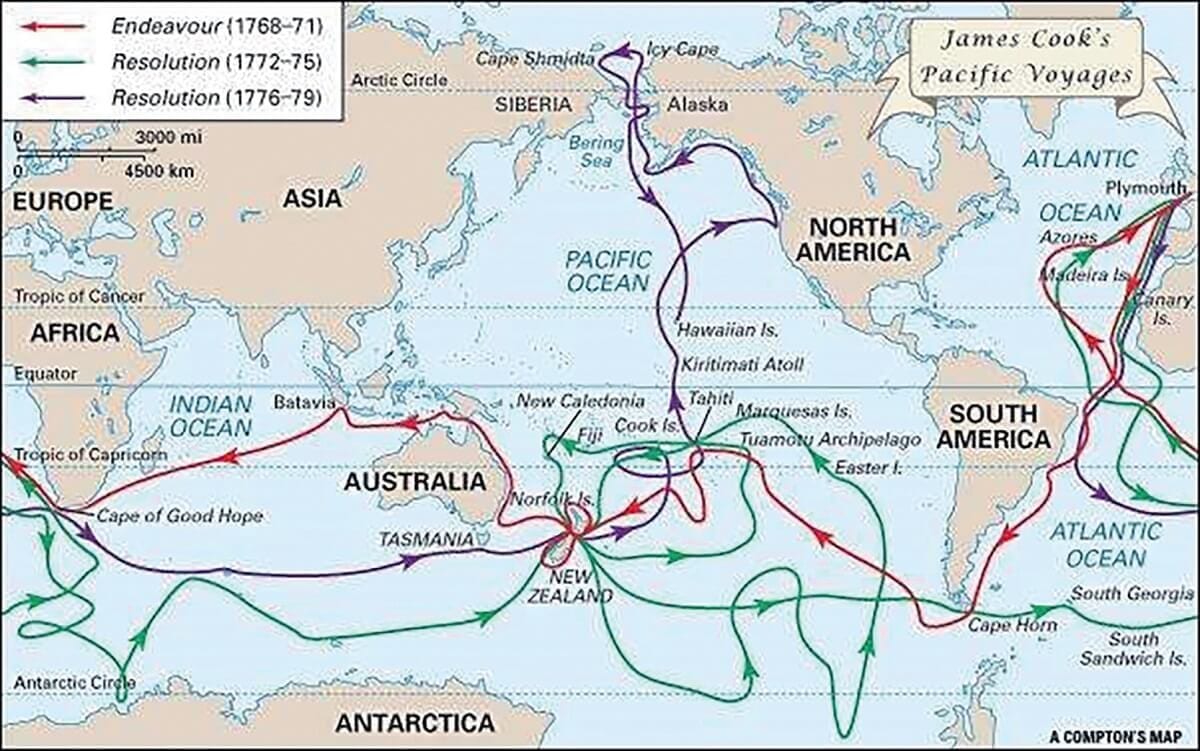
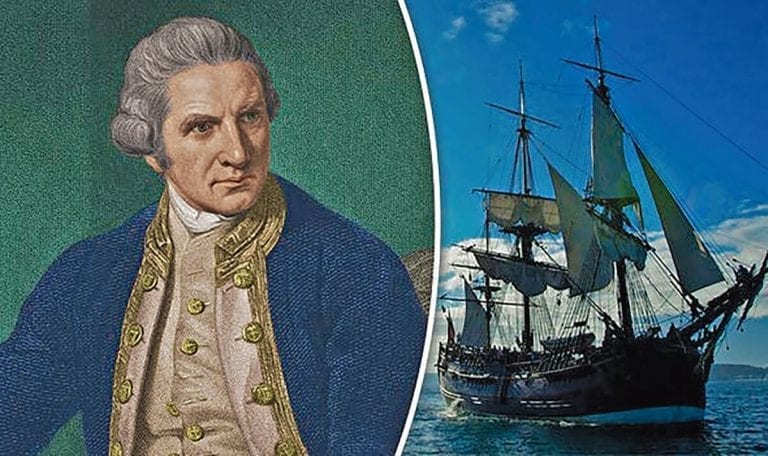
In a few months’ time, we will all be preparing for the start of the year 2020, which is the 250 year Anniversary of James Cook being the first to sail and claim the East Coast of Australia in the name of King George the Third in 1770. He sailed along the east coast of Australia, landing only three times, and naming several prominent landmarks including Cape Mor(e)ton and The Glasshouses, their distant shapes reminding him of Glass Factories in his distant homeland.

Cook and the crew of the Bark “Endeavour” had been sailing for nearly two years already, and they were well off the coast so did not actually see the Bay or any islands. Cook and naturalist, Joseph Banks had left England in 1769 to observe the “Transit of Venus” from the remote island of Tahiti and then went on to be the first to circumnavigate and map the entire coast of New Zealand, before continuing south-east and hitting Australia. James Cook is generally regarded as having “discovered” Australia in 1770, but several Dutch, French and Portuguese explorers had previously sailed and mapped much of the West, North and South coasts.

Able Tasman has charted parts of what he named Van Diemen’s Land (Tasmania) and New Zealand in 1643, which was 127 years earlier, but he did not know they were close to a much larger land mass. Frenchman Jean de Surville had also sailed quite close to the east coast of Australia a few months before Cook, and his crew reported being able to “smell land”, but they did not actually see it. De Surville and Cook also sailed almost within sight of each other at north New Zealand in December 1769, but again did not actually see each other in the vast expanse of Ocean.

Australia had come very close to being claimed by the French. After returning from his first voyage in 1771 Cook went on to conduct two more significant world explorations, for a total of eleven years. What a remarkable navigator, cartographer and ship’s Captain he was. On board the “Resolution” from 1772 to 1775 he explored vast areas of the south Pacific Ocean searching for almost two years, without success for what was thought to be a “Great South Land”.

He went in the “Resolution” again from 1776 to 1779 seeking a hoped-for North West Passage, around the top of North America to find a sea route to Europe. Unable to find a passage through the frozen north he returned to Hawaii where he was killed in an unfortunate incident with the natives. Returning from their first journey James Cook and Joseph Banks reported finding the coast of a new land (they called New South Wales).

The report of their brief landing at what they called “Botany Bay” in 1770 led to a decision 18 years later to send a “First Fleet” of 11 ships, laden with convicts to settle on the other side of the world. Australia was once again so very close to being French. When the First Fleet ships arrived in 1788, after 9 hard months of sailing uncharted waters, with such a difficult cargo, they arrived in the same week as Frenchman La Perouse and his two exploration ships.

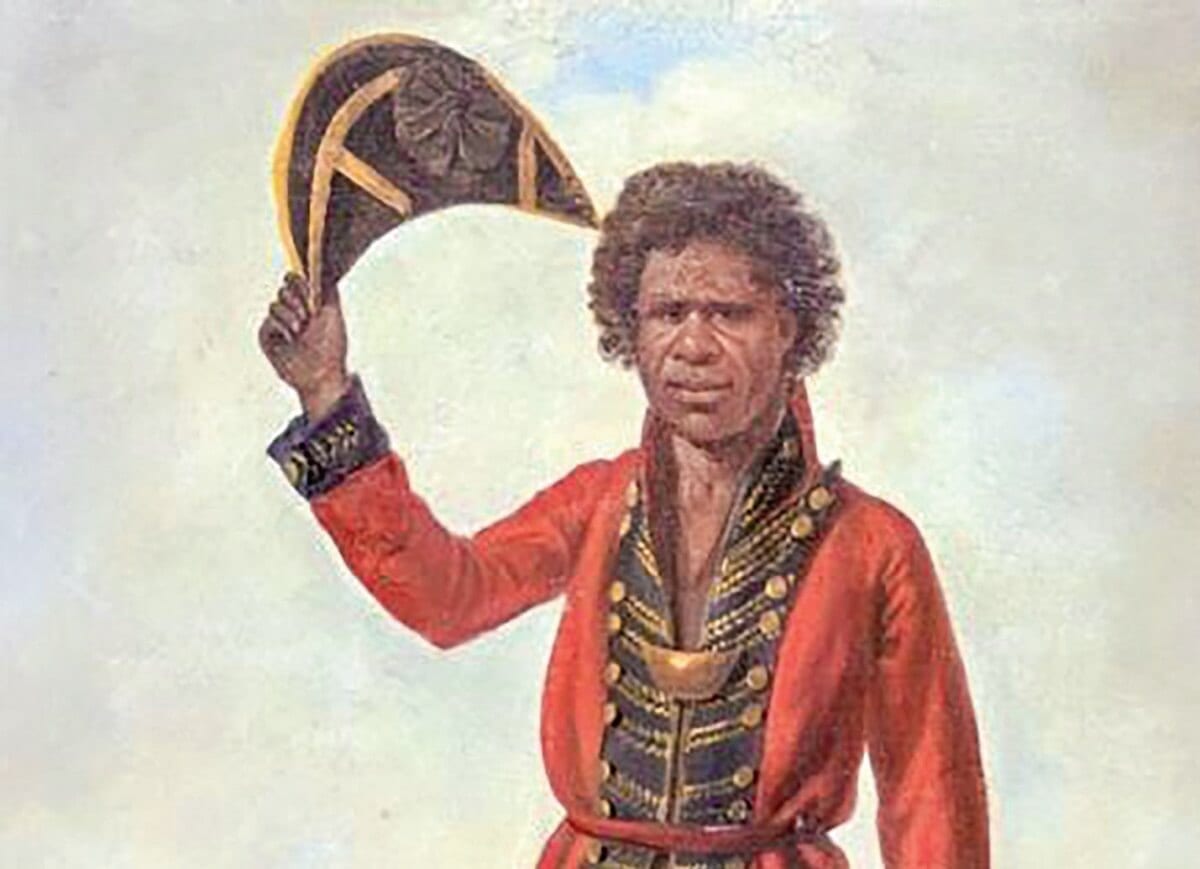
They stayed peacefully for a few weeks before La Perouse two ships sailed away. They were never seen again ….they simply disappeared off the face of the earth …..and despite subsequent searches by the French Government, no trace was ever found!! This year 2019 is the 220th Anniversary of the first white man to land on Bribie Island. When Matthew Flinders aboard the sloop “Norfolk”, with his aboriginal companion Bongaree were sent to explore Moreton Bay in 1799, just 11 years after the arrival of the First Fleet.

Flinders and his small crew were the first white men to set foot on what is now Bribie Island and climb a Glasshouse mountain. Flinders went on to be the first to sail right around this entire continent which was later named Australia.

The Colony of Queensland.

It would be another 60 years before Queensland was separated from NSW in 1859 to become a new Colony of the British Empire. In those 60 years, there were very few who came to this desolate Island. Within a hundred years of the first sighting of this coast by Captain Cook in 1770, the Aboriginal population of Moreton Bay had been reduced to just a few. This resulted in the establishment of Queensland’s first Aboriginal reserve being set up here at Whitepatch on Bribie Island 1877.

In 1891 Bribie Island was briefly visited by Archibald Meston, an Explorer, Author and Politician who made this now famous comment…… It is therefore quite remarkable that just 17 years later some Brisbane businessmen developed Bribie Island into Australia’s first Island holiday destination. In 1912 they built the Jetty at Bongaree, started Steamship trips, and saw Bribie develop as a destination for mass tourism. These remarkable boom years for Bribie Island were interrupted in the 1930s by the “Great Depression”, and soon after that came World War 2.

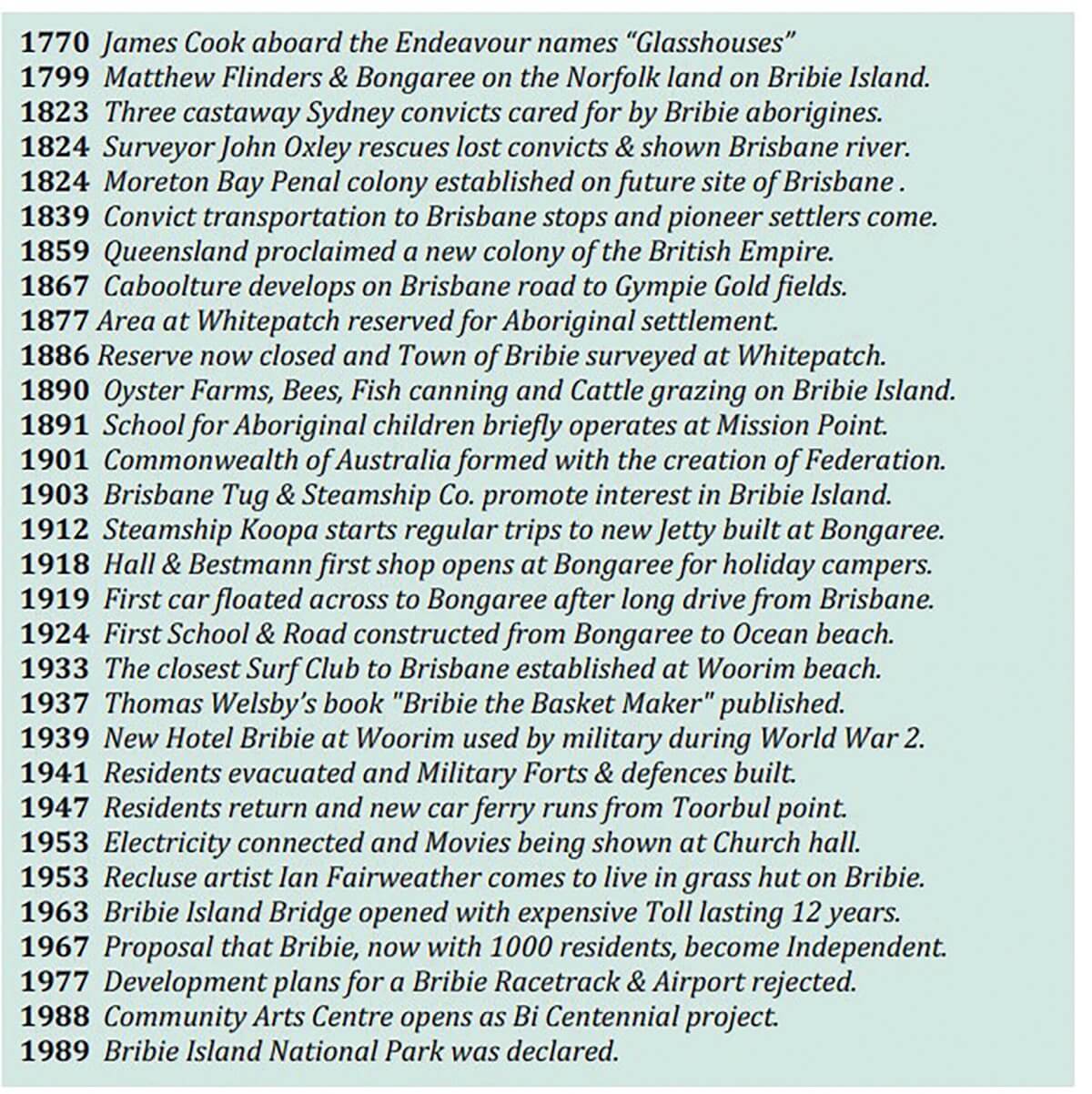
This led to great change as the Military moved in, and most residents were moved out. The “Steam Ship Excursion” trade resumed again after the War but by now the Motor Car was becoming popular, and people braved the dreadful roads to bring their car by barge to the Island. In 1963 a bridge was built and the Island was joined to mainland Australia. Looking back over those 250 years the Island has experienced many remarkable events, Here is an overview of some of the key dates and events in the History of Bribie Island.

MORE LOCAL HISTORY

The Historical Society has monthly public meetings at the RSL Club on the second Wednesday of each month commencing at 6:30 pm with interesting guest speakers on a wide range of topics, and you can see many more photos and articles on our Blog Site at http://bribieislandhistory.blogspot.com or contact us on [email protected]

Bribie Island Wildlife – GREY SHRIKE – THRUSH – COLLURICINCLA HARMONICA

0

Tags: Native wildlife. Birds. Bribie Island. Moreton Bay. Queensland. Australia

Grey Shrike-thrushes are moderately common on Bribie Island in forest areas and occasionally venture into suburbia. Their melodious call is often a signal that this rather plain bird is nearby. Throughout Australia, there are several variations with colouring differing slightly in each area. The birds we are likely to see on Bribie have a rather drab colouring with greyish brown backs and pale grey undersides.

Featured Image(above): Grey Shrike-thrush in bushland

Heads are thick and bills are black. There is not a lot of difference between male and female in our area except the females have more heavily streaked throats and breasts and the males have a white patch in front of the eye. They are 22-25 cm in length and weigh 70-84 g. Grey Shrike-thrushes have some of the most beautiful and varied calls in Australia. Also known as the Harmonious Thrush they have over a hundred clear, sharp and melodious songs.

In Australia, there are four species of Shrike-thrush with the Grey being the most widespread. The only other species we are likely to see on Bribie Island is the Little Shrike-thrush which is much smaller, a lovely rufous colour and a fairly common resident. Grey Shrike-thrushes can live in most parts of Australia and in very diverse habitats such as wooded coastal areas, tropical areas and arid areas of the interior where there are trees and water.

They are also found in PNG. Usually, they stay in pairs and remain in the same territory which is about 10 hectares for their entire lives. Grey Shrike-thrushes can become quite used to people and will often come into a garden for a drink of water or come to the balcony of a restaurant looking for handouts. A large variety of food is on the menu as they are omnivores which eat meat as well as vegetable matter. Invertebrates, small reptiles, frogs, mice, nestlings and eggs of other birds and sometimes seeds and fruit are just some of the items on their varied diet.

They usually feed on the ground, scratching around in the undergrowth and around rotting timber, but will feed in foliage in trees and under bark looking for insects and larvae. Breeding takes place from July to March or after rain in arid regions. Nest sites are well hidden and quite varied and may be built in shallow hollows in trees, in stumps, crevices on cliff faces and in logs on forest floors. Shrike-thrushes have even been known to nest in parks and in hanging pots in gardens. Nests are in the shape of bowls built of bark strips and lined with fine material found in the area.

Native wildlife. Birds. Bribie Island. Moreton Bay. Queensland. Australia (1)

Grey Shrike-thrush looking for a handout

Clutches of 2-4 creamy, blotched eggs are laid. Males help with the nest building, incubation of 17-18 days and tending the young. Nestlings fledge in about 17 days and there could be several clutches produced during the season if conditions are right. The same nest sites are sometimes used year after year. Parents generally stay together for life.

A common name amongst birdwatchers is GST (Grey Shrike-Thrush). They were given the scientific name Harmonica from the Latin meaning “skilled in music” and Colluricincla which is derived from two Greek words meaning “shrike”. Oddly enough they are neither Shrikes nor Thrushes but were called “Shrikes” because of their predatory bills and “Thrushes” after the melodious Thrushes of Europe. They belong to the same family as the Whistlers and Shrike-tits and were studied and cataloged by John Latham in 1802.

John Latham contributed largely to our early ornithology knowledge and first documented many of the birds in the late 1700s and early 1800s. They are often attacked by other birds because of their tendency to raid nests for eggs and chicks. Because they feed mainly on the ground their main threats are from cats, dogs, and foxes.

Feral cats are a huge problem in Australia with an estimated 6.3 million occupying our wild and suburban areas. If one cat eats one bird each day that is over six million birds eaten every day in the wild and if it were only half that number, it is still an enormous daily loss of wildlife. This is a huge problem for the bird and small mammal world. Grey Shrike-thrushes conservation status is secure but in some areas, they appear to be on the decline.

MATTHEW FLINDERS ART PRIZE 2019 Gallery – Starts July 20th

0

Tags: art gallery, Matthew Flinders, artist, artwork, Bribie Island. Moreton Bay. Brisbane

Excitement is building for the opening of this year’s Matthew Flinders Art Prize. Now in its 21st year, the Matthew Flinders Art Prize honours artists of all mediums and showcases the wonderful Bribie Island Community Arts Centre where it is housed. The Arts Centre, built in 1988 in Banksia Beach, had the splendid Matthew Flinders Gallery added in 1999.

The same year, in tribute to Bribie Island’s intrepid discoverer/ explorer, an annual art competition/exhibition began in his namesake gallery. The MFAP has been a focal point for creatives and the art-loving community on Bribie Island and the surrounding region, eagerly anticipated and joined and a launch point for several successful artists over the years. Initially drawing local Bribie artists who worked, shared and honed their craft at the Arts Centre, it has grown and spread its range to artists from all over south-east Queensland and beyond.

This expansion has been helped significantly by generous local sponsors and supporters. This year, the sponsors are; Hans Electrical, Bribie RSL, Waterways Motel, Gem Life, Moreton Bay Regional Council, Traditional Funerals, Ireland Flooring, Victory Press, Mitre 10 Bribie, italkTravel & Cruise, Simone Wilson MP for Pumicestone. In keeping with the event’s growth and enhanced status within the arts community, it has done away with categories and is now an open competition.

In recent years, major prize winners have been a painter – and also a sculptor and photographers. Prize money totals $8500. First prize is $5000, second prize $2000 and there are two $500 Highly Commended awards. There is also a $500 People’s Choice prize. This year’s entries which will be judged and hung on July 15 -18 promise an outstanding exhibition, says organising committee chairman, Stephanie White.

Bribie Island Community Arts Society members and friends look forward to the 2019 event with excitement to the opening on July 19. The MFAP runs July 20 until August 9 at Bribie Island Community Arts Centre 191 Sunderland Drive Banksia Beach. Hours Tuesday to Sunday 10 am – 4 pm. MFAP Opening Nights tickets are $10 each. Book yours on 3408 9288, but be quick as numbers are limited. Don’t miss it – and vote for your favourite.

Gloss Magazine Bribie Islander 14th Edition July 5 2019 Issue 91

Get all your community news and information. Bribie Islands only community gloss magazine NOW EVERY TWO WEEKS! – Articles on boating, camping, fishing, life, drama, travel destinations, sports and what to see and do on Bribie Island. Covering charities, organisations, places, children’s activities, arts and crafts, tourist destinations, heritage parks, technology, science, music, gardening and much more.

Download the high-resolution digital version here

PREPARATION KEY TO EMERGENCY RESPONSE

Tags: Bribie Island Emergency Services

When disaster strikes, either by natural or man-made means, it is what happens immediately after the initial event that sets the scene for the effectiveness of any response. Bribie Islanders have been blessed that we have not had to deal with that many major incidents over the years.

Those that we have had, such as the bush fires and brush with cyclone OMA earlier this year were dealt with very effectively by our emergency services teams on the ground, in the air and on the water. The Bribie Islander recently caught up with another milestone in the protection of our beautiful island and the surrounding region with the local sign off by each emergency services person responsible for working together on any future combined emergency response that affects our region.

The occasion that brought all the key players together was the signing of the recently reviewed and updated Bribie Island Emergency Services Multi-Agency Response Plan. This is the critical planning document that underpins any coordinated emergency response to an incident that happens on the island where more than one emergency service is required. Queensland Fire and Emergency Services Station Officer Bribie Island Wayne Brown said that the document is a practical working guide that has been reviewed and updated to ensure the correct resources are employed in any given emergency across a number of different emergency service areas.

The Bribie Island Emergency Services Multi-Agency Response Plan document has been signed off by members of the Bribie Island Emergency Management Group. The attending group was comprised of Queensland Fire and Emergency Services Station Officer Bribie Island Wayne Brown, Queensland Police Service Officer In Charge Bribie Island Senior Sergeant Lyndal Wiggins, Queensland Ambulance Service Officer In Charge Bribie Island Jarred Thorne, Qld Parks & Wildlife Services Officer In Charge Bribie Island Brendan McLarty and Cheryn Kelly, VMRBI Vice Commodore Ces Luscombe VMRBI Secretary Gary Voss.

Given the often challenging nature of responding to emergencies in the off-road area, (around 86 percent of the island is made up of environmental and national marine parks) the BIEMG meets regularly and conducts exercises to prepare for real-life emergencies should they occur. Wayne said that later in the year it is planned that all agencies will join together during an exercise to simulate a disaster situation. The exercise will allow the group to utilise their specific skills to respond, practice and refine their disaster training recovery techniques.

Wayne said that these exercises are very important to ensure that our local emergency services agencies are well prepared to respond to incidents in the Bribie Island area. Bribie residents and business owners should take comfort in our local emergency services preparedness to respond to any disaster that comes our way.

THE ART OF RUNNING BY LORNA GROVES

0

Tags: Bribie Island Art. Art Gallery. Artist. Artwork. Brisbane. Moreton Bay.

No, not that sort of running, but making the paint run onto a canvas in extraordinary ways. And I’m not giving too much away about the art of our Artist of the Month for July on the wall at the Bribie Community Arts Centre. Mostly because I don’t know much about it. However I did look it up to find there’s little more satisfying than using fluid art, liquid art, or acrylic pouring as it is variously called, to create abstract masterpieces by letting pigment run amok. This form of abstract art uses acrylics with a runny consistency to create psychedelic paintings.

There are endless possibilities and different ways, I learned, to combine the paint before spilling it across a surface. And it is why Lorna has called her exhibition Fluidity. Lorna Groves was very excited upon first seeing fluid art, and knew immediately it was the type of art she wanted to pursue, having always preferred abstractions. She can also be found lately enjoying another fluid medium – watercolours, with the U3A class. South African born and raised, Lorna has proudly called Bribie home for 30 years. Arriving on our continent in 1974 on a work visa and job transfer, she knew no one in Australia and was unimpressed at a job downgrade.

But with an attitude change, she decided the world was her oyster and never looked back. Always having an appreciation for the creative arts, eight years ago Lorna joined a U3A art class ‘to give it a go’. A decision was made that her family would see as many travelling art exhibitions as possible. So as part of their education, Lorna ensured her children were thoroughly immersed in the art world as she enjoyed every exhibition they could visit. Lorna’s son lives in Oslo, Norway, but I am absolutely certain it is not to avoid being dragged to art shows by his mother!

For Oslo has what must be the most inspiring sculpture garden in the world. There is no way to get away from art there. Oh to have a mother who appreciates art as does this lady. The exhibition will be on the wall at the Arts Centre, 191 Sunderland Drive, Banksia Beach, throughout the month with Lorna’s Artist of the Month talk on Friday 12 July. Morning tea will be served afterwards. Bookings for catering purposes can be made by ringing 3408 9288.

Troon Family Golf Day

Have you got anything planned this school holidays? Pacific Harbour Golf and Country Club are hosting a Troon Family Golf Day and inviting parents, grandparents or guardians to pair up with their little ones to play a round of golf (2 person Ambrose format). The Ambrose format is popular as it allows all standards of golfers to mix and play together with equal enjoyment irrespective of ability. It also helps to promote teamwork. No prior experience needed and handicaps will be provided on the day.

When: 11.30am-2.30pm, Thursday, 11 July 2019
Where: Pacific Harbour Golf and Country Club, 141-159 Avon Ave, Banksia Beach

What you need to know: Bookings are essential (07) 3410 4011, $15 per team of 2 to play which includes a cart!

https://www.facebook.com/events/503890543692440/

Somebody Tell The Pelicans

By Richard Whetlor
As I drove over the bridge this morning to The Bribie Islander office I noticed a pelican defying all odds as it wobbled trying to secure it’s footing on one of the first few lamposts which have the new LED lights and anti pelican bars to stop them pooping on the lights and causing damage. As you may already know the transport minister for main roads Mark Bailey has done a wonderful job by agreeing to install the old lights on five of the 13 or so lamposts as a solution.

Well, guess what? As I was driving over the bridge thinking about that pelican and taking in the beautiful scenery the Bribie bridge view has to offer I spotted them, the new pelican perches are here YAY! All five of them.

Good work and well done to everybody that has got involved in the pelican movement to bring the pelicans back to the Bribie bridge street lights!!
Funny seeing the pelican on the lampost without the new perch though! We need to let the pelicans know :0)