
Issue 154 OUT NOW. Get all your community news and information. Bribie Islands only community gloss magazine NOW EVERY TWO WEEKS! – Articles on boating, camping, fishing, life, drama, travel destinations, sports and what to see and do on Bribie Island. Covering charities, organisations, places, children’s activities, arts and crafts, tourist destinations, heritage parks, technology, science, music, gardening, and much more.
The Bribie Islander Gloss Magazine November 19, 2021 Issue 153

Issue 153 OUT NOW. Get all your community news and information. Bribie Islands only community gloss magazine NOW EVERY TWO WEEKS! – Articles on boating, camping, fishing, life, drama, travel destinations, sports and what to see and do on Bribie Island. Covering charities, organisations, places, children’s activities, arts and crafts, tourist destinations, heritage parks, technology, science, music, gardening, and much more.
The Bribie Islander Gloss Magazine November 5, 2021 Issue 152

Issue 152 OUT NOW. Get all your community news and information. Bribie Islands only community gloss magazine NOW EVERY TWO WEEKS! – Articles on boating, camping, fishing, life, drama, travel destinations, sports and what to see and do on Bribie Island. Covering charities, organisations, places, children’s activities, arts and crafts, tourist destinations, heritage parks, technology, science, music, gardening, and much more.
The Bribie Islander Gloss Magazine October 22, 2021 Issue 151

Issue 151 OUT NOW. Get all your community news and information. Bribie Islands only community gloss magazine NOW EVERY TWO WEEKS! – Articles on boating, camping, fishing, life, drama, travel destinations, sports and what to see and do on Bribie Island. Covering charities, organisations, places, children’s activities, arts and crafts, tourist destinations, heritage parks, technology, science, music, gardening, and much more.
The Bribie Islander Gloss Magazine October 8, 2021 Issue 150

Issue 150 OUT NOW. Get all your community news and information. Bribie Islands only community gloss magazine NOW EVERY TWO WEEKS! – Articles on boating, camping, fishing, life, drama, travel destinations, sports and what to see and do on Bribie Island. Covering charities, organisations, places, children’s activities, arts and crafts, tourist destinations, heritage parks, technology, science, music, gardening, and much more.
The Bribie Islander Gloss Magazine September 24, 2021 Issue 149

Issue 149 OUT NOW. Get all your community news and information. Bribie Islands only community gloss magazine NOW EVERY TWO WEEKS! – Articles on boating, camping, fishing, life, drama, travel destinations, sports and what to see and do on Bribie Island. Covering charities, organisations, places, children’s activities, arts and crafts, tourist destinations, heritage parks, technology, science, music, gardening, and much more.
The Bribie Islander Gloss Magazine September 10, 2021 Issue 148

Issue 148 OUT NOW. Get all your community news and information. Bribie Islands only community gloss magazine NOW EVERY TWO WEEKS! – Articles on boating, camping, fishing, life, drama, travel destinations, sports and what to see and do on Bribie Island. Covering charities, organisations, places, children’s activities, arts and crafts, tourist destinations, heritage parks, technology, science, music, gardening, and much more.
MELSA TRAIN PARK SAY THANK YOU…

We enjoyed a fun filled celebration to thank the numerous community members and local businesses who have supported the Club in our rebuild project. Many of our Members attended and those who couldn’t attend were sincerely missed.
Cherrie and her team Michele & Deb from the Bribie Islander & Districts Magazine organized savouries, wine & soft drink while Rosies supplied a seafood and chicken feast that was truly wonderful. Certificates of Appreciation were awarded to community members and local businesses for their support. We will be getting the rest of the certificates out to the businesses in the next few days.
I was blindsided by the presentation of a plaque that was beautifully made and donated by the Bribie Woodies for my rebuilding efforts which was very embarrassing given that so many other members have been putting in hard yards as well. Thank you so much for the honour. We truly wish to thank everyone who was a part of this rebuild, no words can express how much it has meant to us all.
Best wishes,
Les Young
FOOD INTOLERANCE

Food intolerance is a broad term that is used to describe a wide range of adverse reactions to foods that cause symptoms after eating some foods. These include stomach pain, bloating, gas/flatulence, diarrhoea, irritable bowel syndrome (IBS), rashes, hives (urticaria), recurrent mouth ulcers or headaches. If food intolerances are not properly managed, these symptoms can adversely affect general health and wellbeing.
Food intolerances are sometimes confused with, or mislabeled as food allergies. Food intolerances involve the digestive system, whilst food allergies involve the immune system. Unlike Immunoglobulin E (IgE) antibody mediated food allergy, food intolerances (except for sulphite and benzoate reactions) do not cause anaphylaxis (severe allergic reactions), that can be life threatening.
Non-IgE mediated food allergies are sometimes called food intolerances, however these conditions involve the immune system, so they are different to food intolerances that do not involve the immune system. Natural substances in foods can cause food intolerances.
Foods are composed of proteins, carbohydrates, fats, various nutrients and several natural chemicals. These following naturally occurring substances often add flavour and smell to food but they can trigger symptoms in some people.
• Lactose intolerance is an example of an enzyme deficiency, which occurs when people are born with, or develop, insufficient lactase enzymes to digest lactose in cow’s milk and other dairy products. This can result in bloating, gas/flatulence, stomach upset and diarrhoea after having dairy products. This condition is uncomfortable but not dangerous and does not cause rashes or anaphylaxis. Diagnosis is by temporary elimination of lactose and reintroduction.
• Monosodium glutamate (MSG, additive numbers 621 and 625) was originally isolated from seaweed in 1908 by a Japanese chemist. Glutamates also occur naturally in such foods as camembert cheese, Parmesan cheese, tomatoes, soy sauce and mushrooms. MSG stimulates nerve endings, which may be why it is used as a flavour enhancer when it is added to food.
• Vasoactive amines such as tyramine, serotonin and histamine are well known triggers of migraines in some people. They are present naturally in pineapples, bananas, baked meat, vegetables, red wine, wood-matured white wine, avocados, chocolate, citrus fruits and mature cheese. Amines can act directly on small blood vessels to expand their capacity. This may be why they can trigger flushing, migraines and nasal congestion in some people.
• Salicylates are natural aspirin like compounds that are present in a wide variety of herbs, spices as well as fruit and vegetables. Reactions to salicylates may be even more common than reactions to artificial colours and preservatives. Aspirin can trigger hives by acting directly on skin mast cells, and therefore salicylates can also worsen hives in some people. • Toxins can cause severe symptoms. Contamination of food with microorganisms (such as bacteria) or their products (due to spoilage) can cause food poisoning due to toxins. For example, if some types of fish are stored poorly, their gut bacteria can convert histidine to histamine, resulting in allergy like symptoms.
• Irritants. Caffeine and curry are gut irritants that can trigger indigestion in some people. It is important to realise that reactions to these substances are not due to allergy.
DIAGNOSIS OF FOOD INTOLERANCES
Food intolerances can often be difficult to diagnose. Some substances within foods, and the quantity (dose) of foods eaten, can increase the frequency and severity of symptoms. These include stomach pain, bloating, gas/ flatulence, diarrhoea, IBS, rashes, hives or headaches, Diagnosis of adverse reactions to foods should be based on clinical history, response to treatment and testing. Skin prick tests or blood tests for allergen specific IgE are negative for food intolerances.
However, they are useful if the history suggests that food allergy (as opposed to intolerance), is the problem.
THE BEST APPROACH IS TO FIRST SEE YOUR DOCTOR TO:
• Make a diagnosis, such as migraine headaches, hives, IBS, recurrent mouth ulcers.
• Check for other conditions that may be causing symptoms.
• Determine if diet or other factors play a role in causing symptoms.
• Identify individual triggers to be avoided. Management of food intolerances may involve elimination diets Once a diagnosis is made, a clinical history may help identify the role of diet or other factors that make symptoms worse. The only reliable way to determine if diet is playing a role is by people being placed on a temporary elimination diet, under the supervision of a dietitian and medical practitioner.
If removing the food from the diet helps, this is followed by challenges under controlled conditions to identify food triggers which may need to be avoided in the future.
It is important that elimination diets are temporary, so they should only be undertaken for a short term trial period, under strict medical supervision, as a diagnostic tool. Prolonged restricted diets can lead to problems with adequate nutrition, particularly in children.
It is important to note that low salicylate and low amine diets should not be used for investigation of food intolerance until other potential causes for reactions are explored. Next edition we will discuss other adverse reactions to food.
Chicken Enchilada Cake
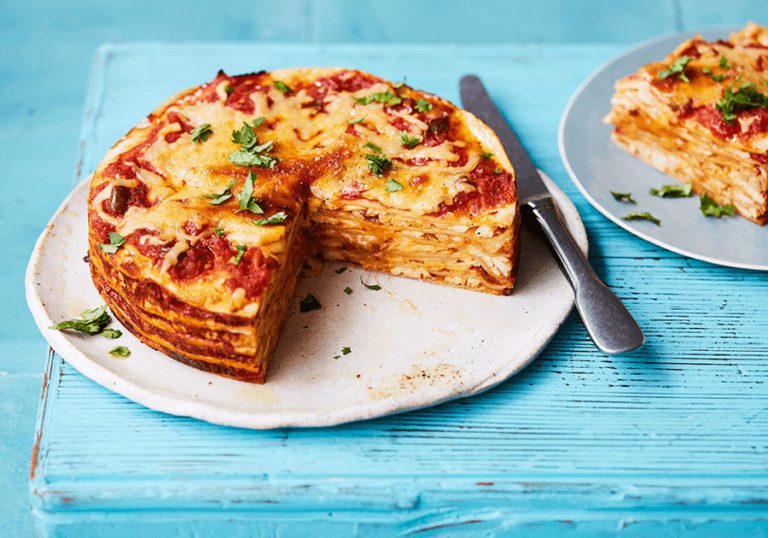
INGREDIENTS
Mission Wraps 8 pack
450g Jar Enchilada or salsa sauce
2 cups of shredded roast chicken
150g Mozzarella cheese grated
METHOD
PREHEAT OVEN TO 180 DEGREES CELSIUS
Line a 20cm cake tin with baking paper
Lay a tortilla on the base
Layer in this order: Tortilla, salsa, chicken, cheese
Continue layering until all ingredients are used
End with a tortilla, spread over salsa and sprinkle with cheese
Bake until cheese is completely melted and the sauce is bubbling (about 30 Min)
Remove from oven, rest for 10 mins, sprinkle chopped coriander to serve
Fishing Report – August 15, 2021
OUR WEEKENDS ARE BEING BLOWN AWAY LATELY, AND IT’S AFFECTING THE FISHING REPORT!
Weekdays have often been typical winter weather – dewy nights and comfortable, clear fishing days, with only light breezes. The temperatures have been a little above average (even night-time temperatures, believe it or not!). Most of the weekend breezes have come from the west, which can play havoc with the fishing, just when we want to get the fishing rods out! Fortunately, there has still been plenty of action over the past few weeks.
I said last month that July is often the month that the big flathead fishing takes off, and luckily, I was right! Good catches of flathead have been common right through the Passage, especially north of the bridge. The beautiful, clear water over winter can make bait fishing tricky with them but hardbodied lures and live yabbies or baitfish have been doing ok, as has squid. Ningi Creek has been a good place to try for flathead. Fishability Qld Men’s Group brought in two 50cm duskies and 42cm bar-tail from their favourite spot, just north of the entrance marker. Another day, Paul and his son scored a couple of biggies near the yellow marker, and Lyn got a 52cm dusky from not far away. Sarah and her mates kept five of them over 40cm and one bar-tail that was 43cm.
Elimbah and Bullock Creek mouths, as well as Lime Pocket, have been other places to go for the flathead – that’s where Ryan went, using mullet gut to catch big bream, big flathead, and a mud crab as well.
The consensus is that squid has been the most successful flathead bait, although a fair share of the good-sized flathead has been caught on mullet gut. Talking of squid, there are plenty of them in the Passage right now. King and John used a small squid jig and a sinker (to counteract the fast tide) to catch four very big squid. Paul tells me he’s been squidding in the lock-canals and getting loads of them. Daryl wished he’d brought his squid jig with him when he was fishing for mackerel at Banksia Beach, because “they were everywhere I looked!”.
Daryl did well enough with the mackerel, though. He had seen a big school of baitfish and the school mackerel chasing them, so he cast out a nice, shiny spinner lure and straightup had a couple of 35cm beauties. Having a berley bucket out has been another way to get to the mackerel – the baitfish have been coming over to the berley, milling around, then ZOOM! – in come the mackerel.
Also chasing after all these baitfish are the little black cormorants. At this time of year, they gather up in squadrons – a dozen, thirty; I once saw a big group of more than 50! They push schools of baitfish into tight balls or up against a barrier. Then they go crazy, diving and coming up with a fish, quickly swallowing it then diving down again. Great fun to watch!
Whiting has been showing all along the yabby-banks of Banksia Beach, and live yabbies have been the best way to go for them. A couple of local blokes took their boat out in the afternoon last weekend, after the wind settled to the south cardinal. It didn’t take them long at all to get a good feed of whiting, using live worms.
There has been the occasional nice snapper hooked up over the past fortnight, some around the bridge, more of them at the ripples – of course, they were all thrown back. Josh and Misty were disappointed – their first catch of the day was a 40+ cm snapper (bridge, pillies), which went back in; then every catch for the rest of the fishing trip was pike! From August 16th, we can start keeping the snapper again – hopefully, the big ones will still be waiting for us!
Crabbing has been pretty successful lately. Brent has been putting out pots fairly regularly, usually near Turner’s Camp, and has brought home crabs every time, some of them around 15-18cm across. Russell put three crab pots in the water during a break and wandered out to visit them a few times. Unfortunately, he lost two crab pots over the week, but at least he had 10 keepers in the last crab pot.
The Bribie Islander Gloss Magazine August 15, 2021 Issue 146

Issue 146 OUT NOW. Get all your community news and information. Bribie Islands only community gloss magazine NOW EVERY TWO WEEKS! – Articles on boating, camping, fishing, life, drama, travel destinations, sports and what to see and do on Bribie Island. Covering charities, organisations, places, children’s activities, arts and crafts, tourist destinations, heritage parks, technology, science, music, gardening, and much more.
The Bribie Islander Gloss Magazine July 30, 2021 Issue 145
Issue 145 OUT NOW. Get all your community news and information. Bribie Islands only community gloss magazine NOW EVERY TWO WEEKS! – Articles on boating, camping, fishing, life, drama, travel destinations, sports and what to see and do on Bribie Island. Covering charities, organisations, places, children’s activities, arts and crafts, tourist destinations, heritage parks, technology, science, music, gardening, and much more.