Home Blog Page 39

Sticky Pear Pudding With Caramel Sauce

INGREDIENTS
• 825g can pear halves in syrup, drained
• 90g butter, chopped
• 1/2 cup brown sugar
• 1/2 cup golden syrup
• 1/3 cup milk
• 1/4 teaspoon bicarbonate of soda
• 1 cup plain flour
• 2 teaspoons ground ginger
• 1 teaspoon ground cinnamon
• 1 egg, lightly beaten
• 1/4 cup roughly chopped honey cashews
• Vanilla ice-cream, to serve

CARAMEL SAUCE
• 1 cup brown sugar
• 50g butter, chopped
• 300ml thickened cream

METHOD

  • Step 1 – Preheat oven to 170C/150C fan-forced. Grease a 4cm-deep, 18cm round (base) metal pie dish. Drain pears on paper towel to remove excess moisture. Set aside 6 pear halves. Roughly chop remaining pear halves.
  • Step 2 – Place butter, sugar, golden syrup and milk in a saucepan over medium heat. Cook, stirring, for 4 to 5 minutes or until sugar dissolves. Bring to the boil. Remove from heat. Stir in bicarbonate of soda. Set aside for 10 minutes to cool slightly.
  • Step 3 – Whisk flour, ginger, cinnamon and egg into cooled mixture. Stir in chopped pear. Pour into prepared dish. Arrange pear halves, cut-side up, on top of mixture (don’t push into the mixture). Bake for 20 minutes. Sprinkle with cashews. Bake for a further 30 to
    35 minutes or until top is just firm to the touch (cover top loosely with foil if overbrowning during cooking). Stand for 10 minutes.
  • Step 4 – Meanwhile, make Caramel Sauce: Place sugar, butter and cream in a saucepan over medium heat. Cook, stirring occasionally, for 5 to 6 minutes or until mixture is smooth. Bring to the boil. Boil for 1 minute. Remove from heat. Serve pudding with Caramel Sauce and ice-cream.

After Hours GP Services for Bribie Island

0

Bribie Islanders will have access to the medical care they need thanks a new three-year trial of after-hours primary care. The Australian Government is investing $500,000 to deliver the much-needed service which will be rolled out in January 2021. “For years, residents on the island have been calling for better access to medical services and I am delighted to announce this trial program,” Member for Longman Terry Young said. “Currently, Bribie Island locals don’t have an established afterhours health care service available through their GPs or medical deputising arrangements. “With this investment, patients won’t have to travel 20km to Caboolture Hospital for care outside normal office hours but will have access to a GP right here on Bribie Island.”

The Government will provide $500,000 to the Brisbane North Primary Health Network to codesign and develop the service with input from stakeholders. The local provider will be determined through a tender process. Ensuring all Australians have access to safe, quality, and accessible health care is an Australian Government priority. We will continue to work with our GPs, specialists and consumers to improve the delivery of care. As part of the Government’s Long Term National Health Plan, our Primary Health Care 10-Year Plan will set a vision and path to guide future primary health care reform. This is in addition to our broader health care reform agenda to make the health system more person-centred, integrated, efficient and equitable for all Australians no matter where they live.

Fishing Report – September 11, 2020

Hi Everyone…. The weather has been fantastic for fishing and boating over the last couple of weeks, especially since the westerly winds have been dying off. Finally, there have been good numbers of Tailor turning up in the passage at night. Harold caught these nice ones in shallow water best results on lures, trolled behind a boat and pilchards used with Gang hooks which we supply at Bribie Bait and Tackle. They also are turning up on Woorim Beach not as plentiful but good sizes. Mia caught this 60cm Tailor early morning whilst throwing metal slugs along the surf beach.

Still, good numbers of Flathead and Bream along the edges of the weed banks, caught on small poppers, like the Bassday Sugar Pen 75mm with Assist hooks. Still, plenty of numbers of Winter Whiting on the Cockle banks with most people bagging out easily within an hour and some really good Summer Whiting along the southern end of Woorim beach and around Skirmish Point caught on blood worms which we have in the shop and live Yabbies, which are plentiful in the passage on the flats.

With the school holidays approaching it is a prime time to get out there and catch a good feed of Whiting, please only take what you need!

Just after the full moon is a great time to wet a line and catch some fish, remembering the best times to catch a feed is early morning and late afternoon, when there are very little noise and traffic on the water. Hopefully, with the improving weather anglers can have good conditions to catch plenty of fish. That’s all for now, stay safe and remember even if you are not catching fish, it is a great way to relax!

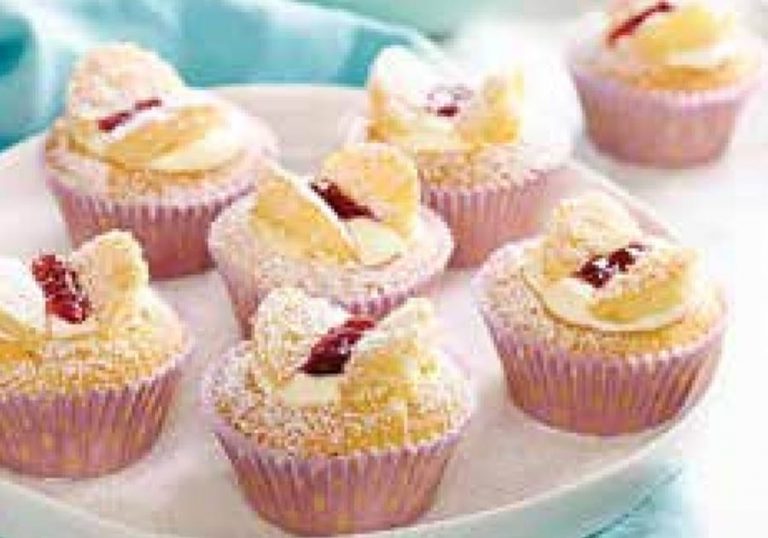
Vanilla Butterfly Cakes

INGREDIENTS:
• 125g Unsalted Butter, softened
• 3/4 cup caster sugar
• 2 eggs, beaten
• 1 1/4 cups plain flour
• 1 tsp baking powder
• 1 tsp vanilla extract
• 1/2 cup milk
• 150ml thickened cream, whipped
• 1/2 cup raspberry jam
• Icing sugar, to dust

METHOD:
1. With Mum or Dad’s help, preheat the oven to 180°C and place 12 paper cases into a cupcake tin

2. Beat the butter and sugar in a bowl with an electric mixer on medium until pale and fluffy. Slowly add the eggs and mix well. Add the flour, baking powder, vanilla and milk, and continue to mix until smooth. Be careful not to mix too quickly or the ingredients will fly out of the bowl

3. Carefully spoon the batter evenly between the paper cases, and then ask Mum or Dad to transfer them into the oven to bake for 20 minutes or until cooked and lightly golden. Remove the cupcakes from the oven and cool on a wire rack

4. When the cupcakes have cooled completely, use a knife to cut a 2cm circle from the top of each cupcake. Cut the tops in half and set aside. Spoon one teaspoon of whipped cream into each cupcake hole, and then top with a little bit of jam. Finish the butterfly cakes by placing two halved cake pieces over the cream to create wings

5. Dust with icing sugar and then the cupcakes are ready

How to Spring Clean Your Health

0

As spring starts again, many individuals engage in spring cleaning throughout their home, using this change to warmer weather to open, dust and clean windows, letting stale air out and fresh in, along with many other deep cleaning tasks.

New life outside, clean life inside, after all. But although physically cleaning the house is a good idea, many individuals forget about cleaning their bodies and making sure they are in good health. Why not also apply the spring cleaning philosophy to health as well?

Toss Out The Old And Expired

Even with the best intentions, many individuals end up with old and expired products and medications. The most popular among women, of course, are old tubes of lipstick, mascara, and other makeup. Those who keep switching skincare products often also end up with expired half empty containers. Many also find they have over-the-counter painkillers that expire before they use them all Take this time to search through all your drawers and cabinets. Gather all these products and check their labels. Throw away anything past its expiry date according to directions on the bottle. If in doubt with medication, consult a pharmacist for assistance to be on the safe side.

Schedule Health Appointments

A variety of health appointments are necessary for individuals to ensure they remain as healthy as possible and to detect potential illnesses early. These appointments include an annual physical, dental and eye exam. Of course, some individuals will also need to schedule appointments for a mammogram, colonoscopy and other health issues more specific to age, gender and often at a different frequency than once a year.

Although there is a selection of appointments necessary every year, many individuals let them slide. Some forget while others believe they are simply not a priority. Even if there is nothing wrong, scheduling these regular appointments is vital to ensure everything stays that way. Spring is the perfect time to call up your doctor, dentist and other healthcare professionals to schedule appointments you may have missed in the past.

Take It Outside

Although there are plenty of opportunities to be outside and active during the winter, due to the cold weather, many find themselves unwilling to venture out. Additionally, since the days are shorter and typically there are fewer sunny days during the winter, individuals get far less vitamin D than they do in the spring and summer. Thus, when spring rolls around, it is important to take activities outside. Exercising outside, such as going for a walk or run, or doing simple things like planting a garden or reading in a lawn chair are great.

Change Up Your Diet

Spring is the perfect time of year to get your diet on track. One of the most popular choices is to visit local farmer’s markets, which typically start opening in the spring, to buy fresh produce. Even if food must be transported, it also helps to eat based on the season and try new fruits and vegetables each week. Furthermore, the warmer weather lessens the need and desire for heavier comfort foods and shifts the optimum meals to lighter and healthier choices. When it comes down to it, spring is the perfect time to brush the dust off and make sure your health is where it should be.

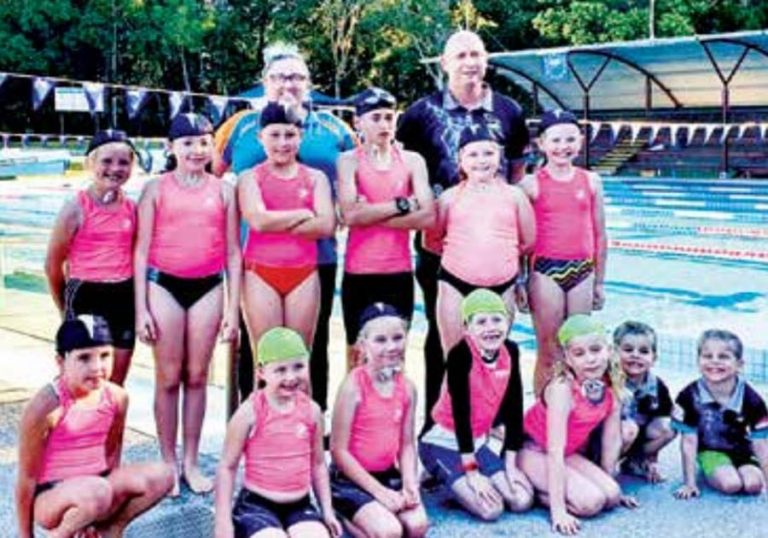
Go Team Bribie Island Aquatic Leisure Centre and the Bribie Island Surf Life Saving Nippers

Bribie Island Aquatic Leisure Centre is again sponsoring & supporting the Bribie Island Surf Life Saving Nippers for the 20/21 season. The club continues a long patrolling history at Woorim Beach, which commenced in 1923 by the Metropolitan Swimming Club.

Woorim Beach is a part of a long stretch of beach on the eastern side (surfside) of Bribie Island. Partially protected by Moreton Island, the beach experiences relatively small swell and is generally a safe and very popular swimming environment for families.

The club is also home to a large and very successful Junior Activities section, with a membership of approximately 200. Children from age 7-13 years enjoy this arena developing confidence in the surf, learning surf safety skills and having the opportunity to compete in the Surf Sports Arena.

As a kid, mum and dad would bring my brother and I up to Bribie surf beach for a swim during the summer, and I would watch the Sunday morning lifesaving activities. I always found it fascinating, watching what they were doing. Fast forward 25 years, and I now bring my two year old son to Bribie beach as well as working on the island as the Aquatic Centre Manager.

As a kid, mum and dad would bring my brother and I up to Bribie surf beach for a swim during the summer, and I would watch the Sunday morning lifesaving activities. I always found it fascinating, watching what they were doing. Fast forward 25 years, and I now bring my two year old son to Bribie beach as well as working on the island as the Aquatic Centre Manager.

Nippers includes the Junior Development Program which is designed to ensure children have fun at the beach while participating in lessons that will provide them with a pathway to become a qualified surf lifesaver and a junior competitor (surf sport). Competition plays an essential role in helping to strengthen and develop the skills of surf lifesavers.

Bribie Island Surf Life Saving Club create and tailor a program to suit the needs of its members and their beach conditions. The program is focused on participation and enjoyment and will not just be built around competition. The goal is to increase the confidence and skill base of the nippers in the water and the sand, and that’s where the pool helps out. Surf, sun and saving lives is a potent combination and something that I have been passionate about for a very long time. Here at Bribie Aquatic Centre, we run a learn to swim program from 6 months of age through to the introduction to squad level where we provide pool space for the Steve Fern Squad program. I’ve always wanted to work with the surf club (in particular the nippers) in providing support and pool training but wasn’t quite sure how the logistics could work. Steve Zmuda, who not only is a learn to swim parent but is a part of the Bribie Island Nippers Program approached me, and the rest is now history. We are currently in season #2 of the Pool/Nippers partnership, and we are delighted with the progression that the nippers are showing, we would love to see more nippers come on board.

The nippers program is every Tuesday and Thursday at 3.45 pm, we also offer a discount to the nippers families that have signed up, their membership also allows any enrolled swimmer plus one parent to use the facility outside their lesson completely free of charge, it’s our way of saying thanks to the Bribie Island Surf Life Saving Club (along with Surf Life Saving Australia) as the organisation is one of the most dedicated volunteer organisations in the world.

We Are All Getting Older. WHO CARES? WE DO!

The reward earned from a busy working life, welllived, is to enjoy retirement and a different pace of life. Better health care has led to longer life expectancy and the chance for a more active lifestyle in our older years.

Many people plan a relocation, sea change or quieter lifestyle as they get older. Some move closer to their children and family. Many retirees downsize their home and move to retirement villages and gated communities. But what are we to do with all this age we have accumulated?

A move to Bribie Island offers opportunities to spend more time enjoying our leisure activities and seek new interests and friendships. Many retirees focus some energy on bettering the community through volunteering. Bribie Island has one of the highest percentages of seniors, and possibly one of the highest percentages of volunteers of any postcode in Australia.

GETTING OLD ISN’T FOR SISSIES
As we age, we may find those past conversations around the water cooler are traded for discussions about a knee replacement. The “catch of the day” might be an infection rather than a good size bream, and one’s “handicap” is not only relevant to the golf course. High on the list of conversation topics is how far away the nearest hospital is located. Perhaps it did not seem that far away when we first moved here.

In retirement, we have many more opportunities to pursue our interests, but there might be challenges to our ability to maintain the interests that ensure our wellbeing. One of the greatest challenges some face in their retirement is the higher level of care needed by a loved one. As we take care of the daily needs of our partner or parent, it may drain the joy out of life for both carer and their loved one. It is imperative not to let that happen.

Planning Your Perfect Picnic Date

0

THE WORD “PICNIC” IS SAID TO ORIGINATE FROM THE FRENCH PHRASE “PIQUE UNE NICHE” OR “PICK A PLACE.”

Living on Bribie Island provides us with some sensational spots to choose from when having a picnic. Depending on if you are having a family or a romantic outing for two, you may have to scout around as you certainly don’t want to be on a romantic date and have a game of footy happening behind you. Getting a football to the head would undoubtedly spoil the mood.

Now if it is a romantic picnic you’re going for, a beautiful picnic blanket is a must! A couple of pillows to sprawl against, a picnic basket full of sumptuous foods, a bottle of wine, a vase full of fresh wildflowers and the scene is set. You may want to think about taking a small radio with you for some soft tunes in the background or maybe the sounds of Mother Nature work better for you.

Either way, there is nothing better than relaxing on a blanket with your loved one, watching the sun flicker through the trees with the warm ocean breeze on your skin and the calming sounds of the water lapping on the shoreline. How lucky we are to have this as our backyard!

When planning your picnic, you do have to consider some essentials. Bug spray is a must! A citronella candle will work to some degree, also creating a nice ambience, especially if you are having a sunset picnic. They have advanced a lot these days and you can get some nice scented ones.

To get you started I have put together a list of things that I consider essentials for your romantic picnic to be a success.

FOODS TO CONSIDER (Nothing too filling as you don’t want to feel bloated)

  • Bite-sized fruit like strawberries, grapes and watermelon.
  • Chocolate dipping sauce (to go with the fruit snacks)
  • Skewers – I love bocconcini, cherry tomatoes, pancetta all drizzled with basil paste.
  • Camembert or any soft cheese, dip and deli meats platter
  • Fresh prawns and seafood sauce
  • Wine or a nice beverage

PICNIC ESSENTIALS

  • Start with a great picnic basket! Complete with plates, cutlery, wine glasses and a corkscrew. Mine also has sauces, salt and pepper and paper towel.
  • A Large picnic blanket and some napkins to match. Pillows are great as well.
  • Bring an esky or ice packs to keep perishable items cool and to chill your wine or other drinks.
  • Breadboard or a tray to set your goodies out on.
  • Wet wipes and garbage bags are good to have for the clean-up
  • Sunscreen You are now all set to go and relax on our stunning Island, spend quality time with your loved one and make it a beautiful memory to cherish forever. ENJOY!!!!

“OLD AGE” It isn’t ALL in the mind!

HOW OFTEN HAVE YOU HEARD PEOPLE SAY, “AGE IS JUST A NUMBER”…. OR, “OLD AGE IS ALL IN THE MIND”?

Invariably, these comments come from people much younger than we “senior citizens”…..from middle-aged or younger generations, mostly…. to bolster our waning confidence or health concerns, as the years pile up.

Well, no-one really appreciates what it’s like until they get there, but the “process of ageing” which our medicos are prone to quoting, often, is a very real thing.

But I like to quote an old mate, who presented a somewhat different version of events; he said “You know you’re heading for your last long sleep when your mind makes a promise that your body can’t keep”…….and he was – and is – 100% right!

My head often tells me I’m in the prime of my life, still (in my late 70s) – but my body doesn’t seem to listen to my mind the same now, when it’s called on to step up the pace or go that extra yard (in effort) on a project which I would have leaped into (and completed quickly) in the “good old days” we hear so much about.

Also, I’m not really so sure the “good old days” were quite as good as we recall. But of course perspectives can vary widely on that, depending on life’s fortunes and experiences before we reach the oft-disputed “process of ageing” years. Looking back over the past seven decades (+), I reckon those of us who reach this stage our precious “senior citizen” years) are the lucky ones.

Many people don’t make life’s journey this far. The rollercoaster ride (which life is, or can be) takes its toll of many, too early. For the lucky ones, the memories are pure gold.

For example, how many of today’s younger generations can genuinely claim to have lived through and appreciate the changes that we (of the “senior citizens brigade”) have encountered, in our lifetimes? The memories that we have garnished in our journeys, whatever else we may have missed out on, make the journey worthwhile.

To name just a few, firstly there is/was Australia’s gutsy transition out of The Great Depression of the 1930s, World War 2, and the Korean, Vietnam, and Afghanistan campaigns. The Depression/WW 2 era, in particular, had to be experienced to appreciate what Aussies can rise to and overcome, when it’s “crisis time”.

In transport, our memories cover the full gamut from the horse-and-buggy days to jet travel – and even space travel. And who could forget, for example, Neil Armstrong walking on the Moon – and seeing it all on TV, at home?

The tearing down of the Berlin wall – which most of us would not have visited, but saw regularly, on TV – had immense significance for people in free societies like ours.

Seeing our children and grandchildren born and spread their wings to become decent people and good parents and citizens….these are among the “top shelf “of memories.

We can marvel, still, at the magnificence of nature presented to us, every day of our long lives; being moved by a soul-touching piece of music – pure bliss; the laugh of a child or the awesome song or flight of a bird.

Ah yes ,warming memories indeed, and all these (and many more) we call on from our memory banks and relive, once more, in those times when the body doesn’t listen to the mind, quite as it used to. This is the reality of “growing old” for many of us, today ….and it will do me quite nicely thank you! (For a few more years yet, I hope.)

What is Massage

0

The body to improve circulation, relieve pain and tenderness, reduce stress, increase flexibility and relax the whole body by targeting the skeletal, circulatory, muscular, lymphatic, and nervous systems. The overarching aim of massage is to help promote general wellness with healing touch.

SKILLS OF A MASSAGE THERAPIST
Massage therapists are well-trained to manipulate the soft tissue of the body to treat a variety of conditions by using touch with sensitivity to discern the optimal amount and degree of pressure and movement to apply on each client. Using too little or too much pressure may have a limited therapeutic effect or cause the body to tense up. A sensitive touch will allow the therapist to skilfully ‘feel’ their way around a person’s body and locate areas of tension and pain while ensuring the client remains relaxed and receptive to the therapy.

In addition to providing massage treatment, massage therapists assess each client to create an individualised treatment plan. They are well-trained to perform musculoskeletal assessments, monitor and evaluate treatments, advice on injury prevention and treatment, and adapt remedial massage practice to meet each client’s specific needs. Furthermore, they have strong communication and interpersonal skills, enabling them to establish and manage relationships with a diverse client population and to engage with other health professionals in order to maximise positive client outcomes.

POPULAR MASSAGE TECHNIQUES
If you’ve ever been for a massage you may have noticed that there are many different massage styles. For example, some massage therapists use long smooth strokes to relax the body while others use oils and stones to alleviate tension and pain. The length of massage can also vary, as can the amount of pressure applied by the therapist. Before deciding which massage style is best for you, you need to ask yourself what the purpose of the massage is. Are you wanting a massage to relax and help alleviate stress or do you have a specific injury or health condition that requires symptom relief? The answer to this question will help the massage therapist decide which technique is best for you based on your current wants and needs as well as allow them to customise your massage according to your age, injury and medical history. Some of the more popular types of massage therapy include:

  • Reflexology: Based on the principle that there are reflex points in our hands, feet, face and ears which respond to pressure, promoting relaxation and stimulating the body’s own natural healing process.
  • Swedish massage: The use of five specialised gentle techniques that target the upper layers of muscles to relieve tension, relax the body and increase flexibility.
  • Shiatsu: An Oriental massage technique using varying rhythmic pressure that aims to improve vital energy flow called qi.
  • Hot stone therapy: The use of hot volcanic rocks (heat-retaining basalt stones) placed on key body points such as the back, stomach and face combined with regular massage techniques to increase circulation, loosen muscles and ease tension.
  • Pregnancy massage: A complementary form of prenatal care that helps relieve the common discomforts experienced during pregnancy such as swelling in the arms and legs, backaches and joint pain.
  • Trigger point massage: Focuses on locating muscle knots (trigger sites) caused by acute, sustained and repetitive muscle overloads and applying direct pressure for symptom relief.
  • Lymphatic drainage: A gentle, rhythmic whole-body treatment that stimulates and detoxifies the lymphatic system, relaxes the nervous system and generally aids the body’s immune system

Arrival: CONFESSIONAL

I do not think I was an evil child but there were times in my early days when I quite deliberately chose to tread the primrose path rather than keep to the straight and narrow.

Rather than scandalise some minister of religion I will reveal my wickedness to you all and make the following, my full confession.

The first quite deliberate sin I remember committing concerned the Nasturtium flowers that were growing in the front garden of my home the UK. I was particularly fond of these plants, not only because of the bright yellow and gold colour of the flowers but I was also fascinated by the green caterpillars they seemed to attract. I would watch them munch the leaves with interest, but a bigger thrill was seeing them move from one plant to another by humping their backs and then straightening out again. They managed to pick up quite some speed, especially if they were encouraged by a little gentle prodding with a pin at their rear end.

Towards the end of their flowering, seeds developed, and so it occurred to my fiveyear-old mind that if these seeds were planted, we could have nasturtiums in both the front and back garden. I surreptitiously gathered as many seeds as would fit into the pocket of my dress and made my way to the back garden. Where to plant them? I had to think. It seemed to me that the cold-frame in which my father grew cucumbers might be the ideal spot. The soil was fertilised and regularly watered and the glass “roof” would keep my seeds warm and cosy and encourage growth. During the next few days, I kept a keen eye on them but nothing seemed to happen and so I lost interest in my horticultural experiment.

However, be sure your sins will find you out. The next spring little green shoots sprung up where there should have only been cucumber plants. Surprisingly, when the nasturtiums began to flower, my Father immediately suspected who might be to blame. I have no idea why he suspected his innocent young daughter but I was called in to explain. “No Elaine, I do not believe the seeds simply flew over the house from the front garden to the back and buried themselves in the coldframe.” Fortunately for me, my father had a lively sense of humour and after I had made a somewhat damp apology, all was forgiven.

A few years later a deliberate piece of unscrupulousness concerned my mother. She asked me to go into the pantry and retrieve a tin of evaporated milk, open it, and we would have it with the tinned fruit we were having for Sunday tea. I looked on the pantry shelf and saw two tins of Carnation milk, one evaporated and one condensed. A dilemma! I perfectly well knew which tin I was supposed to open, but I also knew which tasted like the nectar of the gods. How much trouble would I get into if I made a “mistake” and opened the condensed milk? I decided to risk it. Yes, I did get into trouble for my carelessness, but every time I sneaked into the pantry and helped myself to a spoonful of that nectar I knew it had been worth it.

Ah yes, the final act of deliberate devilry I am ready to confess, but one I cannot find it in my heart to this day to feel the slightest remorse for committing. Hence no forgiveness is expected, nor I suspect, will ever be received. Again it concerned my father who would always take particular pleasure in teasing me. How to get my own back and teach him a salutary lesson? It required some thought and careful planning. My father was an ardent Freemason, Worshipful Master of Loyalty Lodge No 4971 at the time I committed this heinous crime. I felt that Masonry was definitely his Achilles Heel. I observed him closely the next time he returned from Lodge, noting where he hid the key to the small suitcase where-in he hid his apron, cuffs and other regalia including his little black book of Ritual. When no-one was about, I opened the case, removed the black book, locked it again, and went into my bedroom where I knew I would have an hour or so to study the contents undisturbed. I was good at committing poetry to memory and felt this would be no different. Two hours later, I had learned several pages off by heart, which meant it was time to return the book and the key to their original resting places. Timing is everything, and I felt I could afford to wait until he thought he could take advantage of his daughter. I positioned myself a safe distance away and began to spout his ritual. As soon as he heard the familiar words, he began to chase me, but I was ready and as I ran, I recited more and more. He chased me all over the house and it finished with us both laughing in between his threats to murder me if ever I should repeat my performance in front of his “Brothers”.

I never did, but he knew if his teasing became too much for me, I could, and as he had no wish to be impaled by a masonic sword, his behaviour was much moderated.

Bribie Island – A Handy History

I would like to thank the many people who tell me how much they enjoy reading these regular articles about Bribie history. I had no prior interest in History before retiring to Bribie after an International career living and working in many countries. I soon discovered fascinating facts about my new island home and the significance to Queensland and Australian heritage. I write these articles to share interesting facts with more people, and our Handy History book is available at the Museum and Post Office for just $10 if you want more. This article might answer some of the questions I am frequently asked.

NAMING OF BRIBIE ISLAND.

Many people have a slightly different story about this, most of which are a long way from the known facts, although the actual answer is “Nobody really knows”

Documents and Maps from as early as 1830 show different spellings of a “Brieby’s”, “Brady’s” and “Bribey’s” island. After establishing Moreton Bay Penal Settlement in 1824, and the new town of Brisbane, references are made to a “Brisbane” Island in the bay. The final name “Bribie”, recorded for the first time in 1845, may well incorporate traces of these various spellings and pronunciations. Tom Petrie, whose family werepioneer settlers in Brisbane in 1837, in his reminiscences to his daughter in 1904, he remembered a vague second-hand account he had heard from his father Andrew Petrie, more than 60 years earlier, about a convict by the name of Bribie who had fled to the island.

More than 30 years later in 1937, businessman and author Thomas Welsby picked up this flimsy thread and wrote a book titled “Bribie the Basket Maker”, a romantic tale of a convict who escaped and fell in love with an aboriginal woman on the island, settled, and lived happily ever after. This was total fiction, and Welsby himself admits there is no record of a person named Bribie in any of the Moreton Bay records. Research continues, and more evidence may yet become known, but the honest answer to the question “How did Bribie Island get its name” remains unanswered to this day.

EXPLORERS & VISITORS

When James Cook sailed along this coastline in 1770 he saw through his telescope the far away mountains he named the “Glasshouses”, being reminiscent of Glass Factories in his far-distant home. When Mathew Flinders and his aboriginal companion Bongaree came to explore this Bay almost 30 years later in 1799, he was the first European to set foot on what is now Bribie Island and climbed a Glasshouse mountain.

He named Pumicestone river but did not know it was an island. It was another 60 years before Queensland became a new Colony, separated from NSW in 1859.

In those 60 years, there were very few who came to this desolate Island. After Flinders and Bongaree in 1799, the first white men came by chance 24 years later, when three convicts lost in a huge storm out of Sydney, were washed up weeks later on Moreton Island. They were very lucky to be alive at all, and with help from various local tribes, they found their way around the bay to live for many months on this island before being rescued.

They thought they had been washed ashore south of Sydney and each spent many weeks walking north in the hope of reaching Sydney, but finding nothing they returned to the care of the island people. Those who came seeking a site for a new Penal Colony in Moreton Bay found these castaway convicts the following year. Some of the worst convicts from Sydney were sent to a new Penal Settlement at Redcliffe in 1824, which relocated after few months to the site of Brisbane on the river. Within a hundred years of the first sighting of these shores by Captain Cook, the once extensive Aboriginal population of Moreton Bay had been dramatically reduced. This led to the establishment of Queensland’s first Aboriginal reserve, set up here on Bribie Island at Whitepatch in 1877. In 1891 Archibald Meston, an Explorer, Author, Politician, and official “Protector of the Aborigines” briefly visited Bribie Island and made this observation in his diary…

STORIES and LEGENDS

The following is an extract from a Brisbane newspaper, dated 22 June 1919, apparently written by Archibald Meston. I am including these words here for readers to appreciate how stories are retold and legends created by the writings of high profile figures.

THE ISLAND DEVELOPS

What is remarkable, is that just a few years after Archibald Meston declared it to be “the meanest piece of country in Australia” some Brisbane businessmen invested tens of millions of dollars, built a huge steamship and leased large areas of the Island, to create Australia’s first Island holiday destination on Bribie Island. In 1912, they built a Jetty at Bongaree, and over the next 20 years, Bribie developed as a destination for mass tourism. Thousands of visitors came by steamships from Brisbane at weekends and holidays, to enjoy cheap, healthy and basic holidays. More people came to holiday on Bribie, than lived in the entire Caboolture Shire at that time. The early boom years for Bribie Island were interrupted by the 1930’s Great Depression, and soon after that came World War 2, when the Military occupied the island, and most residents moved out. Holidays resumed after the War but by then Motor Cars were the favoured form of transport, and people braved the dreadful roads to bring their car by ferry barge to the Island. The bridge was built in 1963 and the Island was joined to mainland Australia. Looking back over the years, the Island has experienced some remarkable events and changes, many of which are still visible, if you know where to look.

SOME HISTORICAL FACTS

-18,000 years ago the coast was over 50 klms away and the whole of Moreton Bay was dry land. The sea level slowly rose, and 6000 years ago was several metres higher than it is now.

-The current sea level, coastline and Bay islands have been this way for about 1000 years, and Bribie has only been an island for a few hundred.

– There are many Aboriginal sites gazetted on the Island, revealing occupation of this land for thousands of years. The Water Tower in the Caravan Park at Bongaree is on the site of a big Aboriginal shell midden, and in early days was called “The Hill”, a high point on the Island, before it was levelled.

-The name Red Beach originates from World War 2 when Australian and American troops practiced beach landing on various colour coded beaches. Red beach was close to the few residents of Bongaree, and the name stuck.

-Australia’s first Opera “Auster” was written by Emily Coungeau in her grand house in Banya Street, Bongaree, built in 1916 and still there today and known as Toc-H,

-The concept of an ANZAC day commemoration for those lost in World War 1 was initiated by Brisbane businessmen on a fishing trip to Bongaree in January 1916.

-An Ionospheric Research Centre was built on Bribie Island in the 1960s to study Radio signals in the upper atmosphere. For this new technology, an Atomic Clock was required to measure precise timing.

-In 1968, a complex Tax investigation found the former operator of the Bribie car ferry was required to pay $500,000 in back taxes. In today’s money, that is about $20 million.

MORE BRIBIE HISTORY Monthly meetings of the Historical Society are on the second Wednesday of each month in the ANZAC room at the RSL Club. Covid restrictions limit numbers, so attendance notification and approval is required.

Peter Schinkel – 52 Years Old Landscape Gardener & Artist In His Own Words….

I couldn’t draw before grade 12 until my art teacher did a learning to draw module. A few simple concepts surrounding tone, perspective, shape and space. After that, I drew the farmhouse we lived in and Mikhail Gorbachev from the cover of a magazine (because I thought he looked so kind). Both drawings were really good. In just 2 hours, it looked just like Mikhail. Then uni happened, travel, partying, a career in the wine industry and drawing was long forgotten.

At the age of 40, I left the corporate world and became a self-employed gardener at home on Bribie Island. My close friend Vikki suggested I do something creative with the extra time I had to spare while my business grew. I said, “I think I can draw”. It had been 25 years since I drew well at high school and I wondered if I still could. Vikki gave me a photo of herself and after about half an hour, I had drawn a good likeness of her. Then I drew my children from photos when they were little. It looked just like them too.

To branch out from there, I wondered what would be both enjoyable and commercially viable. I took a photo of Brisbane CBD from the top of the wheel at South Bank and started to draw a 15x15cm drawing. After a hundred or so hours and nine months later, my gardening client Ruth suggested I put it up for sale at the Bribie Island Community Arts Centre.

“What price will you put on it?” she asked. I said $345 and she suggested I put another zero on the end of that. “It’s rare. There’s you and only about three or four other people in the world who draw whole cities in the photorealistic style.” I didn’t think it was worth that much and while it didn’t sell at the Arts Centre, Ruth bought it from me privately for $1900 a few weeks later. She was used to buying art for big prices so it’s thanks to her that I realised the value of my art and of course thanks to Vikki for taking up drawing again.

After the excitement of selling my little Brisbane drawing, Ruth then asked me to draw her house, roughly A4 size for $1200 – my first commissioned work.

I then moved to Adelaide where I embarked on drawing my Australian Capital City Collection. All roughly A2 size. Sydney was first, then Adelaide. By that stage, I had started selling limited edition prints for $225 as recommended by an Adelaide art gallery. I also set up a Facebook business page called “Drawing Inspiration – Peter Schinkel” and sold the prints there for $150 instead.

I attempted to sell the Sydney drawing to the Art Gallery of New South Wales. While it was not in their budget to purchase the art at that time, I received a really nice letter from the Minister for the Arts commending my “masterpiece”.

In 2013, I submitted the Adelaide drawing into the Royal Adelaide Show but it was bigger than the allowed size for drawings. The organisers decided to increase the limit for the drawing and it won first prize for its category which I think was “Other Drawings”.

Then on Sunday 21st July 2013, Tim Noonan of Channel 7 News in Adelaide ran a story on my drawings. Things were getting pretty exciting. They called it a “revival of a lost art”. Cityscapes were often drawn in the 1800s to showcase the Australian capitals to England, other Australian colonies and the world. They were called “baloon’s eye views” But with the advent of aircraft and some improvement in the quality of photography, the drawings/ etchings faded out of practice.

Brisbane was next, the first to be drawn from my own photos taken from atop the Wheel at Southbank. I was delighted when world-famous cityscape drawer Stephen Wiltshire had drawn Brisbane from the same viewpoint. While his drawing took 5 days, mine took a few months. Melbourne was next and again I was both delighted and amazed that Stephen Wiltshire had drawn Melbourne from the same photo I copied from. I started to hold exhibitions in a gallery or two and a few council libraries to keep active in the art world. One of the most fulfilling projects was the year I spent teaching other people to draw at the U3A in Adelaide CBD. With just the basic concepts of tone, perspective, shape and space – the success rate was 100% and we all had a good time. It was lots of fun too.

By 2015 I decided to see if the National Gallery of Art in Canberra would be interested in my Capital City project. I called them, and as instructed I sent an email to the relevant department. About a week later I received a call.

“Hello, this is Peter.”

“Peter Schinkel?”

“Yes,” I said.

“WOW!” came the enthusiastic response. I had no idea who it was. Turned out to be the Head Curator of Prints and Drawings who agreed they were a revival of a lost art. No one has ever drawn all of the Australian capitals either, so he said the Gallery “may be interested in acquiring” the set once complete.

I started drawing Hobart and then took a four-year hiatus before returning home to Bribie Island in 2019. Hobart was completed that year, leaving Perth as the last state capital to draw, which I’m doing now. When that is complete, perhaps by mid-2021, I’ll see if the National Gallery will consider the six capitals to be a complete set. If not, I’m looking forward to drawing Canberra and Darwin, either way, to make the set truly complete. For the month of May 2021, I’ve gratefully accepted the offer of displaying my drawings on the “Artist of the Month” wall at the Bribie Island Community Arts Centre.