Home Blog Page 59

History – Remembering Ian Fairweather

0

BRIBIES SPECIAL CHARACTER – Ian Fairweather

Today there are some truly remarkable people living on Bribie…. I am sure you know a few.

From the earliest days of settlement, Bribie seemed to attract a large number of unique and quite different people, who for various reasons chose to live on this isolated island. Many were “larger than life” people who had experienced the world in different and challenging ways.

Several were veterans of WW1 who had lost arms and legs and found Bribie and easier place to live. The fascinating history of Bribie is full of such people, who contributed greatly to creating the character of this special place. By far the most internationally famous, talented, and unusual lifestyle was that of recluse artist Ian Fairweather.
ian fairweather history bribie island queensland australia-1 (1)
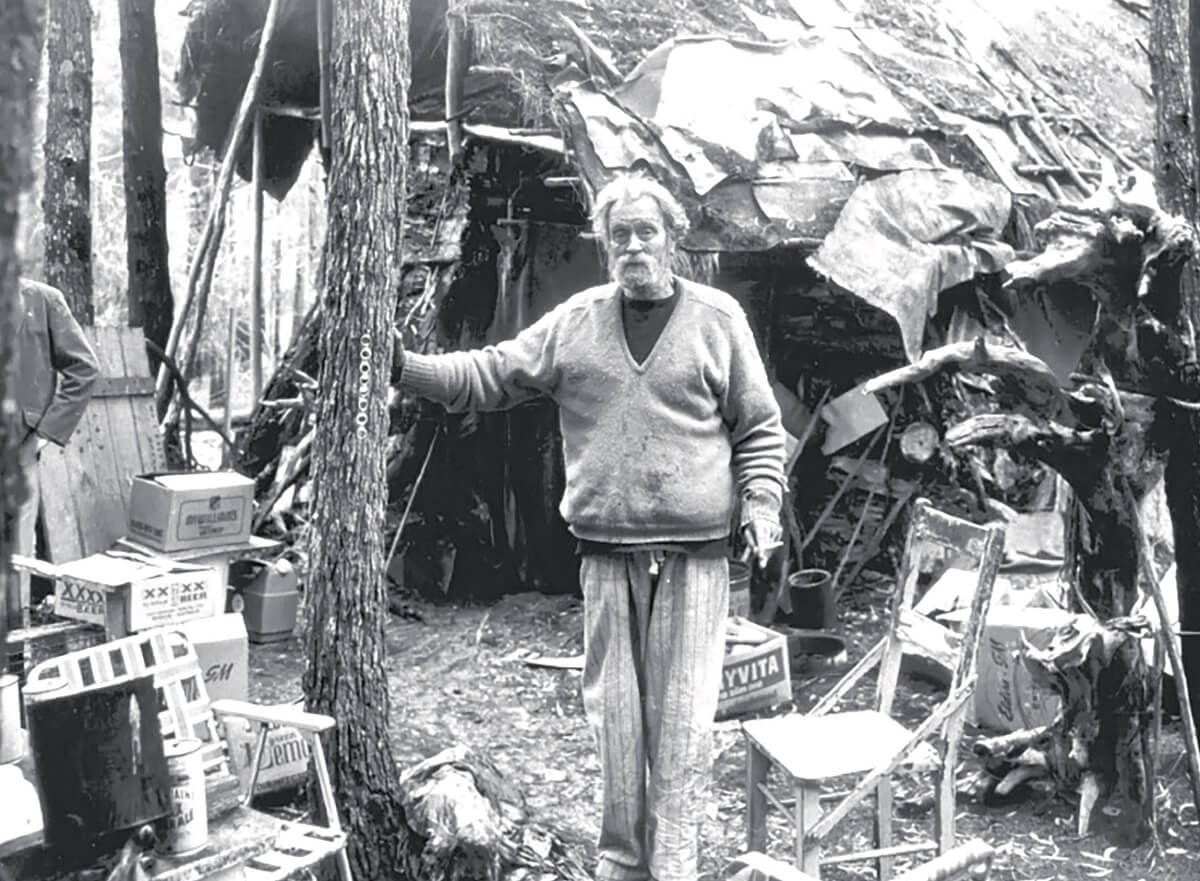
Ian Fairweather Grass Hut

BRIBIES MOST FAMOUS RESIDENT

Ian Fairweather lived and painted on Bribie Island over a period of 21 years from 1953 until his death in 1974. Born in Scotland in 1891, as the ninth and youngest son of a military doctor, he was raised by two maiden aunts, while the rest of his family lived in India. He joined the Army in 1914, was captured on the first day of World War I, and spent four years in prison, despite five attempts to escape.

In the 1920’s he attended the Slade Art School in London, and then for many years lived a nomadic life travelling extensively in Canada, China, S.E. Asia & India, where he once again joined the Army as a Captain in World War 2. After the war, he was jailed in Indonesia as a suspected spy after sailing a home-made raft from Darwin to Timor. He was lucky to survive this adventure.
ian fairweather history bribie island queensland australia-1 (1)
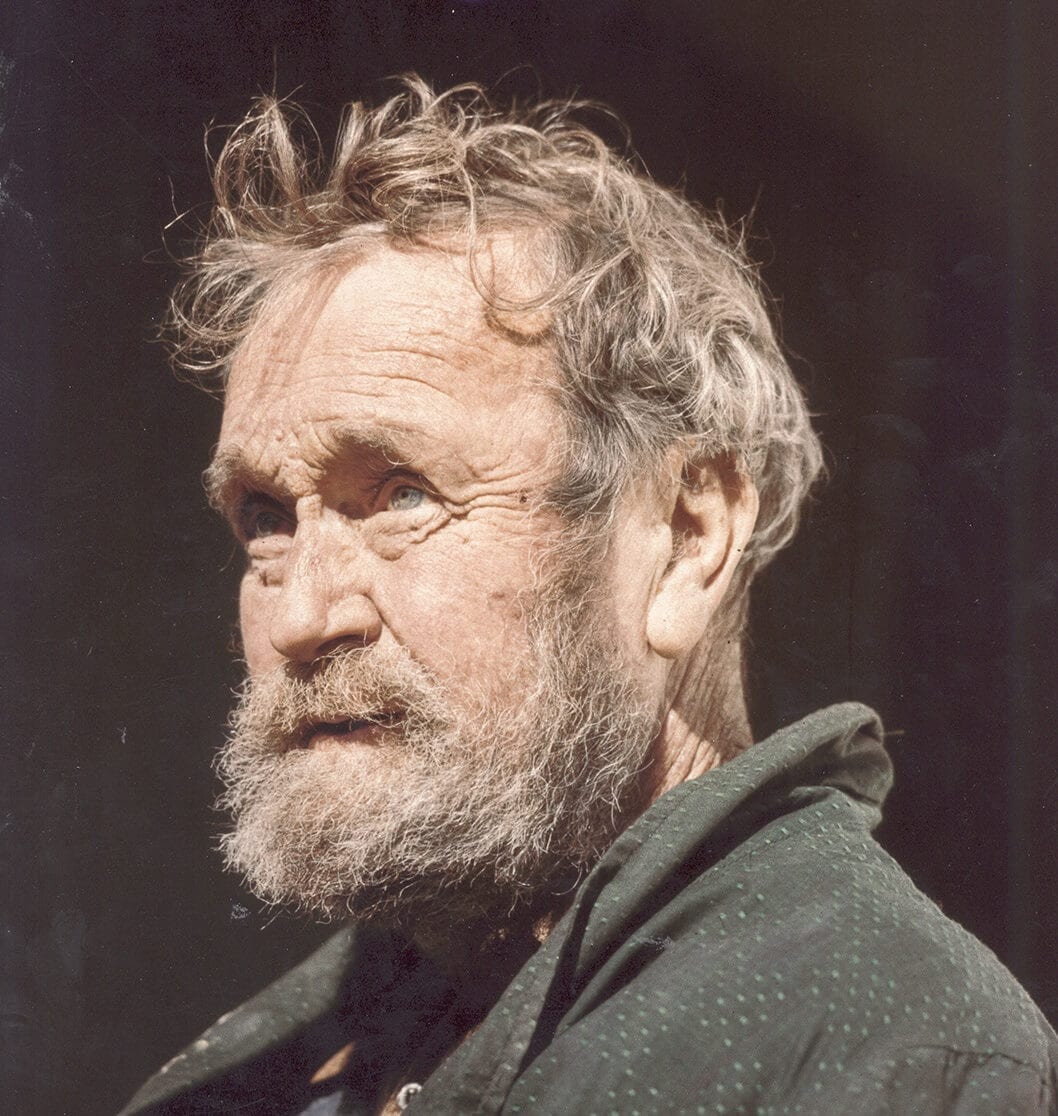
Ian Fairweather 1960
ian fairweather history bribie island queensland australia-1 (1)
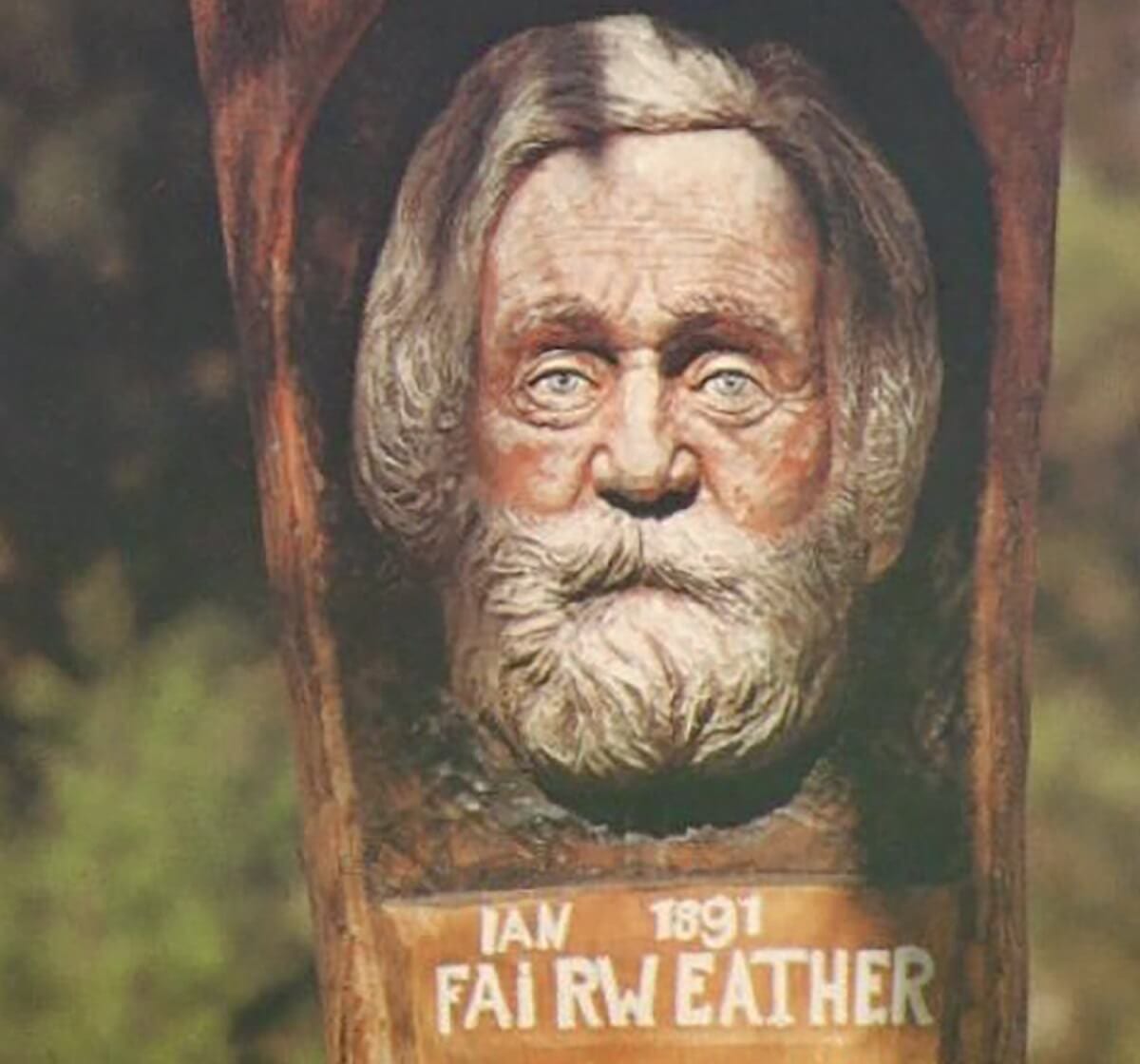
Ian Fairweather carved tree

Through all this he developed a unique and personal style of art, reflecting his life experiences. He was always restless, the painting was his emotional escape, and his remarkable talent was soon being recognised.

Ian Fairweather came by chance to Bribie Island in 1953, to pursue his chosen lifestyle, isolation, fewer people and a chance to live life in his own way. He constructed a Polynesian style grass-hut, with a thatched roof and earth floor, where he lived and painted, following his interest in Oriental studies and Chinese translation.

His unique approach to painting was sought after by the international art world, but most Bribie Islanders saw little of him and even less of his “unusual” work. He was regarded as a rather weird and unhealthy hermit, living in the bush, without power or water, at one with nature, and keeping to himself.

He lived close to the rubbish tip, the source of many of his painting surfaces. Many people wanted him removed and complained to Council, who eventually constructed a fibro hut for him…. which he refused to live in. After several years of declining health, he died in 1974 at the age of 83.

FAIRWEATHER’S LEGACY

He was 60 years of age when he came to Bribie, and over 21 years he painted some of his greatest works. Many of these painted, on cardboard or scrap plywood, now hang in galleries around the world, including Parliament House in Canberra, and sell at art auctions for millions of dollars.

On his death, the Council immediately burned down his remarkable grass hut with all his worldly goods. Just imagine what a unique International “Tourist Attraction” that would be on Bribie today.

TRIBUTE TO FAIRWEATHER

After Fairweather’s death, another unique Bribie character sought to maintain his memory by erecting a replica hut and art gallery at his nearby home. This was Ralph Latcham, also an aspiring artist, who came to Bribie in 1963 when the bridge opened. He was a great supporter of Fairweather’s art and lifestyle, they shared a love of wildlife and nature, and he wrote to the Premier of Queensland seeking the protection of Fairweather’s hut and land.

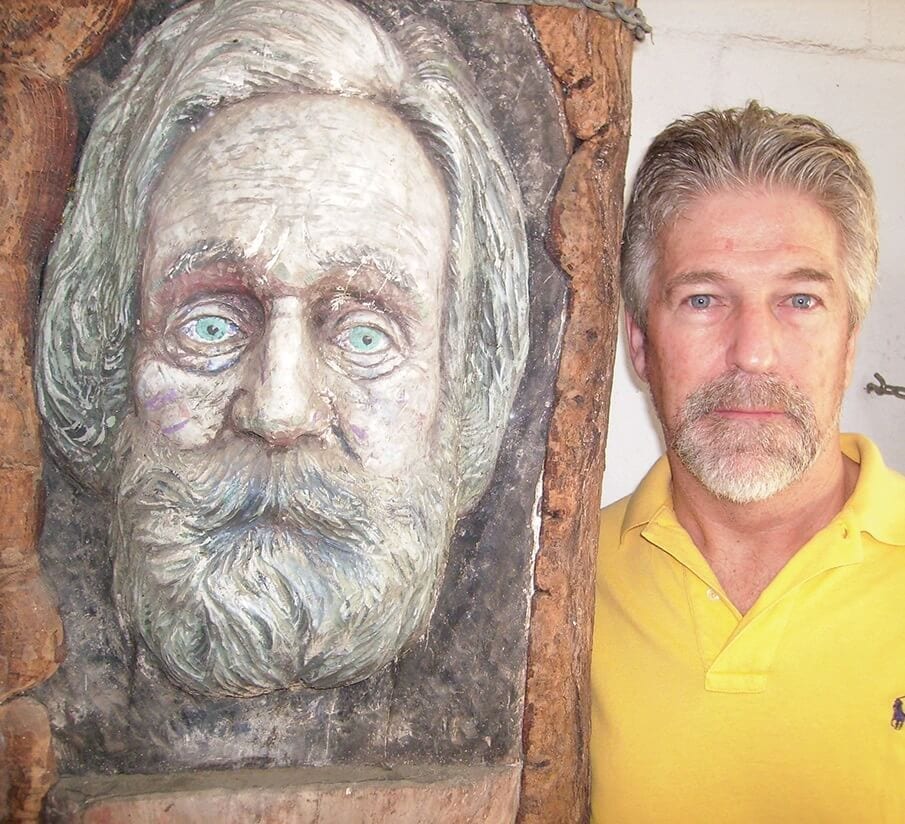
This was rejected, and after his death and burning of his hut, Ralph Latcham carved the face of Fairweather in the fork of a large tree on his property in Bonham Street and erected a replica Grass hut. It was unveiled by the then Speaker of State Parliament and was a much-visited attraction in 1975.
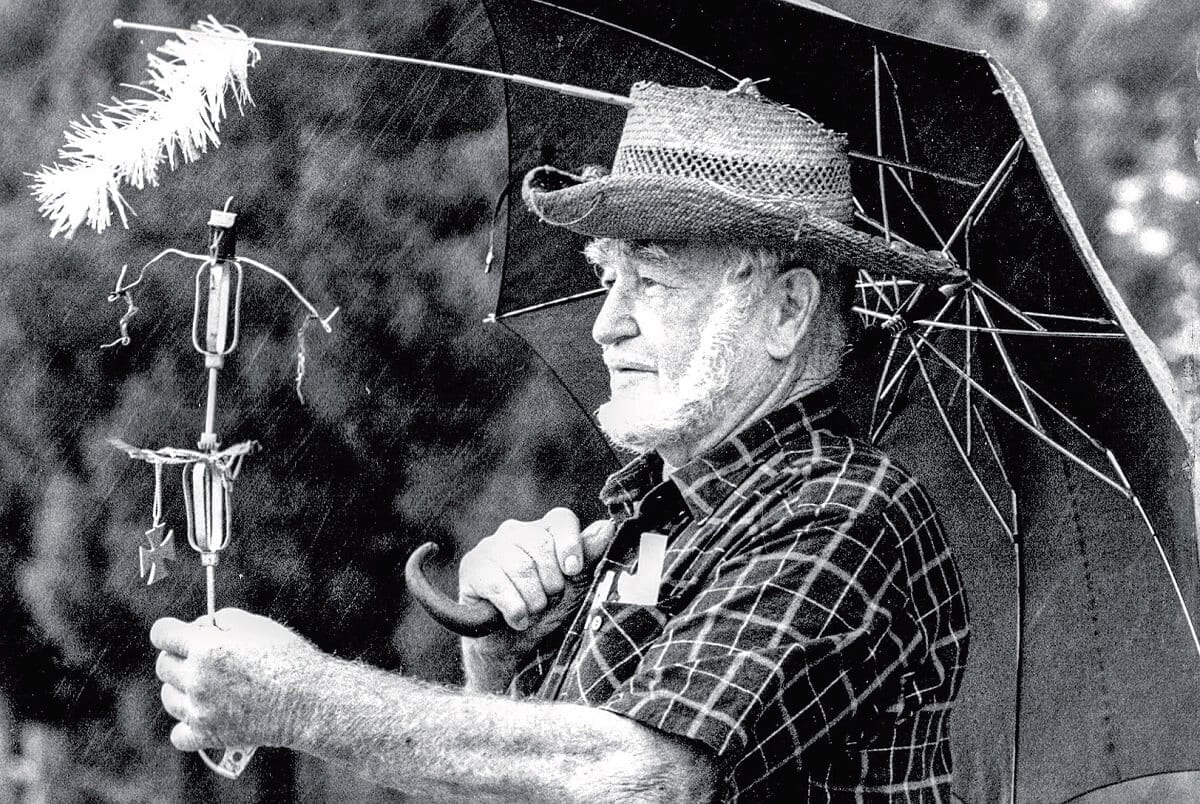


ian fairweather history bribie island queensland australia-1 (1)
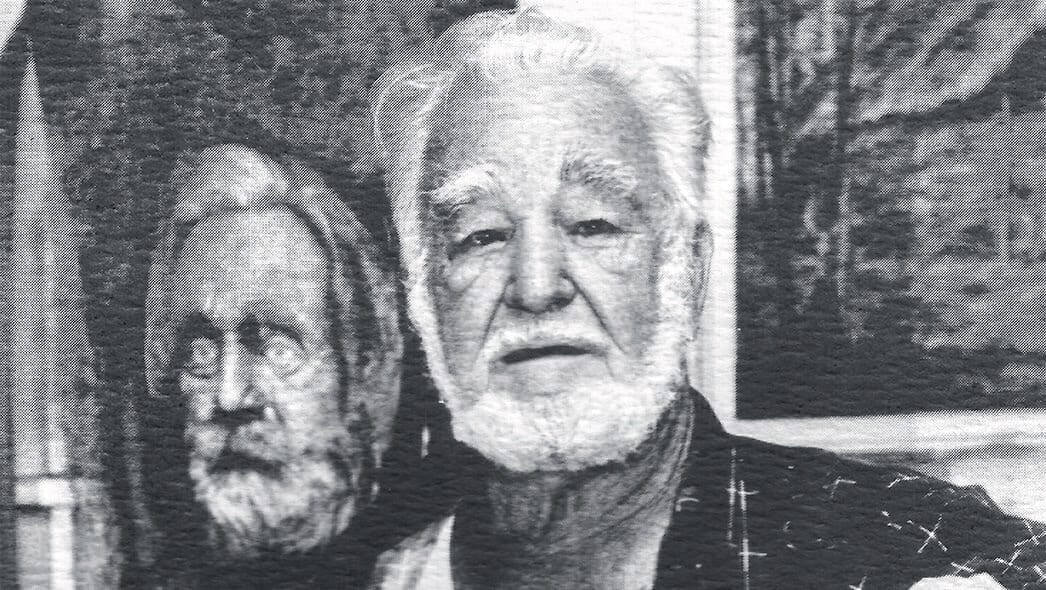
Ralph Latchampainter and carver
ian fairweather history bribie island queensland australia-1 (1)
Ralph Lacham

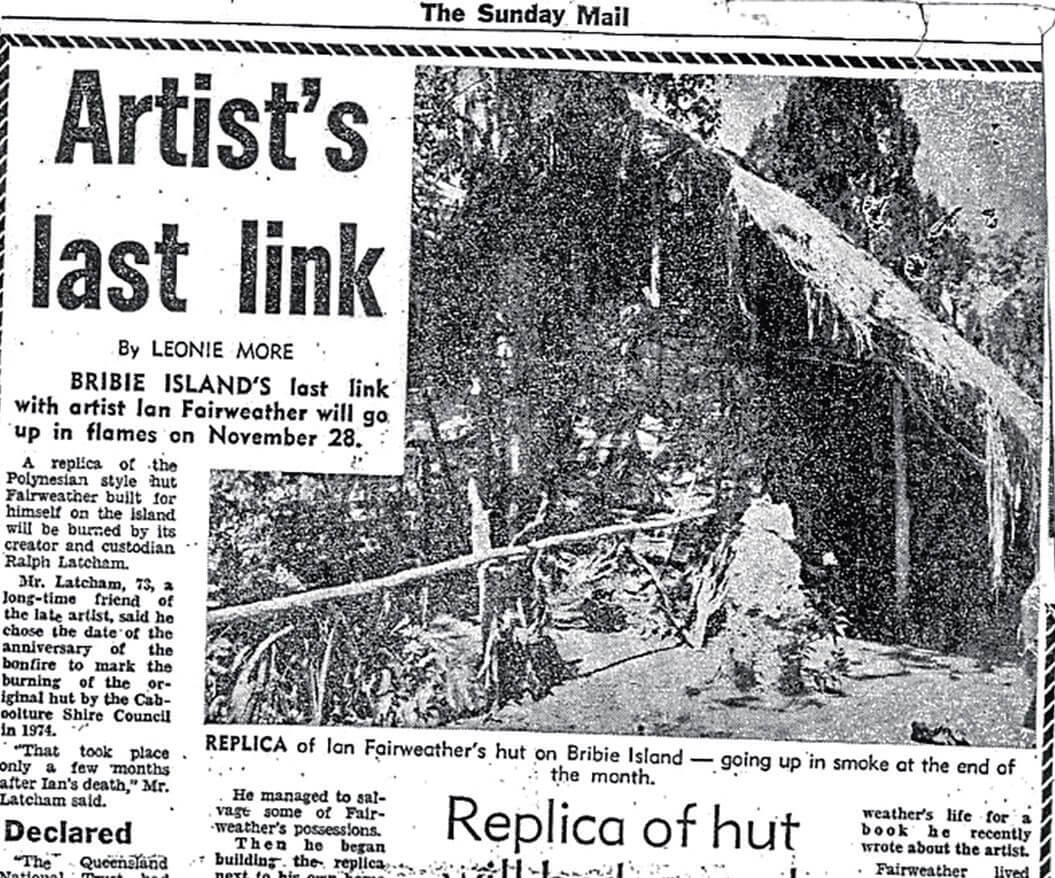
The following year Latcham offered his property with carved tree and replica hut as a gift to the Queensland Government. This “Gift” was rejected by the Government, the National Trust, and the Council. As a protest to this, Latcham burned down his replica hut and cut down his tree with Fairweather’s carved head in the fork, and it was placed in the Community Arts Centre for many years, before recently being relocated to the Seaside Museum.

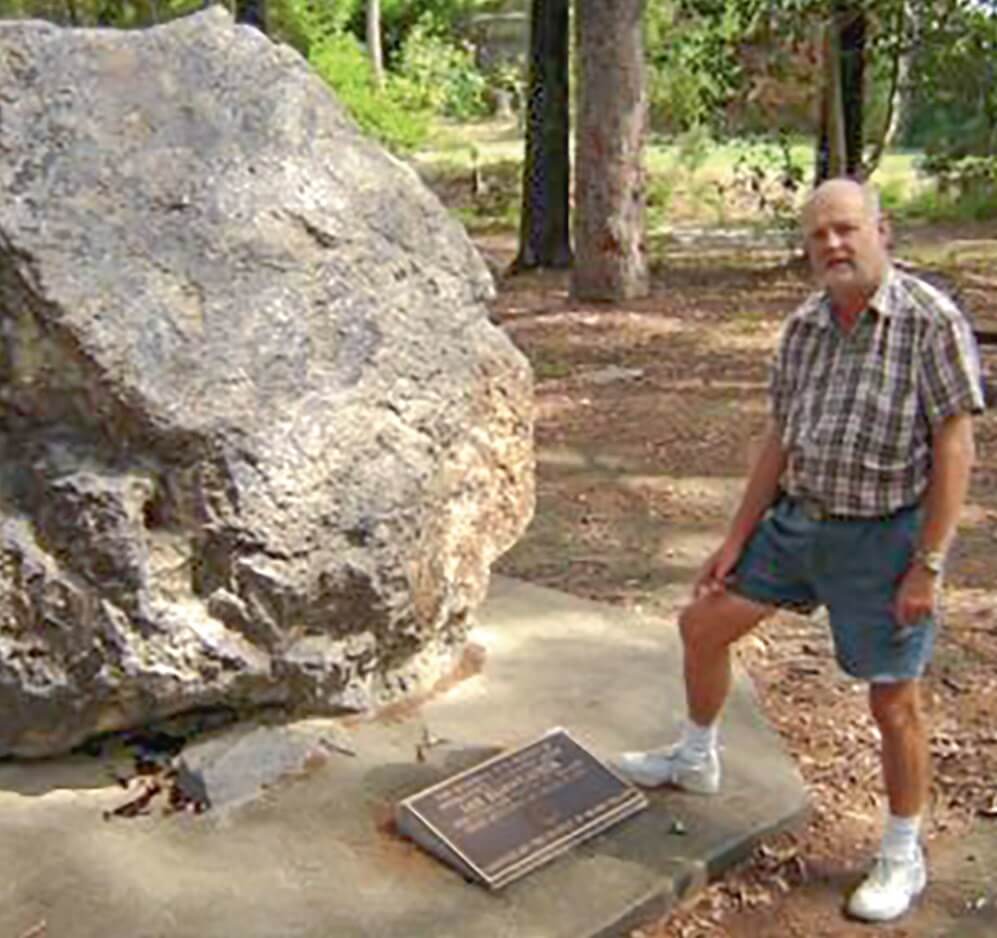
In 1991 Ralph Latcham published a small book titled “The Mystique and Philosophy of Artist Ian Fairweather”. Ralph Latcham died in 1997 by which time the memory of Ian Fairweather had all but faded into history. On the site of his grass hut, a large commemorative rock was placed.

FAIRWEATHER REMEMBERED

When I came to live on Bribie in 2004, I knew nothing about Ian Fairweather and even less about Bribie Island and its fascinating history. As my interest grew, I discovered the memorial rock, in the park that bears his name, but the tablet had been vandalised and there was nothing to indicate who or what he was. I arranged to have a bronze plaque installed at the rock and organised an unveiling ceremony attended by the Mayor, Councillor and many old-timers who had known him personally.

This large crowd enjoyed many personal recollections of his life on Bribie. The event was also attended by a Film Production Company who were about to make a documentary film for the ABC about his life. They filmed interviews with several of these “old-timers.” This led to my own involvement in filming some scenes for the documentary on Bribie over the next couple of years, including his only surviving relative, a nephew in the UK, coming out to Bribie.

The one-hour documentary titled “Fairweather Man” is shown on ABC TV from time to time, but can be viewed at the Seaside Museum theatre at any time. Go and see it. I also included a bronze plaque about Ian Fairweather among the 16 Heritage Walk plaques I installed along the Bongaree waterfront in 2009. You can see this one in the Jetty precinct gardens, and the free brochure is available at the Visitor Centre and Museum.
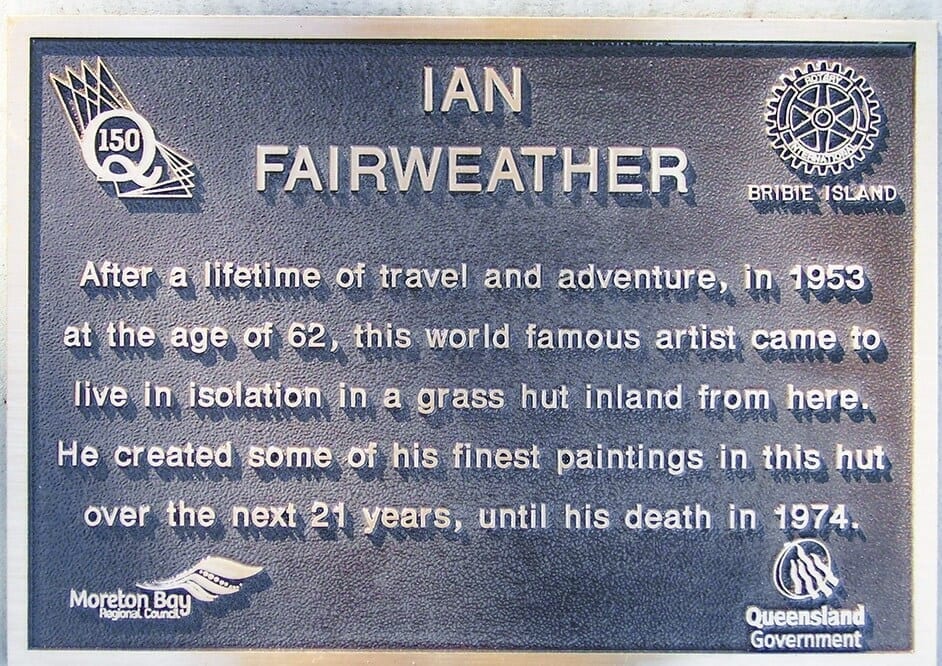
ian fairweather history bribie island queensland australia-1 (1)
Ian Fairweather Plaque


ian fairweather history bribie island queensland australia-1 (1)
1976 Newsclip Replica Hut burned

Soon after that, I met a performance actor Steve Gration who had written a one-man play about the life of Ian Fairweather. He performed his inspiring play to a capacity crowd at the Seaside Museum. Steve truly captured an insightful image of Fairweather’s words, his life, and art in this play, which went on to receive awards at a Theatre festival in Darwin, the location of Fairweather’s “Adventure” after WW2.

Steve Gration even looks like Ian Fairweather, as is seen in this photo of him beside the Carved tree. There have been special exhibitions of Fairweather’s work at the Queensland Art Gallery over the years, as well as some on permanent display.

Awareness and interest in Fairweather’s work and life have been steadily growing, as more books are written about him, and showing his paintings. He is now rated among the top 50 artists in the world, but still virtually unknown and recognised on Bribie Island, his special home for 21 years. I have been interviewed by the media and given several presentations on Bribie over recent years.
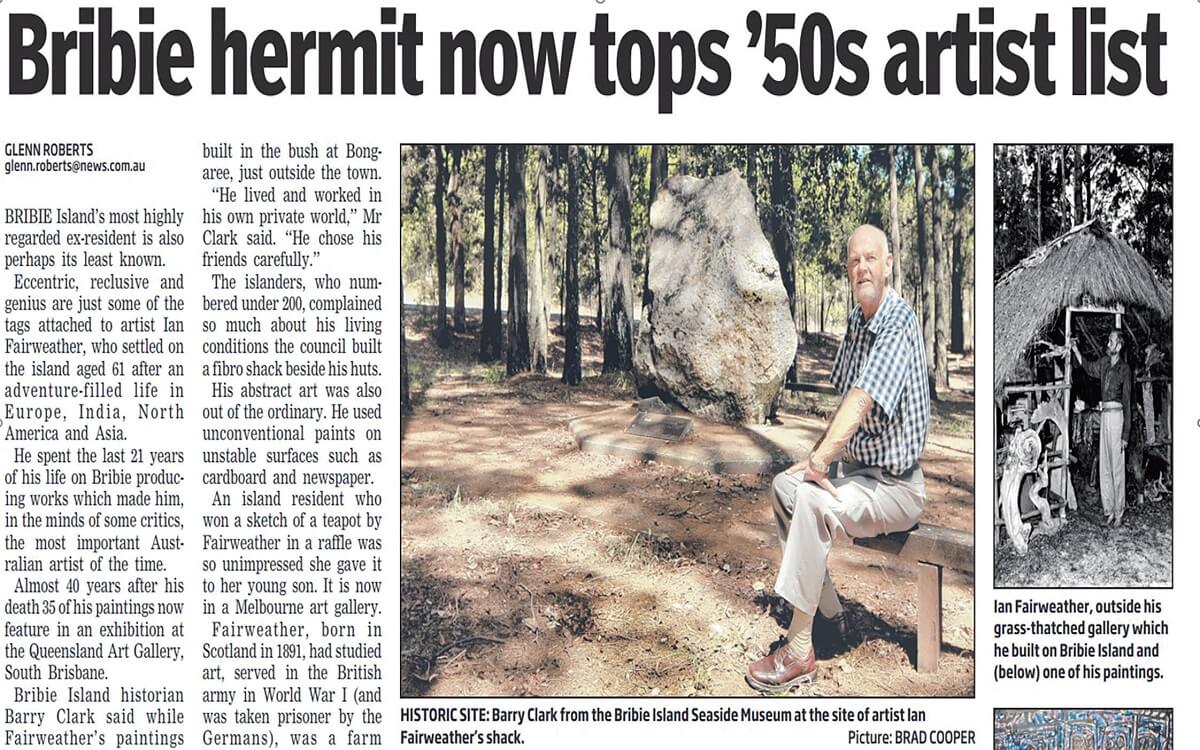
ian fairweather history bribie island queensland australia-1 (1)
Newsclip – Barry Clark

SEE FOR YOURSELF

For some readers, this story may be a surprise to realise that an internationally famous and acclaimed artist once lived in the bush on Bribie. If I have sparked your interest, you can find several books in the Bribie Library about him and his remarkable creative work. You may not necessarily like it, but I think you will appreciate it knowing a little more about the man.

Better still go to the Seaside Museum any day and ask to view the “Fairweather Man” film in the theatre. Then, go and walk on the site of his grass hut by the rock in Fairweather Pak, corner First Avenue, and Hunter Street, and soak up a little of the atmosphere that still exists there.

MORE BRIBIE HISTORY

The Historical Society has monthly public meetings at the RSL Club on the second Wednesday of each month commencing at 6:30 pm. with interesting guest speakers on a wide range of topics.

At the next meeting on Wednesday 13th November, I will be giving a presentation titled “Who really discovered the Brisbane River”. Come along. You can see many more photos and articles on our Blog Site at http://bribieislandhistory.blogspot.com or contact us on [email protected]
Other Articles

Mental Health – Human Instincts Part 1

0

“Human nature is the one constant throughout human history. It’s always there”

Thucydides

When humans are faced with danger or stress, a biological trigger helps us decide whether to stay and fight or get the heck out of there – flight.

When we find ourselves in a stressful situation like staring danger in the face, the brain’s hypothalamus is activated. It initiates a series of chemical releases and nerve cell responses, which prepare us to fight or take flight. Adrenaline is released into the bloodstream, our heart rate increases, blood is pumped more quickly into our muscles and limbs.

Our senses are alert, sight and impulses all intensify and quicken. Irrespective of us having free will or not, at least a part of our mind is making decisions based on a very deeply rooted program. That program is our instinct and, just like any other living being on Earth, human beings strive to meet two basic instincts:

  • survival
  • reproduction

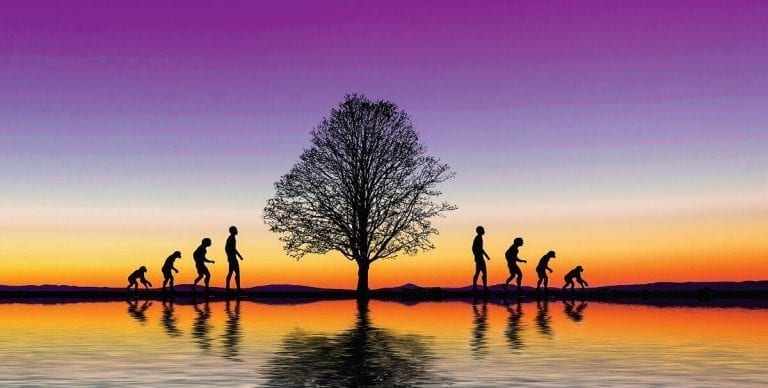
Early caveman faced a lot of dangers, and the fight-or-flight response evolved to help them evade or battle those dangers in order to survive. Survival is a simple enough concept to understand. We, understandably, have a strong desire to stay alive. To achieve our goal of not dying, we avoid objects or situations that could be detrimental to our health. Although humans are animals, we also have something that no other animal has: the most complex social structure on Earth. We gather in;

  • families
  • tribes
  • clans
  • nations

We have an incredibly sophisticated method of interacting – speech. We can communicate over time and distance and our memories are the longest, our interactions the most intricate, our perception of the world simultaneously the broadest and most detailed. It is a combination of biology and society that makes us do what we do. Biology guides our responses to stimuli based upon thousands of generations of our ancestors surviving because of their responses.

It is our social structures that dictate restrictions on and how we carry out our biological responses. We can alter rather than merely adapt to the environments we find ourselves in and this enhances our chances of survival. It was the invention of agriculture and domestication of animals that improved our food supply, the building of dwellings enhanced shelter from the elements; science and medicine have greatly increased lifespan and quality of life.

In fact, human ingenuity has altered every aspect of our world to improve our lives. We still have the instincts of our hunter-gatherer relatives, we humans are still experts at spotting predators and prey, despite the developed world’s safe suburbs and indoor lifestyle. At the same time, we’re living in a society that reaches for higher moral grounds through the evolution of ethics and empathy.

Our need for moral progress is probably also an evolutionary trait, ensuring social progress, which is a necessity of our survival as a species. We have gotten this far not only because we are skilled individuals, but also because we’ve found ways to work together during the direst of circumstances. Fortunately, also regardless of us having free will, human behaviour can change very quickly.

What can be said about this is that, at the very least, it’s an evolutionary trait that has contributed to our survival. So, changing the rules of the game is within our capability as a species. My next article will continue the exploration of human instincts in our modern world. Wishing you all good mental wellbeing – Veronica.

Go to Human Instincts – Part 2

Other Articles

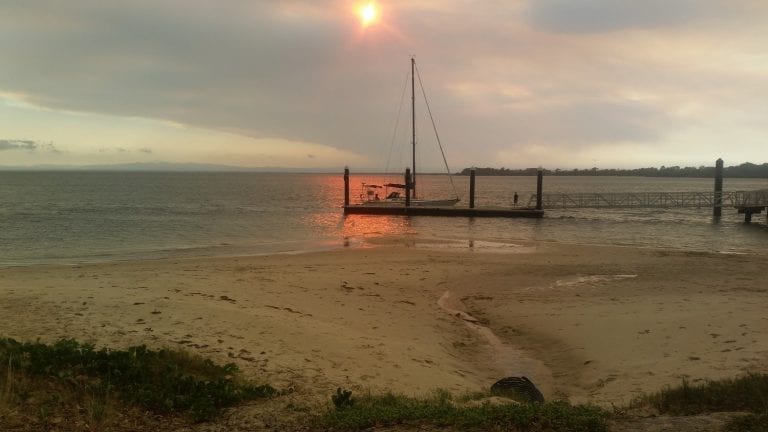
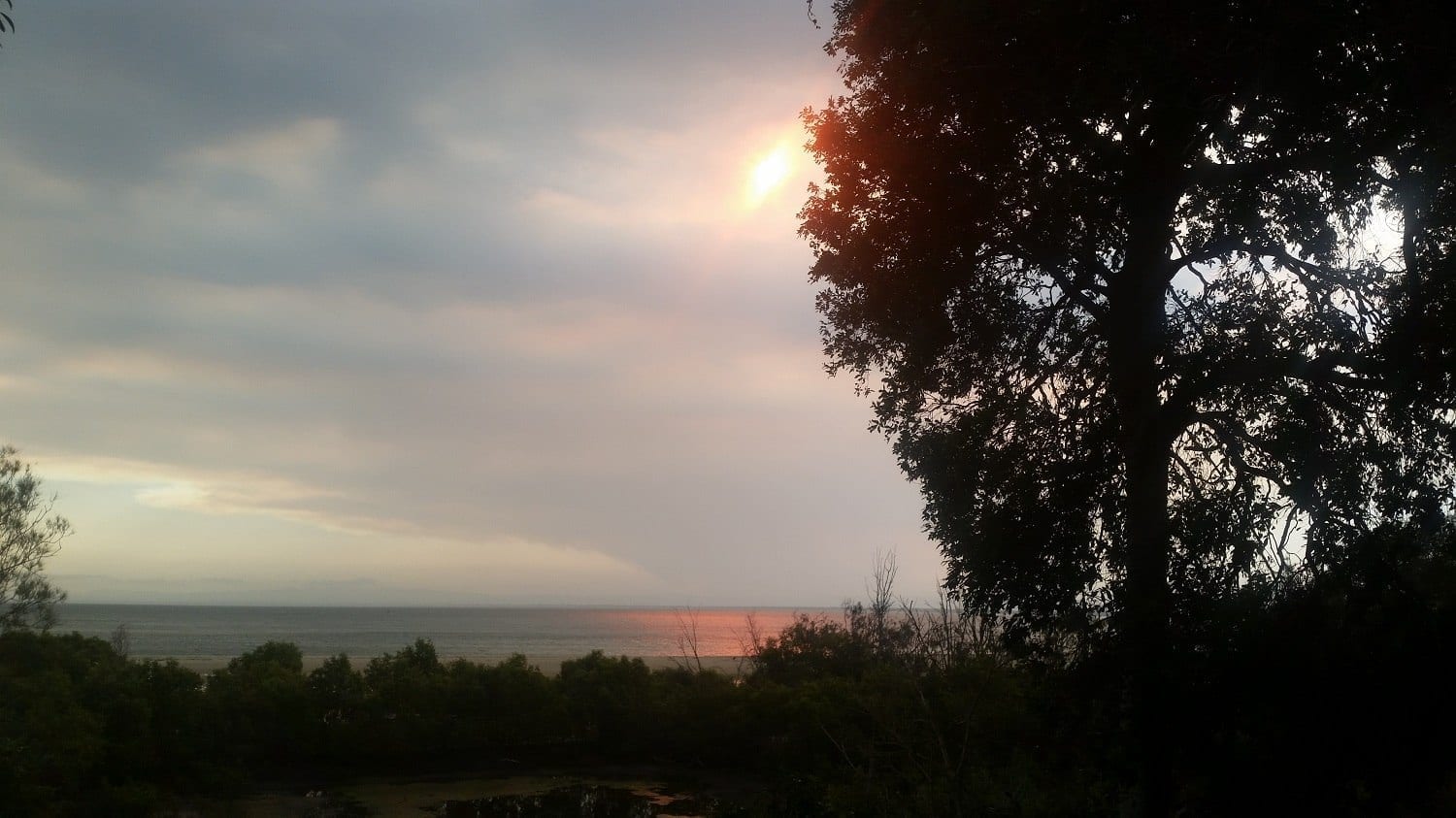
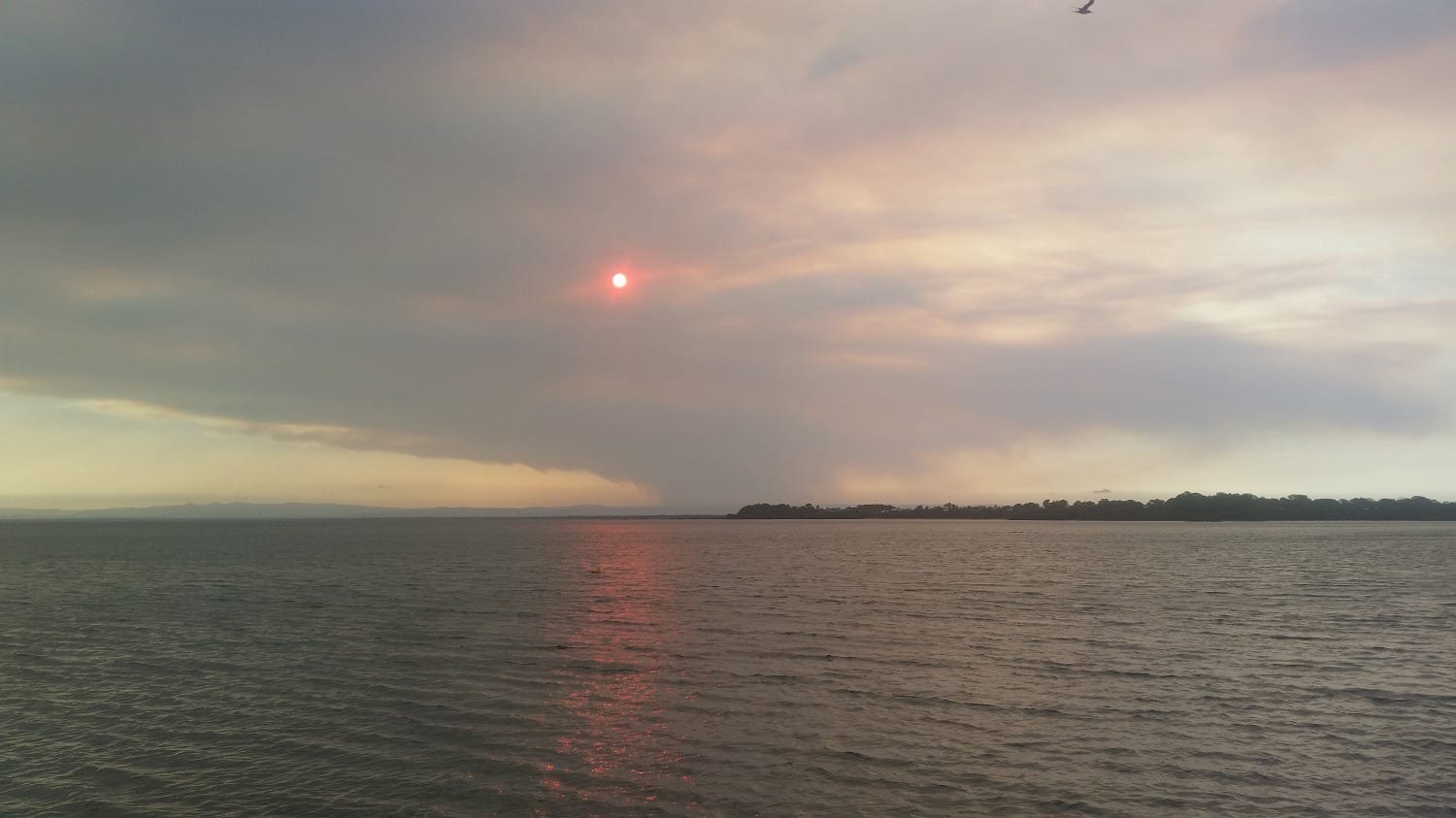
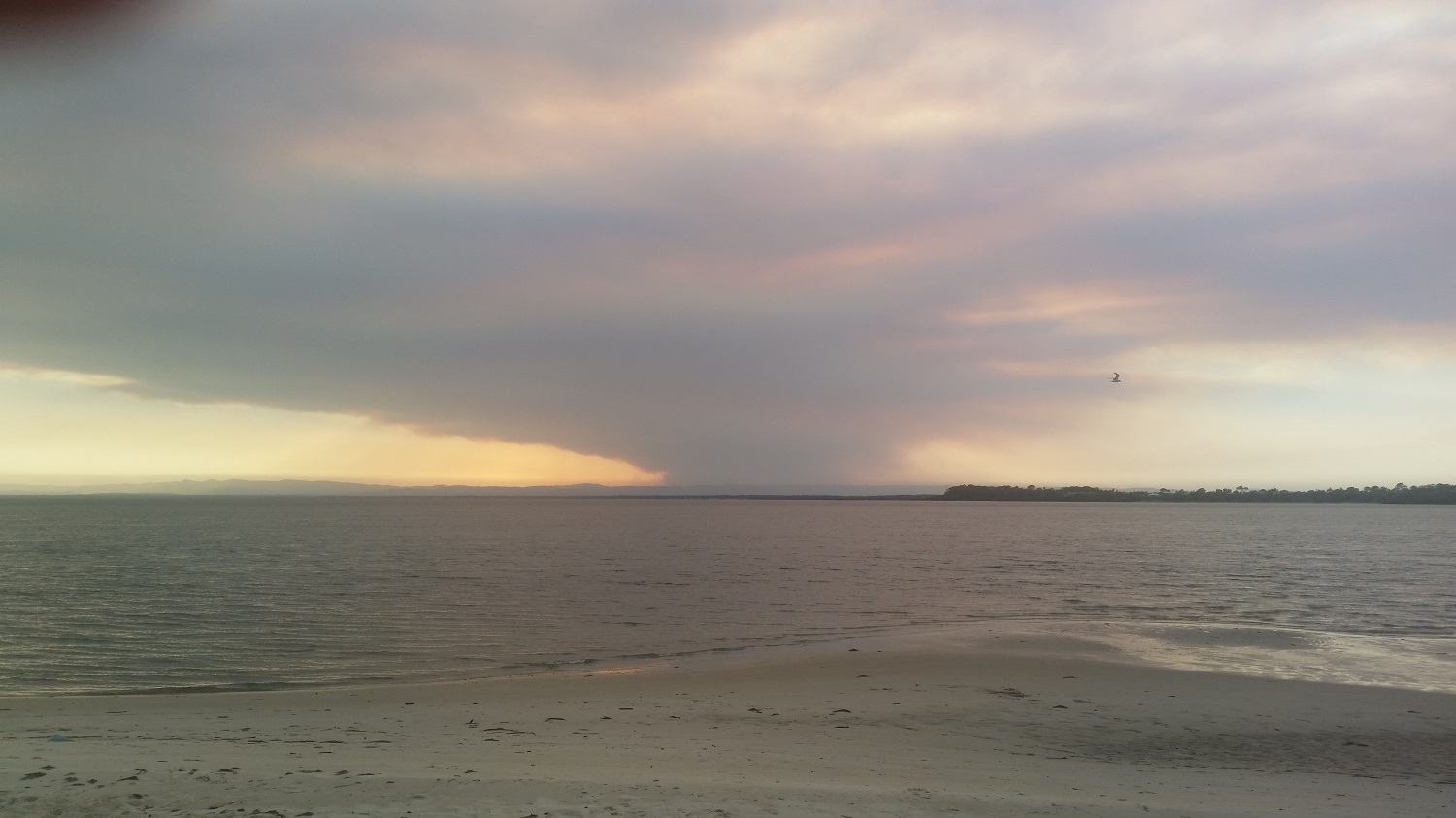
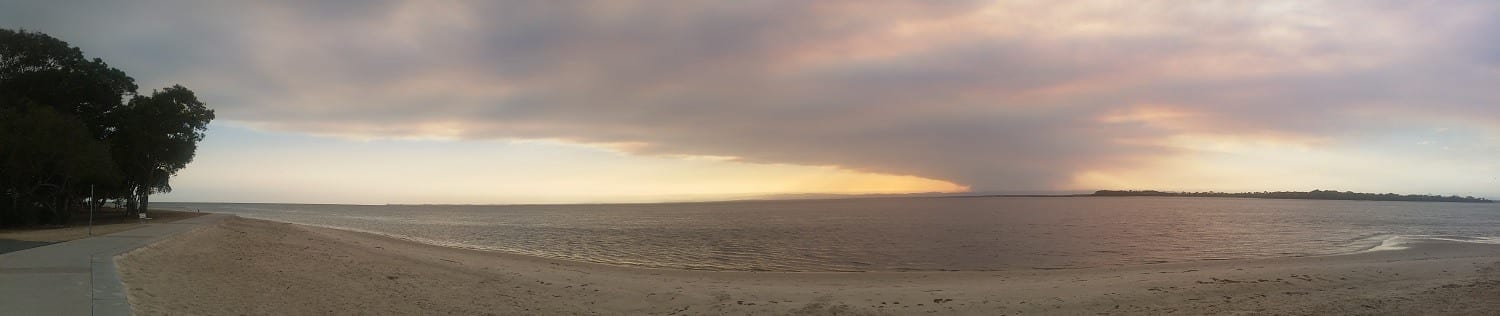
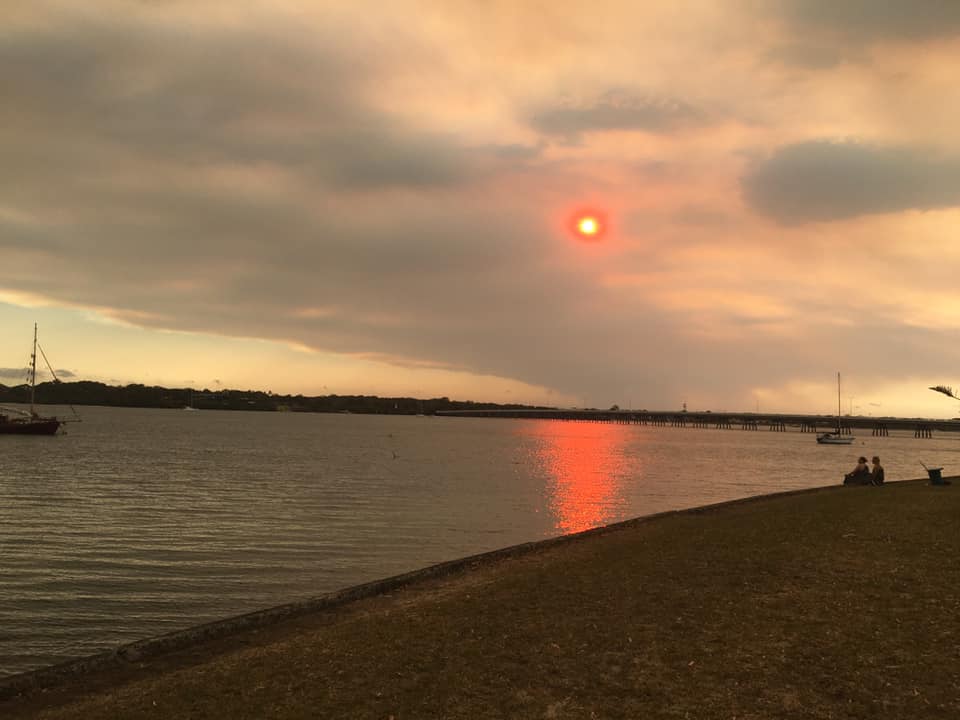
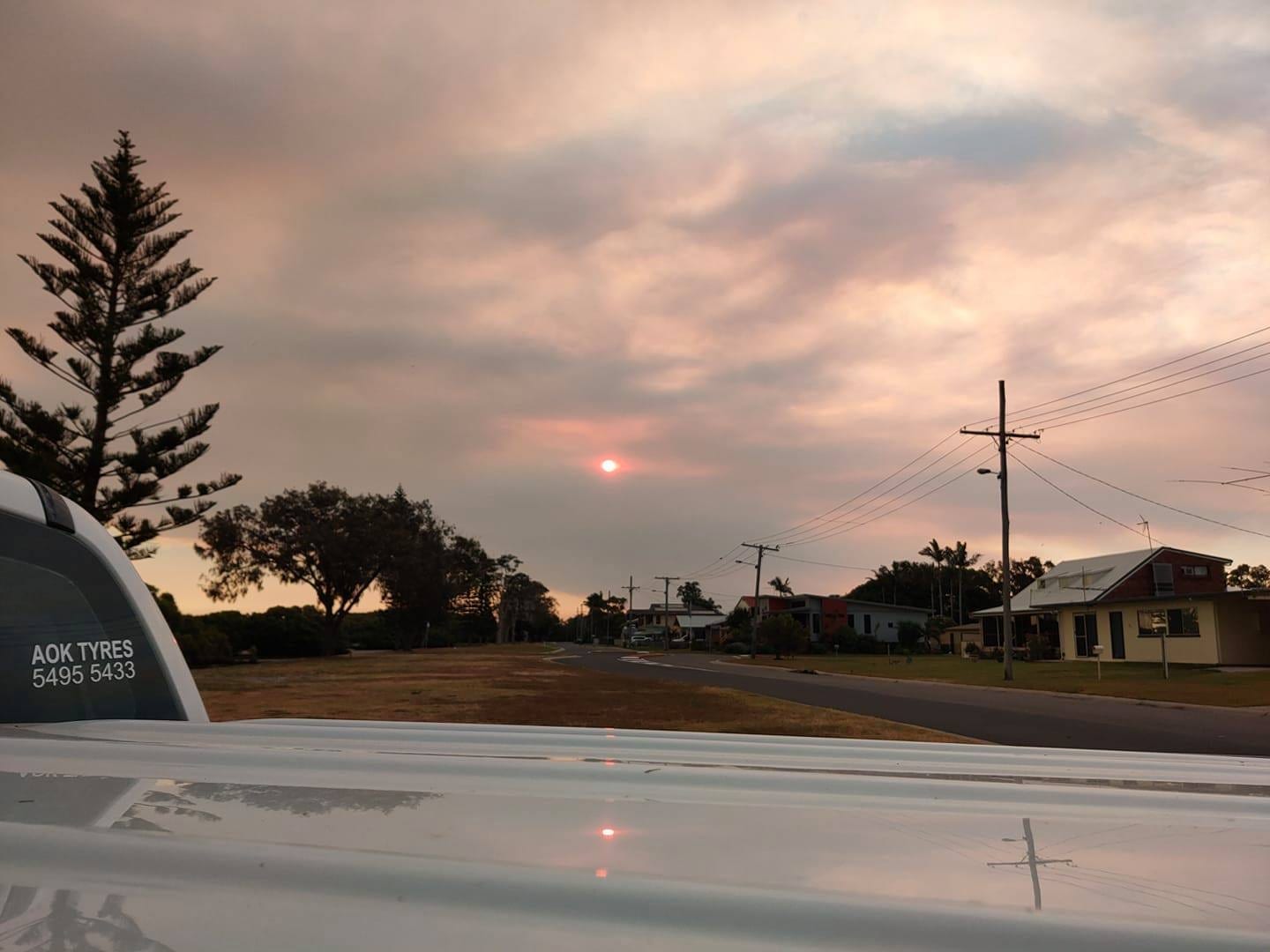
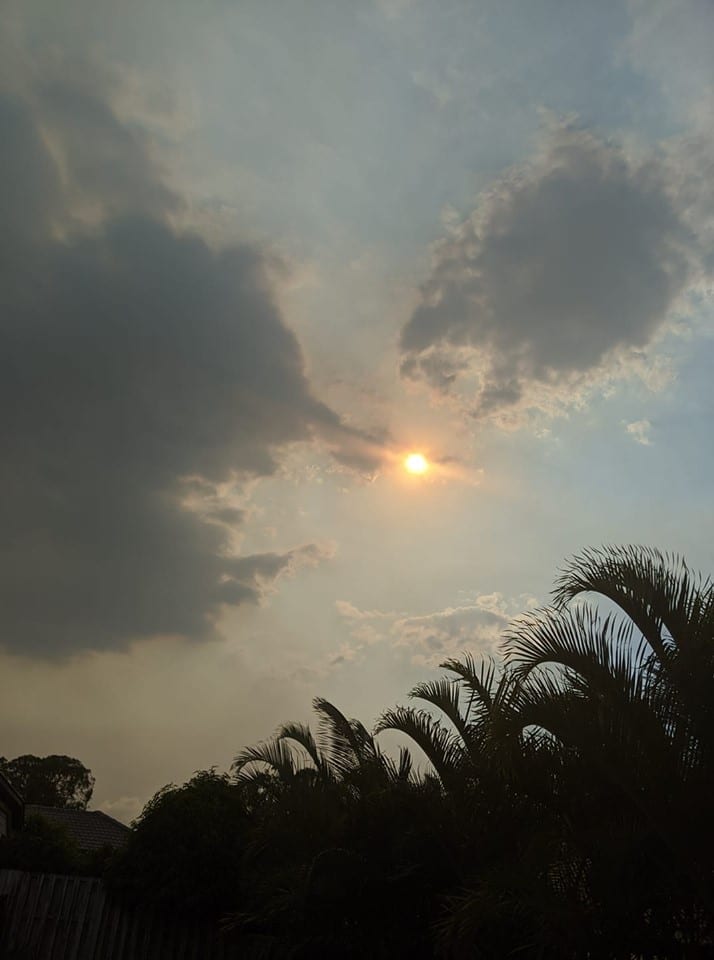
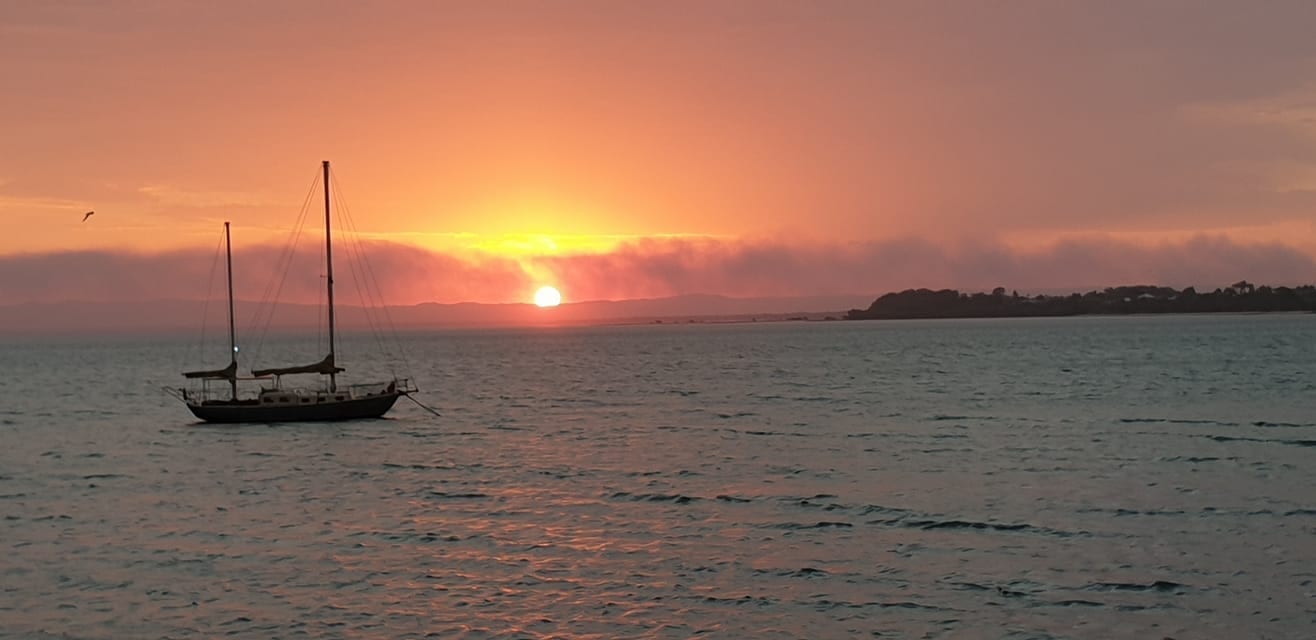
Orange Sun on Bribie Island

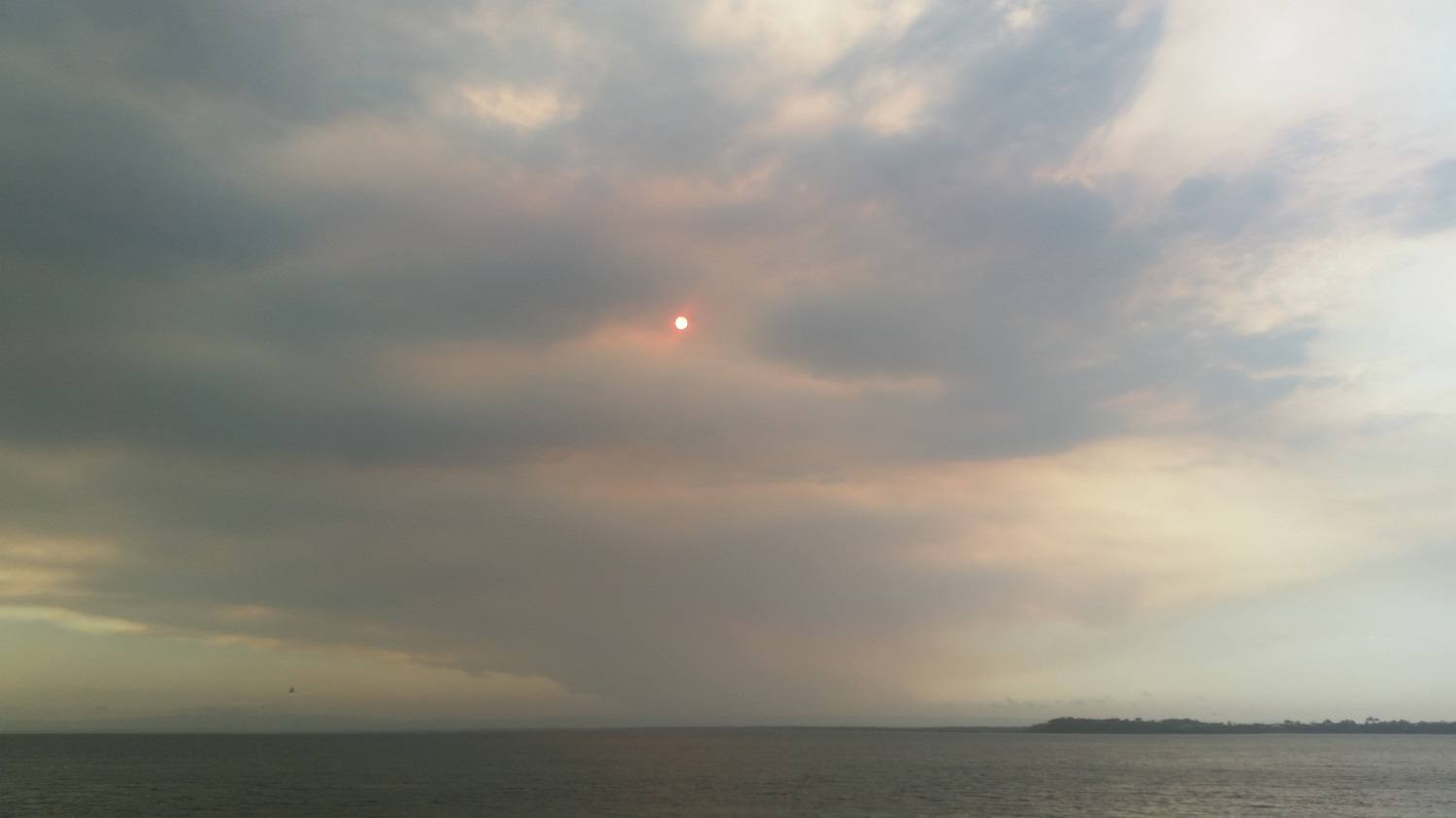
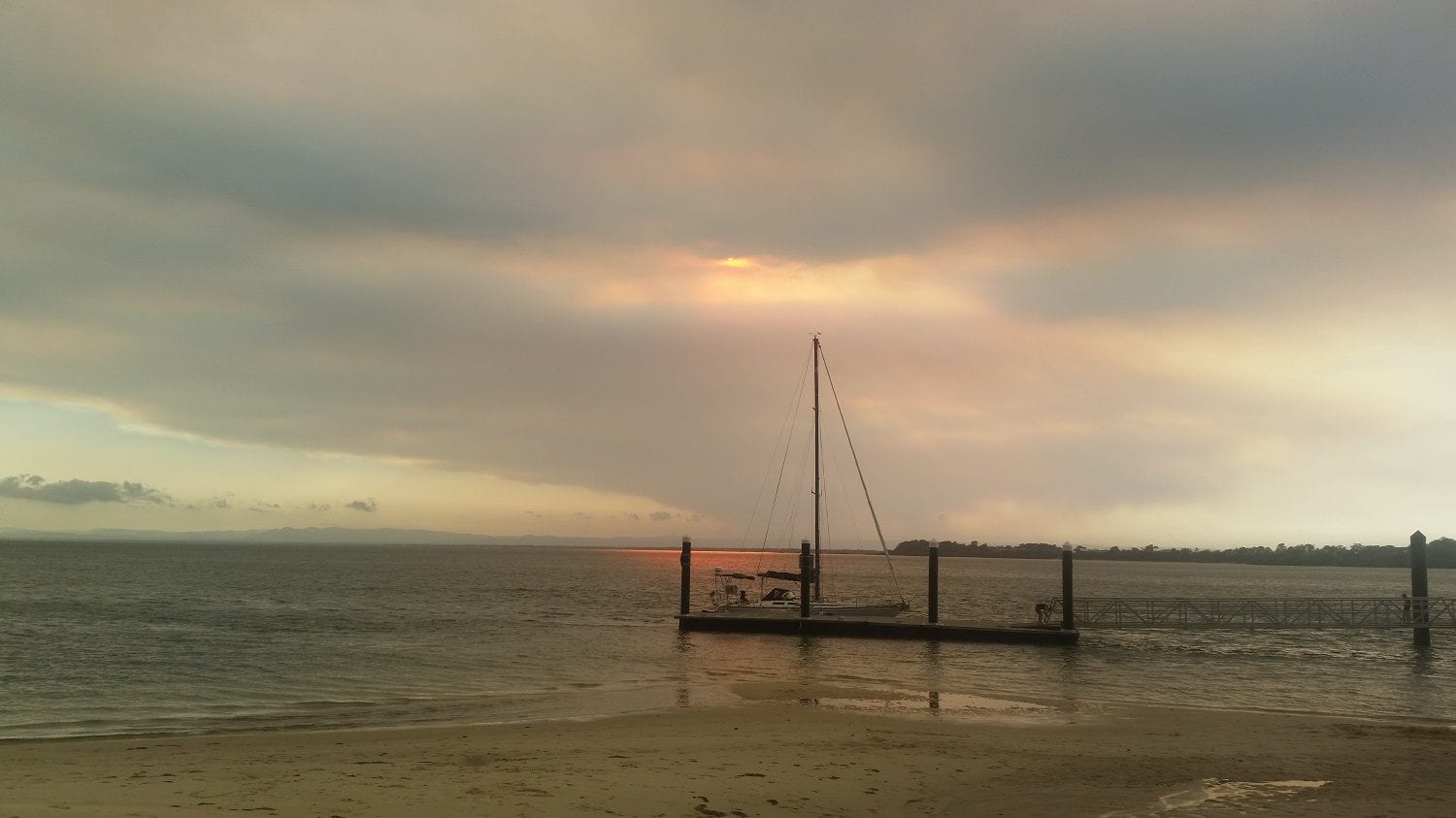
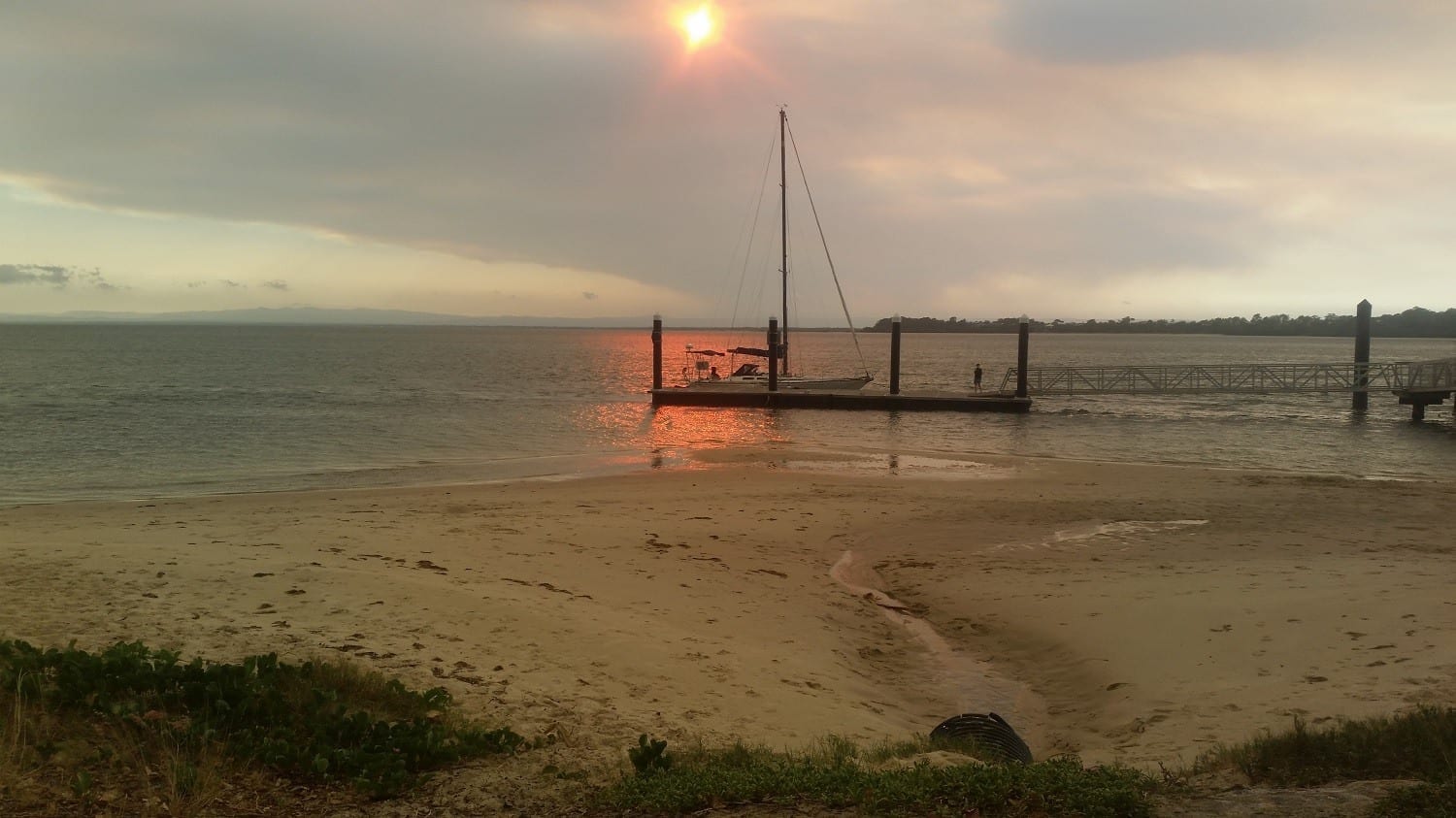
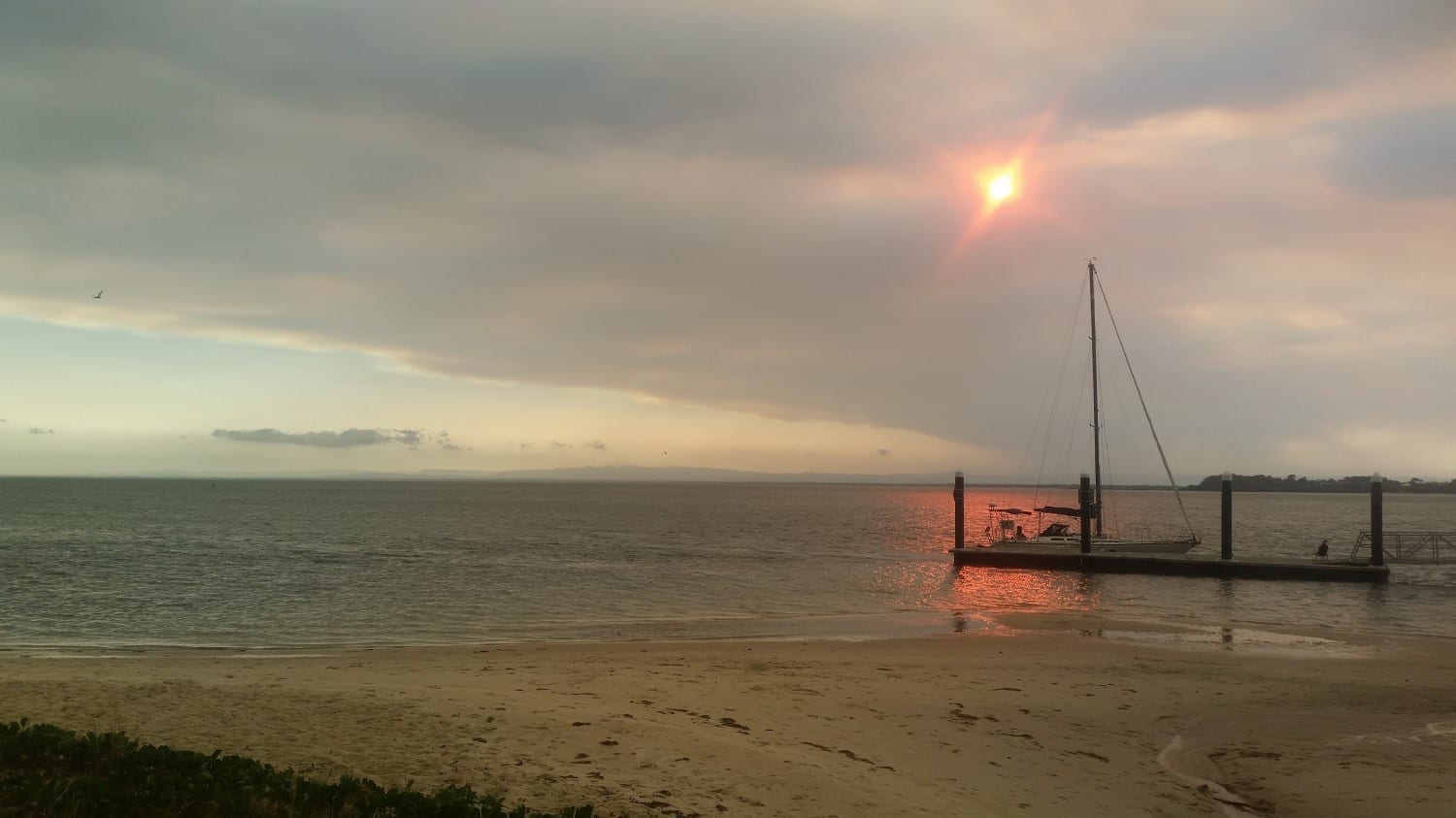
We had an afternoon orange sun on Bribie Island this afternoon from an inland bushfire after some clearing showers and storms.

Art Gallery Exhibition Caboolture – Sid Art

0

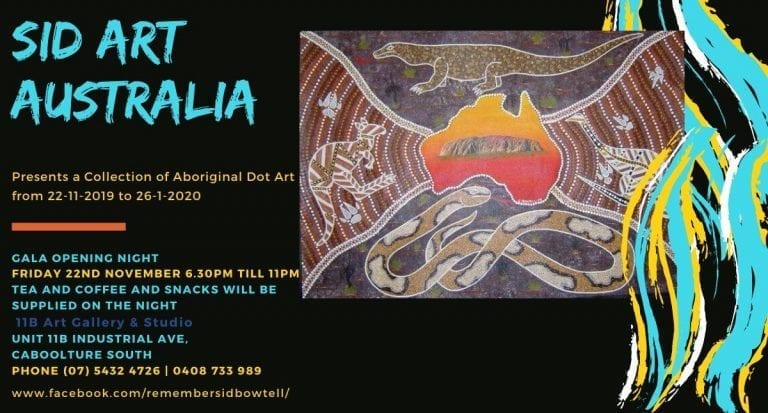
[vc_row][vc_column][vc_column_text]Sid Art proudly presents an aboriginal dot art exhibition in Caboolture.

Come and see the traditional aboriginal style of dot artwork.  Opening night is on Friday 22nd November, the art gallery open to the public from 22-11-2019 to 26-1-2020.

Gala Opening Night

When & where

[/vc_column_text][vc_gmaps link=”#E-8_JTNDaWZyYW1lJTIwc3JjJTNEJTIyaHR0cHMlM0ElMkYlMkZ3d3cuZ29vZ2xlLmNvbSUyRm1hcHMlMkZlbWJlZCUzRnBiJTNEJTIxMW0xOCUyMTFtMTIlMjExbTMlMjExZDI1ODY4Ljg3Mzc5NDQxNzUzNyUyMTJkMTUyLjk2MDY0MjcxNjk4OTkyJTIxM2QtMjcuMDk4Njg3ODE3NTM3NTEzJTIxMm0zJTIxMWYwJTIxMmYwJTIxM2YwJTIxM20yJTIxMWkxMDI0JTIxMmk3NjglMjE0ZjEzLjElMjEzbTMlMjExbTIlMjExczB4NmI5M2YzZGJhYzJhOWZjZiUyNTNBMHhhOTU4MzcxMjVhYjJhZTliJTIxMnMxMSUyNTIwSW5kdXN0cmlhbCUyNTIwQXZlJTI1MkMlMjUyMENhYm9vbHR1cmUlMjUyMFNvdXRoJTI1MjBRTEQlMjUyMDQ1MTAlMjE1ZTAlMjEzbTIlMjExc2VuJTIxMnNhdSUyMTR2MTU3Mzc5ODQ1NDQwNyUyMTVtMiUyMTFzZW4lMjEyc2F1JTIyJTIwd2lkdGglM0QlMjI2MDAlMjIlMjBoZWlnaHQlM0QlMjI0NTAlMjIlMjBmcmFtZWJvcmRlciUzRCUyMjAlMjIlMjBzdHlsZSUzRCUyMmJvcmRlciUzQTAlM0IlMjIlMjBhbGxvd2Z1bGxzY3JlZW4lM0QlMjIlMjIlM0UlM0MlMkZpZnJhbWUlM0U=”][/vc_column][/vc_row][vc_row][vc_column][vc_column_text]

Sneak preview of sidart Showing 22nd November. Unit 11Bart industrial ave South Caboolture . Come and enjoy the legacy of Sids Art

Posted by Remembering Sidney bowtell on Thursday, 7 November 2019

Other Articles

Sunset Pier Cafe – Now Hiring

[vc_row][vc_column][vc_column_text]

Now hiring looking for cooks, baristas, and waitresses.

Please hand in resume in person to sunset pier cafe at Bellara next to The Little Mexicano new restaurant and take away.

[/vc_column_text][/vc_column][/vc_row][vc_row][vc_column][vc_gmaps link=”#E-8_JTNDaWZyYW1lJTIwc3JjJTNEJTIyaHR0cHMlM0ElMkYlMkZ3d3cuZ29vZ2xlLmNvbSUyRm1hcHMlMkZlbWJlZCUzRnBiJTNEJTIxMW0xOCUyMTFtMTIlMjExbTMlMjExZDEyNTY5Ljg2MTY2OTY1Mzk5NiUyMTJkMTUzLjE0NDc2NTQ4NjI5NzU2JTIxM2QtMjcuMDY2MjEwOTg3MjUzMjQlMjEybTMlMjExZjAlMjEyZjAlMjEzZjAlMjEzbTIlMjExaTEwMjQlMjEyaTc2OCUyMTRmMTMuMSUyMTNtMyUyMTFtMiUyMTFzMHg2YjkzZWIzMDFjYzcwNjdiJTI1M0EweGFjYjY3OTYxOTI5NDI5MzYlMjEyc1N1bnNldCUyNTIwUGllciUyNTIwQ2FmZSUyMTVlMCUyMTNtMiUyMTFzZW4lMjEyc2F1JTIxNHYxNTczNzk3MjQ1NTAwJTIxNW0yJTIxMXNlbiUyMTJzYXUlMjIlMjB3aWR0aCUzRCUyMjYwMCUyMiUyMGhlaWdodCUzRCUyMjQ1MCUyMiUyMGZyYW1lYm9yZGVyJTNEJTIyMCUyMiUyMHN0eWxlJTNEJTIyYm9yZGVyJTNBMCUzQiUyMiUyMGFsbG93ZnVsbHNjcmVlbiUzRCUyMiUyMiUzRSUzQyUyRmlmcmFtZSUzRQ==”][/vc_column][/vc_row]

Bribie Island Wildlife – Crested Tern

0

Tags: Thalasseus bergii. Crested Tern. Birds. Wildlife. Native. Australian. Queensland. Moreton Bay.

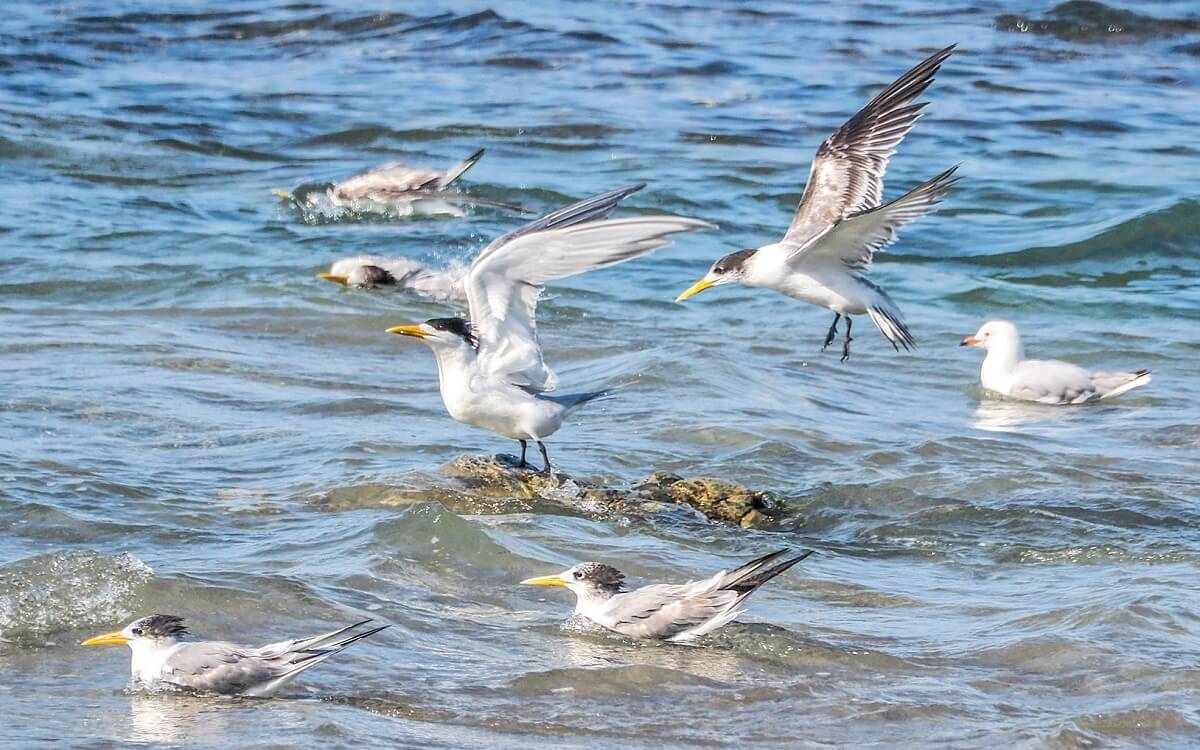
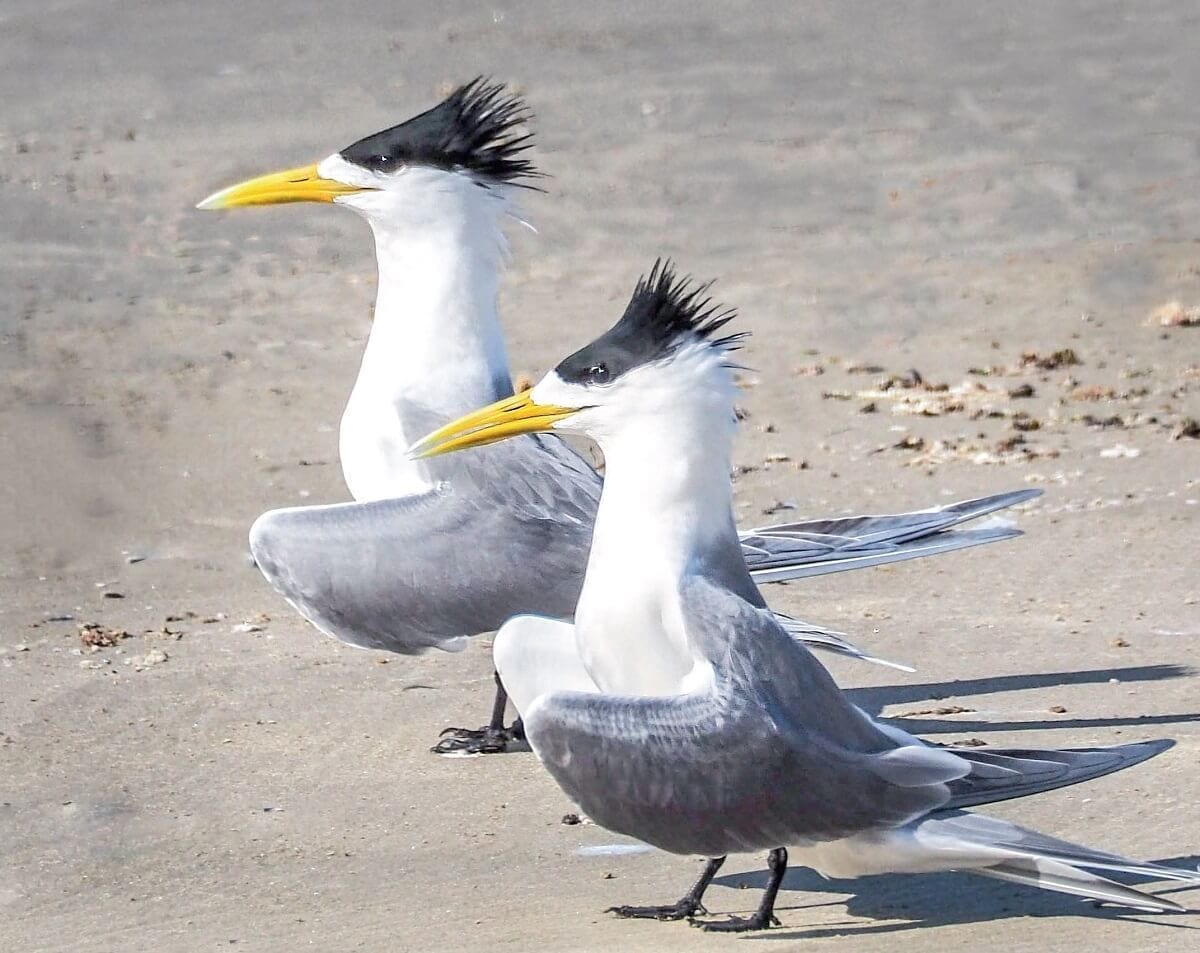
Crested Terns are a common sight on Bribie Island and are often seen flying over saltwater areas or roosting on sandy beaches and manmade structures. A good place to observe them in flight is from the Bribie Island Bridge which is a frequent hunting ground. They can also be observed following behind prawn trawlers coming into port. During late Spring and early Summer, many birds leave the island to breed elsewhere.

Thalasseus bergii. Crested Tern. Birds. Wildlife. Native. Australian. Queensland. Moreton Bay.-1
Courting Couple

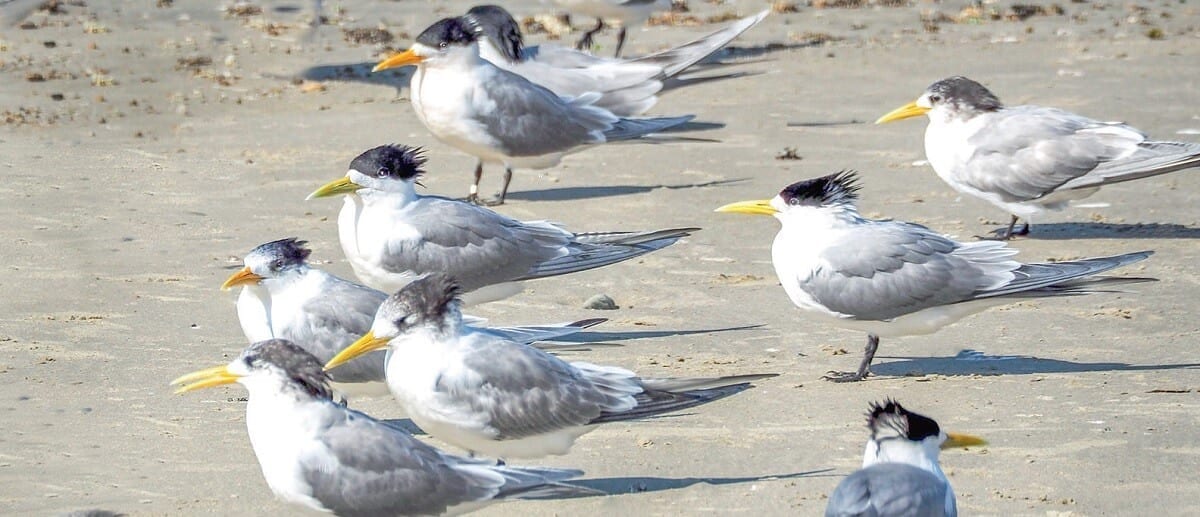
In Australia Crested Terns sometimes referred to as Greater Crested Terns are second only to Caspian terns in size with a length of 43-48 cm and weighing 275-371g. Blackcaps with tousled crests and yellow bills are prominent features for identification. Caps are less black during the nonbreeding season. Wings are long and pointed and tails are forked. Adults are similar in appearance which changes slightly during the breeding season.

Similar to Crested Terns are Lesser Crested Terns which are smaller with shorter legs and a more orange bill. Crested Terns are found in most coastal areas in Australia, on offshore islands and frequently on inland rivers and lakes as they feed in fresh as well as saltwater. They also inhabit the islands and mainland areas in the Indian Ocean and the coasts of South Africa.

Thalasseus bergii. Crested Tern. Birds. Wildlife. Native. Australian. Queensland. Moreton Bay.-1
Note three in non-breeding plumage

Fish are their main food source, but they will also eat baby turtles, eggs, squid and crabs. They fly 5-15 metres above the water and when with their keen eyesight spot a fish, they dive headlong into the water taking their prey at depths up to a metre. Fish 5-8 cm are grabbed at the back of the head and swallowed in mid-air. Breeding takes place mostly on offshore islands in large colonies with other Tern species and Gulls.

Nests are just a scrape on the sand with no lining and made very close together. During the courting period, the pair appear to dance together, and the male offers the female fish as part of the ritual. Clutches of up to 2 mottled brownish eggs are laid and incubated by both parents for 25-26 days. Both parents care for the young and after a few days, the chicks can leave the nests.

Thalasseus bergii. Crested Tern. Birds. Wildlife. Native. Australian. Queensland. Moreton Bay.-1
Roosting – Some in breeding plumage

They fledge at about 38-40 days but remain in the care of their parents for about 4 months. Nest sites often change each year with some birds moving up to 200 km to a different site. Many of the eggs are lost to hungry gulls and ibises. The scientific name Thalasseus is derived from the Greek Thalassa which means sea and bergii are named after the scientist Bergius who studied the terns in South Africa.

Crested Terns are widespread and common around Australia with the population remaining stable. The conservation status is secure.

Other Articles

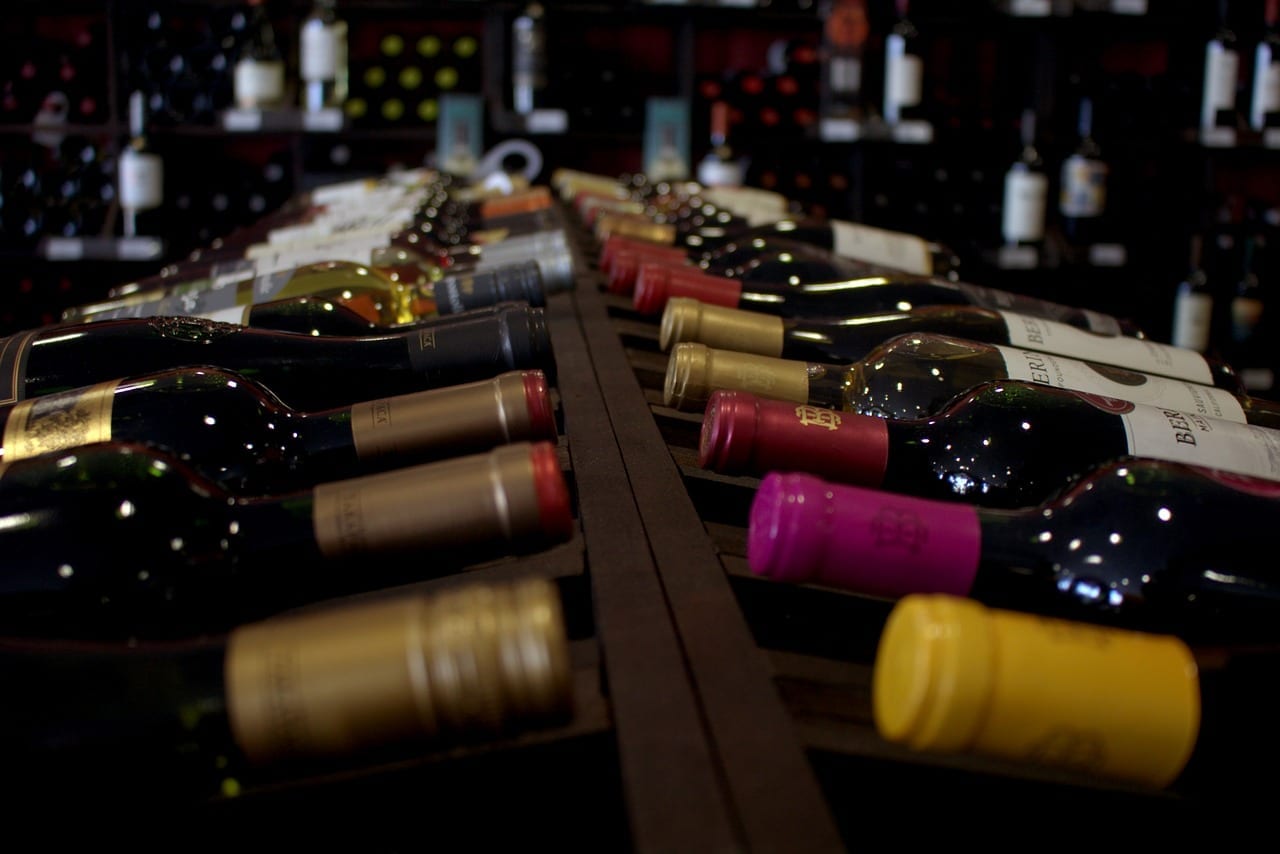
The Bribie WINELANDER

There have been a plethora of new products, styles and grape varieties in the last few years which has left the industry quite breathless, old favourites such as Champagne are losing their crown to the mob over the border in Italy whose Prosecco is climbing the sales ranks although it is likely that price has a deciding factor here as there are very few Champagnes that can be bought under $40 and Australia still ranks as number six when it comes to worldwide sales.

Also as mentioned a couple of months ago the Prosecco market is inflated by a crowd of Australian Prosecco wines at very appealing prices and the sales are added to the Italian wines whereas Champagne has to fight its own battle, however there is another sparkling wine sitting in the wings patiently waiting for the Australian public to find it and that is Cava from Spain.

Cava is the name for Spanish sparkling wine which is made in the same traditional way as that Champagne is produced and that is in the bottle not in tanks, but the Spanish use different grape varieties. Cava means cave in Spanish and refers to the underground cellars where the wines gracefully age in sealed bottles for around one year or more before release and Cava has been produced using this method in Catalonia since the 19th century.

The grapes used in making Cava are indigenous to Catalonia being Parellada, Macabeo, and Xarel-lo which tolerate a much warmer climate than those varieties, Chardonnay, Pinot Noir, and Pinot Meunier, found in Champagne as the warmer climate produces riper grapes and Cava tends to be lower in acidity than Champagne. The largest producer of Cava and also one of the largest producers of sparkling wine around the globe is Freixenet which is a family-owned winery whose roots stretch back to 1861 and arose from a great love story.

Wine prices Riesling. Sauvignon Blanc. Chardonnay. CabernetIn 1889 Dolores Sala Vive heiress to the Sala wine emporium married Pedro Ferrer Bosch, a boy from the neighbouring vineyard of la Freixeneda in the wine region of Penedes, just south of Barcelona. They went into business together producing traditionally crafted sparkling wine and in 1914 began selling their products with the Freixenet name due to the nickname El Freixenet given to Pedro by the locals.

During the 1920s the family’s flagship sparkling wines experienced great success both domestically and internationally until the beginning of the Spanish Civil War when the family suffered the loss of both Pedro and his eldest son. Dolores took over running the company until her son Jose Ferrer took over and by 1980 Freixenet became the world’s largest producer of sparkling wine.

Jose is now semi-retired and his son Pedro leads the charge and under his guidance, the company now has winery operations in Mexico, Argentina, Sonoma Valley, Champagne, Bordeaux and here in Australia in Coonawarra and Mildura. In 2018 Freixenet joined forces with Henkell and Co to become one of the leading sparkling wine producers in the world. In Spain Freixenet in Sant Sadurni d’Anoia has some 54kms of underground caves that contain over 120 million Bottles of Cava at any one time.

As we approach the time of year when sparkling wine comes into its own with the Melbourne Cup followed by Christmas perhaps this is an opportunity to try something different to Prosecco and Champagne and try a Freixenet Cava and as the bullfighters call out Ole. As previously mentioned, the emphasis on wine sales in all the buying groups, Woolworths, Coles and even the independents are on their own labels so that they can charge what they want because you can’t buy the wines elsewhere if you find something you really like.

Private labels now account for over 1 in 5 of all bottled wine sold but the problem I have with this is it allows these businesses to make offers that have a degree of doubt about the true value of the special price of them. Having tried a couple of the so-called half-price specials I certainly wouldn’t pay the full price for the product and it is probably even at half price the wines are still overpriced which is why I generally stick to known brands, at least you get what you pay for.

When the posters read half-price week after week you begin to become suspicious, and I have always believed if you sell your product on special too often then that becomes the acceptable price for that product and it becomes too hard to go back to the full price. If you are looking for something special this weekend Australian wines had a haul of 29 gold medals in this year’s International Wine and Spirit Competition with Australian fortified wines receiving some of the highest marks ever awarded at the competition accounting for eight of the gold medals in addition to the Fortified Wine Trophy.

wine chardonnayThe Grant Burge 20-Year-Old Tawny N.V. and Hardy’s Rare Tawny N.V. were both awarded 98 points, the highest score for Australian wines this year and as I have mentioned many times is a reflection on a style of wines we here in Australia have turned our backs on and one which offers fantastic value for money.

Morris Wines of Rutherglen took three of the gold medals awarded for their fortified wines with their Morris Old Premium Rare Muscat receiving 97 points. Cabernet Sauvignon from Coonawarra and Margaret River plus Shiraz from South Australia took a clear leader amongst the top reds, Chardonnay showed a welcome return to a more generous style whilst the stand out dry white style in the whites was Semillon and both of these varieties age beautifully and again there are many bargains to be had especially with Semillon.

Several wineries stand out when it comes to Semillon but consistent producers are Tyrrells and McWilliams and certainly one of the great Semillons is McWilliams Mt. Pleasant Elizabeth Semillon which can be bought for under $20 at Dan Murphy’s, if you can find a bottle with a bit of age the wine will show a little toastiness which really adds to the character of the wine.

Other wines to win gold medals were The Bird in Hand Nest Egg 2018 Chardonnay, Penny’s Hill Skeleton Key 2017 Shiraz, Taylor’s 2017 St. Andrews 2017 Cabernet Sauvignon, St. Hugo 2016 Coonawarra Cabernet Sauvignon, McGuigan 2017 Bin 9000 Semillon, Saltram 2018 Series 5 Riesling and Langmeil Hallowed Ground 2017 Shiraz. Enjoy.

A couple of oldies:

Money, wine and women have good and bad things in them

Randle Cotgrave

Play, women and wine are enough to make a prince a pauper Speak for yourself,

Mr. C.H. Spurgeon!

Other Articles

“Days of Our Lives” World Polio Day – 24 October

0

World Polio Day is celebrated globally on 24 October each year. I know we have so many “Days” we can grow weary of them – yet many represent such great causes – Red Nose Day, World Cancer Day, World Arthritis Day and Clean Up Australia Day. Some Days are important, but others, such as ‘Howl at the Moon Day & Night’ or ‘World Jelly Bean Day’, are just for fun.

The purpose of World Polio Day is to create awareness of the importance of eradicating Polio and celebrate the efforts of the thousands of workers and volunteers who are committed to the End Polio Campaign. The day also commemorates the birth of Jonas Salk, who led the team that developed the first Poliomyelitis vaccine. The celebration of World Polio Day was initiated by the Rotary Foundation 10 years ago.

This year Rotary Clubs around the World are celebrating the Day by holding events such as lighting bridges and Public buildings, holding Pub Crawls or wearing red ponchos, bearing End Polio logos and marching through their Districts. Club members from our local District rode the trains wearing their End Polio shirts and accepted donations from commuters. They aimed to make this ‘the end of the line for Polio.’ Bribie Rotary celebrated by holding a High Tea and Trivia night.

Most people know that Rotary International (RI) is one of the World’s leading charities. But they may not be aware that RI has just been awarded the highest rating possible for the twelfth year in a row by Charity Navigator, the leading independent charity evaluator. And I am sure the majority of people are aware that ending Polio is Rotary’s Number One priority and has been for the past 34 years.

In 1985, RI launched PolioPlus, the first and largest internationally coordinated private-sector support of a public health initiative. In 1988, when polio was endemic in 125 countries and paralysed 350 000 children every year, RI became a partner in the Global Polio Eradication Initiative (GPEI). Since then Rotary, along with its partners, has worked to eliminate Polio and has had a 99.9% success rate.

The last mile is proving to be the hardest but if we stop our efforts now, within ten years we could see as many as 200,000 new cases each year, around the world. This means that children everywhere remain at risk until polio is eradicated. My article in the 16 August edition of The Bribie Islander talked about the countries where the virus is still endemic and the difficulties in making sure every child is vaccinated.

I asked that we stop being complacent and ensure we keep going until every child is vaccinated. So today, I am going to tell you about a not so well-known fact – that is, that polio survivors suffer from Post-Polio Sequelae/ Syndrome in later life. Post-Polio Sequelae (PPS), also known as Post-Polio Syndrome, and The Late Effects of Poliomyelitis, are the unexpected and often disabling symptoms that occur about 35 years after the poliovirus attack in 75% of the paralytic and 40% of ‘’non-paralytic’’ polio survivors.

Symptoms include overwhelming fatigue, muscle weakness, muscle, and joint pain, sleep disorders, heightened sensitivity to anesthesia, cold and pain, as well as difficulty swallowing and breathing. According to Dr. Richard L. Bruno, the world’s leading expert on PPS, the condition is caused by decades of ‘overuse abuse.’ The poliovirus damaged 95% of the brain stem and spinal cord motor neurons, killing at least 50%.

Virtually every muscle in the body is affected by polio, as are brain activating neurons that keep the brain awake and focus attention. Although damaged, the remaining neurons compensate by sending out ‘sprouts,’ like extra telephone lines, to activate muscles that were orphaned when their neurons were killed.

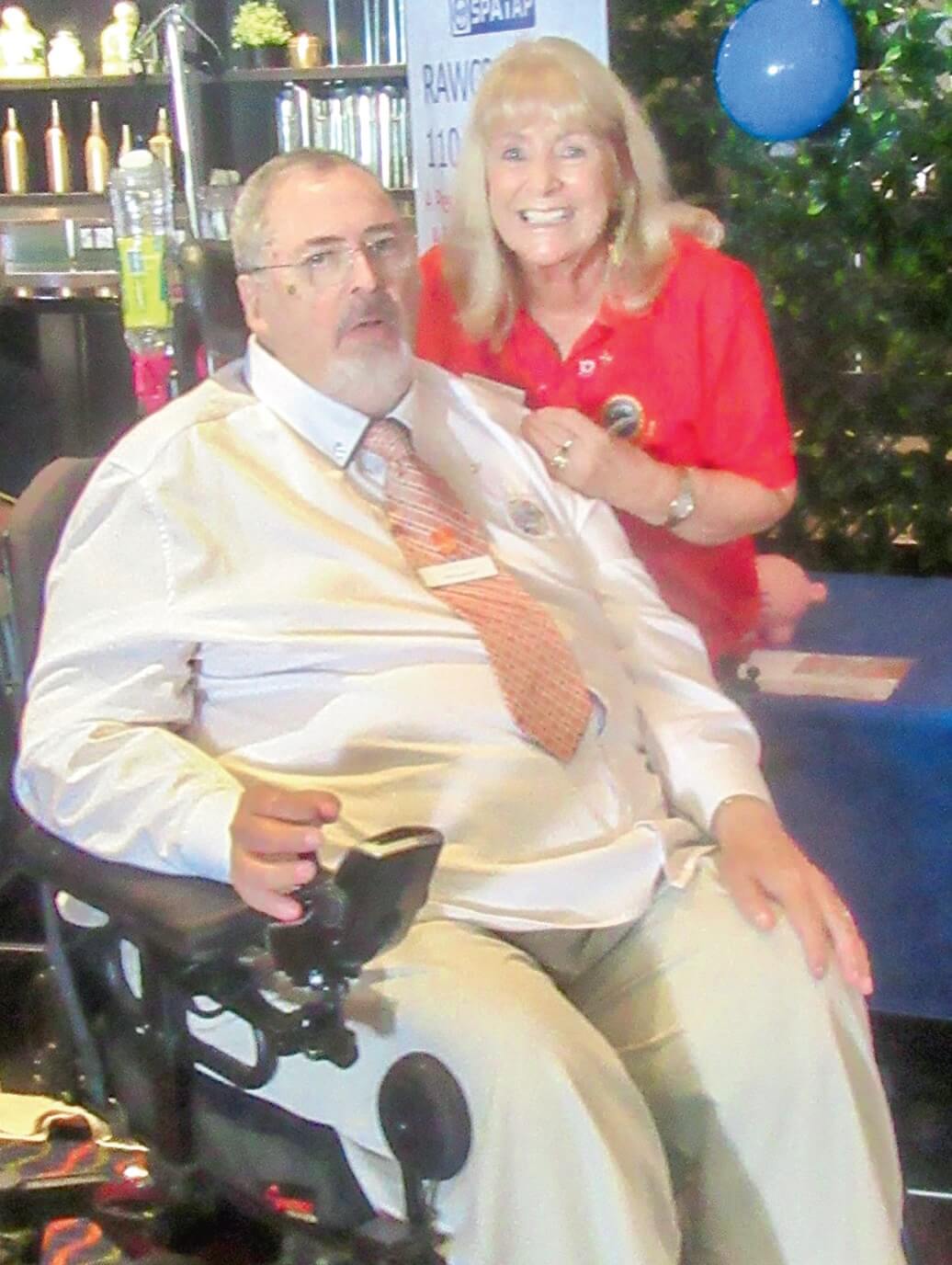
bribie island rotary world polio day marketsThese over sprouted, poliovirus damaged neurons are now failing and dying from overuse, causing muscle weakness and fatigue. There are approximately 20 million polio survivors worldwide and for the past 30 years, Dr. Bruno has studied and treated over 6,000 PPS patients.

The existence of PPS has also been verified by articles in numerous medical journals. My friend and fellow Rotarian, Bill Peacock is a Polio survivor and now a victim of PPS. Like Bill, many Polio survivors, believe they are part of the End Polio solution and work tirelessly for the campaign so that others will not suffer what they have suffered.

The existence of PPS means that if a child is diagnosed with polio today and is lucky to survive the initial attack, there is every likelihood they will be wheelchairbound and totally dependent in later life. We have come such a long way in the campaign but Rotary is not good at publicising its achievements. As Bill Gates said, ‘The world’s progress in fighting polio might be one of the best-kept secrets in global health.’

So we now want our local community to know that Bribie Rotary will be boasting about our work and contributions towards Ending Polio; and we will boast about the help we receive via donations, attendance at events, and the returns from the Rotary Markets. These are all so much appreciated.

YES – the simple act of buying a sausage sandwich or a raffle ticket will help eradicate this distressing disease! Certainly something worth thinking about the next time you pass the Rotary Van at the Markets, on the second Sunday of every month. And, maybe, a good excuse to buy that second sausage or another raffle ticket!

Other Articles

Gloss Magazine Bribie Islander 23rd Edition November 8th 2019 Issue 100

Get all your community news and information. Bribie Islands only community gloss magazine NOW EVERY TWO WEEKS! – Articles on boating, camping, fishing, life, drama, travel destinations, sports and what to see and do on Bribie Island. Covering charities, organisations, places, children’s activities, arts and crafts, tourist destinations, heritage parks, technology, science, music, gardening, and much more.

Download the latest digital edition here

Last Issue

The Bribie Islander Magazine Issue 99 

Health & Nutrition – High five your veggie intake

0

Hands up if you eat the daily recommended amount of vegetables? If you answered ‘yes’ with all five fingers for the five recommended serves, you’d be among the very few who do. In Queensland, as many as 93 percent of Queensland adults are not eating the recommended servings of vegetables every day.

Each year in October National Nutrition raises awareness around the role of food on our health with the overarching theme of Try For 5 – a campaign developed by Nutrition Australia that encourages people to increase their daily vegetable consumption to the recommended intake of five serves.

Cancer Council CEO Ms. Chris McMillan said that at least one-third of all cancer cases are preventable through healthy lifestyle choices, including eating a healthy diet. “Fruit and vegetables are an essential part of a healthy balanced diet; they are high in nutrients such as fibre, vitamins, and minerals as well as antioxidants and phytochemicals,” she said. “Eating plenty of vegetables and fruits is likely to reduce the risk of cancer of the mouth, throat, esophagus, stomach, and bowel.

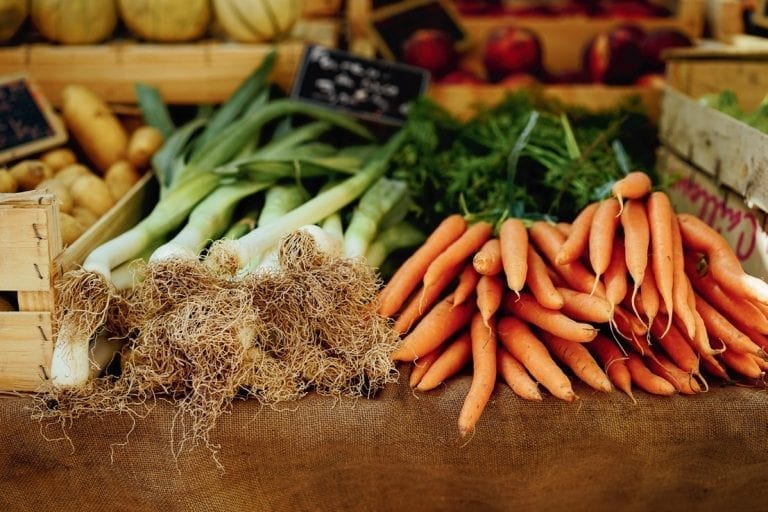
health and wellbeing vegetables-3Fruit and vegetables also play an important role in weight management and therefore cancer risk. “Maintaining a healthy lifestyle should be a top priority all year round – let’s Try For 5, not only during October but every day.” Here are five tips to get your five serves of veggies each day.

1. Embrace your waste.

If you’ve ever cut off parts of a veggie that you didn’t particularly like, you wouldn’t be alone. However, this National Nutritional Week, try using the whole vegetable in your meal to get as many nutrients as possible, try to use ageing vegetables rather than throwing them out, and purchase ‘ugly’ veggies where possible to help reduce wider social waste.

2. Sip a serve.

Swap store-bought fruit juice, which is often packed full of sugar and stripped of fibre, for a homemade juice made primarily from vegetables. Try carrot, celery, beetroot and ginger juice, or add kale and spinach to your morning smoothie.

3. Boost your breakfast.

Get your first serves in early by adding one or two vegetables to your breakfast. Spinach, onions, mushrooms and grated zucchini all make great additions to omelette’s and savoury muffins; they can also act as the perfect sautéed side dish for eggs on toast.

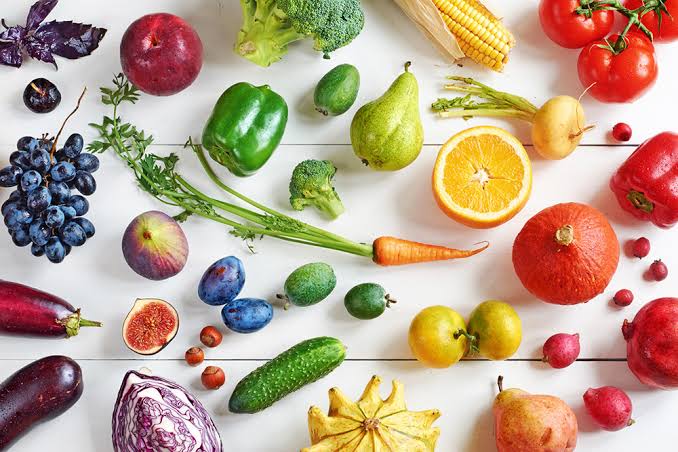
health and wellbeing vegetables-34. Sneak them into a snack.

You can give into the mid-morning munchies without feeling guilty by snacking on a serve of raw veggies like carrot or celery. Bring along a healthy dip of hummus or avocado and you’ll soon be looking forward to your daily snack.

5. Add extra to everything.

Think of your fifth and final serve of veggies as your extra boost to round out the day. By adding extra vegetables to all your meals, you can be certain that you’ve reached your daily intake. You can mix in extra to your stir-fries, slip them into your sandwiches, and stir more into your soups and sauces.

The theme is ‘embrace your waste’, encouraging Australians to help reduce food wastage by eating the whole vegetable, using ageing vegetables, and purchasing ‘ugly’ vegetables where possible. More information is available at www. nutritionaustralia.org More information about Cancer Council Queensland and healthy living is available at cancerqld.org.au.

Other Articles

Health and wellbeing – BRIBIE SIMPLY HEALTHY

EMERGENCY SERVICES EXPO 2019

A Great Success

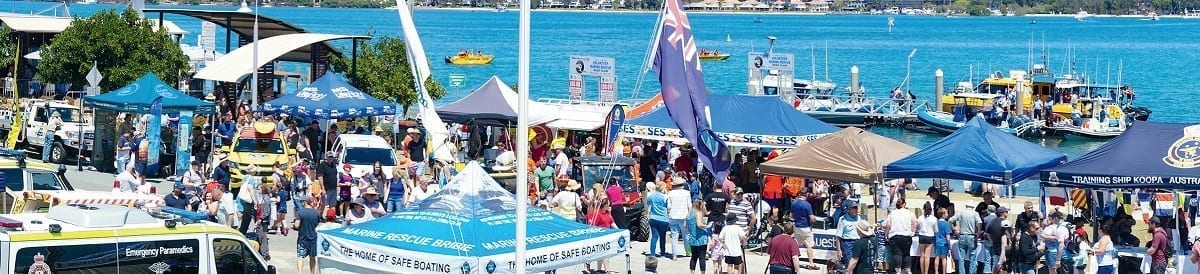
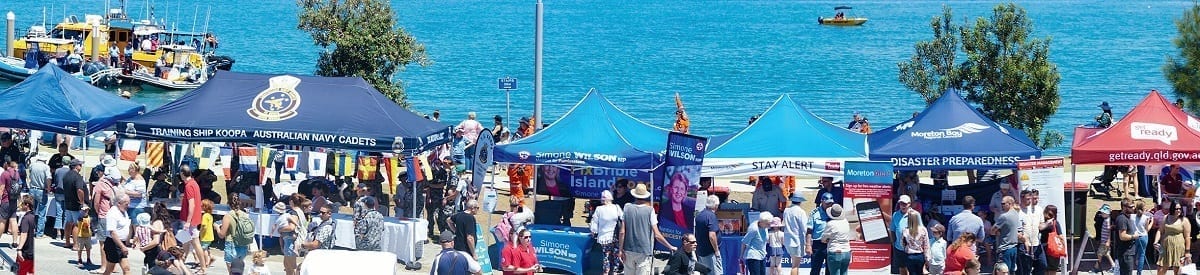
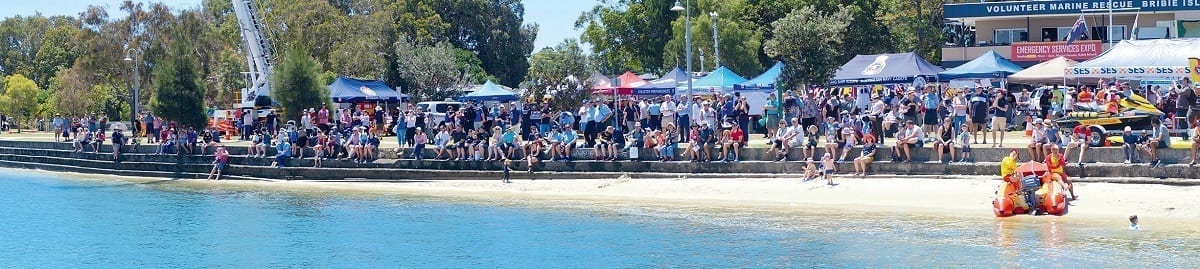
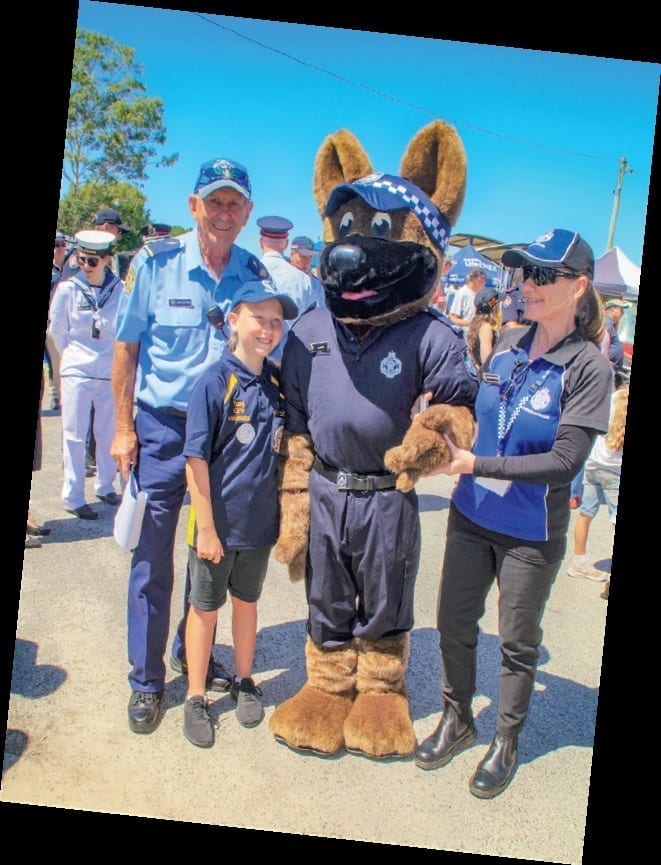
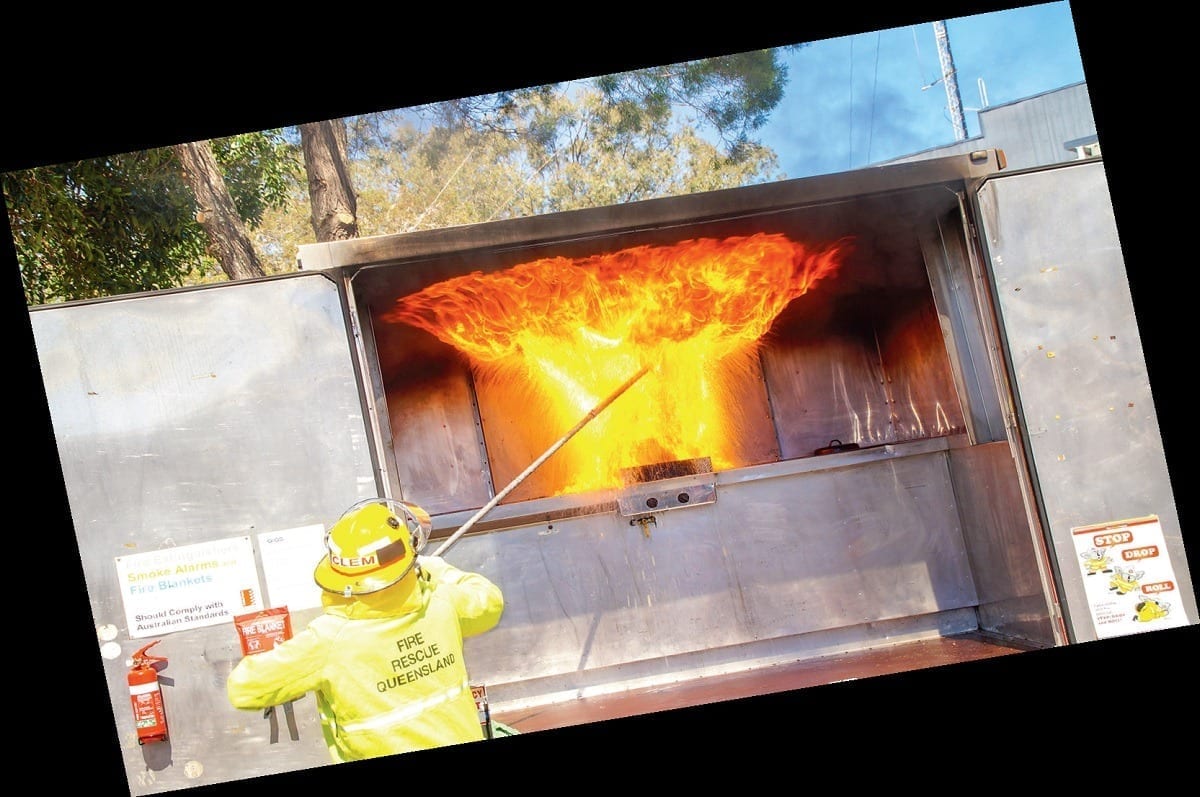
The 2019 Bribie Island Combined Emergency Services EXPO has come and gone for another year. Over the past days, the feedback to me and my colleagues from those who participated in the event, the local community, social and print media, the 2019 EXPO was: “The most outstanding event held so far” … although hard to gauge, many are estimating crowd numbers to be more than 3500 people!

Personally, I cannot express my gratitude deeply enough and on behalf of the organising committee, I sincerely thank everybody who contributed. The success of the Emergency Services EXPO is so dependent on the valued input, support, and participation of our emergency services partners.

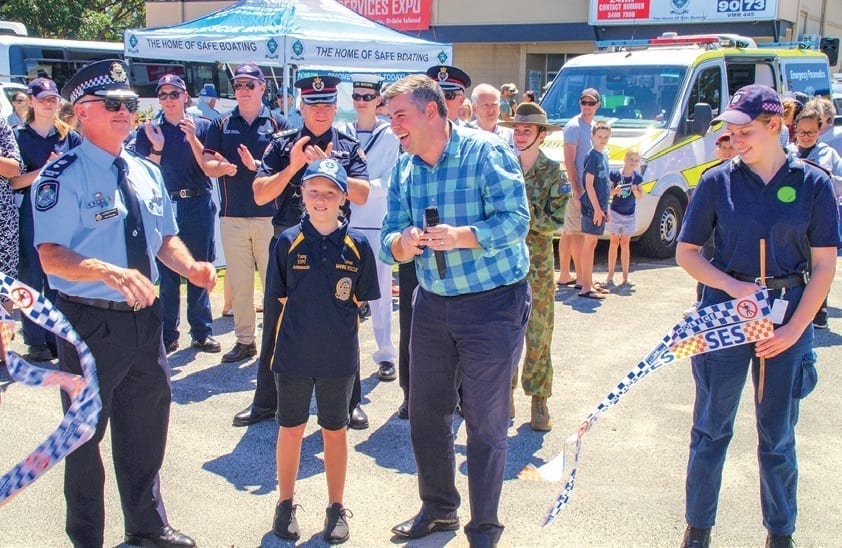
This year we introduced our first Emergency Services Young Ambassador, Tahnee Gordon from Bribie Island State Primary School and plan to continue the Young Ambassador program next year. It is a good opportunity to engage with the younger generation, who will form part of our future emergency services. Following the arrival of the official party, Grace Lutheran College 14-year-old student Morgan Adamski sang a beautiful rendition of the National Anthem.

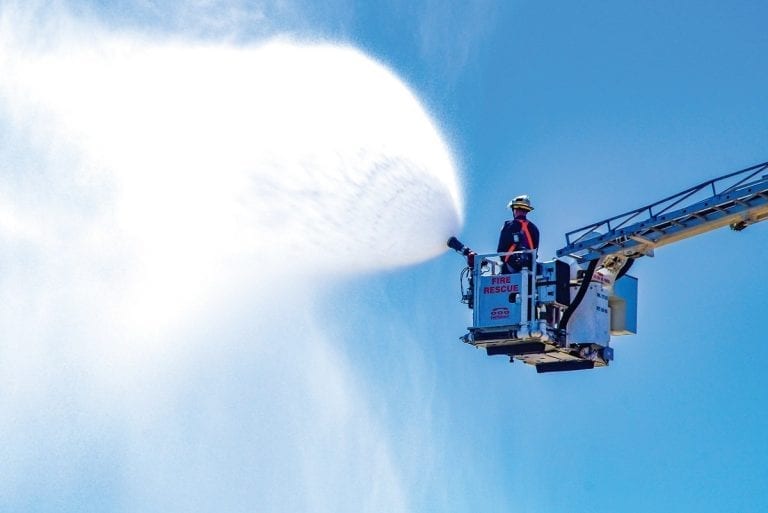
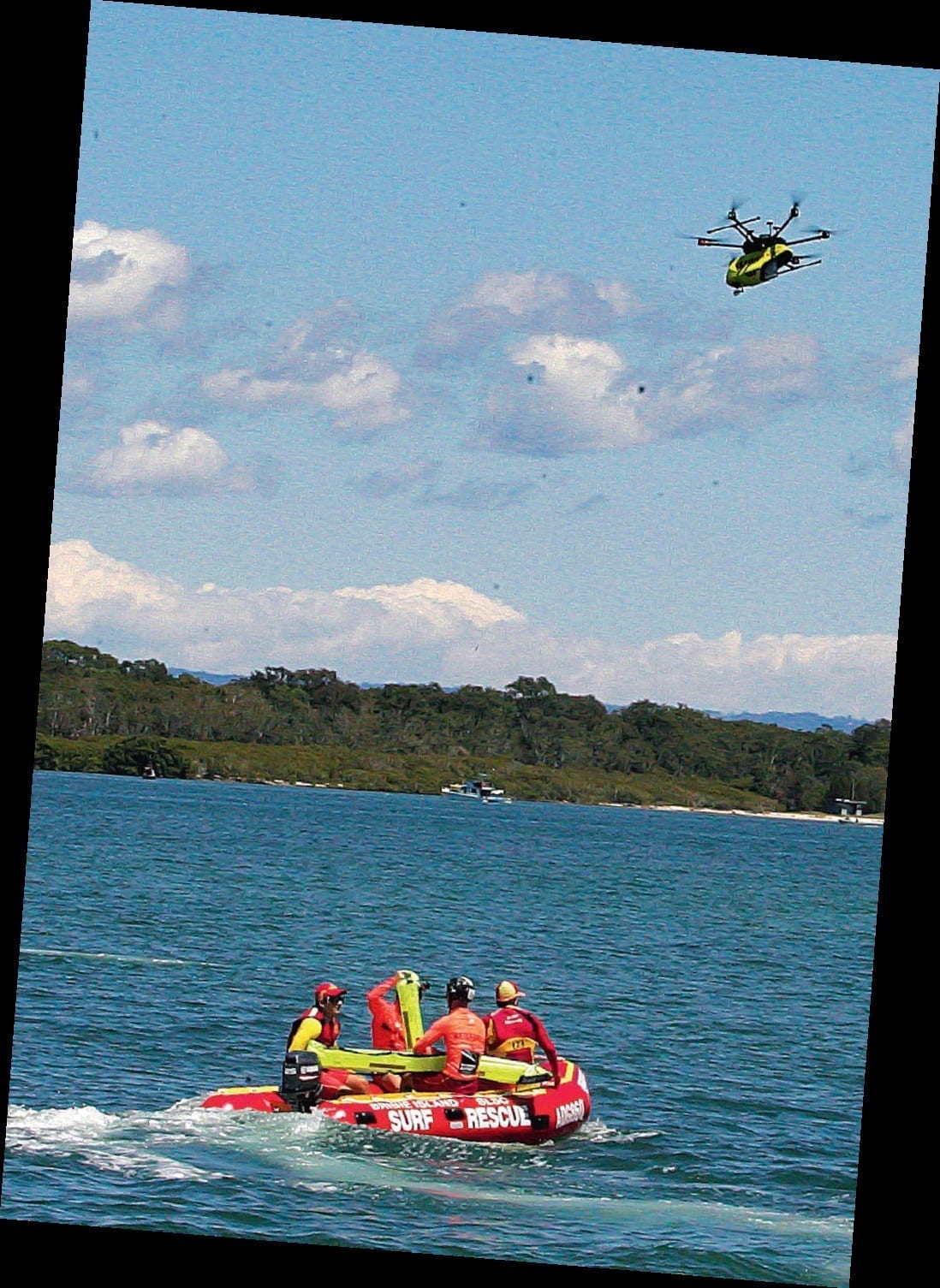
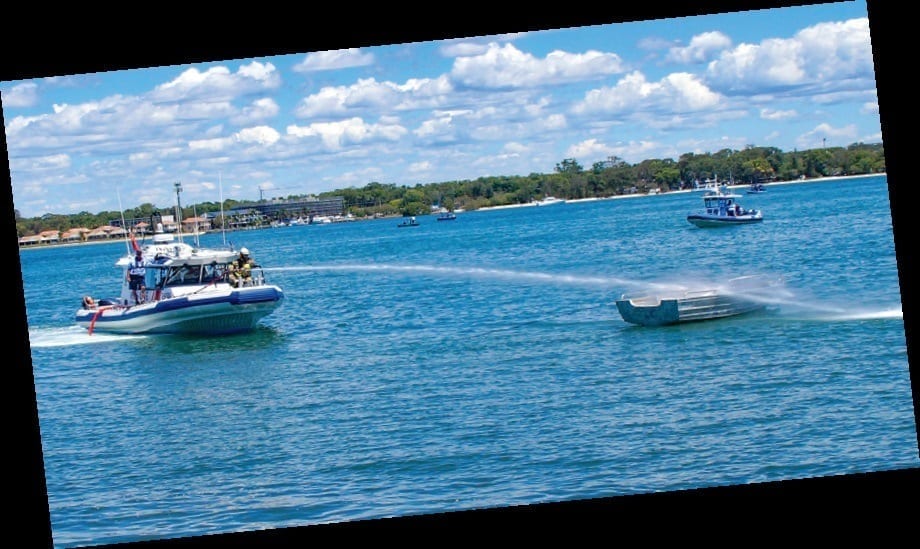
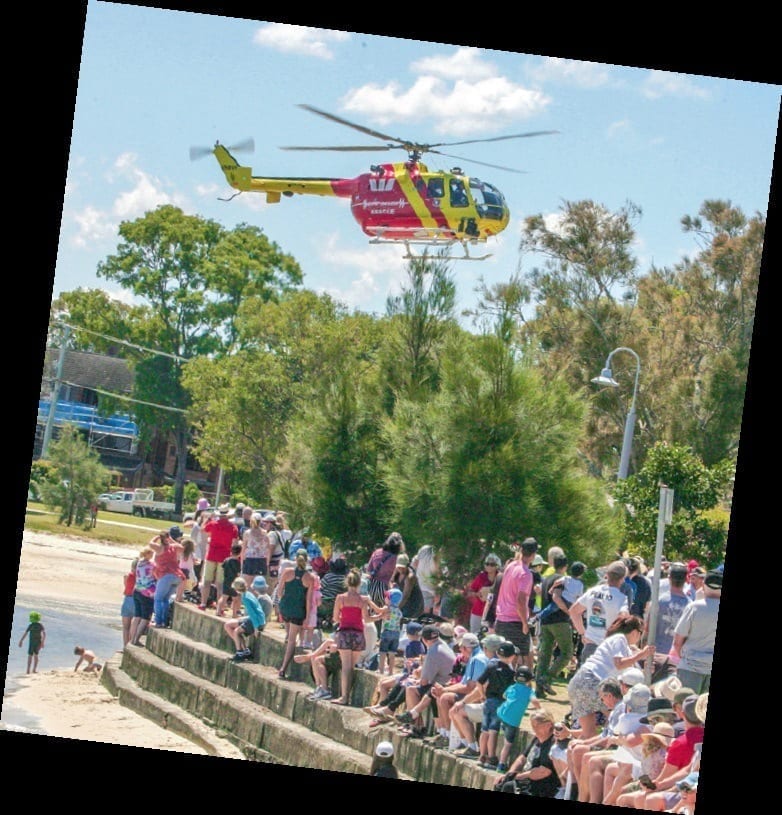
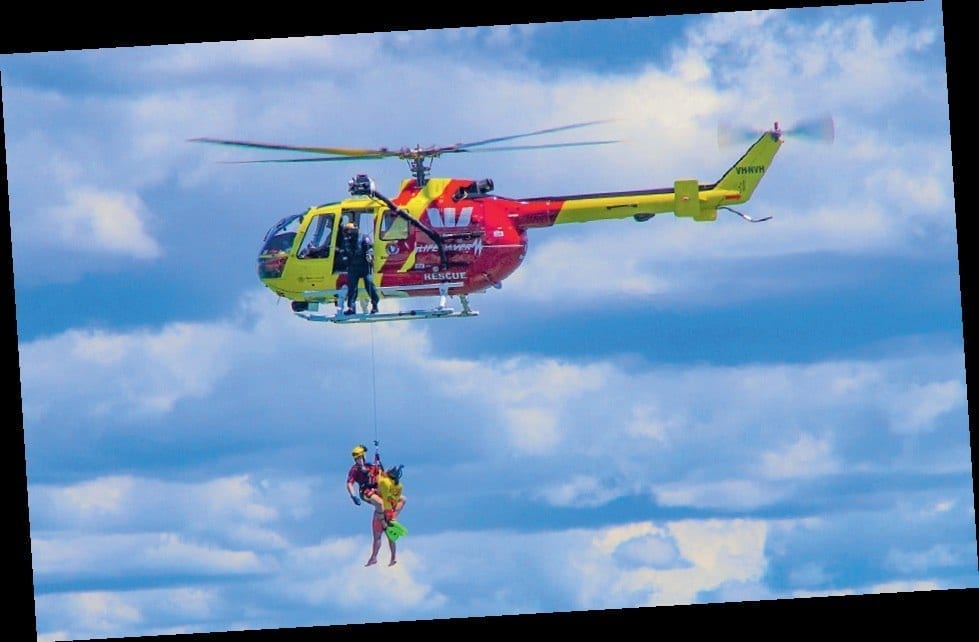
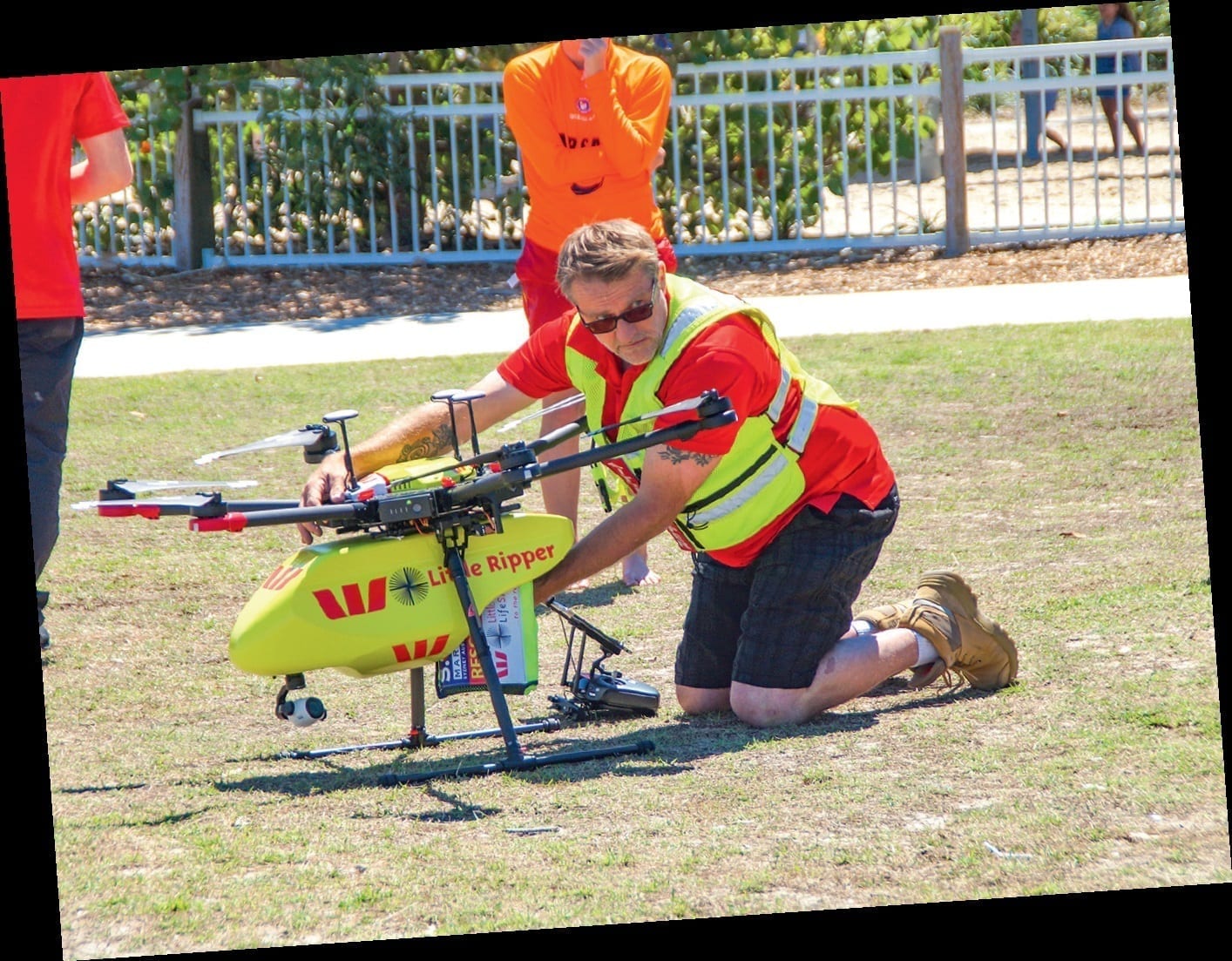
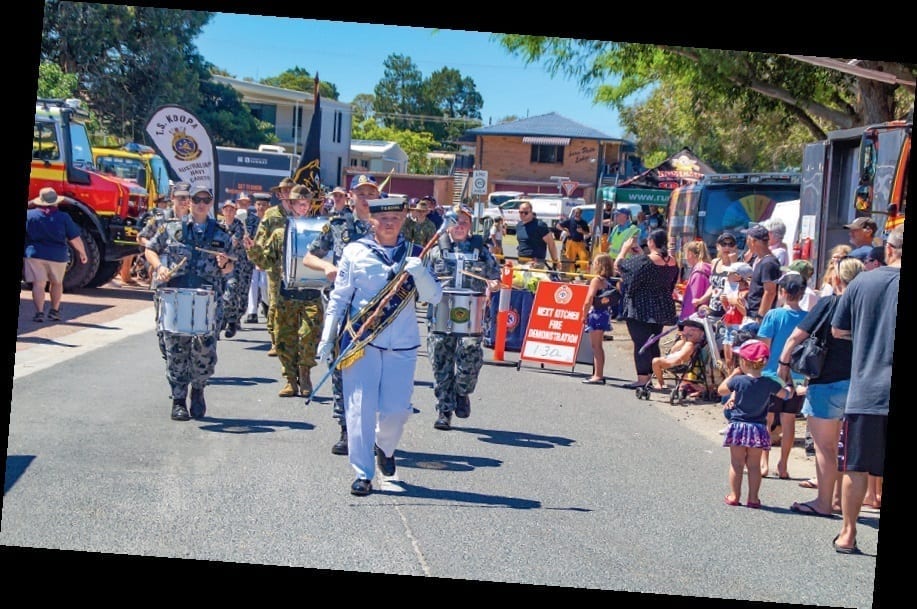
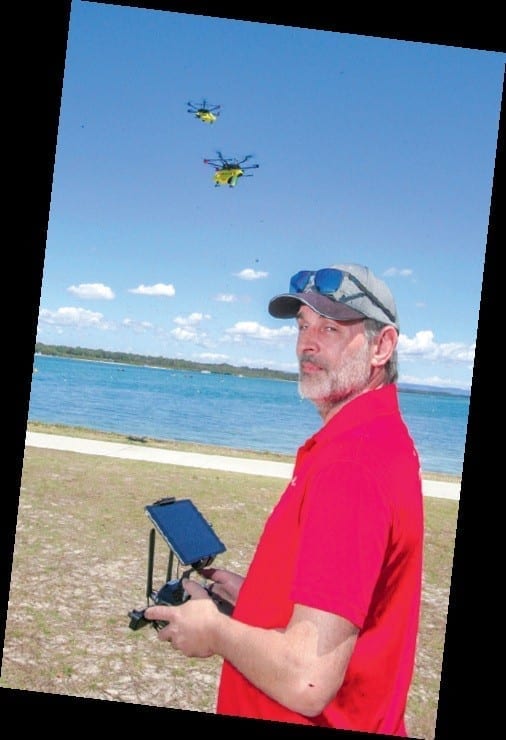
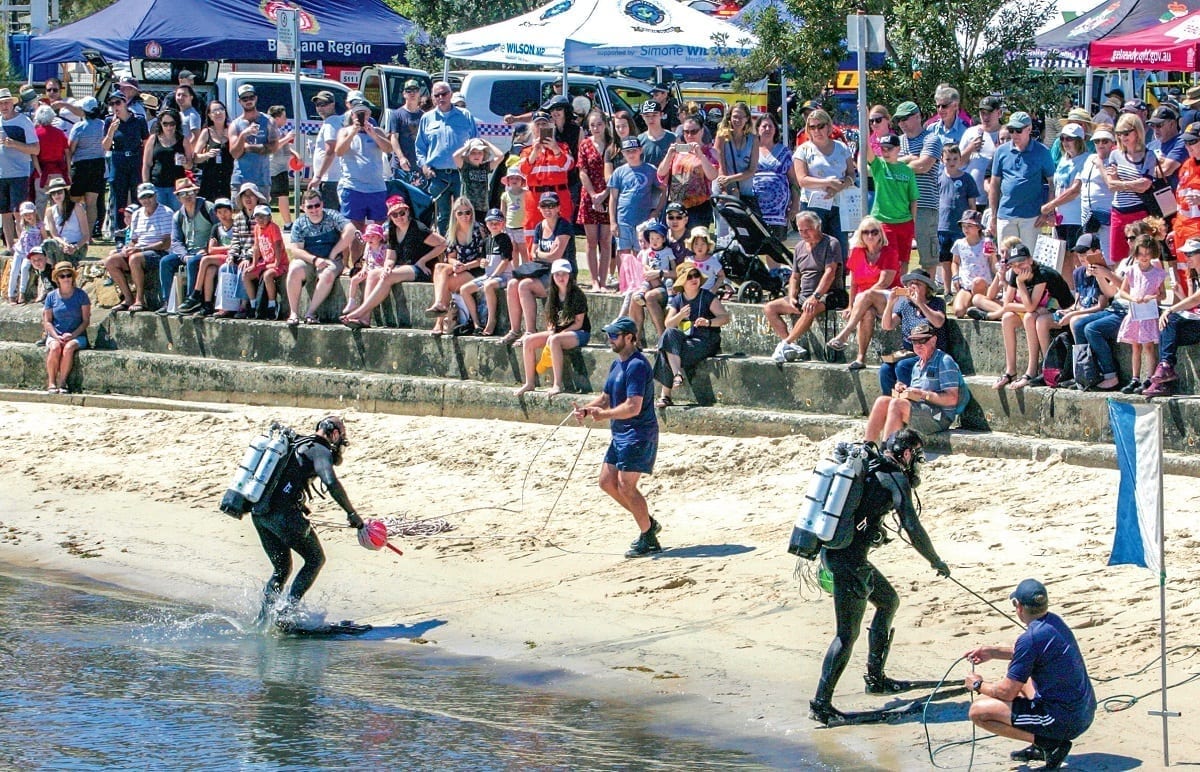
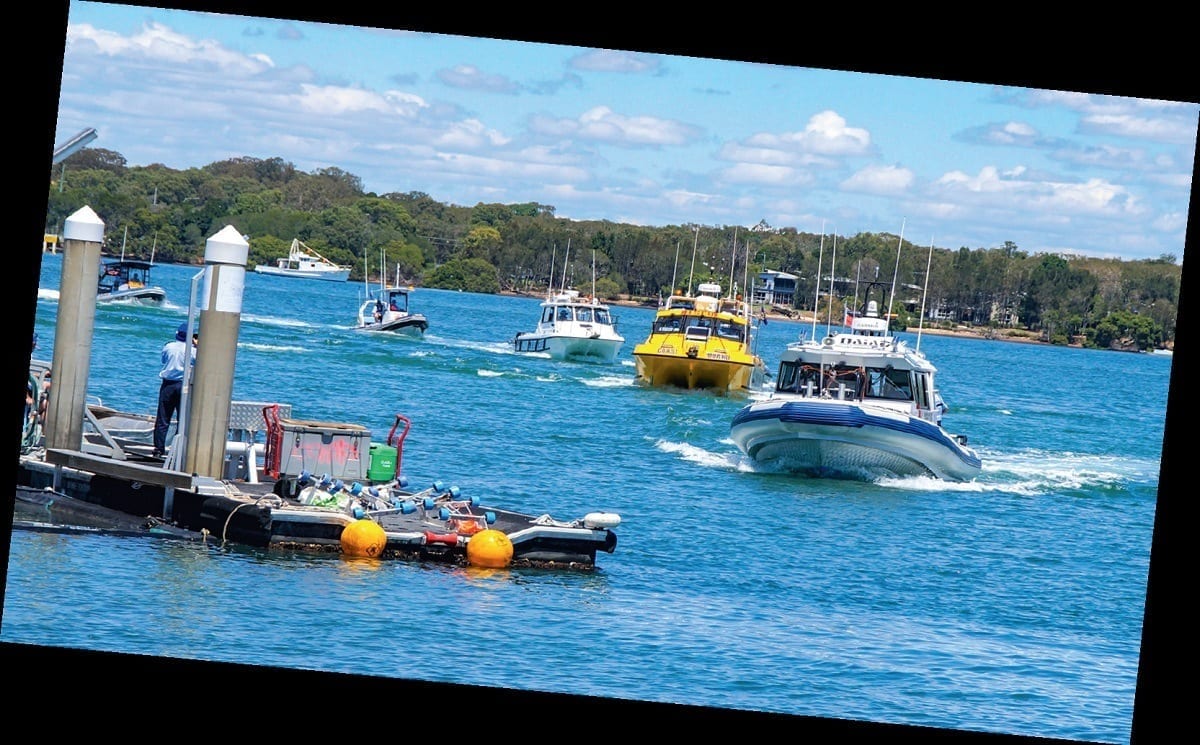
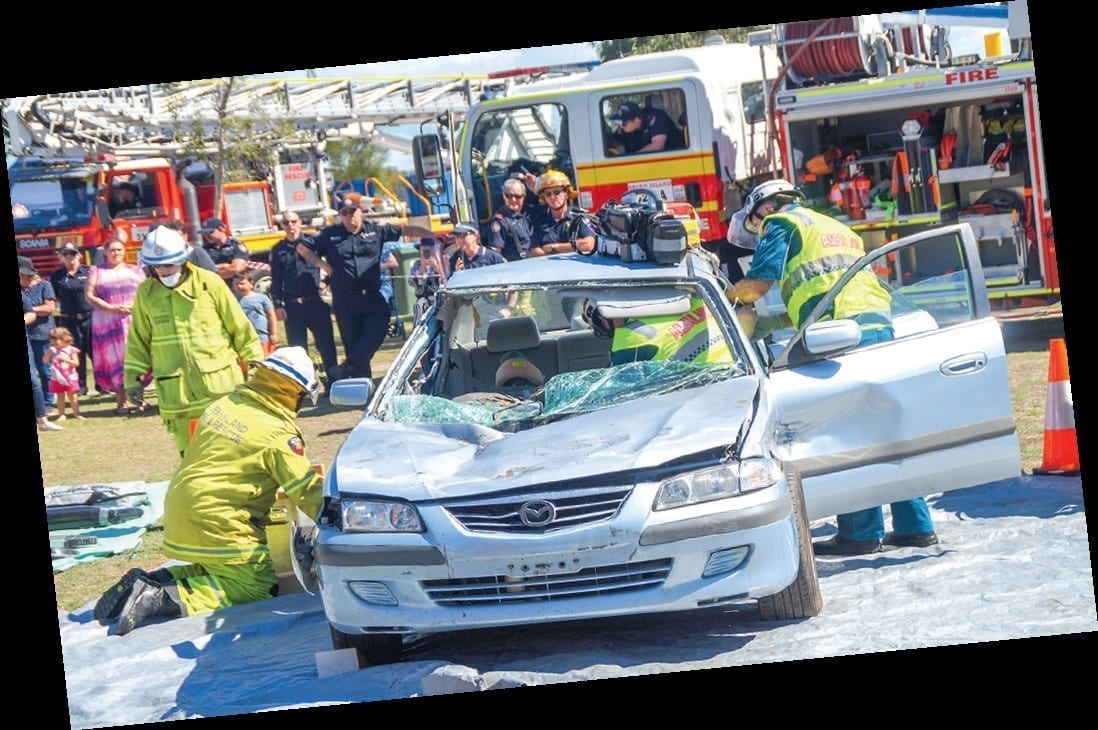
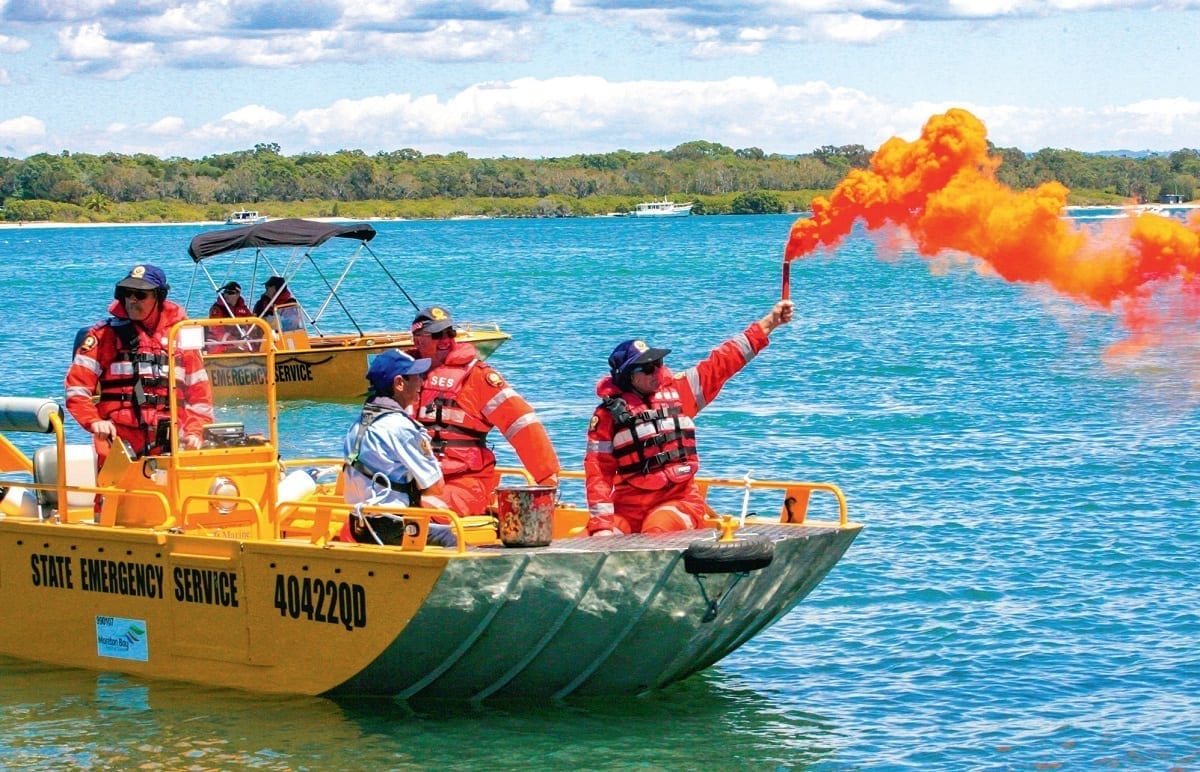
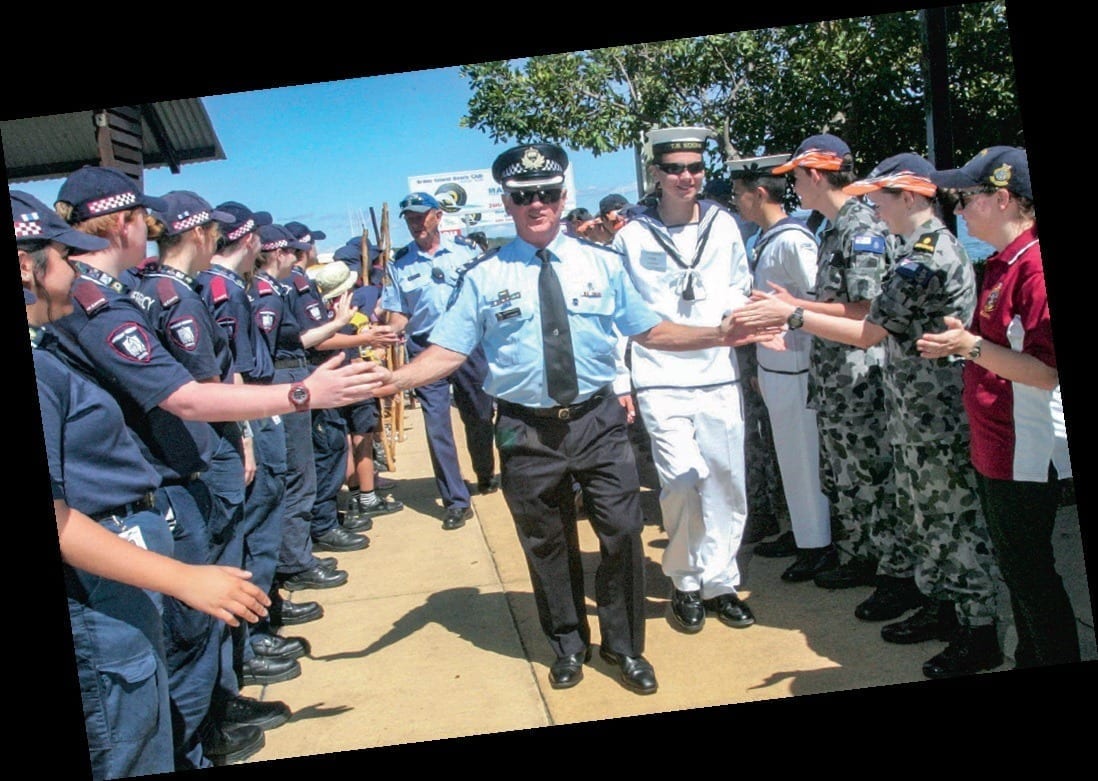
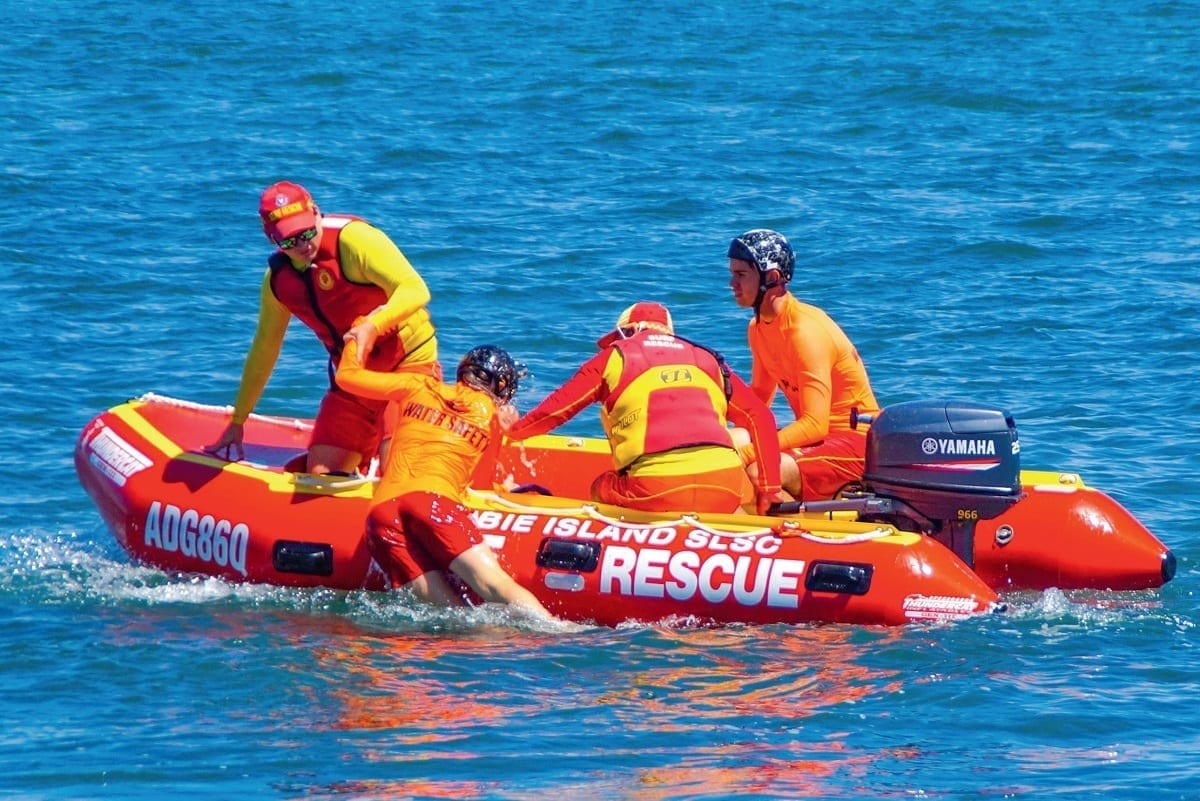
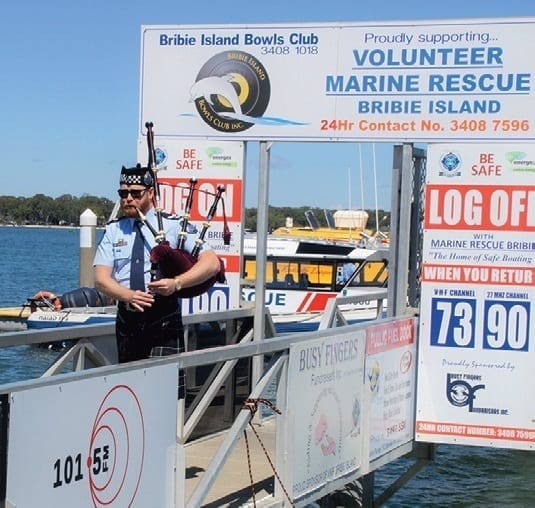
Following was an action-packed program of events including: SLS IRB on water & drone deployment, SES flood boats on water and VMR flare demonstration, VMR and CG on water demonstration, Westpac helicopter winches a person from water and lands for inspection, Twinnies Pelican release, QFES high rise aerial demonstration, Combined Cadets march, Water Police Dive Unit demonstration and Road crash demonstration.

emergency response expo 2019 bribie island vmr (2)
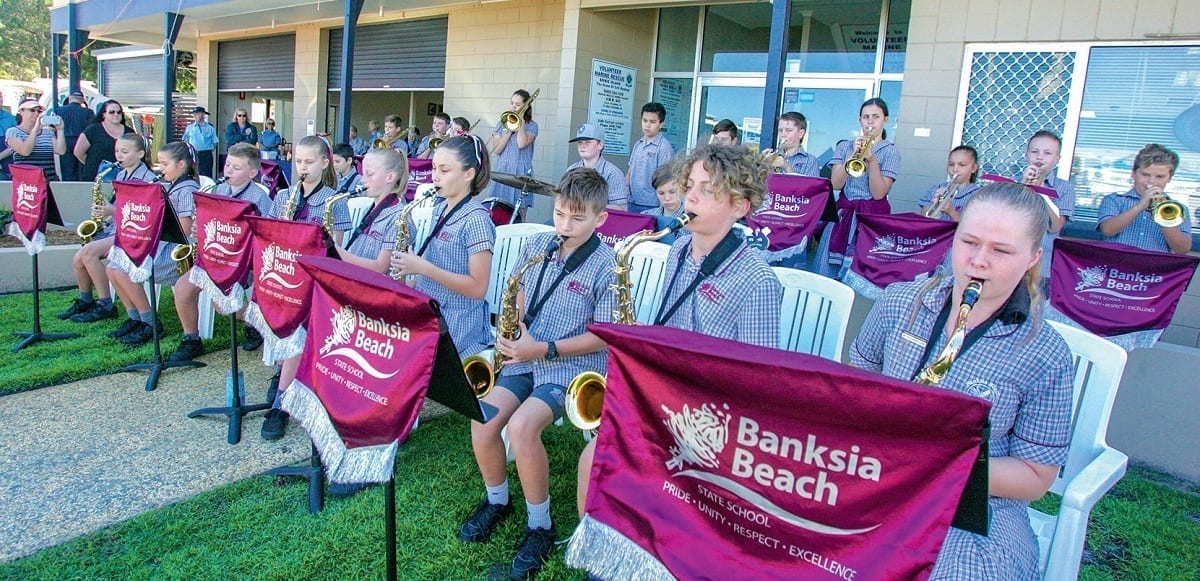
Banksia Beach School Band was a great hit, congratulations Mr Martin O’Callaghan and students it was a pleasure to hear the polished performance of the students at our EXPO. The Banksia Beach Advanced Band has won First Place & received a gold adjudication critique for the past six consecutive years in the Queensland Youth Music Awards (QYMA), which is one of Queensland’s longest running school-based music competitions and attracts more than 4,000 performers each year.

Where to from here…? Yes, …2020 is on the planning table and with the date being known in the coming weeks. In the meantime, I am interested in your valued opinion on the 2019 day, what did you like about it, and what might be improved or done differently? The following link will allow you to view some of the photos published to date, there will be a video produced and available shortly.

Thank you, Bribie Island and district community, for your continued support of the event. https://www.facebook.com/vmrbribie/ e: [email protected] w: vmrbribie.com
Other Articles

PREPARATION KEY TO EMERGENCY RESPONSE

Community Event – Markets for Woorim – Nov 9th

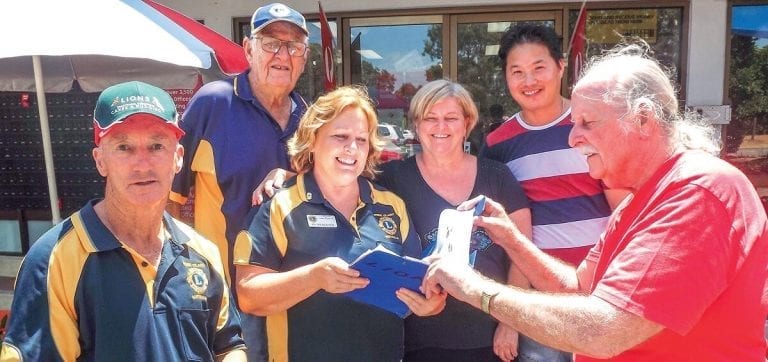
Lions market co-coordinator Jo Meredith said “Losing the revenue from the bus shelters, Bribie Island Lions had a big gap to fill in raising funds to go back into our local community, was the incentive to run a community market at Woorim.

The Community of Woorim was approached to see if a market was possible, we received positive feedback from local businesses and residents. The first market will be held on Saturday 9th. November 8 am to 12 noon at Tintookie Park (just past the water tower)Woorim and then every second Saturday of the month.

There will be a variety of stalls including face painting, buskers, Jumping castle and much more. Alan Bloore from Woorim post office said he would like to thank Bribie Lions for taking the initiative of establishing the markets, nothing comes to Woorim, everything is held on the passage side of the Island there will be great support from businesses and residents.

Bribie Island Lions will have their “Simba Wagon” selling for the first time” Special German Sausages” as well as a regular sausage sizzle.

Bribie Island Lions next year will be celebrating 50 years of serving the community of Bribie Island. If you would like a stall or any inquiries please contact 0419 386 889.

Other Articles

The Rotary Markets Bribie Island

The Three Gens

Bribie Island triathlon has been running for 36 years and continues to go from strength to strength and has come a long way from its humble beginnings. Noel Wust Started a three-race series back in 1983 on Bribie and three years later a promotional company took over the series to make it an even bigger and better success with a four-race instead of three.

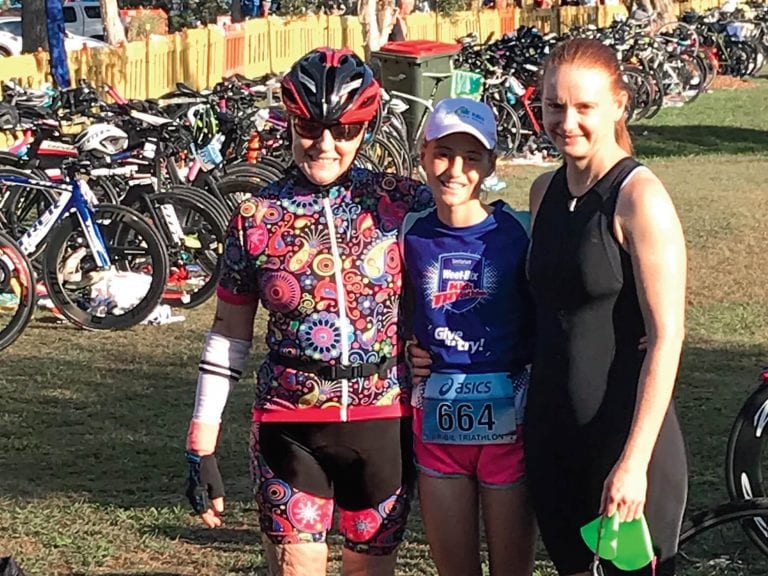
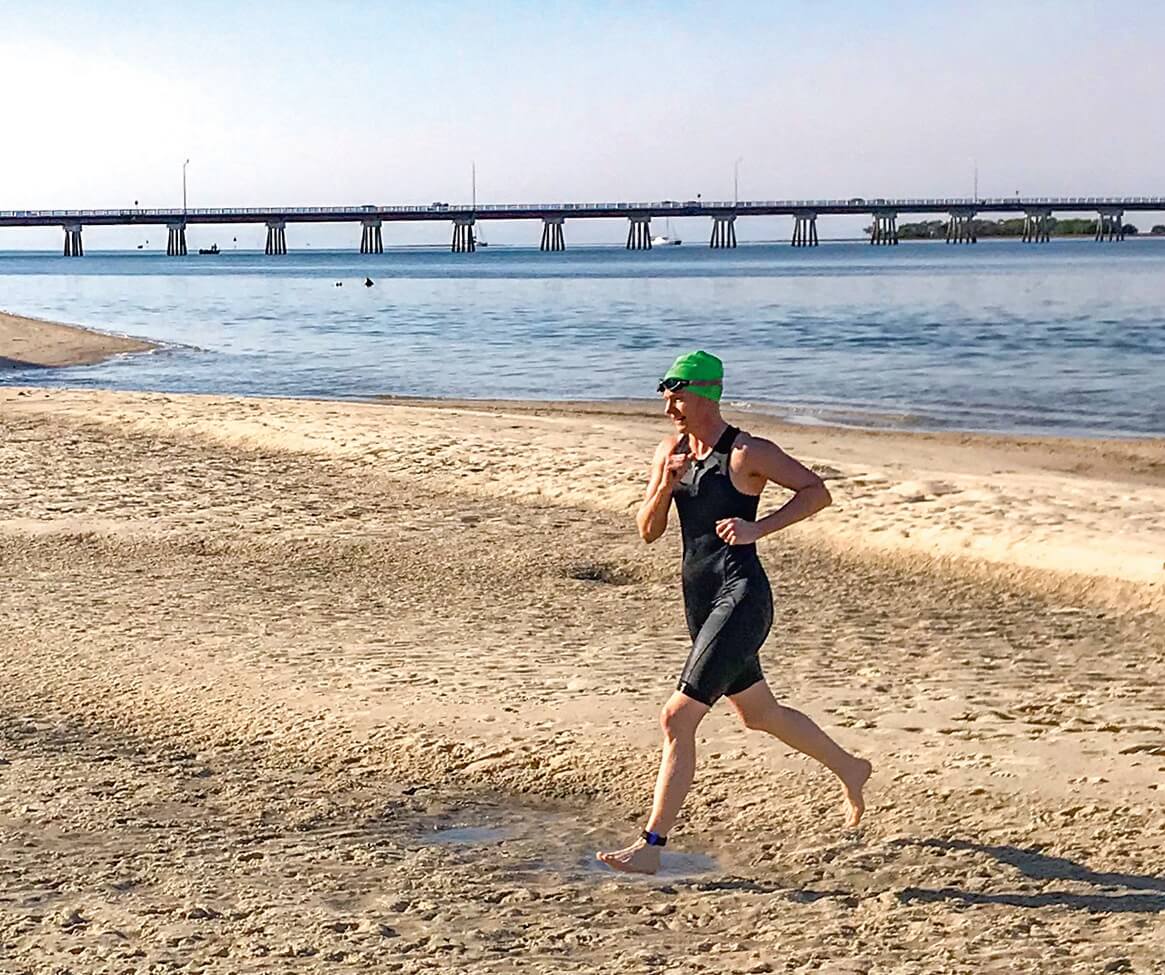
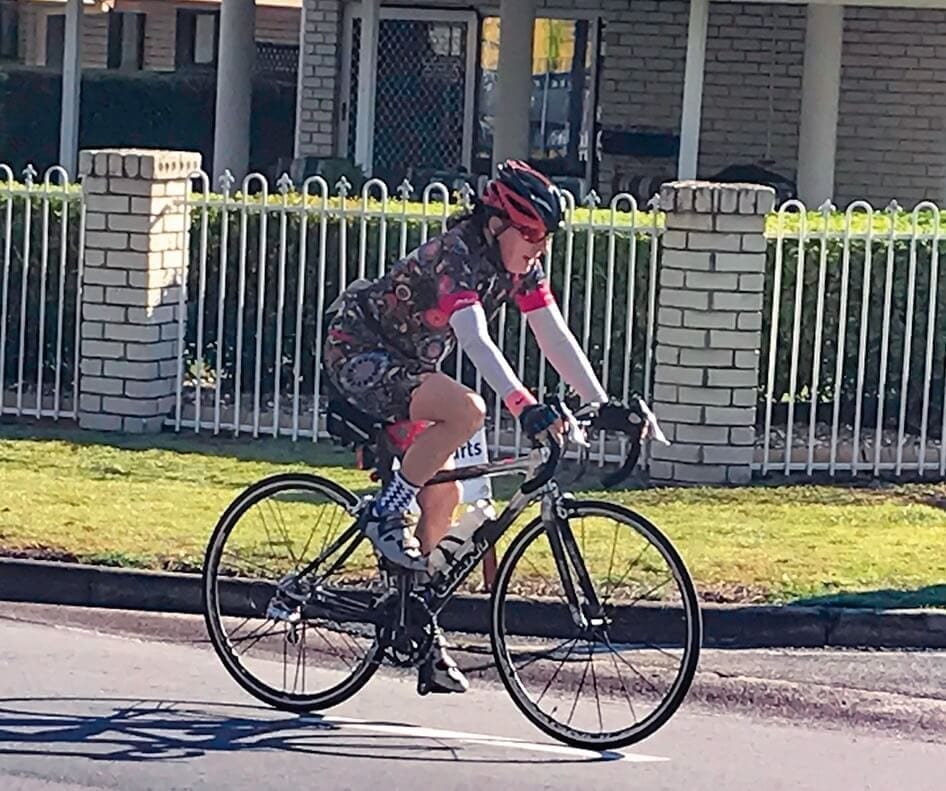
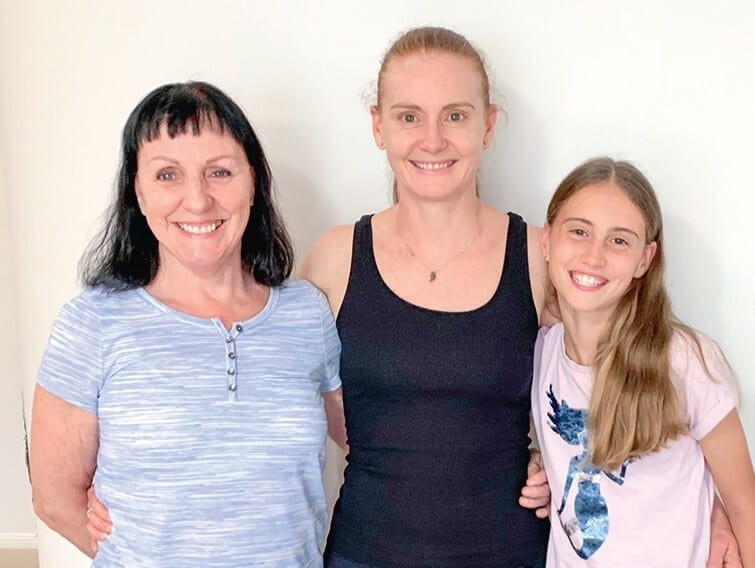
Heather Huckett (66) and her daughter Kellie Regenet (44) along with her daughter Kami Regenet (11) are on a mission and have just competed in the same Triathlon together at the same time and they also came third in their short course race. Three generations all in it together as a family.

Coincidental to their ages the team number they received was 664. Something new and different has been brought to the series every season with professionals and athletes such as Miles Stewart, Craig Walton, Courtney Atkinson, Chris Hill, Jackie Gallagher, Kate major, and Loretta Harrap have all been Bribie triathlon competitors.

Many international triathletes use Bribie triathlon as a hit out before Noosa and Lulu bar races each year. Heather said. “I have been competing in the Tri’s for about 5 years now as a cyclist and helping out at the Banksia Beach School Team for the Triathlons.” The Bribie Triathlon is also a favourite for first-timers with many clubs using Bribie as the climax of the beginner programs.

Bribie Triathlon has also been a nurturing ground for up-and-coming athletes with many of the current Queensland junior elite crew regularly compete in at Bribie. Kellie said “We thought it would be a laugh and calling ourselves ‘the three gens,’ we may not get the opportunity to do this again and we are going to try to do all four series, a little memento for us all and it inspires the family to get together and get active, it’s a fun thing to do too.” Heather said “As Kellie said it’s an inspiration to families, some that may say ooh, we could probably do that.

It’s not about coming first, well I guess everyone likes to win but it’s more about the participation and the teamwork.” Kami has done the kid’s active Triathlon twice and other triathlons she has completed are the Pink Tri and the Weetabix Tri. The active kids’ triathlon is for 7 to 13-year-olds and is a non-competitive event. There are over 70 volunteers from at least 10 local community groups that are praised for their efforts and input into the event.

The help is highly appreciated and provides important roles at the event such as managing aid stations on the course for example. I wonder how many local ‘3 gens’ have completed the Bribie Triathlon if any? These guys truly are an inspiration to us all to get out and get active and also spend some quality family time together.

Other Articles

Clubs and Groups – An Important Part of Our Community