Everyone is familiar with easy-to-grow edible plants such as mint, rosemary, thyme, and other herbs, but did you know there are a range of native Australian plants that are also edible and can be easily grown at home? These plants are versatile and flavoursome and can be incorporated into a variety of modern dishes.
Syzyguim luehmannii SMALL LEAVED LILLY PILLY OR RIBERRY
The attractive red fruit of this ornamental small tree is a popular ingredient in many wild food dishes. It is now being harvested commercially.
Eugenia reinwardtiana BEACH CHERRY
The bright red fruit of this small shrub ripens between August and March. It is good to eat, being succulent and sweet.
Diospyros ferrea SEA EBONY
Edible, sweet-tasting, deep red fruit which ripens in summer
Syzygium Australe
With its purplish fruit one of the best of the Lilly Pilly group. It can be eaten raw or as a jam.
Freycinetia Scandens CREEK SANDPAPERS FIG
Bright red fruit resembling strawberries ripens in winter. It is eaten raw.rigines to give a smooth finish to their weapons.
Dianella congesta – FLAX LILLY
The shiny, dark blue berries are edible. Aborigines ate the roots after pounding and roasting them on hot rocks. They used the fibre from the tough leaves to make baskets and nets.
Acronychia Imperforta FRASER ISLAND APPLE
Juicy bright orange fruit which ripens in Winter and Spring, have a sharp-tasting edible flesh. This is a hardy, ornamental shrub or small tree for the seaside garden.
Austromyrtus Dulcis MIDYIM
Occurring in sandy coastal areas of Northern NSW and Southern QLD. This small shrub produces pretty white flowers in spring and summer. These are followed by edible, mauve white speckled berries which are quite delicious.
Alpinia caerulea NATIVE GINGER
All parts of this plant are edible, raw or cooked. The pulp of the blue fruit is pleasantly acidic and the seed is ginger flavoured. Aborigines wrapped the leaves around meat to be cooked in an earthen oven. The young root tips are gingery and tender.
Carpobrotus glaucescens PIG FACE
Fruits of this fleshy creeper of the sand dunes ripen in Summer and autumn. They have a delicious salty-apple flavour.
Cordyline manners suttoniae A PALM LILLY
Occurring in sandy coastal areas of Northern NSW and South-ern QLD. This small shrub produces pretty white flowers in spring and summer. These are followed by edible, mauve white speckled berries which are quite delicious.
Ficus coronata CREEK SANDPAPER FIG
The dark purple fruit is very tasty when fully ripe. Peel off the hairy skin before eating the soft, pulpy seed mass. The sandpapery leaves were used by aborigines to give a smooth finish to their weapons.
Planchonia careya COCKY APPLE
A common tree of northern eucalypt forests. Aborigines ate the large, green, egg-shaped fruit roasted or raw. Bark and roots were pounded to use a fish poison. Strong fibre from the bark was spun to make string for nets and belts.
Microcitrus australisica FINGER LIME
Green cylindrical fruit with a similar flavour to round limes.
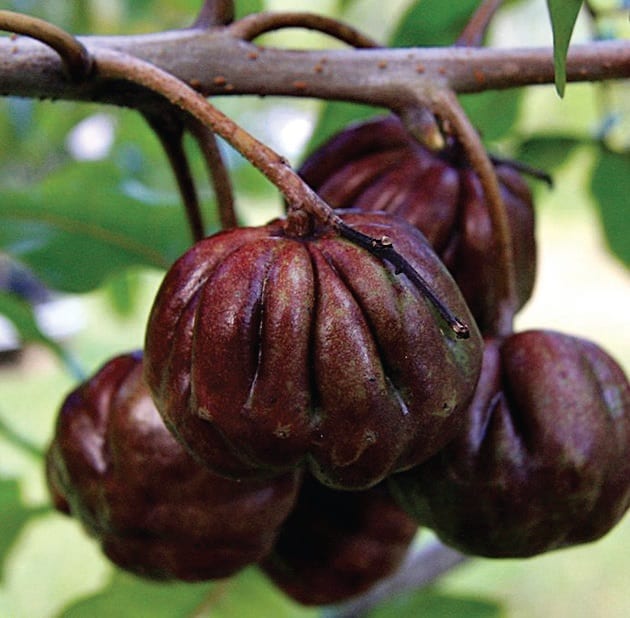
Davidsonia pruriens DAVIDSON’S PLUM
The purple egg shape fruit ripens in Autumn. It has a tangy flavour and is delicious stewed with sugar. Good for jam and winemaking.
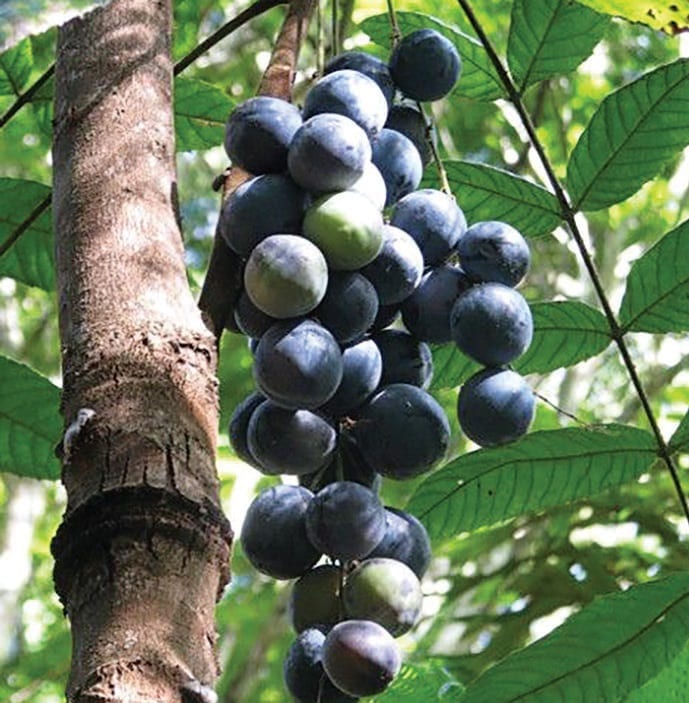
Pleiogynium timorense BUDEKIN PLUM
The purple-black fruit is edible when completely ripe and fallen to the ground. Aborigines buried the fruit in sand until it was ready to eat. An excellent jam is made from the fruit.
Planchonella australis BLACK APPLE
The dark purple fruit is very tasty when fully ripe. Peel off the hairy skin before eating the soft, pulpy seed mass. The sandpapery leaves were used by aborigines to give a smooth finish to their weapons.
Tags: History. Bribie Island. Moreton Bay. Queensland. Australia 1920s
WALK IN OLD BRIBIE
This article looks into life on Bribie Island in 1920 and is an invitation to come on a free HERITAGE WALK with me in March or May.
The attached poster shows the dates of our next four Heritage Walks, which are free but with limited numbers, and you MUST book online at the web site moretonbay.qld.gov.au/healthy-active.
These guided walks give an insight into the history and lifestyle of early Bribie, and an appreciation of some pioneer residents and buildings. Here are some edited extracts from various Brisbane newspapers of 1924, 1926, 1929 and 1930, with some Photos inserted from our Historical database. This is my favourite Photo from our Database of Bongaree foreshore in 1920.
Bongaree Foreshore 1920
THE CHARMS OF BRIBIE ISLAND.
The Daily Mail- 29 March 1924. By Phoebe Kirwan.
For years, I intended going to Bribie and always put off the visit, but recently seeing the charming island, I confess that for years I have deprived myself of a very pleasurable visit. The delightful quaintness, the wild beauty of her bush, and the charm of her long white-sanded beach, I have taken her unto my affection for all time. Numbers of folk of all shades and colours from the pure aboriginal to the scarlet sunburnt holidaying townsfolk, added variety to the scene whilst the vendors of the fine fish, vegetables, fruit, meat, etc., plied their trade.
Behind us lay the thick, fragrant treed bush, and the long road in course of construction, leading to the main beach three miles from the wharf, a road which will give access to the finest beach in Australia, facing Cape Moreton, and which for surfing and pleasurable facilities is unexcelled.
A slow, plodding team of bullocks ploughed through the heavy, broken tracks, bearing the materials for the road making, adding their quota to picturesque interest to the scene. For 30 miles, the island offers delightful possibilities, and in her virgin wildness, for there are few houses erected, there is an atmosphere of peace and quiet, very grateful to those seeking tranquillity. May she come into her heritage.
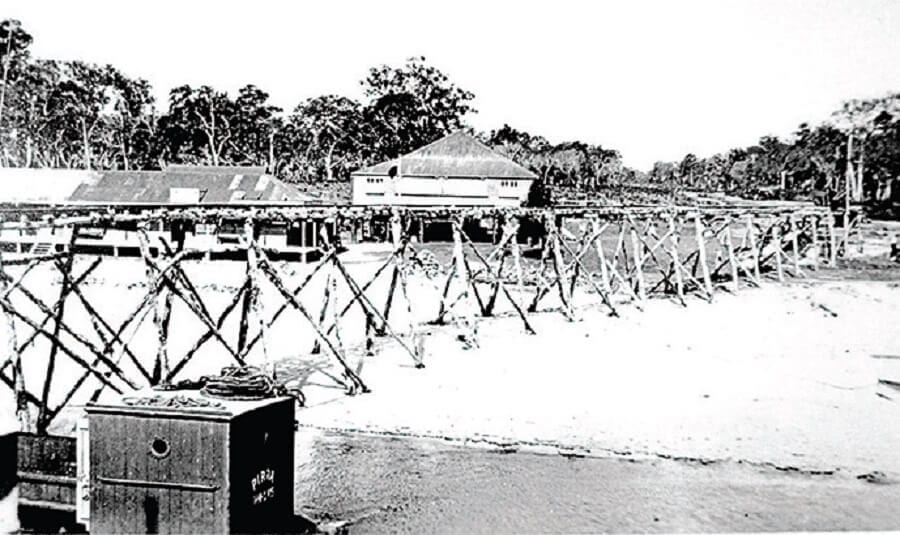
Temporary Road Building Jetty
BRIBIE SPELLHEALTH and HAPPINESS
The Brisbane Courier -23 November 1926
For generations, Bribie has fascinated Queenslanders, just as for centuries it threw a spell over the aborigines, who believed that the island was the haunt of good spirits, who used their magic to aid their sick or ailing descendants. The pretty settlement, which has grown up near the wharf where the steamers from Brisbane berth, is generally called Bribie, but its real name is Bongaree. Over 50 houses have been erected at Bongaree during the last 12 months, and on the ocean beach a large number of houses have been built within the same period, and about 15 more are being constructed. The last-named are the property of the Government.
They were formerly at Beerburrum Settlement, but when the soldiers were placed elsewhere the cottages were dismantled, and the timber in some of them was brought to the island. This village on the beach is called Woorim. It is a picturesque spot, and one feels that he could be happy here for an indefinite period.
There are now 170 houses on Bribie, and the community feels that the time has arrived for it to direct its own affairs. There is dissatisfaction that it has not even a representative in the Caboolture Council and that it has no knowledge how its civic affairs stand. The residents believe that the money raised in rates on a property on the island should be spent on improvements there.
ATTRACTIONS FOR HOLIDAYMAKERS
The Brisbane Courier – 30 October 1929, By Chas Wise of Wamuran
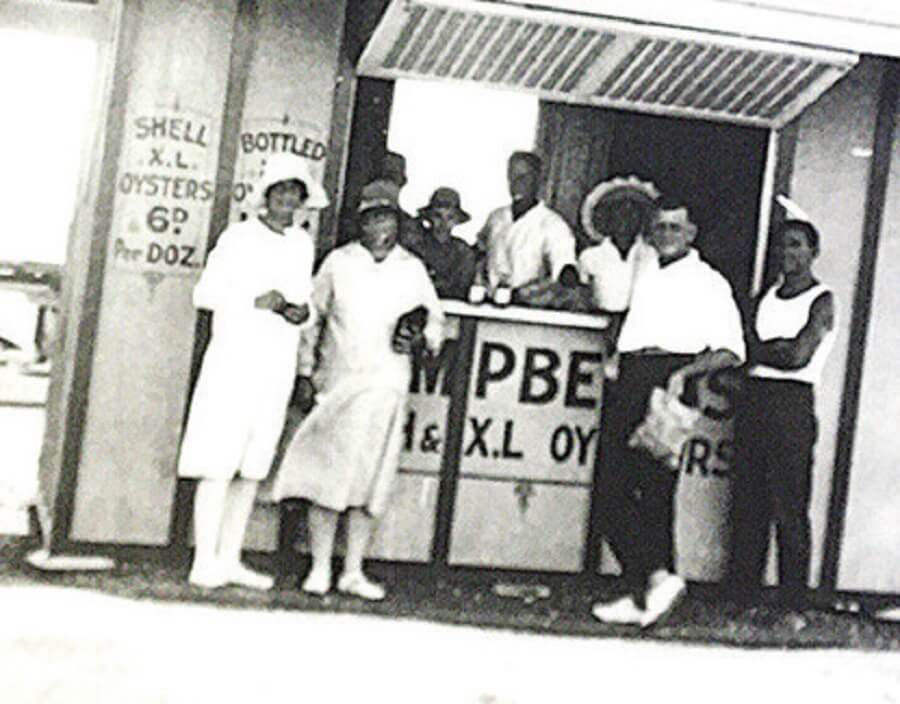
The first thing I noticed on landing was a newly erected, tiled-roofed building at the end of the jetty, which has been built by the Tug Company for use as a fish and oyster shop by Mr J. Campbell. Facing the Esplanade were some good boarding houses, several new residences and weekend cottages, while the Amateur Fishermen’s Association had excellent accommodation for its members.
Oyster Kiosk Jetty
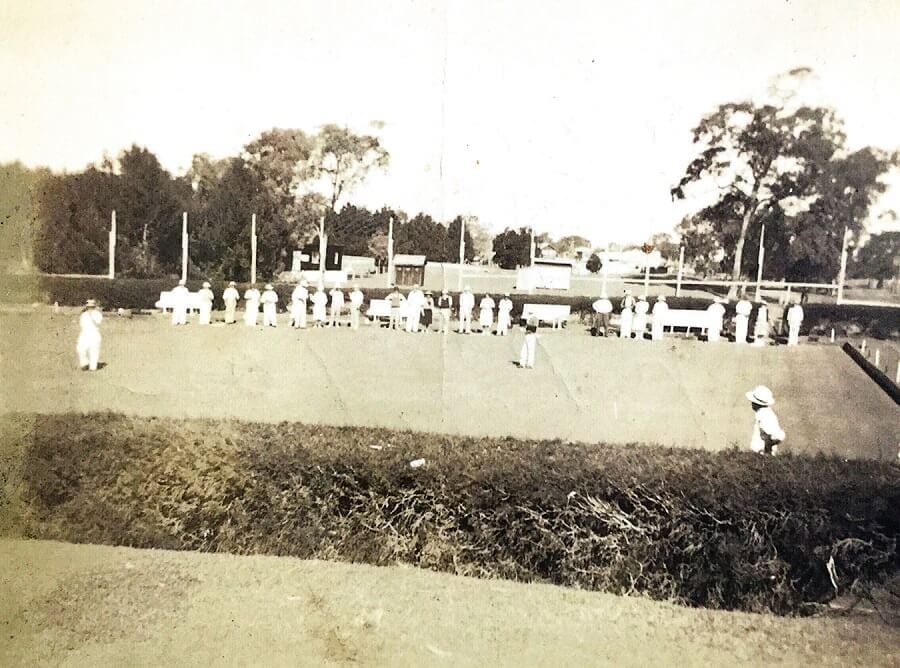
Returning along the seafront, we passed the kiosk and dining rooms, the property of the Tug Company, where good fish and oyster lunches were obtainable. Facing the beach stood the 12 huts built by the Tug Company for letting purposes. On the right were two splendid new tennis courts and an inviting bowling green.
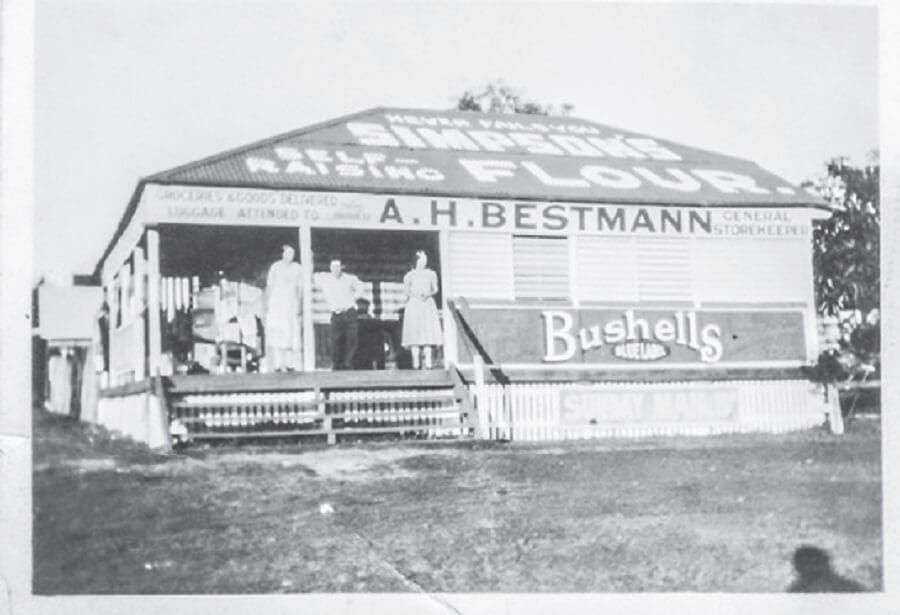
Beyond the Bowling Green was the pavilion erected for the use of visitors as a dance hall and general place of amusement. Retracing my steps across the Tug Company’s Reserve we passed Arthur Bestmann’s general store where necessities for campers, visitors, and residents could be obtained. A fine building also had been erected for Church of England services at a cost I was informed, of more than 1000 Pounds.
NOVELTY GARDENS
Bestmanns Store
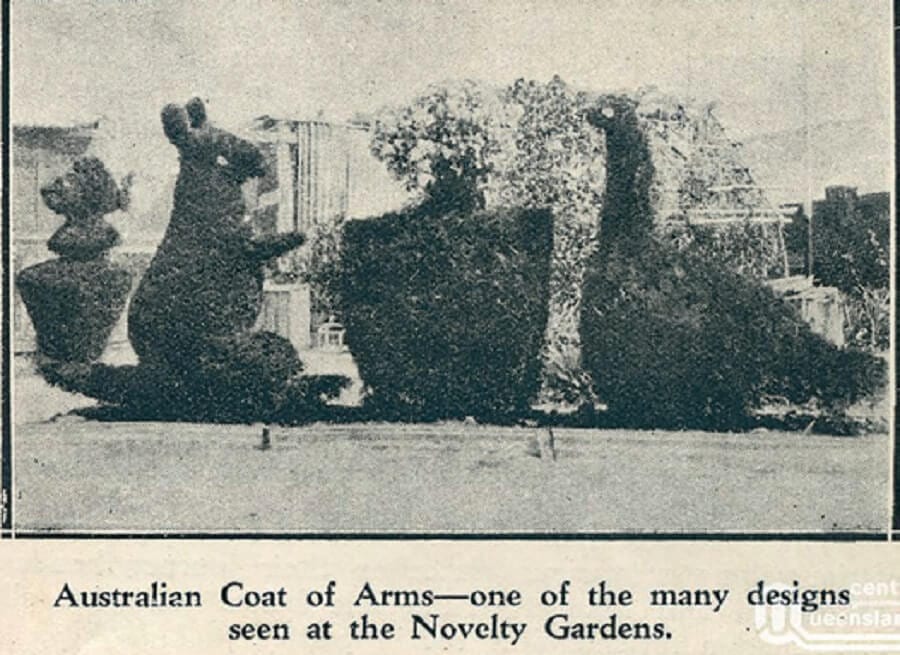
The next items of interest were the novelty gardens, created by Mr R. J. Davies. There were to be seen many handsome and some grotesque figures, grown and formed out of cypress pines. Behind Mr Davies’ house were seen some rough-leaved pineapples, which compared favourably with mainland crops.
THE SURFING BEACH
A run to the outer beach, three miles distant, was made by motor bus. Facing the ocean was a fine roomy kiosk where lunches and teas could be procured at all times. Several shelters for the public had been erected on the crest of the sandhills by the Tug Company.
On the day of the visit to Woorim township, as the outer beach is officially named, a strong northwesterly wind was blowing straight from the open ocean at the north end of Moreton Island, causing heavy rollers to break upon the beautiful white beach which extends northwards for some miles. Surf bathers here enjoy themselves to the full, and at holiday times, members of lifesaving clubs were always on the lookout.
CYPRESS PINE POSSIBILITIES.
Brisbane Courier 21 June 1930. By Thos. J. Mcmahon. Bribie Island
Woorum Surf Club
Apart from being a popular seaside resort, has agricultural possibilities, especially regarding the propagation of cypress pine trees, which thrive well all over the island. The first settlement of Bribie Island may be traced to the earliest days of Brisbane, when Bribie Passage, the deep and narrow stretch of water between the island and the mainland, had become notable as one of the best fishing grounds of Moreton Bay.
Eventually, several fishermen took up their residence on the island and forwarded supplies of fish to the Brisbane markets. To some extent, this fishing is still important, large quantities of fish being sent to Brisbane every week. For many years Bribie has been popular with campers, and particularly with amateur fishermen. Visitors to Bribie know that it is one of the few seaside resorts where fish can be purchased in all seasons, fresh and cheap.
PROGRESS OF SETTLEMENT
A little more than 15 years ago, an old settler states, scarcely a dozen persons were permanent residents of the island. But today there is the cosy little township of Bongaree, the settlement facing the mainland and Bribie Passage, with a large number of permanent settlers, stores, a newsagency, two churches, a State School with 25 children, a hall, a sports club, at least half-a-dozen boarding-houses, many cottages, including a row of small cottages along the Passage beach, popularly known as “The Twelve Apostles,” a bowling green, and tennis courts.
FROM PASSAGE TO MAIN BEACH
Bill Shirley runs a fleet of five comfortable motor buses between the settlements at the Passage and on the Main Beach and has carried as many as 2000 passengers in a day. He also runs pleasant trips along the beaches and claims that the trips are the cheapest motor trips in the world. Bribie is holding its own well and there is not the least doubt that it will always be popular with large numbers of persons many of whom consistently visit the island at weekends and on holidays.
AGRICULTURAL AND PASTORAL
Almost from the earliest days of its settlement, Bribie has been used for the grazing of cattle, and at one time the island carried many hundreds of sheep. While the natural pastures would scarcely be considered of fattening value, the fact remains that cattle can be seen that are in really good condition… At any rate, Mr Cotterill is enterprisingly carrying on dairy farming and is supplying the island settlers with milk
TUG COMPANY’S ENTERPRISE
12 Apostle Huts
No account of Bribie would be complete without reference to the energy and enterprise of the Brisbane Tug and Steamship Co., Ltd., which has been responsible for much of the progress on the island. The company maintains a regular service with the two popular steamers, which are speedy and comfortable, and the run from Brisbane to Bribie is one of the most pleasant and cheapest in the Commonwealth…
The future of Bribie appears to be rosy, and if progress is maintained at the rate of the past few years, it will not be long before it will be one of the most prosperous settlements within easy reach of the metropolis.
Bowling Green & Tennis Court
BRIBIE HISTORICAL SOCIETY
If you would like to experience more of this come on one of the guided Heritage Walks. The Historical Society also has monthly public meetings at the RSL Club on the second Wednesday of each month commencing at 6; 30pm. with interesting guest speakers on a wide range of topics. You can see many more photos and articles on our Blog Site at http://bribieislandhistory.blogspot.com or contact us on [email protected]
Dear Island-friends, Recent wet-weather events have been, in-part, inspiring to the personal development of interesting new thoughts and habits. Oh, and everything is looking so lush, green and healthy! Are we not blessed with the belongings of subtropical climate? As well, recent endeavours along Welsby Parade have caught me up in visions of whitecapped passage and white, rocking sail-ships (and the odd ‘Marooned’ one too) upon the rough greywaters.
Sometimes the little scenes I pass by make me feel rather surreal. How delightful it is to live on our sandy shores. Anyway, back to the development of interesting new thoughts and habits. So, one day a few weeks back I noticed our little Wi-Fi modem had, well, blown up. Upon ringing our provider, I found that the only thing we could do was purchase a new one and upon ringing JB HIFI I found it had been a common thing of late, what with all the storms, that modems have been blowing up.
Very long story short, I’m in the process of waiting for a completely new set up, which means no phone nor internet for a while. Besides that, I have also chosen to put away my mobile for a time so all in all I’ve entered into a sort of unplanned tech-detox. To tell you all the truth, I don’t miss it. Not yet anyway. In fact, it’s been rather pleasant and I feel purified. Moreover, I’ve found there’s something that kick starts in you when one daily habit changes for the better.
I don’t know if you’ve ever experienced this Islanders, but often, if I eat something really healthy and clean in one meal sitting, I feel repulsed at eating something the opposite in the next. It’s like if I do, I have spoiled the clean eating experience altogether. Well, it is not any different if you improve a daily habit. One improvement kick-starts another and before you know it you’re a changed person! Basically, it went something like this for didn’t need much but the fundamental needs in life.
And, instead of indulging in the lap of luxury, you were sitting beside it. Being restricted in one area of my life, heightened my appreciation in other areas. Because I not only found productivity out of the restriction but also enjoyment, I realised something. Just because we have access to luxury (as I feel a lot of what we take for granted in the West, a lot that we just expect as part of normal daily lives, would seem so luxurious in poorer countries) doesn’t mean we have to or should partake in them.
At least, partake so often as we do. I feel that a lot of social stress comes from keeping up a lifestyle that demands luxury. Luxury meaning: being in a state of great comfort, gratification and excess.
1. I mean, right now as I write I have both a lamp and overhead light on, *gets up and turns one light off*. What’s more, is we are so used to our comforts; so, used to them are we that at the slightest inkling of change we ruffle our feathers and seem very displeased. What stink behaviour! However good it is to nurture one’s self and be nestled and safe when the eye shuts, nothing excuses our consumer behaviour.
21st-century living has two foes: more, more more and feel good, feel good, feel good. More will forever shout at you and feel good likes you only when it wants then abandons you when it’s done. Both push you around, both are abusive, both are controlling. Speaking of control…
Dearest Islanders, I believe we can do without many things. Already you have great minds, abilities and hearts within you to live driven and fulfilling lives on this planet. Many of us already have the ingredients for success within reach, but there’s someone out there deceiving us to believe otherwise. They tell us we do not have it, (whatever it is) and that whatever it is, lies beyond our reach (and in the pockets of others).
In 1928, Edward Bersnay, well known for his work in public relations, said: “The conscious and intelligent manipulation of organized habits and the opinions of the masses is an important element in democratic society…We are governed, our minds are moulded, our tastes formed, our ideas suggested, largely by men we have never heard of,”
2. An unpleasant thought and a terrible fact if those in leadership are not good men. The empowering thing is, we do have a will and we do have a choice. Our freedom lies within choices that are healthy and regenerative and if they are good for us, they are also good for the planet.
However hard the escape from more, more, more’s and feel good, feel good, feel good’s sticky, controlling, a matrix of a web, you can become free. Take one good decision, reinvent one habit at a time and see yourself change into the strong man or woman you are to become. Blessings to you my dear island friends, Nikita.
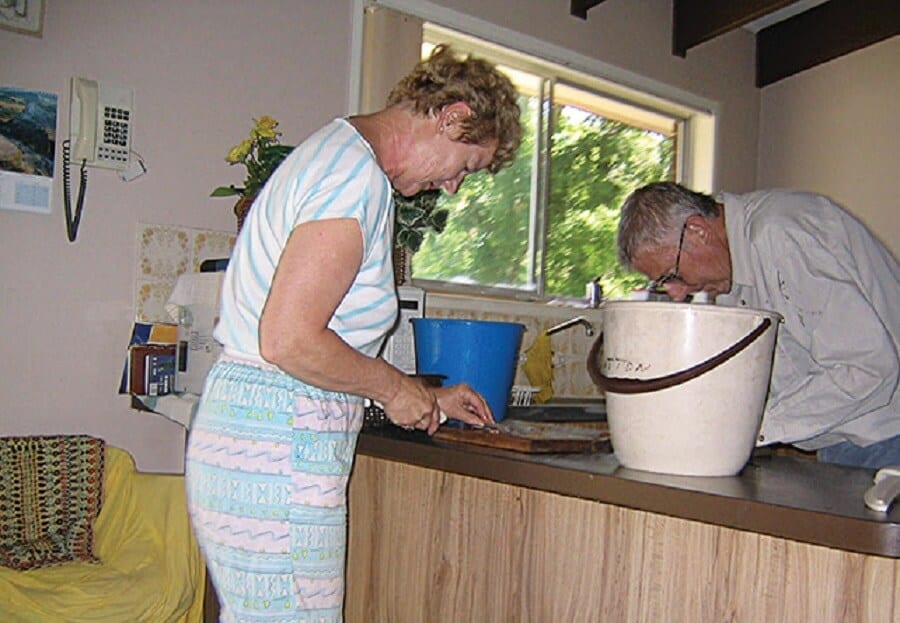
My husband and I were both what was termed “frying pan fishermen”, meaning if you can’t eat it; don’t bother trying to catch it. Not for us big game fish, but small sweet winter Whiting, Bream, Flathead, and Moses Perch. The occasional Flatfish we caught, such as Sole or Flounder, generally went to my mother-in-law as a form of rent. I loved the little chopper Tailor which Don and I caught off the beach with a rod. They needed bleeding, but that was no hassle.
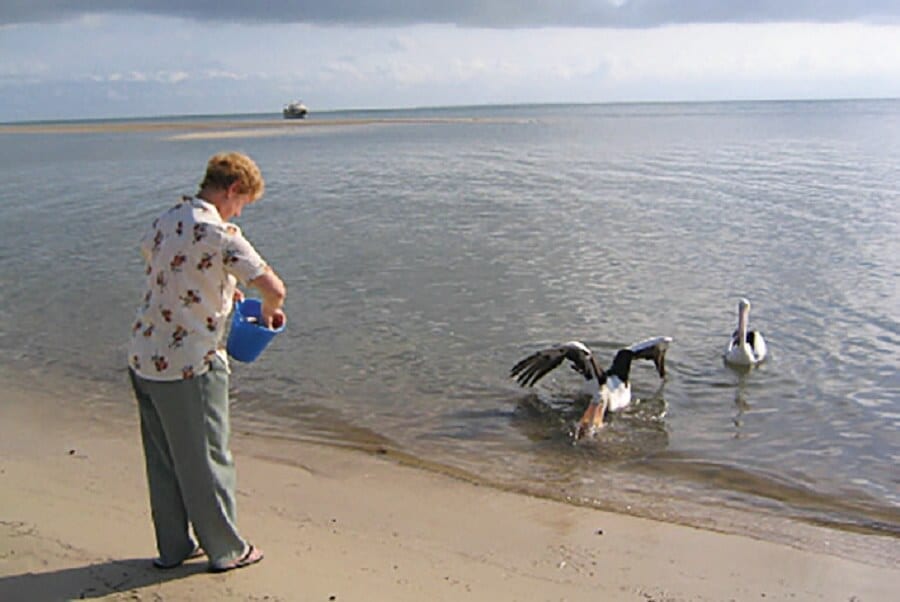
When they were in the bucket, one had to keep an eye open for greedy Pelicans who would attempt to steal them whilst we had our back to them and were making the next cast. The leaky boat with heavy oars that I had to bail while Don fished was replaced by an aluminium boat known as a “tinny”, complete with a motor. This meant that we could both fish, and when the children reached the advanced age of three and four years, fishing became a family affair.
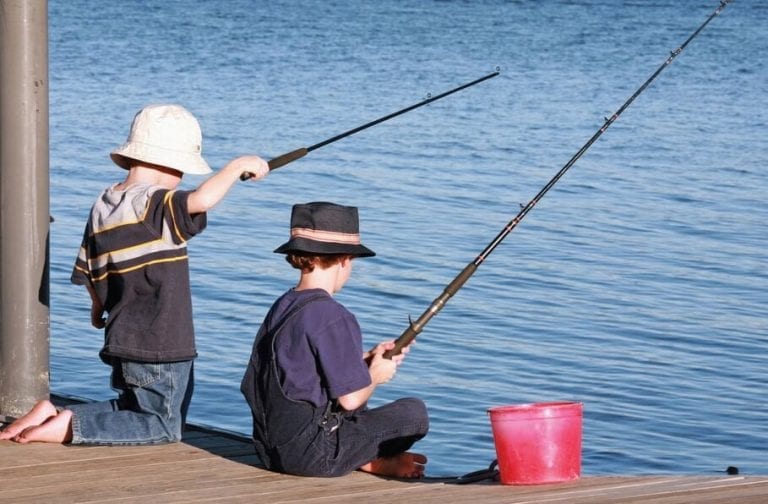
Don would use a light rod, while the children and I would use hand lines. They soon learnt to feel when a fish was biting at the end of their line, and even to recognise what kind of fish it might be. Soon they could manage their hand lines without getting them into incredible tangles, and to both bait their hooks and remove the fish and place it in the bucket in the boat where our catch was kept. Even while young, they would help us to collect bait.
We discovered the best spots to pump for yabbies (Ghost Shrimps). Don and I would pump vigorously with our yabby pumps until we had four or five yabbies out of their hole and on the surface, and the children would follow us, picking them up and never complaining about the occasional nip. When older, they learnt how to use a rod and line, the art of rod binding, the safe use of a knife, and how to rig up their lines.
My daughter was just as an enthusiastic student as any of the boys who joined Don’s tutorials. When our children had grown up and gone to the big smoke in search of fame and fortune, it was Don and I alone that went fishing. There was nothing more wonderful than to be out in the early morning on a mirror-like sea heading for “our spot”. On the way, we would keep an eye open for the Dolphins, Turtles, and Dugongs that were common in those days.
When we were in the “right place” we began our drift, baiting our hooks with squid, worm, prawn, yabbies or whatever the fish seemed to be biting on. Generally, it was Winter or Diver Whiting that we were after; not big fish, but delicious. As I told my brother-in-law who came from the Northern Territory and would boast of the Barramundi he had caught up there, “Any fool can catch a big fish, but it takes skill to catch the little ones”.
On a good morning, we could catch a hundred or so of those delicious little fish within a couple of hours, and then it was time to head for home where the real work would begin. First the scaling, then the filleting, then the belly boning so that each fillet would be guaranteed to be bone free. When completed, I would begin to pack for the freezer, leaving some fish fresh for the evening meal.
Last, of all, I took the skeletons to the beach and threw one or two into the sea. The Seagulls were the first on the scene. Their cries attracted the notice of other birds, and it was not long before we had Terns and Pelicans joining the “green” clean up. On one occasion when my husband was feeding the Pelicans in this manner, one crafty Pelican crept up behind him, and on a backward swing took a bite out of his hand, gaining both fish and flesh.
We got to enjoy the fruits of our labour later when the fish hit the fry-pan and were then served on our plates, along with lemon juice from our own lemon tree. Surely this was the food of the gods!
If you’re a fan of old cars you may be interested to learn that Bribie Island has its own vintage, classic and historic car group. This year marks the 20th anniversary of the group. The Bribie Island group was formed by Trevor Shields and Gil Leach back in 2000.
They realised that travelling long distances on fast, modern and unfriendly highways to club meets and getting together with fellow members of the Sunshine Coast Antique Car Club (SCACC) in Brisbane or the Sunshine Coast was neither a pleasant experience nor safe for themselves or their fragile and valuable old motor cars.
As a local branch of the SCACC (based at the showgrounds at Nambour), the Bribie Island group caters for locals (and not only locals) who enjoy sharing each other’s company, talking old cars and participating in less strenuous outings together, with or without their vehicles, on Bribie and the surrounding areas. Members are also involved in assisting at the famous Nambour Swap Meet held annually in July (this year’s swap will be on Saturday 25-July at the Nambour Showgrounds).
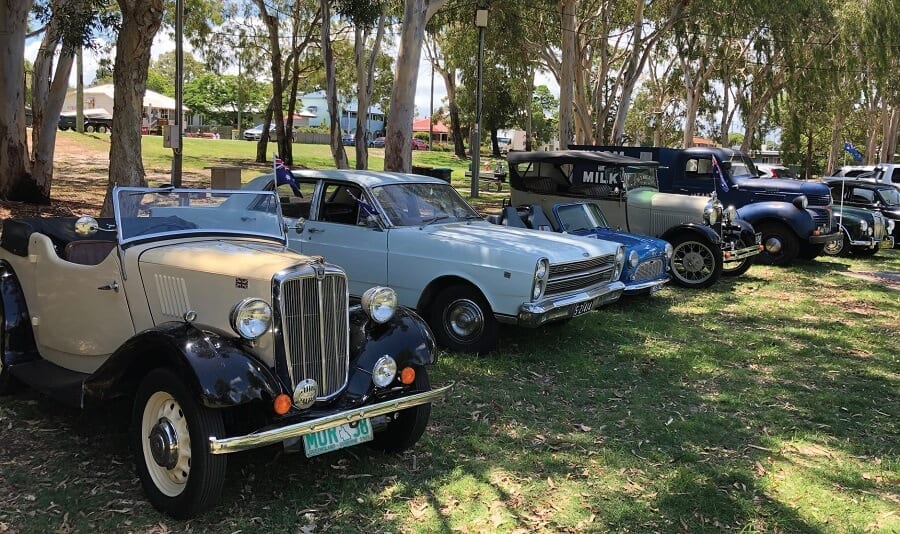
Line-up of members’ cars at a recent gathering
The Bribie Island group meets regularly each month for a cuppa, a BBQ and a natter somewhere locally so the cars on concessional registration can stretch their legs, blow away the cobwebs and their owners can do the same and keep in touch with each other. Members are proud of their cars and we are pleased to have amongst our number several rare and interesting models, for example, various early and late model Fords, Chevrolets, Chryslers, pre and postwar Austins, Morris, VWs, Rileys, minis, classic MGs, commercial and special interest vehicles.
The Bribie Island branch is always looking for new members. If you happen to have a vehicle older than 30 years or even an interest in old vehicles you will be most welcome to join our group. Membership of the SCACC allows owners with eligible vehicles to participate in the Queensland Government’s Special Interest Vehicle Concession Scheme which offers reduced registration fees and compulsory third-party insurance premiums.
The club also produces a monthly newsletter which keeps members up to date with all club and related activities. If you’d like to have a chat you can contact our Bribie Island Representative, Bob Parsons on 0481 955 229. We’d love to see you.
1. Build redundancy into your parenting, you don’t want your kids living with you when they’re in their 40s, so start making yourself redundant now. Expect kids to help at home without being paid and develop their self-help skills from the earliest possible age. If your kids are dependent on you then start small and work from there.
2. Build self-belief in kids. It is self-belief rather than ability that holds kids back. Parents mirror back to their children how they see themselves. If you are naturally negative, start focusing on children’s strengths, help them to improve and give them responsibilities so they learn that their parents have faith in them.
3. Talk less when kids misbehave. Do you repeat yourself when your kids don’t do as you ask? Don’t. Act rather than repeating yourself or shouting. Put the meal on the table rather than reminding them to come to dinner. Turn the TV off if they are fighting rather than shouting for peace and quiet.
4. Choose your battles. If you always seem to be fighting with your kids, it’s time to assess what’s important and what’s not. Fighting over minor issues burns up energy and damages relationships. Make a list of minor and major issues as a reminder.
5. Have at least five family mealtimes a week. If you want to influence your kid’s thinking then you need to talk with them. Mealtimes provide these opportunities, as long as the TV is turned off and you avoid getting into fights about how much they are eating. Set a goal of five shared mealtimes a week as a minimum.
6. Financial smarts begin at home. Avoid being your children’s personal ATM and don’t give them money whenever they want it. Start by giving them a small amount of pocket money regularly and build up the amount as you feel more confident and their financial competence grows.
7. Encourage a sense of generosity. Moving kids from thinking “me” to thinking “we” takes work these days as families are smaller and parenting tends to be focused on the child rather than the family. Develop a sense of altruism in your children by encouraging them to volunteer, giving some of their pocket money to charity and giving away old or unused toys.
8. Help kids appreciate what they have. Some children have a default mechanism that is both negative and self-centred. They are never happy and always want more. Change their thinking by encouraging them to look on the bright side and be thankful for what they have.
9. Encourage kids to be self-occupiers. Parents underestimate the importance of kids being able to keep themselves busy. Spending time on their own encourages self-initiated play; is good for their mental health and is a prerequisite for success at school. If you are your children’s home entertainment machine then you can change. First, avoid rushing in when children seem bored. Suggest ideas rather than providing entertainment.
10. Don’t fight your children’s battles. Leave some for them. Well-meaning parents can sometimes fight too many of their children’s battles, robbing them of opportunities to solve their own problems. If this is you, the next time your child experiences some frustration or difficulty at school or home, stand back, offer support and suggestions, but don’t solve the problem for him or her. Most importantly, show them love and affection. We all need to know we are wanted.
Do you dream of packing your bags and hitting the open road but are worried you’ll forget something? If you want to make sure your trip becomes a positive story you will tell the grandkids about for years to come, here are some top caravan road-trip tips to remember.
Roadworthy
If you are going to be spending a lot of time in your car or caravan, the most important tip to remember is to ensure it is 100% roadworthy and safe. Check your tyre pressure, pump them up if needed, and keep at least one spare with you. Check your water and oil, and if you are going to be travelling long distances, it is a good idea to have a professional look at your vehicle before setting out.
Maps and GPS
Asking for directions may become a point of contention when on a road trip, so having navigation software like GPS or Google Maps can help ease tensions. It’s as easy as entering the address of your destination – exact or general – and letting the technology plot your course for you. This doesn’t mean you can’t go wherever the whim takes you, but it is always a handy tool to have. If you are going to locations where there is no phone or internet reception, a physical map works just as well.
Roadside Assist
The last thing you want is for your car or caravan to break down and find out your coverage has lapsed. Before setting off on your great journey, make sure your roadside assist payments are up to date or arrange to get coverage if you don’t already have it.
Tool Box and First Aid Kit
Something else you don’t want to be caught without is a toolbox and first aid kit. A good torch can help you navigate in the dark, with spare batteries in case they run out of power. The contents of your first aid kit will generally be the same regardless of where you go, but for outback destinations, it is also good to include items that can help in case of a snake or spider bite.
Breaks Stop, revive, and survive.
Taking the time for breaks will not only let you stretch your legs and breathe the fresh air but gives you the chance to see more of the country you might miss while driving. Snacks Depending on how long you will be travelling for, and what restaurants and cafes are along the way, a good tip is to pack plenty of water and snacks. You can gather these from grocery stores, convenience stores, or dedicated camping stores.
Secure Your Possessions
The last thing you want is for something to fall and break while you’re on the road. Secure all small objects both inside and outside the car or caravan, including bicycles you may be bringing along. Make a list before you leave and follow Santa’s example by checking it twice. Once you are sure you have packed everything you will need, you will be able to focus on enjoying yourself and creating amazing new memories.
Basil is a leafy and fragrant herb that grows beautifully in full sunlight. Basil loves moist but well-drained soil and requires lots of pruning when it’s in full season. When a branch of your basil has seven or eight leaves, it’s time to give it a prune to allow for new growth. Basil works well in Italian dishes and can be made into pesto pasta sauces or added to salads.
Coriander
Summer is not ideal for coriander to grow but spring, winter, and autumn should see your coriander plant in full bloom. Coriander plants like sunny spots in the garden, well-drained soil, regular watering and fertilising. When embarking on a journey to learn how to grow herbs in pots, coriander is your go-to. While it also grows well in the ground, coriander makes for an excellent container mate for other plants and herbs. Coriander is a pungent herb that complements Indian and Asian dishes.
Rosemary
Rosemary is arguably the easiest herb to grow. If you plant it in a good spot, it will provide you with more rosemary than you’ll ever be able to cook with. Rosemary plants can grow quite tall and wide but can still live happily in large pots and containers. It can survive well in hot and dry climates so be careful not to overwater or over fertilise it. Rosemary is a hearty herb that works well with winter foods like soups, stews and baked potatoes.
Parsley
If you want to discover how to grow herbs inside, or more importantly, what herbs are easy to grow inside, then look no further than parsley. Not unlike other herbs, parsley flourishes in sunny areas, but it’s a hardy, versatile herb making it one of the easiest herbs to grow in the kitchen. There are two basic varieties of parsley – flat-leaf and curly. Both are excellent for cooking, particularly in Italian dishes, and both will grow well in most gardens or containers. Parsley likes to be planted in spring and needs a moderate to low amount of water and fertilisation.
Lavender
While Lavender isn’t technically a herb, it’s still a wonderful plant to grow as a part of an edible garden. You can use it for baking, making your drawers smell sweet and adding fragrance to bathroom products. Lavender loves the full sun so make sure you can accommodate its needs before you plant it. Lavender likes a well-drained pot but give it lots of water at least once a week. If your lavender is growing well it will need pruning regularly to keep it under control – lavender thrives under the right conditions so, make sure you keep an eye on it.
Chives
Chives like the cold weather so winter is when you’ll get the best out of your chive plants. If you plant chives under the right conditions, they can overwhelm your garden so make sure you keep an eye on any neighbouring plants. Chives love full sun, cool weather and moist soil that’s fertile and well-drained. Chives are a delicious addition to winter soups and are also fantastic when stirred into dips and sauces.
Mint
Fragrant and fast-growing, mint is an easy-to-grow and very useful addition to an at-home herb garden. Mint likes a nice mixture of sun and shade and thrives well in gardens, pots, and containers. Make sure you place mint plants about 40cm apart to allow for rapid growth and to discourage the roots from overcrowding. Mint can be used in a variety of different dishes including salads, stir-fry’s and even in hot drinks.
Most people do not associate organisations such as Rotary with young people. I know I did not, but I have since learned that I was mistaken. In this article, I will attempt to give a simple explanation of how young people can become involved in the various aspects or offshoots of Rotary.
Rotary clubs can inspire young leaders age 12-18 and encourage them to become responsible global citizens by supporting Interact clubs. We have an Interact Club at Bribie Island State High School. If you are interested in joining this club or one at other local high schools, check with your school or contact a local Rotary club to discover if there is an Interact club in your area.
Go to an Interact meeting and find out how you can join a service project or community event. Rotaract clubs are for young adults aged between 18-30years. Rotaract focuses on the development of young men and women as leaders in their communities and workplaces.
Clubs around the world take part in international service projects, in a global effort to bring peace and international understanding to the world. Most Rotaract activities take place at the club level, usually every two weeks, which feature speakers, special outings, social activities, discussions or visits to other clubs. Club members get together on designated days for service project work, social events, or professional/leadership development workshops.
Rotary clubs across Australia sponsor young people in the development of skills in the areas of communication, leadership, road safety / driver awareness, resilience and self-esteem and in furthering their career aspirations. Rotary Youth Exchange caters for students aged 15-17 who are interested in travelling and experiencing a new culture.
You will spend a year studying abroad living with a Rotary volunteer host family who will introduce you to a new culture, language, and lifestyle in one of over 12 countries. Australia/New Zealand Youth Exchange is a shorter version of a similar exchange for slightly younger students.
Youth Driver Awareness is a one day program which targets high school students in Years 11 and 12. Supporting the graduate licensing schemes, the program focuses on the “big five” road safety issues of speeding, driving under the influence, fatigue, seatbelts and distractions, as well as the importance of driving as a social responsibility.
If you have an interest in science and want to engage in a wide range of fascinating hands-on science activities then the Science Experience is for you. This program provides information for Year 9 and 10 about further studies in science, technology, engineering and maths, highlighting the wide range of careers that will allow you to pursue your interest and abilities in the sciences.
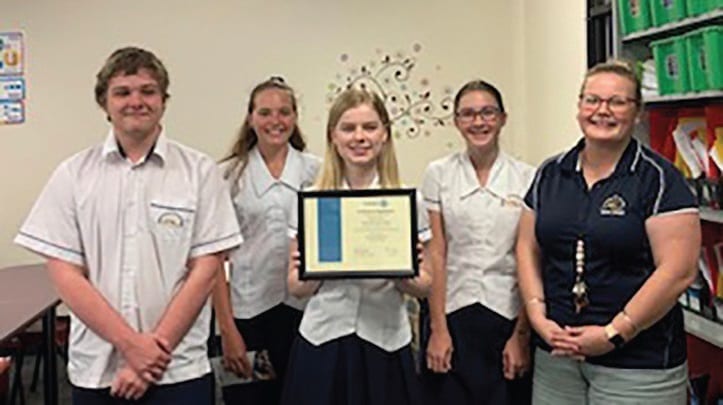
For Year 11 students National Youth Science Forum gives an opportunity to visit a large variety of Australia’s leading scientific facilities and talk to many of our top scientists. The Rotary Adventure in Citizenship Program is an intensive but fun-filled week-long program that is run in partnership with the Parliamentary Education Office.
Delegates are immersed behind the scenes in Parliament House observing how parliament works, and role-playing debates. They will meet lots of MP’s and some of the press gallery journalists. Rotary Youth Program of Enrichment is a weekendlong program, for students aged 15-17, that will see you have fun and learn new skills such as problem-solving and public speaking and put them to practical use through debate and physical activity.
Rotary Youth Leadership Awards is a seven-day residential seminar for aspiring leaders aged 18-25 years. Participants can seize the opportunity to develop leadership, communication, and problem-solving skills, and can practice new behaviours, forge life-long friends and challenge their own personal belief systems and values.
If you are interested in any of the programs I have written about I would suggest you Google it, to begin with, and then contact June Sturges, our Club’s Youth Director, on 3410 8817 or [email protected]. Alternatively, contact your local Rotary Club for further information.
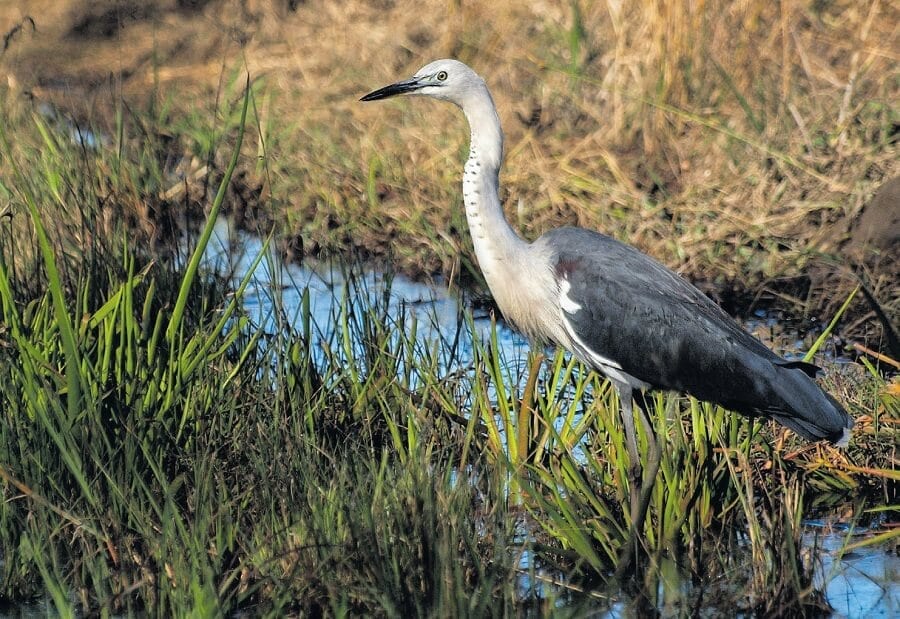
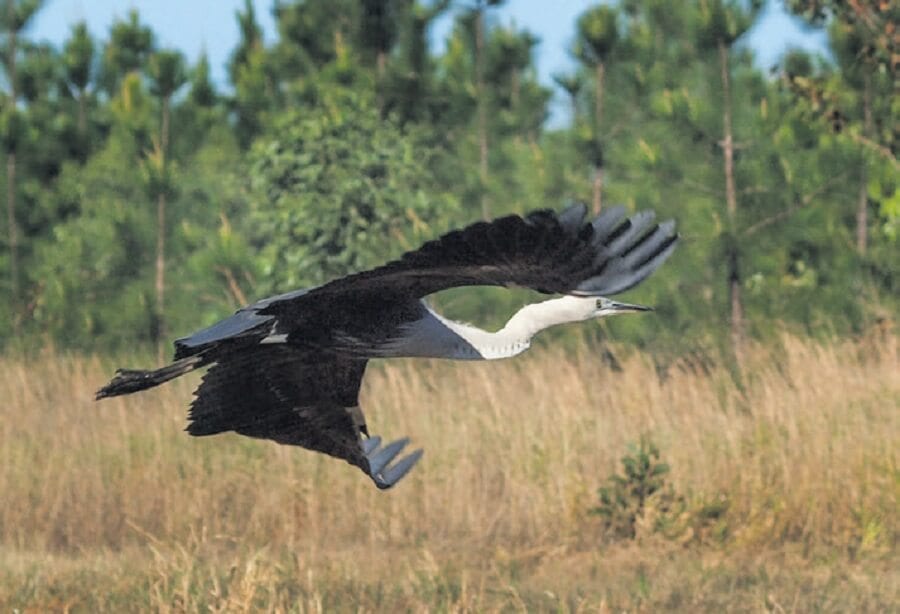
White-necked Herons are occasional visitors to Bribie Island and are almost always seen near shallow waters. I have seen them on several occasions at Buckley’s Hole and as recently as just before Christmas 2019 there was one foraging along the margins across from the hide. White-necked Herons are large predatory carnivores 75-106 cm in length and weighing 600-1200g.
Herons are much like egrets but are more colourful. They have long white necks with double rows of black spots running the full length when in nonbreeding plumage. Wings are dark with noticeable white markings on the edges of the upper wings. Legs are long and black; eyes are green, and bills are shorter than the bills of other herons. Males and females are similar with females usually a little smaller.
When in flight their legs stretch back behind their tails and necks are slightly bent. Wingbeats are slow and deep. They also take advantage of thermals soaring high in the air. Their voice is a harsh single or double croak. They are not as common as Whitefaced Herons but are highly mobile and occur in a much wider area and are found almost anywhere there are suitable freshwaters.
Habitats are shallow waterways around 7 cm deep in wetlands, on-farm dams, roadside puddles and shallow lakes but not usually on salty mudflats. They are widespread throughout Australia with numbers fluctuating according to the availability of suitable feeding grounds. Manmade dams and watercourses have provided many more habitat options and herons have benefited.
When waters dry up they move on to other areas where there are water and food. Usually quite a wary bird they tend to stick to open areas where they have a clear view of any impending danger. They have become well adapted to the harsh climatic conditions in Australia and are also found in Indonesia, PNG and New Zealand. Food is mainly made up of fish, crustaceans, insects and any small creatures they find including small nestlings of other birds.
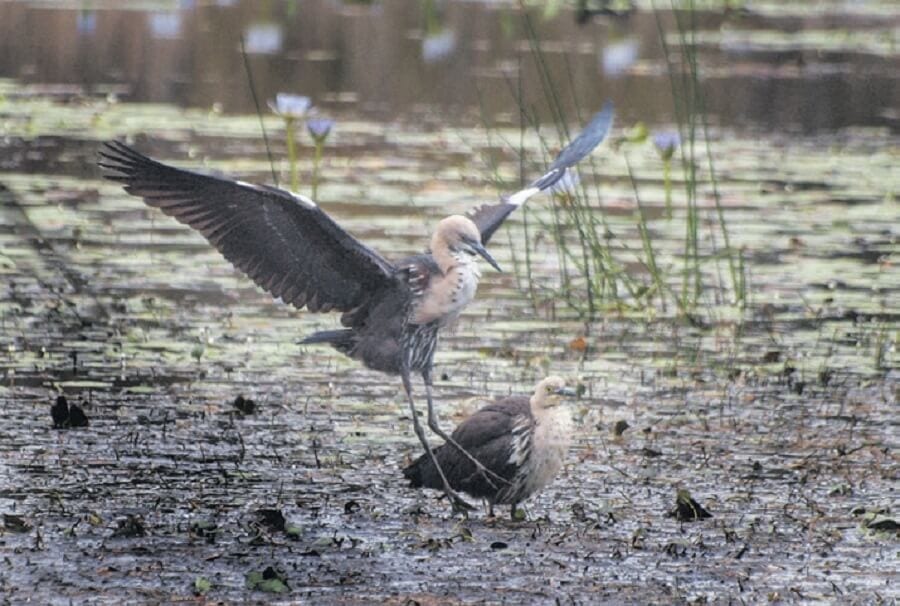
Juveniles landing at Buckley’s Hole.
In flight. Note outstretched legs and bent neck.
They mostly forage singly, in pairs and occasionally in small sieges wading through shallow waters. Sometimes food is stolen from other birds. Breeding can take place at any time of the year in favourable conditions. In our area the most likely breeding time is between August and February and in the north, it is more likely to be between January and April after the monsoons arrive.
During this time, they develop maroon feathers on their backs and breasts. They are thought to be monogamous and often form colonies with other birds such as egrets, cormorants, Ibises and spoonbills when nesting. Males perform a dance to attract females during the courting season. Nests are built by males and are untidy platforms of sticks about 40-50 cm wide built at 15-30 m in trees usually above water. Clutches of 4-6 blue-green eggs are laid and incubated by both parents for about 30 days.
Food is regurgitated and fed to the downy chicks by both parents. If food is scarce weaker chicks will be tossed from the nest by their stronger siblings. Usually, only 2 babies will remain alive at fledging. When the babies are small both parents take it, in turn, to stand at the nest with wings outstretched to provide shade. Young can fly at 6-7 weeks. Nesting range can be quite flexible with the parents going where conditions are right and if conditions remain stable for several years the nests can be used again and again. White-necked Herons are sometimes called Pacific Herons.
A group of herons is called a “siege”. Threats to White-necked Herons are predatory animals such as feral cats, foxes, reptiles and raptors. Droughts can disrupt nesting procedures and thus lessen the number of offspring produced. They are widespread throughout Australia, but little is known about their population status. More study is needed to fill in the gaps for herons and other birds about their biology, movements, habits and population trends. Their conservation status is thought to be secure.
I get some nice feedback from readers of my regular History articles. Old-timers and new timers like to be reminded of things about Bribie’s past. If you are a resident or visitor reading this article, my guess is that you have come to Bribie Island because it is different.
Bribie is not like other seaside suburbs… It is unique… special… And has always been that way. For over 100 years people have been coming to Bribie Island because it has a unique character and strong community spirit… Of course, it has changed over the years, for many different reasons, and the march of progress and people’s requirements do change things.
However, the reasons that brought you here, and many thousands before you over the years, is its special charm, that might be in danger of being lost. We know that things must change with time, but it would be sad to think that Bribie Island would just drift into being just like everywhere else. This article reflects on aspects of the past and raises the question about what will the future be like.
If you do not know where you are going ….any road takes you there.
Bribie should have a “Vision” for the future, to ensure it remains a special place in 100 years.
BRIBIE ALWAYS “SPECIAL”
Bribie Island has the unique distinction of being the place where the first white man landed, in what is now Queensland, after the penal settlement in Sydney. Matthew Flinders landed on July 16th 1799 with his aboriginal companion Bongaree, his cat “Trim” and a small crew aboard the sloop “Norfolk”. Twenty four years later 3 castaway convicts were marooned here in 1823 before the Moreton Bay Penal Colony was established at Brisbane in 1825.
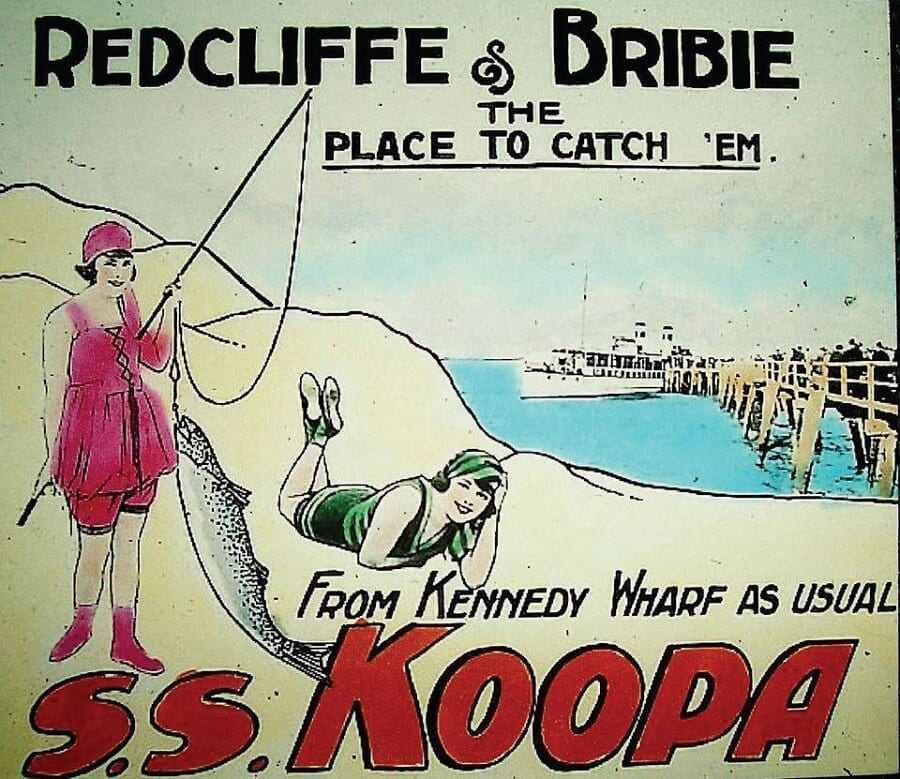
The new Colony of Queensland was separated from NSW in 1859, but very few people lived on Bribie Island until 1912. It was then that Bribie was opened up as a unique tourist destination for steamship excursions from Brisbane. Within a few years, it became a booming tourist destination, with thousands coming to camp and fish, and enjoy the isolation and environment.
For the next 50 years, Bribie remained isolated, self-sufficient, creative, imaginative and independent. It developed its special charm because it had to, in order to succeed… It was often called a “Zoo without a Fence” and sometimes jokingly as “The Three D’s”… Drunks, Dogs and Defactos. When the population was just a few hundred there were many exceptional people here, who added to the charm of the place.
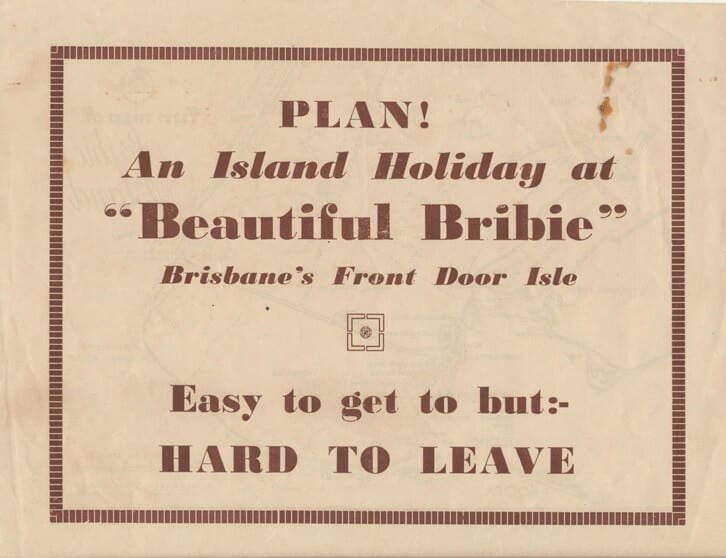
Bribie Trip PosterBribie Holiday Poster 1950’s
BRIBIE WORTH THE EFFORT
It was a three-hour trip, and often a rough boat ride from Brisbane, but Bribie attracted rich and poor to this unique location. Bribie was part of the large Caboolture Shire, and while it was the closest town, there was no road access. A trip from Bribie to Caboolture for the first honorary Bribie Councillor in the 1930s took two days, by boat and train via Brisbane.
Caboolture Shire was much bigger back then and stretched from Kedron Brook to Maroochydore River. Over the years, various areas sought their independence, and the Shires of Maroochy, Kilcoy, Pine Rivers, Redcliffe and Caloundra were formed. Bribie remained part of the then smaller Caboolture Shire…..a unique and popular destination …..Which thrived on its isolation and character.
As a result of military installation built in World War 2, and the increased popularity of the motor car, a rough road was built from Caboolture to a car ferry at Sandstone Point to Bribie. This resulted in the Steamship trips ending in 1953, but Bribie remained a very popular destination as the residents and visitors had created their own successful economy. Bribie always wanted to be independent and establish its own Shire and made unsuccessful attempts to do so in 1913, 1931 and 1967.
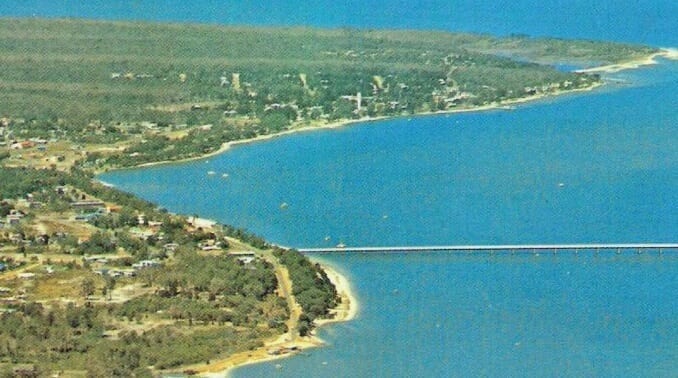
Bribie aerial view 1970’s
PROGRESS & DEVELOPMENT
For many years, there was talk and political promises of building a bridge to Bribie, and this eventually happened in 1963. This was a major event in the history of Bribie, but when the new Bridge was about to be opened it was announced that there would be a charge to cross it. A “Toll” of 10 shillings had to be paid to cross the bridge, equivalent to about $15 in today’s money.
That huge and unexpected imposition limited the anticipated population and business growth for several years. For many years, the Council rates for Bribie were disproportionally higher than the rest of the Shire. In 1967 Bribie residents made another attempt to succeed from Caboolture and become its own Shire.
Once again, that was unsuccessful, and Bribie remained part of Caboolture Shire Council for many more years until amalgamation changed things again. The bridge toll remained for 12 years until 1975 when the bridge had been paid for. In the bicentennial year, 1988 Bribie staged another Succession parade as part of the celebrations.
Bribie Toll 10 shilling ticket
COUNCIL AMALGAMATION
In 2009, Government amalgamated the three Councils of Redcliffe, Pine Rivers and Caboolture into one enormous Moreton Bay Regional Council. Bribie Island became a very small part of a very big Regional Council. The justification for amalgamation was to achieve cost savings, the economy of scale and improved services, but after 10 years I do not know how much of this has been achieved.
Some other places that were amalgamated have since reverted to their previous status. When Bribie had a resident population of just a few hundred people in the 1930’s, Bribie had an honorary Councillor. Over the years, as the population grew to about 1800, Bribie had two elected Councillors representing them on the Caboolture Council. Now, with a population well over 20,000, Division 1 has just one Councillor representing a much larger geographic area of Bribie and the mainland.
This is a challenging job for anyone, with Bribie situated on the boundary of a large Regional Council. However, Bribie Island remains the unique jewel in the crown for so many reasons. We are soon to have a Council election, but we won’t be voting for a community “Vision” for the future of Bribie.
RECOGNISING BRIBIE’s HERITAGE.
In 2008, I established the Bribie Island Historical Society when I became fascinated by the rich Heritage and History of this unique island, although none of it was visible. Even our world-famous resident, eccentric and recluse artist Ian Fairweather had no visible signage. I replaced a plaque at the site of his grass hut residence.
We have since had a Museum built which displays some of our rich Heritage, and Fairweathers amazing life story. I installed numerous bronze plaques and signage around Bongaree foreshore, designed and printed free Heritage Walk brochures We conduct regular Heritage Walks at Bongaree and the WW2 relics, and I know how popular these walks and brochures are.
I don’t expect everyone to be interested in local history, but it certainly adds value to being here, and a respect and understanding of just why this place is special.
VISION for the FUTURE
We are all different, and all have different views about how Bribie should be in future. Many people are urging for a new and bigger bridge to be built. Most Bridges and Tunnels built these days have a Toll.
How would we feel if a new bridge were to have a toll? Should we go on building more roads for more cars? Perhaps Bribie should have an efficient and effective public transport system that meets current and future community needs. Almost 100 years ago thousands of people came and went by Steamship from Brisbane to Bribie. They were transported across the island by basic busses to the Ocean Beach. That was the closest surf beach to Brisbane in those days.
Today we have empty buses driving around Bribie all day to a timetable that does not recognise our needs or help to reduce short car trips, parking and congestion. For the same cost, we could surely have a fleet of smaller vehicles running to all suburbs and required locations at more regular intervals. I guess it is just a matter of time before we have Parking Meters.
BRIBIE RESIDENT POPULATION.
Bribie Postcode 4507 has the highest percentage of people over 65 years of age than any postcode in Australia. However, this will probably change over time, but this is a unique aspect of Bribie that should be recognised in any “Vision” of the future. With the current significant developments already underway, and the anticipated construction of medium-rise apartments, the population is set to increase by up to 40% in the next few years.
Add to this the significant number of subdivisions and development already happening on the mainland close to Bribie, there will be many more people living on and visiting the island in the next few years. What are the things that are essential to ensure that Bribie remains a unique place? Many elements of a future Vision could include Community Services, Employment, Recreation, Transport, Environment, Heritage and of course Life-style.
Without a plan, it is likely that things will just drift along, largely driven by developers, and Bribie will become just another seaside suburb. I think that would be a pity… …how about you? If we don’t recognise and value the special aspects of our past- we won’t have much of a future.
HISTORY CONTINUED MORE BRIBIE HISTORY
The Historical Society has monthly public meetings at the RSL Club on the second Wednesday of each month (except January) commencing at 6; 30pm. with interesting guest speakers on a wide range of topics.
Get all your community news and information. Bribie Islands only community gloss magazine NOW EVERY TWO WEEKS! – Articles on boating, camping, fishing, life, drama, travel destinations, sports and what to see and do on Bribie Island. Covering charities, organisations, places, children’s activities, arts and crafts, tourist destinations, heritage parks, technology, science, music, gardening, and much more.
Download the latest Bribie Island Newspaper Magazine digital edition here
“It is given to a fortunate few, to be born at the right time, in the right place, with the right talents. There are three: CHANEL, DIOR and MARY QUANT.” This was the perfect 1960s description of the British fashion icon, Mary Quant from fashion authority Ernestine Carter. And BRITAIN’S BIGGEST SENSATION, the miniskirt, invented by Mary, will still be as popular in the 2020s as it was 60 years earlier.
Her magic to brighten things up with colourful stockings, curiously feminine patterned tights, waistcoats, high collars, ‘mad’ lounging pyjamas and the liberating short skirts, so practical for running, all created not just a look, but an attitude, making fashion a game. Jetting across the globe with her hectic career – but still combining it most successfully with contented home life – is the real magic of the legend who set the style of the Sixties, as I am about to discover in 1981.
A quiet grey-walled house in the heart of the English countryside isn’t the first place you would think of looking for that dynamic designer, MARY QUANT. But it’s her necessary antidote to the stress and hard work, as she “wouldn’t live in London again for all the tea in China.” With tall, distinguished and immaculately dressed fashion entrepreneur husband, Alexander Plunket-Greene, she bought the house around 1970, and for the first five years only used it as a weekender. But says Mary, “That didn’t really work.
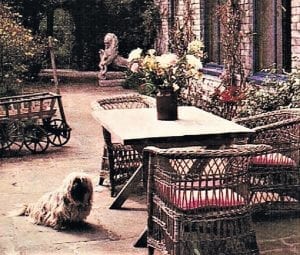
Front terrace, one of many family sitting-out areas
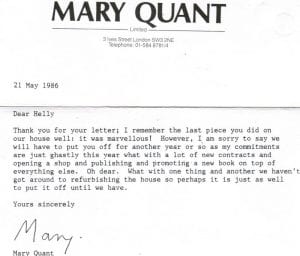
Letter RE photograhing a second house
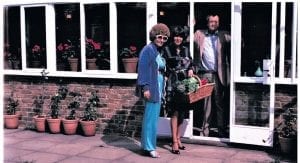
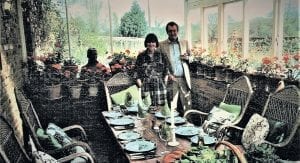
Helly, Mary and Alexander in front of greenhouse
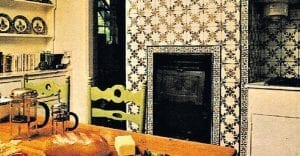
Lunch with home grown produce and Mary’s added tiles, for old-fashioned country atmosphere.
Up to 12 dinner settings in greenhouse
Urns and cast iron bench seats in front of house
It made life so complicated, as everything was always in the wrong place. So it’s easier to live in the country and commute daily to our London Office.” But what about the constant overseas flights? “Ah, no problem, we’re no further from the airport than our London townhouse.”
The tranquillity and rustic cosiness here highlight the couple’s passions: Alexander’s geraniums (see greenhouse) and Mary’s gardens. But when Mary first met Alexander, her art college sweetheart in 1953, “it was lust at first sight,” she admits. Now the family adore the outdoor life with most meals under the trees or in the sunny greenhouse, even for lunch in the winter, and they love the breathtaking views with hills perfect for tobogganing and 11-year-old son, Orlando camping at the back of the gardens resembling a forest.
“I look after the gardens myself, except for a chap coming over occasionally to cut the grass. But everybody does help me, even my Mum. I never tire of this undulating, cosy country. I grow a mixture of apples, peaches, nectarines and apricots, as well as vegetables and herbs.” The most commercial butterfly of all time, London born Mary, as thin in 1981 as ever, also sells wine, shoes, sheets, ties, hats, scarves, carpets and general household goods. She woos the world with her provocative up-to-the-minute-makeup empire, exceeding £75 million pounds last year, has sold lip gloss to Saudi Arabian women and perfumes to Nigerian men and is credited with inventing the duvet and the Daisy Doll.
After 25 years of marriage, Mary and Alexander, now both in their mid-forties are still working together. In 1988 Mary, who named the miniskirt after her favourite car, will design the interior of it, the Mini 1000. It will feature black and white striped seats, with red trimmings, red seat belts, her signature on passenger and driver’s seats and bonnet badge with ‘Mary Quant’ over the signature name.
The steering wheel will even display Mary’s signature daisy. Headlight housings, wheel arches, door handles and bumpers will all be all in nimbus grey rather than the standard chrome or black finishes, and 2000 of those Minis will be released in the U.K. in just two colours: jet black and diamond white.
Although she will win the coveted 1990 Hall of Fame Award, it will be a sad year for Mary, the widow, with Alexander’s passing – just 57 years old. In 2000 Mary will resign from Mary Quant Ltd, with a Japanese buy-out with more than 300 Mary Quant Colour shops in Japan. By 2011 she will have published her 5th book – her 2nd autobiography. And in February 2020 she will be 76. Happy, Happy Birthday Mary!
She is referenced in Popular Culture in songs, musicals, and pop artist, Peter Blake added Mary to the Beatles’ Sgt. Pepper’s Lonely Hearts Club Band album cover, celebrating British cultural icons during his own life. What a long way the girl has come, whose first job in the rag trade was ironing veils for £2.50 Pounds a week.
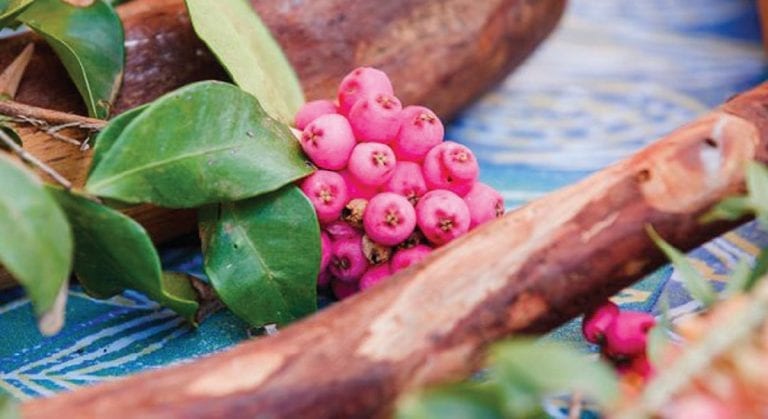
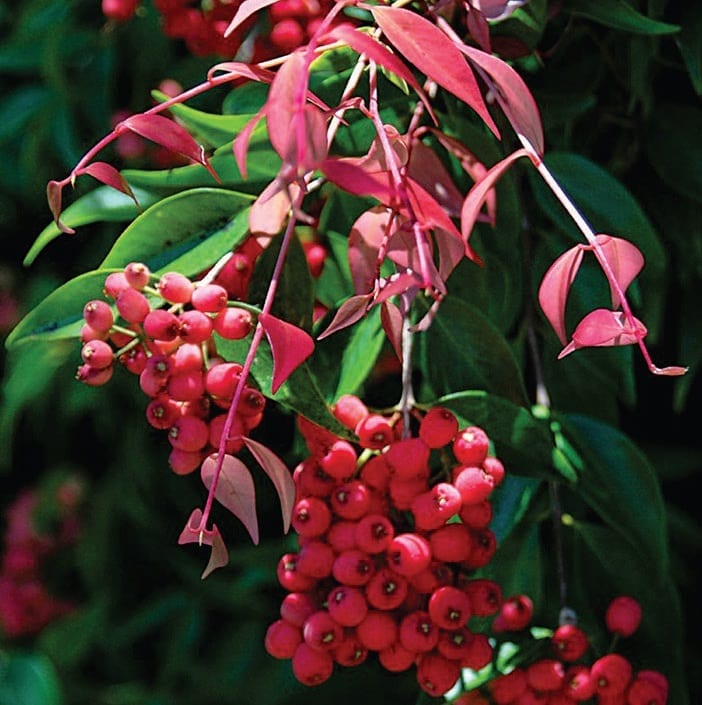 The attractive red fruit of this ornamental small tree is a popular ingredient in many wild food dishes. It is now being harvested commercially.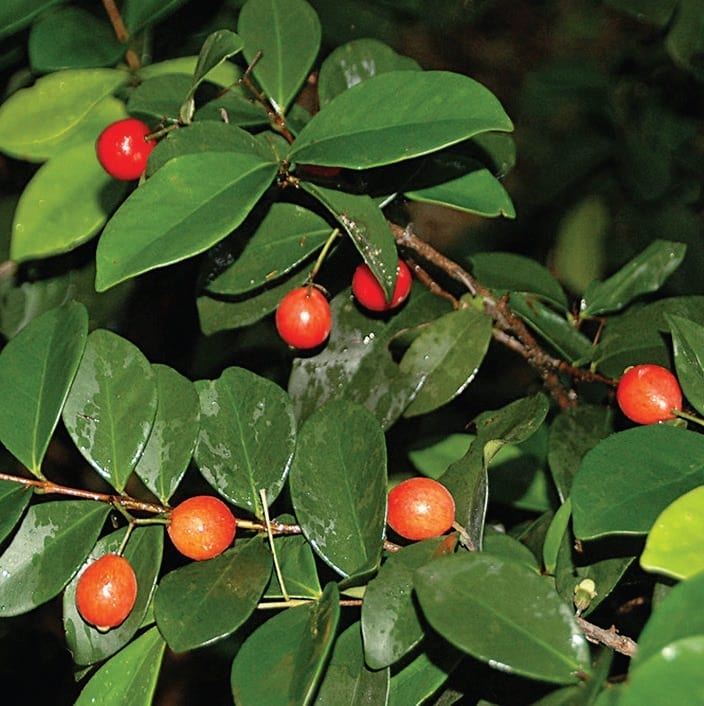
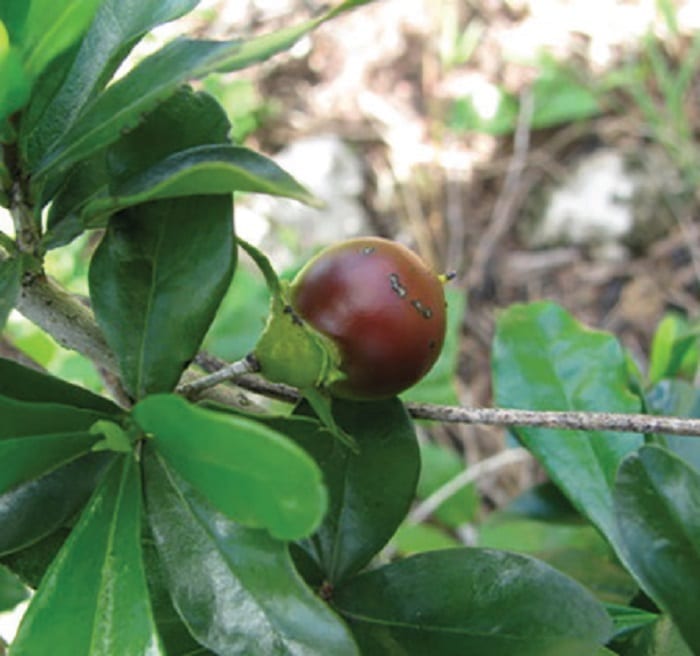 Edible, sweet-tasting, deep red fruit which ripens in summer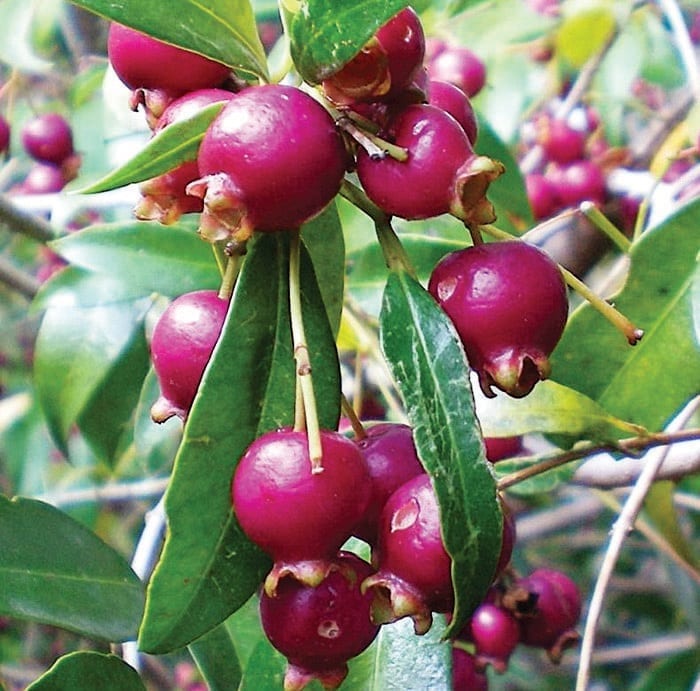
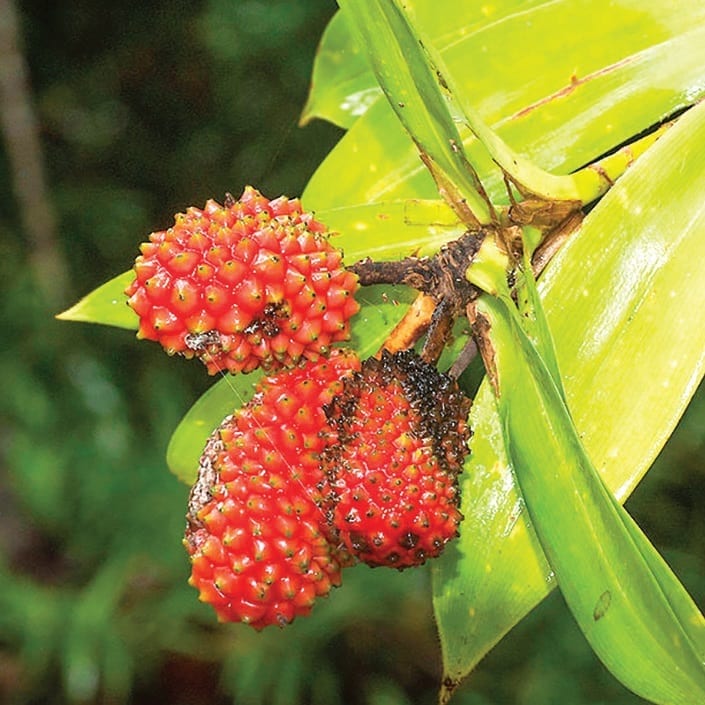 Bright red fruit resembling strawberries ripens in winter. It is eaten raw.rigines to give a smooth finish to their weapons.
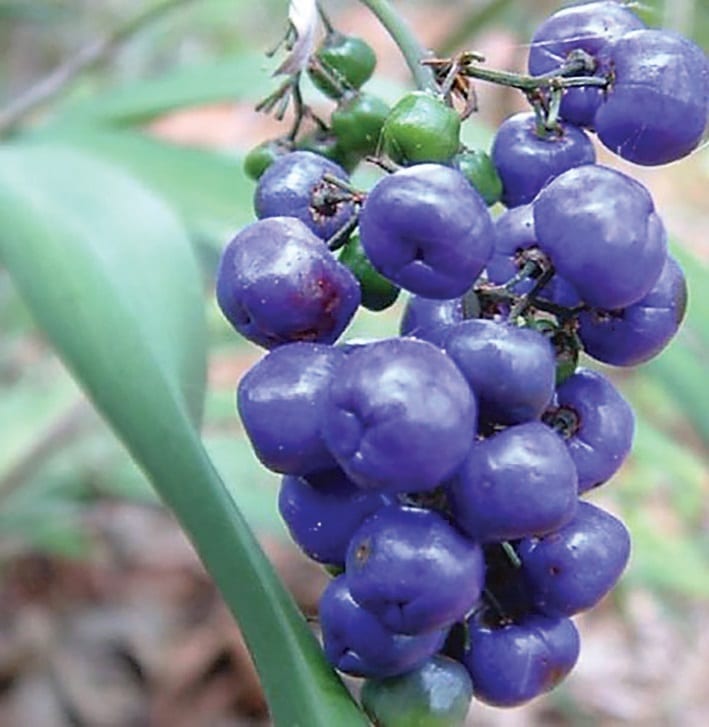 The shiny, dark blue berries are edible. Aborigines ate the roots after pounding and roasting them on hot rocks. They used the fibre from the tough leaves to make baskets and nets.
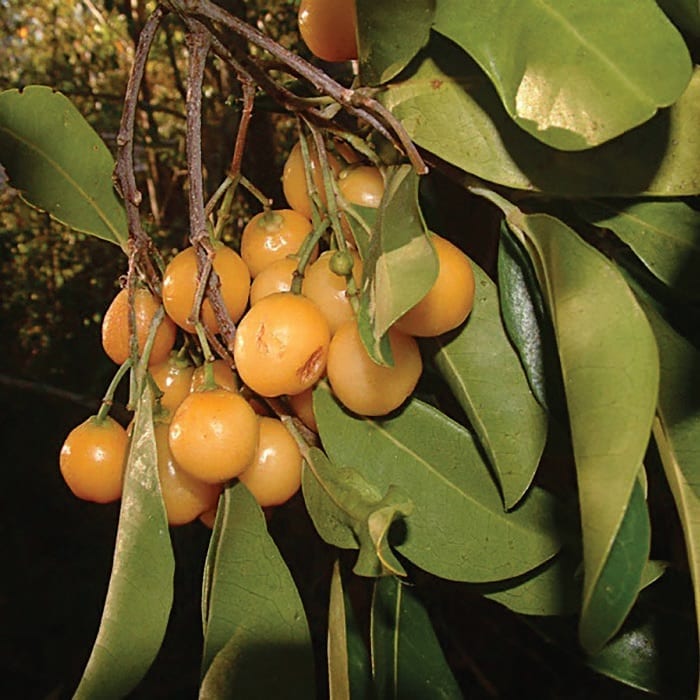 Juicy bright orange fruit which ripens in Winter and Spring, have a sharp-tasting edible flesh. This is a hardy, ornamental shrub or small tree for the seaside garden.
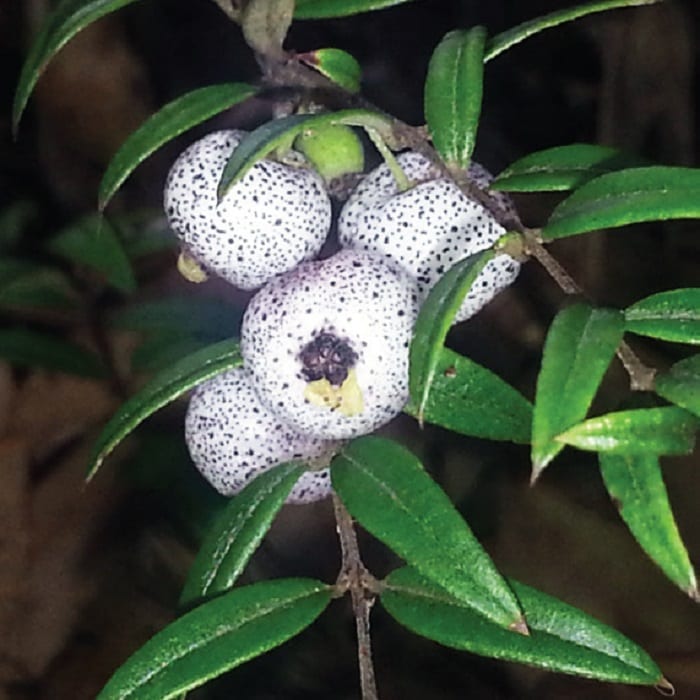 Occurring in sandy coastal areas of Northern NSW and Southern QLD. This small shrub produces pretty white flowers in spring and summer. These are followed by edible, mauve white speckled berries which are quite delicious.
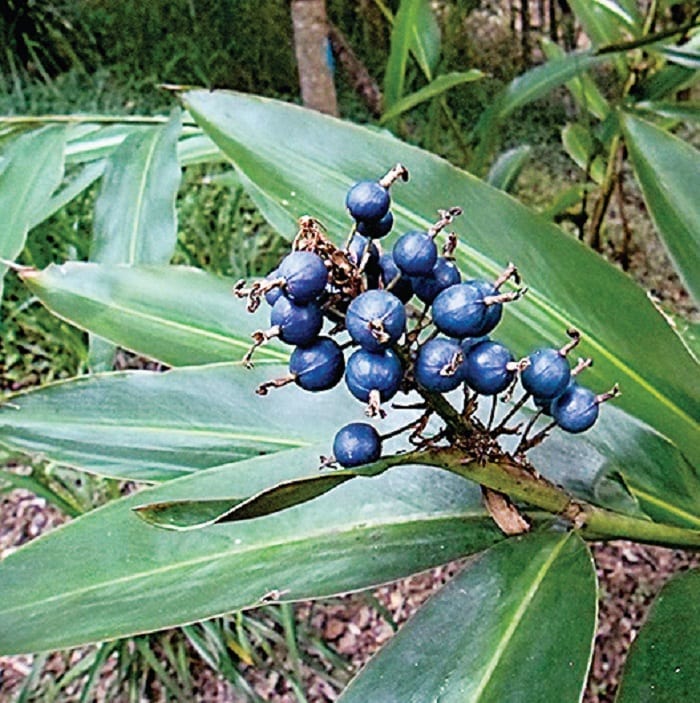 All parts of this plant are edible, raw or cooked. The pulp of the blue fruit is pleasantly acidic and the seed is ginger flavoured. Aborigines wrapped the leaves around meat to be cooked in an earthen oven. The young root tips are gingery and tender.
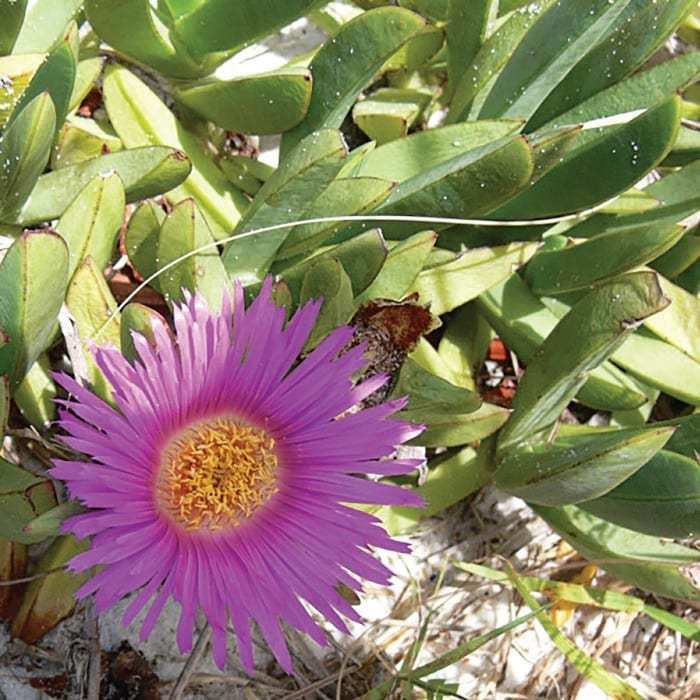 Fruits of this fleshy creeper of the sand dunes ripen in Summer and autumn. They have a delicious salty-apple flavour.
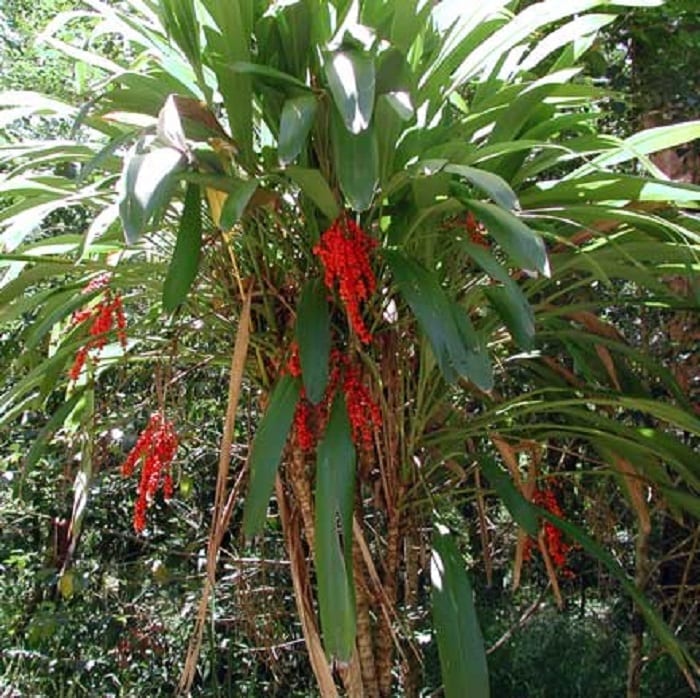 Occurring in sandy coastal areas of Northern NSW and South-ern QLD. This small shrub produces pretty white flowers in spring and summer. These are followed by edible, mauve white speckled berries which are quite delicious.
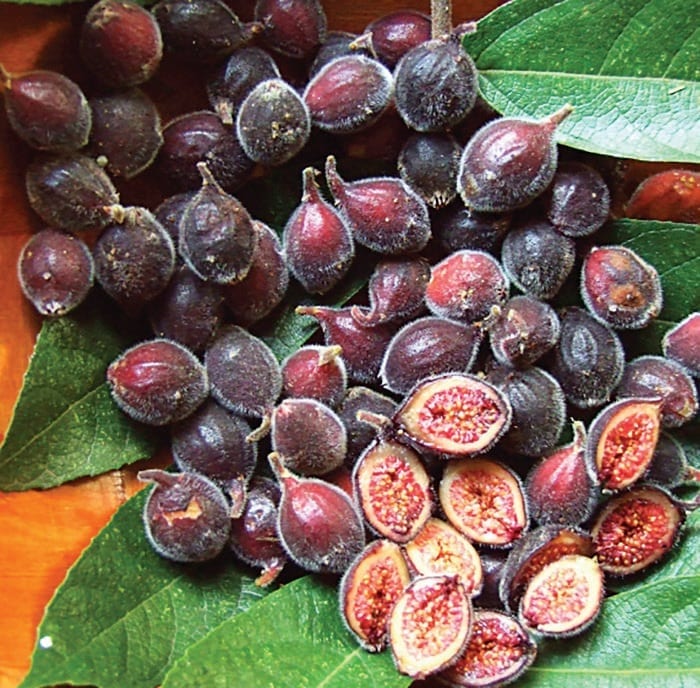 The dark purple fruit is very tasty when fully ripe. Peel off the hairy skin before eating the soft, pulpy seed mass. The sandpapery leaves were used by aborigines to give a smooth finish to their weapons.
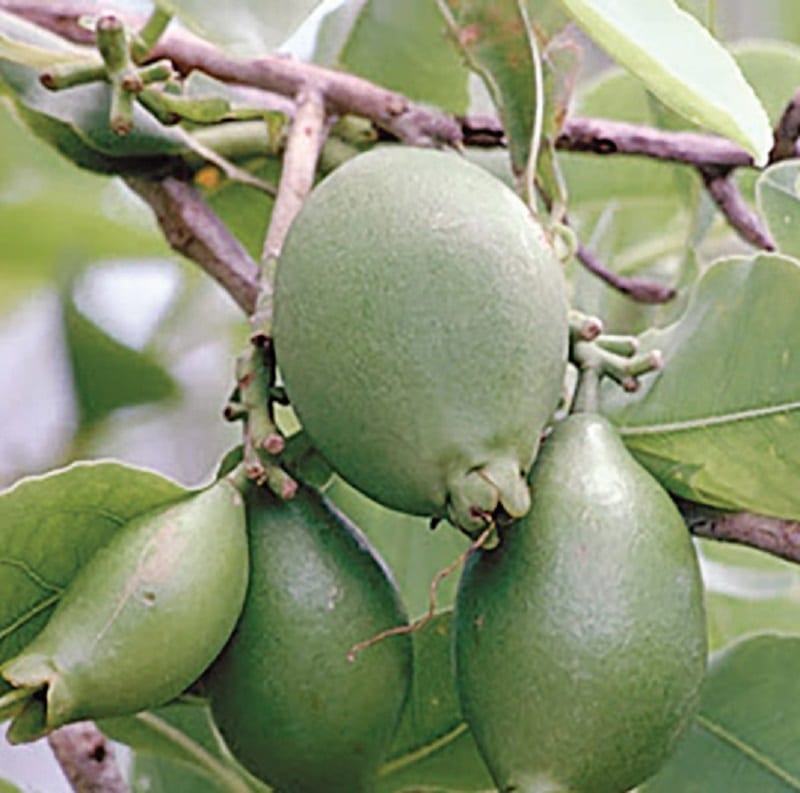 A common tree of northern eucalypt forests. Aborigines ate the large, green, egg-shaped fruit roasted or raw. Bark and roots were pounded to use a fish poison. Strong fibre from the bark was spun to make string for nets and belts.
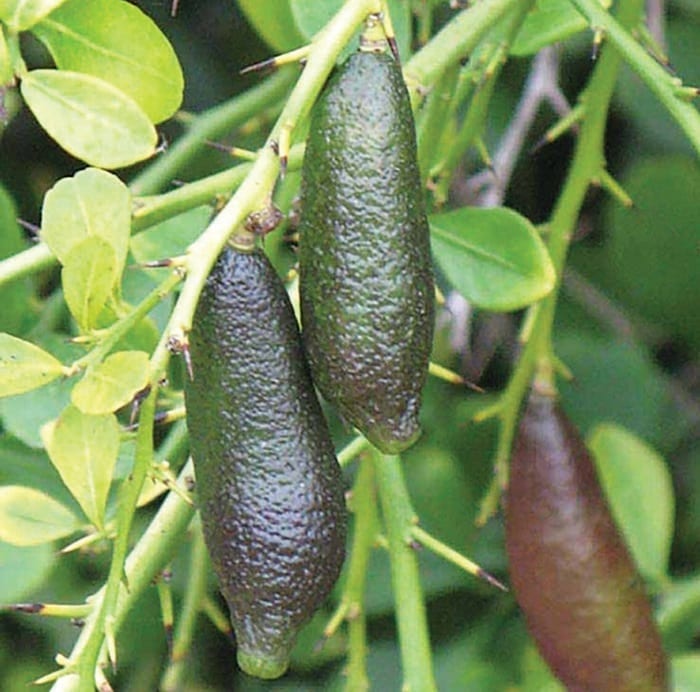 Green cylindrical fruit with a similar flavour to round limes.
 The purple egg shape fruit ripens in Autumn. It has a tangy flavour and is delicious stewed with sugar. Good for jam and winemaking.
 The purple-black fruit is edible when completely ripe and fallen to the ground. Aborigines buried the fruit in sand until it was ready to eat. An excellent jam is made from the fruit.
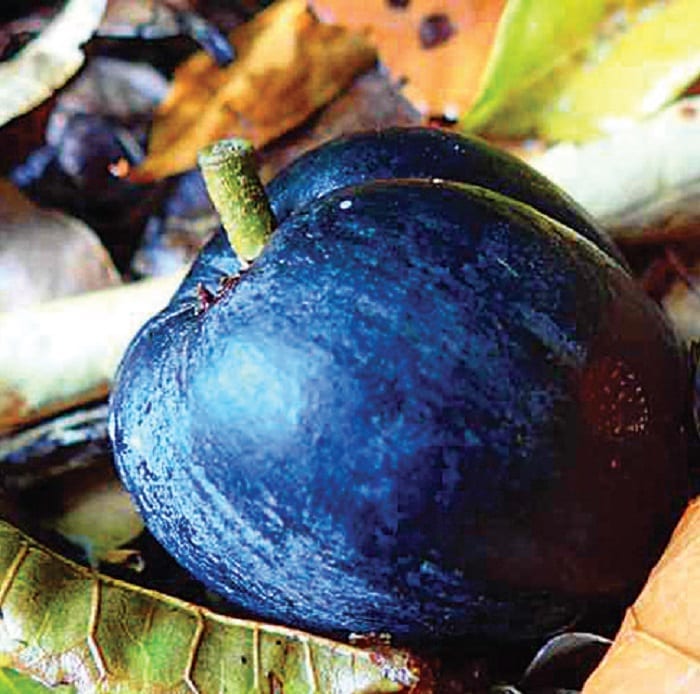 The dark purple fruit is very tasty when fully ripe. Peel off the hairy skin before eating the soft, pulpy seed mass. The sandpapery leaves were used by aborigines to give a smooth finish to their weapons.
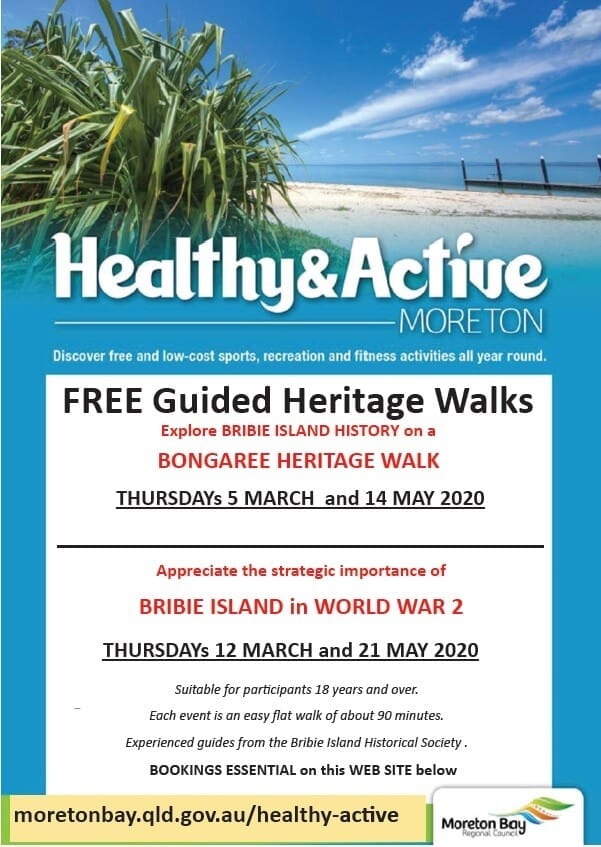 These guided walks give an insight into the history and lifestyle of early Bribie, and an appreciation of some pioneer residents and buildings. Here are some edited extracts from various Brisbane newspapers of 1924, 1926, 1929 and 1930, with some Photos inserted from our Historical database. This is my favourite Photo from our Database of Bongaree foreshore in 1920.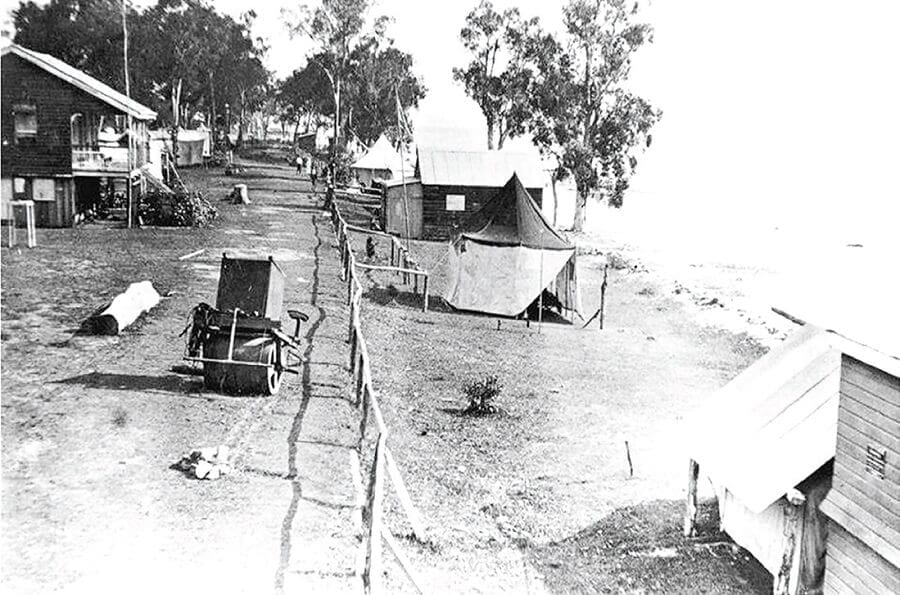
 On the day of the visit to Woorim township, as the outer beach is officially named, a strong northwesterly wind was blowing straight from the open ocean at the north end of Moreton Island, causing heavy rollers to break upon the beautiful white beach which extends northwards for some miles. Surf bathers here enjoy themselves to the full, and at holiday times, members of lifesaving clubs were always on the lookout.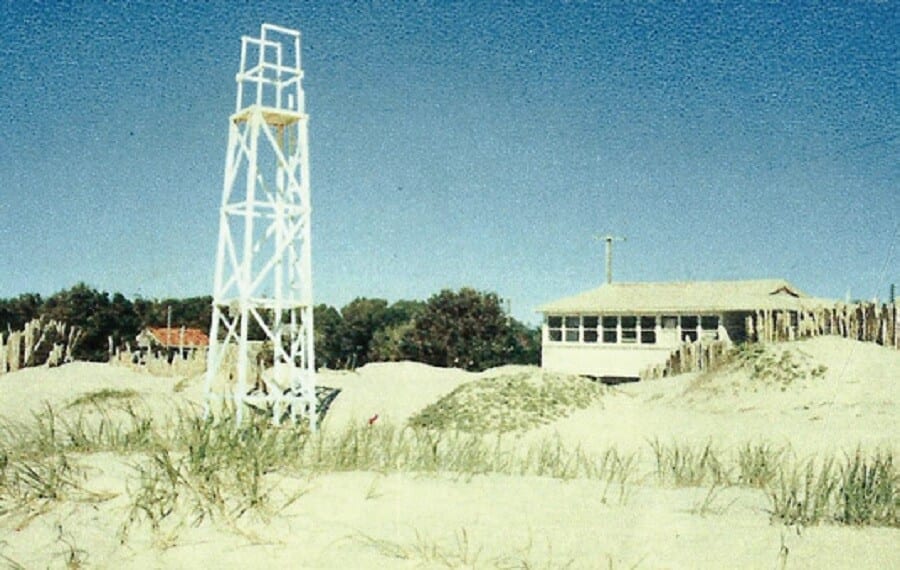
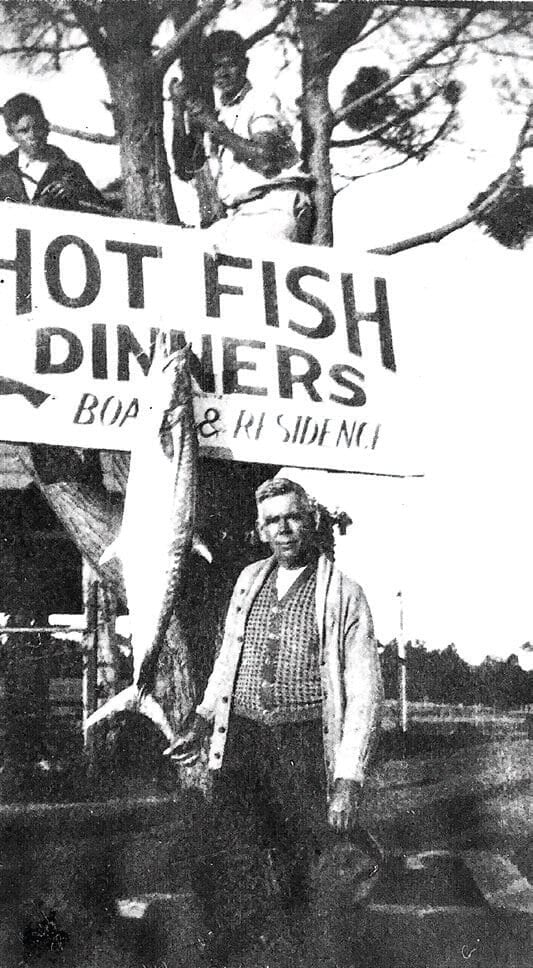 A little more than 15 years ago, an old settler states, scarcely a dozen persons were permanent residents of the island. But today there is the cosy little township of Bongaree, the settlement facing the mainland and Bribie Passage, with a large number of permanent settlers, stores, a newsagency, two churches, a State School with 25 children, a hall, a sports club, at least half-a-dozen boarding-houses, many cottages, including a row of small cottages along the Passage beach, popularly known as “The Twelve Apostles,” a bowling green, and tennis courts.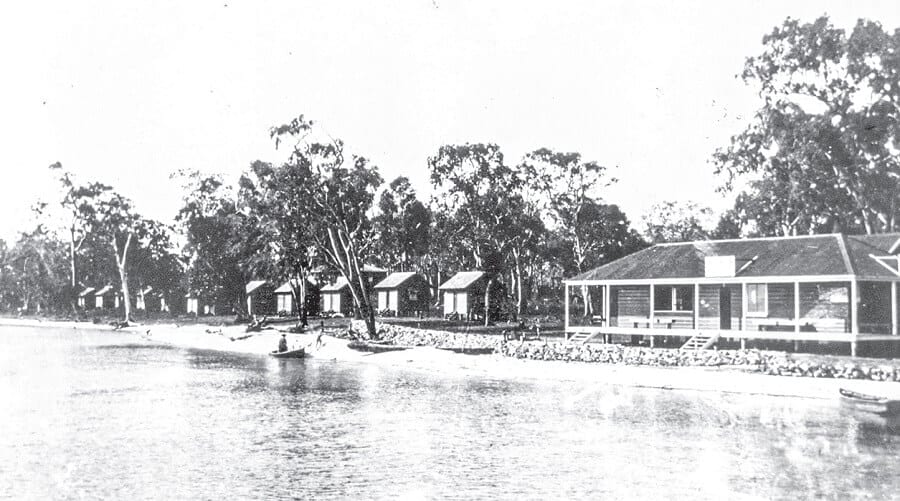




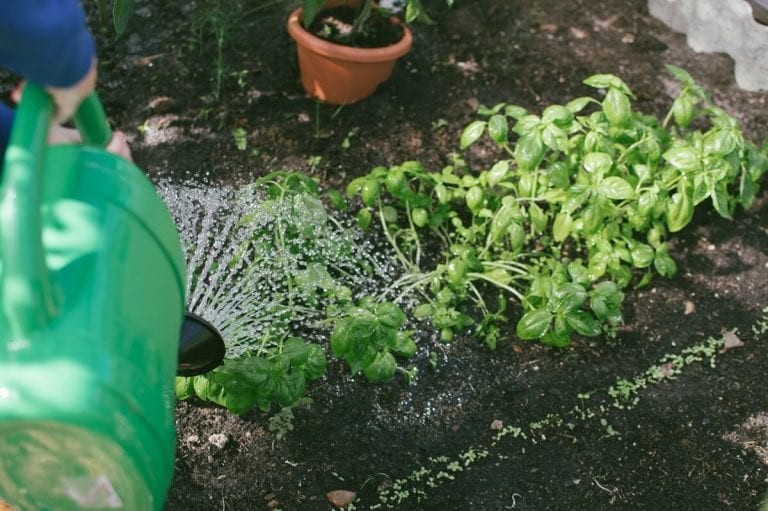
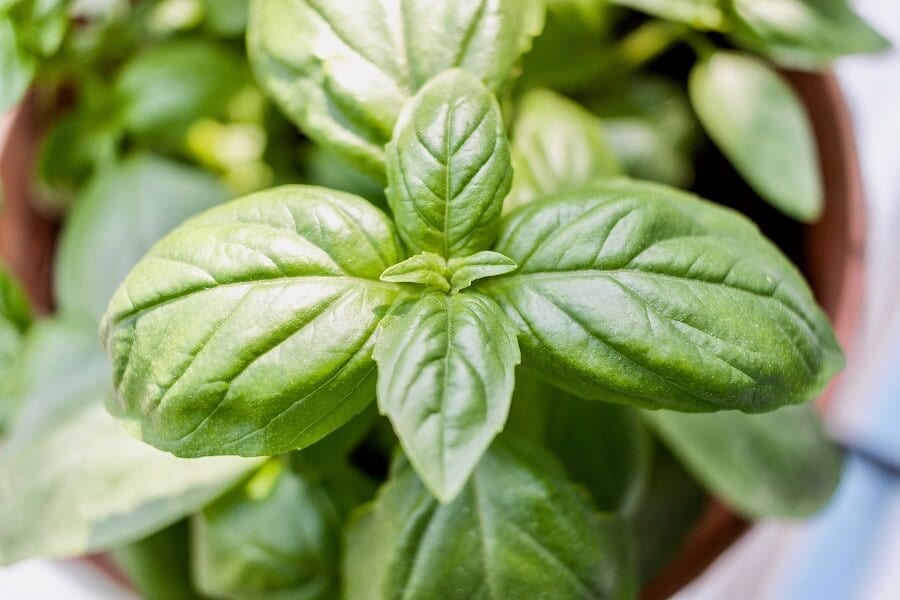 Basil is a leafy and fragrant herb that grows beautifully in full sunlight. Basil loves moist but well-drained soil and requires lots of pruning when it’s in full season. When a branch of your basil has seven or eight leaves, it’s time to give it a prune to allow for new growth. Basil works well in Italian dishes and can be made into pesto pasta sauces or added to salads.
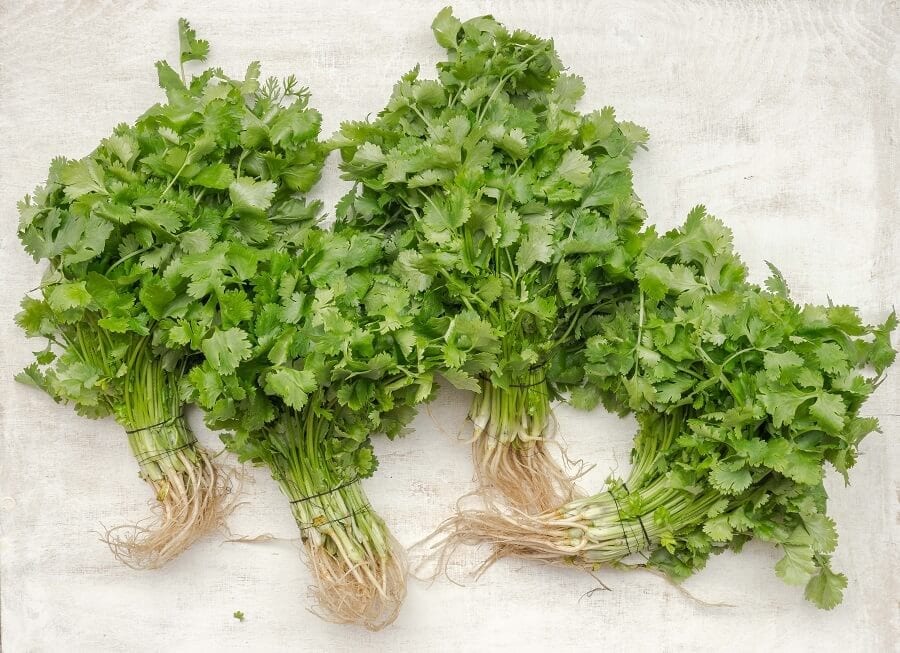 Summer is not ideal for coriander to grow but spring, winter, and autumn should see your coriander plant in full bloom. Coriander plants like sunny spots in the garden, well-drained soil, regular watering and fertilising. When embarking on a journey to learn how to grow herbs in pots, coriander is your go-to. While it also grows well in the ground, coriander makes for an excellent container mate for other plants and herbs. Coriander is a pungent herb that complements Indian and Asian dishes.
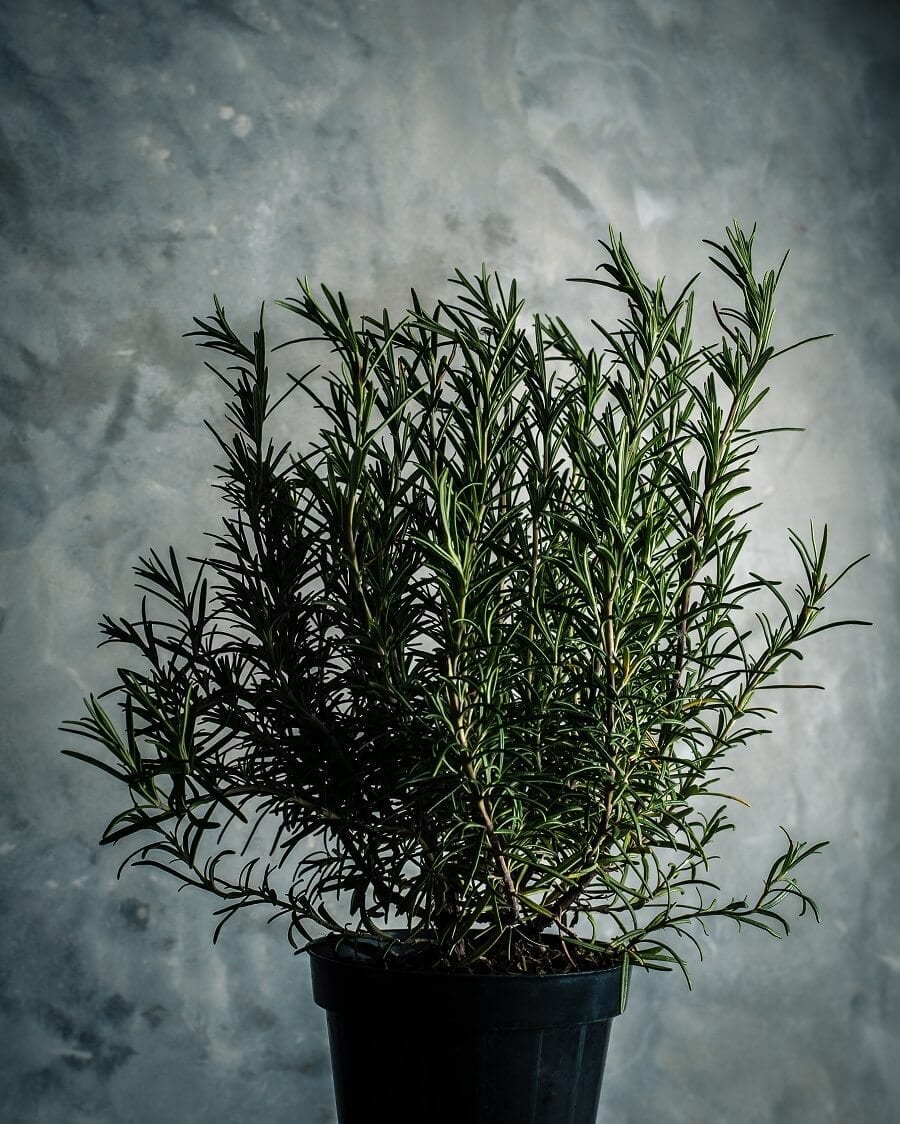 Rosemary is arguably the easiest herb to grow. If you plant it in a good spot, it will provide you with more rosemary than you’ll ever be able to cook with. Rosemary plants can grow quite tall and wide but can still live happily in large pots and containers. It can survive well in hot and dry climates so be careful not to overwater or over fertilise it. Rosemary is a hearty herb that works well with winter foods like soups, stews and baked potatoes.
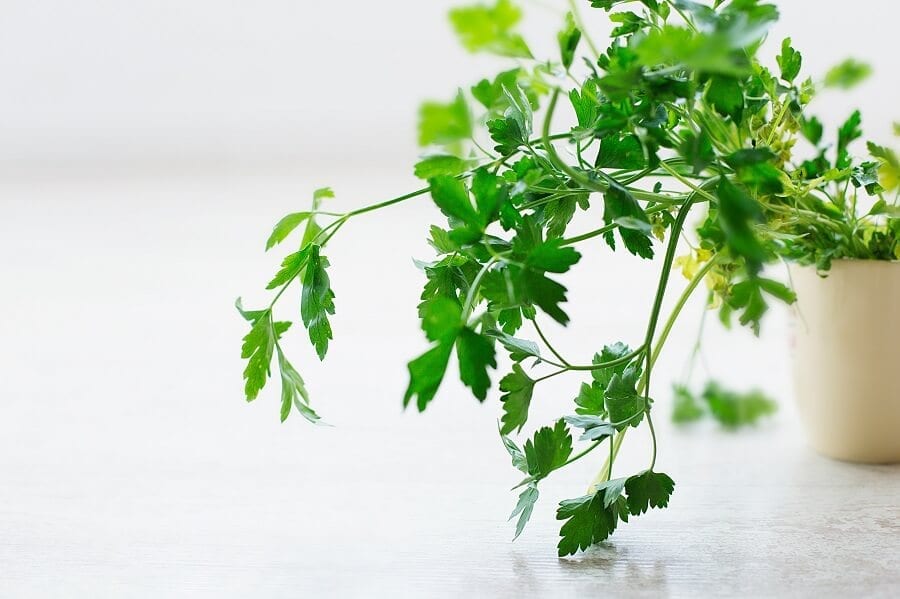 If you want to discover how to grow herbs inside, or more importantly, what herbs are easy to grow inside, then look no further than parsley. Not unlike other herbs, parsley flourishes in sunny areas, but it’s a hardy, versatile herb making it one of the easiest herbs to grow in the kitchen. There are two basic varieties of parsley – flat-leaf and curly. Both are excellent for cooking, particularly in Italian dishes, and both will grow well in most gardens or containers. Parsley likes to be planted in spring and needs a moderate to low amount of water and fertilisation.
 While Lavender isn’t technically a herb, it’s still a wonderful plant to grow as a part of an edible garden. You can use it for baking, making your drawers smell sweet and adding fragrance to bathroom products. Lavender loves the full sun so make sure you can accommodate its needs before you plant it. Lavender likes a well-drained pot but give it lots of water at least once a week. If your lavender is growing well it will need pruning regularly to keep it under control – lavender thrives under the right conditions so, make sure you keep an eye on it.
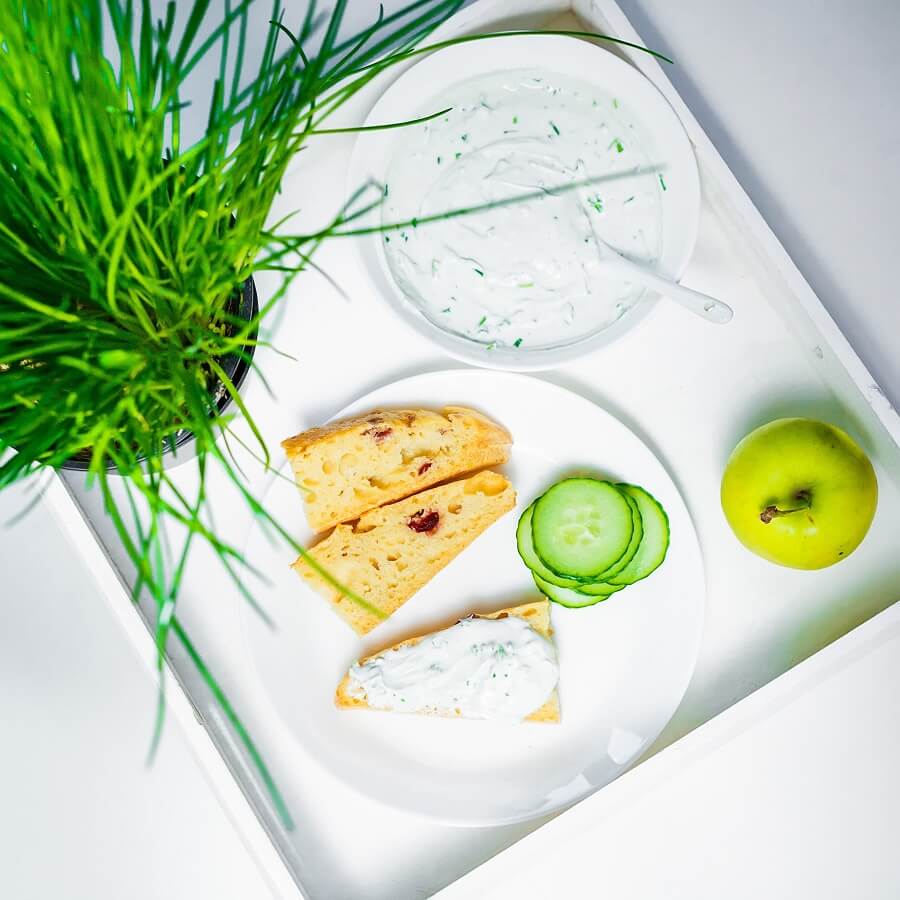 Chives like the cold weather so winter is when you’ll get the best out of your chive plants. If you plant chives under the right conditions, they can overwhelm your garden so make sure you keep an eye on any neighbouring plants. Chives love full sun, cool weather and moist soil that’s fertile and well-drained. Chives are a delicious addition to winter soups and are also fantastic when stirred into dips and sauces.
 Fragrant and fast-growing, mint is an easy-to-grow and very useful addition to an at-home herb garden. Mint likes a nice mixture of sun and shade and thrives well in gardens, pots, and containers. Make sure you place mint plants about 40cm apart to allow for rapid growth and to discourage the roots from overcrowding. Mint can be used in a variety of different dishes including salads, stir-fry’s and even in hot drinks.
 Clubs around the world take part in international service projects, in a global effort to bring peace and international understanding to the world. Most Rotaract activities take place at the club level, usually every two weeks, which feature speakers, special outings, social activities, discussions or visits to other clubs. Club members get together on designated days for service project work, social events, or professional/leadership development workshops.
 For Year 11 students National Youth Science Forum gives an opportunity to visit a large variety of Australia’s leading scientific facilities and talk to many of our top scientists. The Rotary Adventure in Citizenship Program is an intensive but fun-filled week-long program that is run in partnership with the Parliamentary Education Office.


 VISION for the FUTURE
 BRIBIE RESIDENT POPULATION.
 HISTORY CONTINUED MORE BRIBIE HISTORY