Tags: Charity. Not for profit. Organisation. Bribie Island. Brisbane. Queensland.
A CRAFTY AID FOR OUR FARMERS
As I think most of us are aware, many Australian farmers are facing one of the most significant droughts in memory and along with that, are selling off stock, going without the basics and in some instances, walking away from the property which has been in their family for decades.
This situation has prompted members of many communities to raise funds which can then be used to provide some relief to our country cousins and this includes local organisations, one of which is the Ningi based Crafty Shed. The Crafty Shed was founded twelve years ago and is home to a variety of groups, the most pro-active being the quilting group, Pumicestone Piecers. There also the Crafter Critters who practice card making, embroidery and crocheting and there is also some who are accomplished artists.
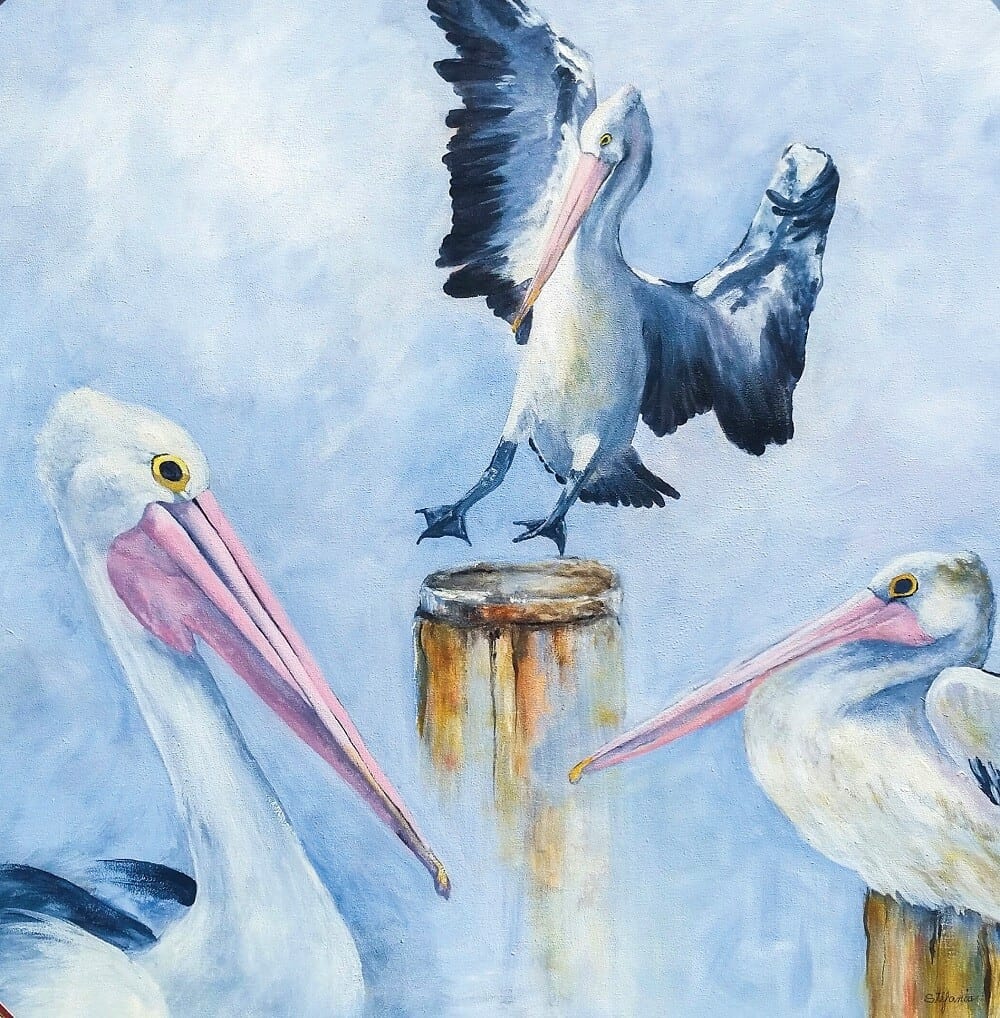
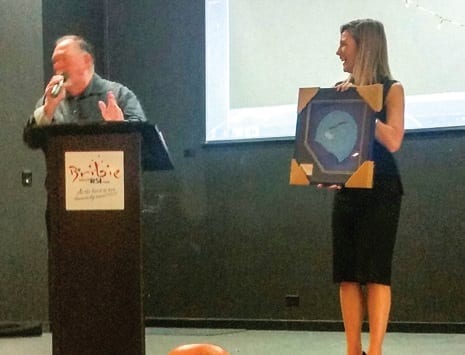
As a contribution to the Farm aid appeal, Crafty Shed President Beryl Higgins recently presented a $2,000 cheque to the Lions Club of Sandstone Point and that money will go directly to those who need it. Eager to contribute more to the appeal, Crafty Shed Vice-President Stephanie Domagala, an artist of some note, has donate a painting which will be raffled at the end of October and she told me that anyone who would like a few tickets in the raffle can either call in to the Crafty Shed or give her a call on 5497 5013.
Stephanie also mentioned that the organisation which has about eighty members at present is always keen to welcome new members anyone interested can give her a call to find out more.




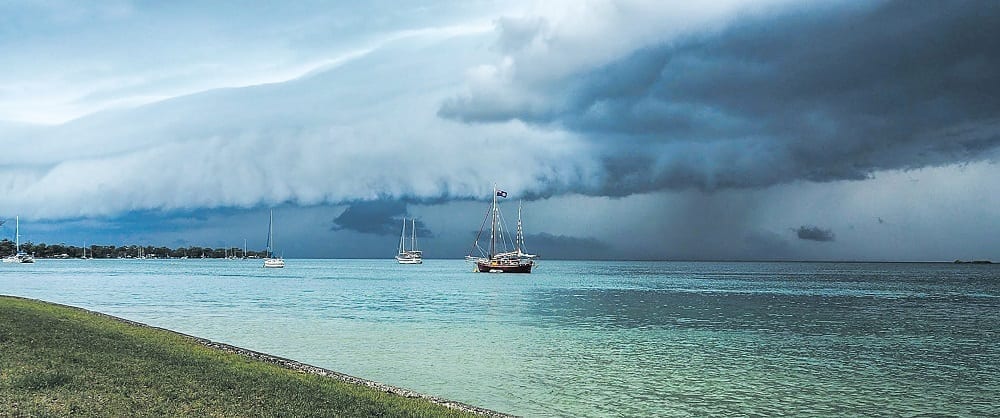





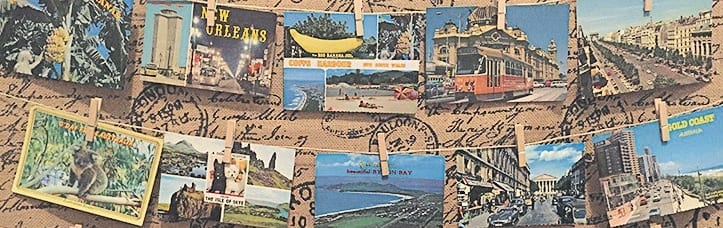 The very first commercially produced Post Cards were patented in America 157 years ago in 1861. In 1861 the new Colony of Queensland had only been proclaimed just two years earlier, people were still searching for Burke & Wills lost expedition, and of course, nobody lived on Bribie Island. The first Postcards to need a stamp, rather than being put in a stamped envelope, were Souvenir picture cards post cards produced in Austria around 1869. By 1873 the US Postal Department produced a pictorial “Postal Card” which was pre-stamped and became known as a “Penny Postcard”.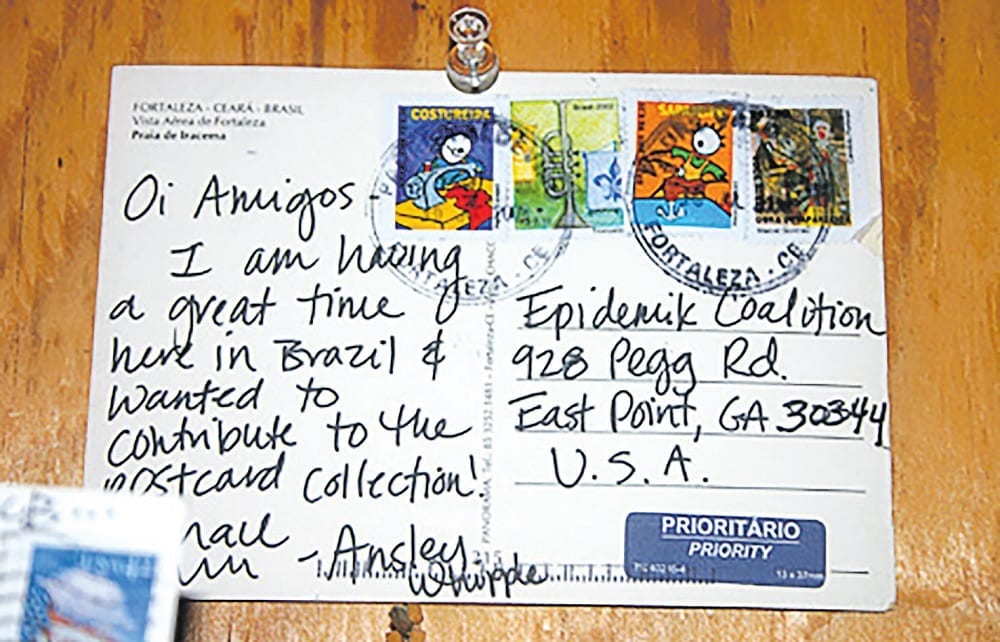
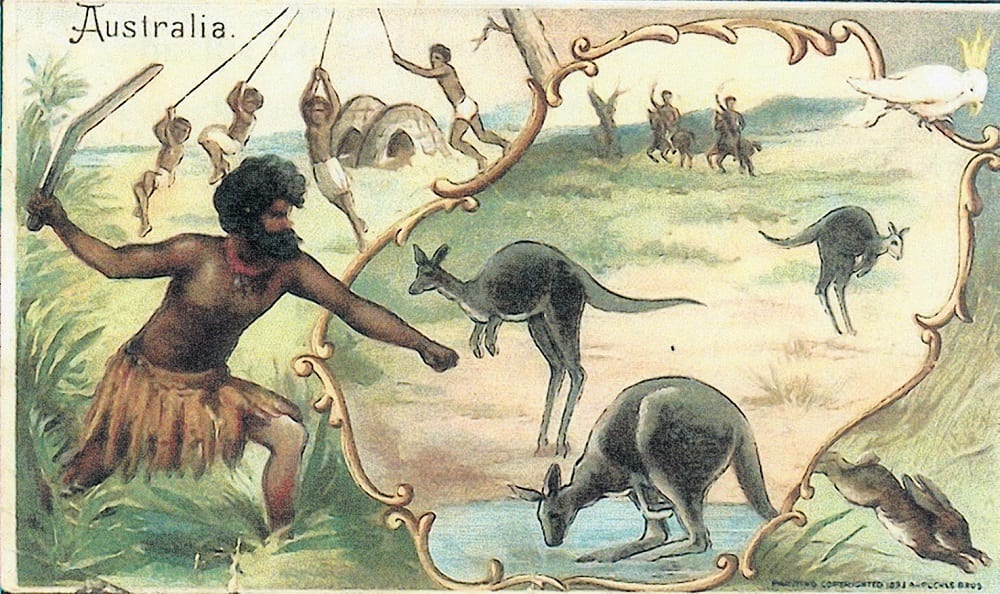
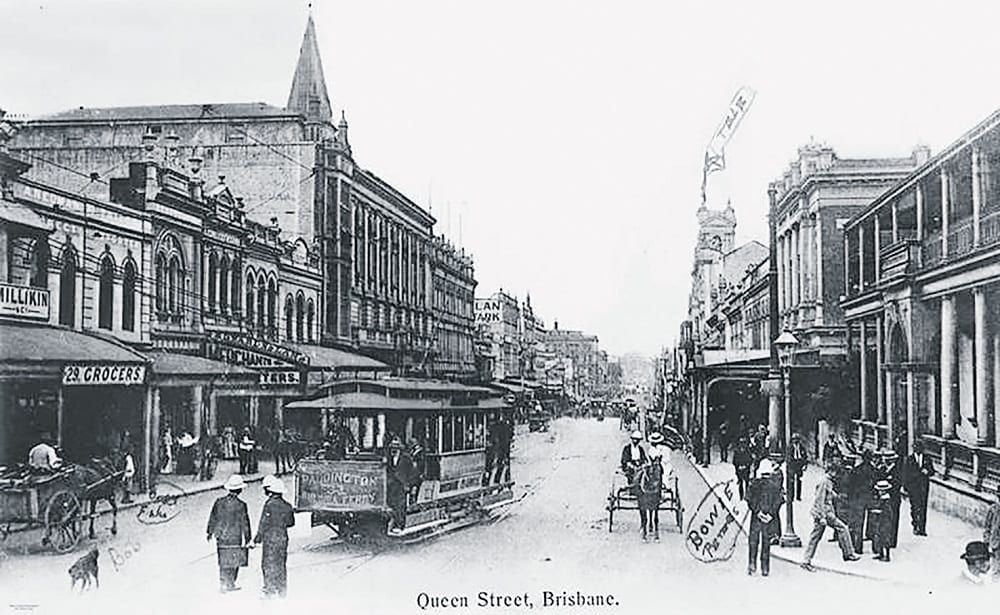 These postcards were indeed the emails of their day in the early 1900’s when Sydney and Melbourne had four mail deliveries to every house each day. It’s hard to believe that today. In 1908 Australian postal records show that over 40 million post cards were mailed in Australia both nationally and internationally. Pictorial Post cards from Australia with outback scenes, birds and wildlife were much in demand overseas. The period from 1900 to 1920 may have been the peak of worldwide postcard sending, which led to a hobby which is still active today, of collecting Postcards.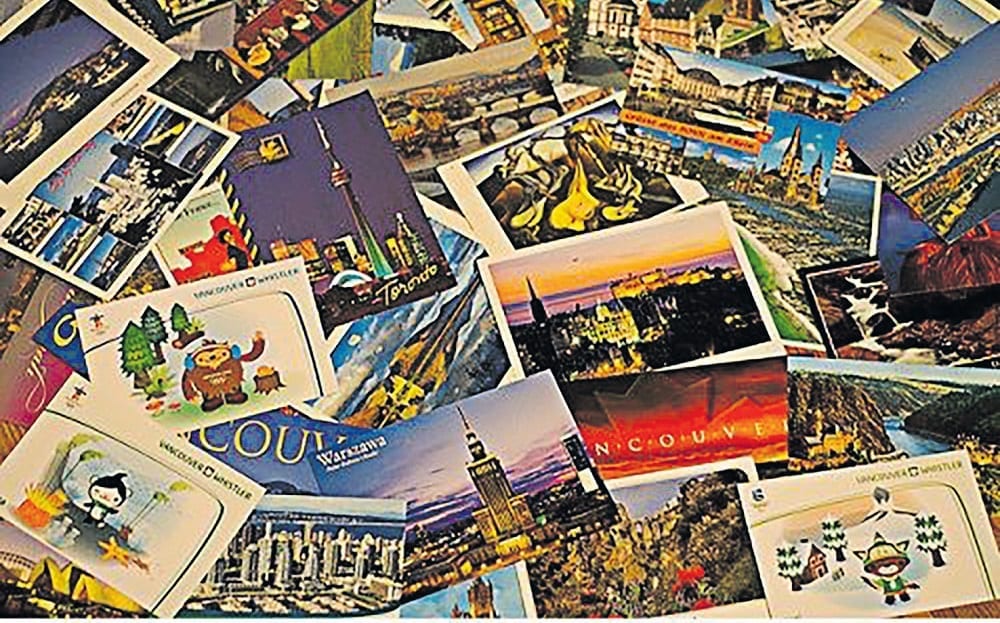
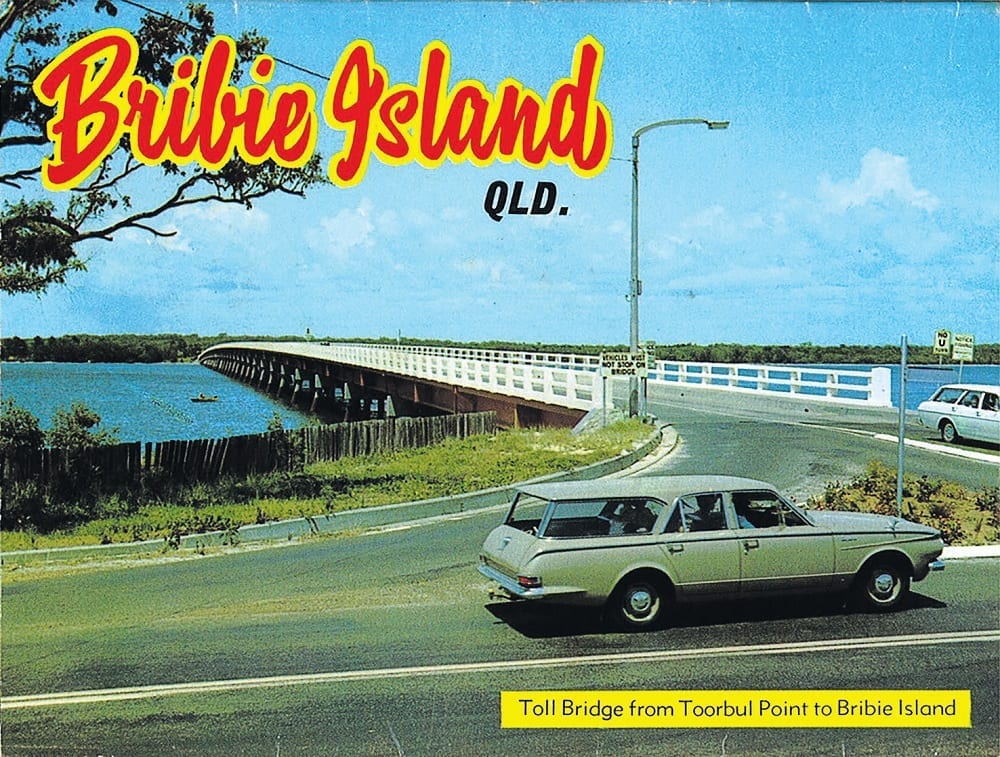 Who can forget those long evenings …….and the subsequent “Slide Burning Nights” of the 1970’s when each photo showed would be voted by the viewers to be either kept…….. or be thrown in the fire !! Many of us still have boxes of old colour slides that may never see the light of day again. This is probably being repeated with today’s generation who have thousands of photos they carry on their mobile phone, which are rarely seen. However, in today’s world, a personal and private photo of anything or anyone, anywhere, can be instantly sent to friends and family worldwide.
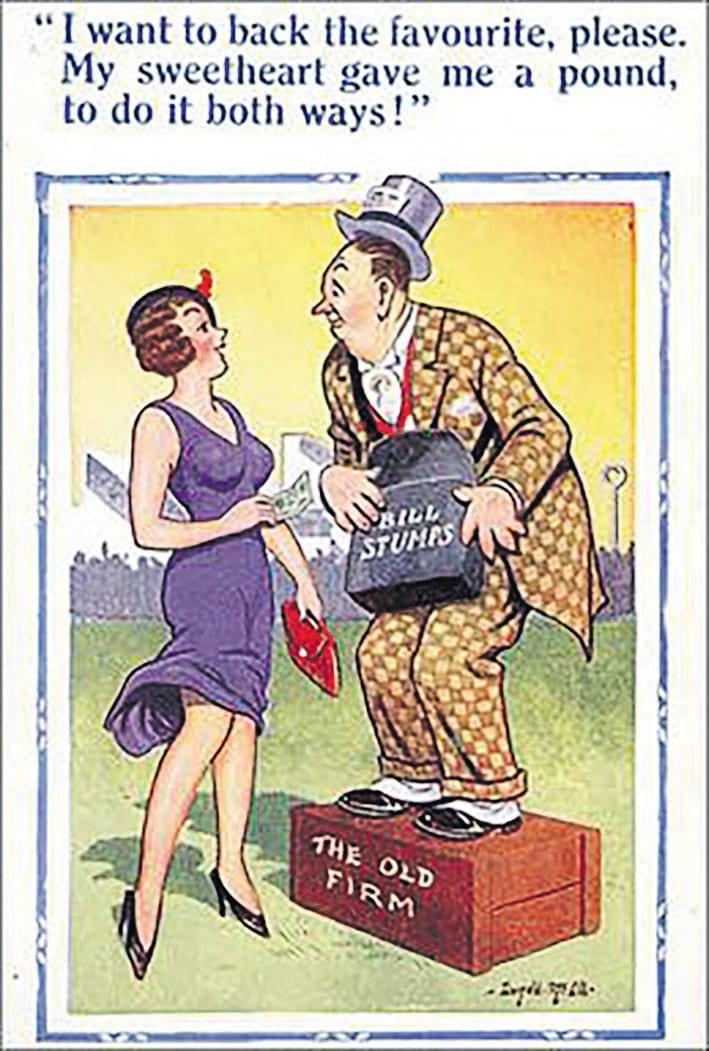 So what? It is certainly not the same as receiving a hand written message on a picture post card in your letter box weeks after somebody has thought about you. The Bribie Island Historical Society has a large collection of Bribie Island Postcards spanning more than 100 years. There are two opportunities to see some of these Postcard views of Bribie, which reveal the fascinating ways in which this island has developed and changed over the years. A public presentation of “100 Years of Bribie Postcards” will be given at U3A on Friday 19th October at 1 pm.
 Some other postcards will be shown in a Bribie History presentation at the Bribie Library on Tuesday 30th October at 2 pm. You need to book at U3A or the Library for both of these presentations. (See Poster) If you should have any interesting old postcards to share with the Historical Society you can contact us on