Home Blog Page 75

Photography Club Bribie Island

Tags: Photography Group. Bribie Island. Moreton Bay. Caboolture. Sandstone Point. Ningi. Bellara

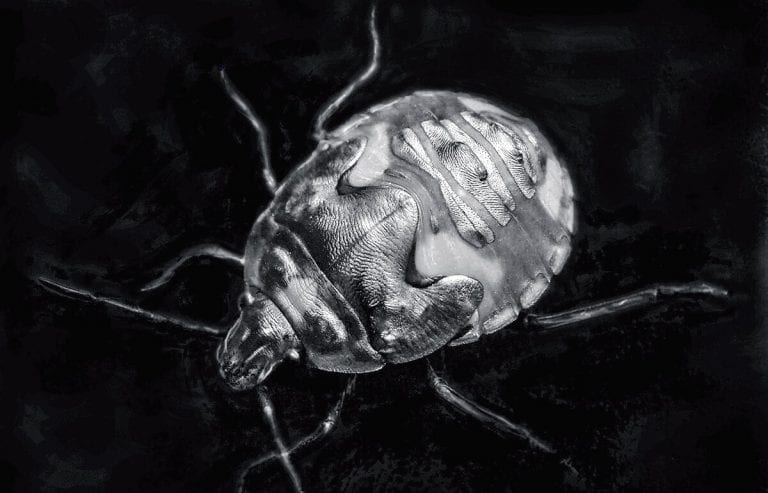
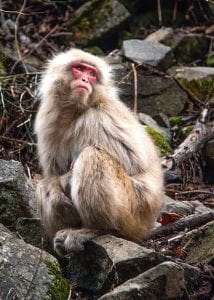
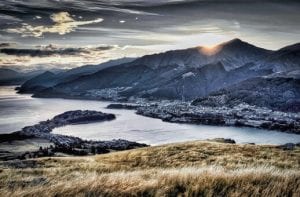
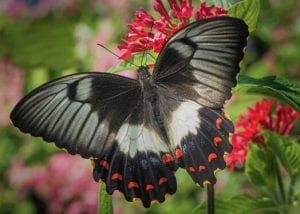
Out first competition meeting for the year was held on Monday 25 Feb. The theme was “Scapes” which could be a Landscape, Seascape or Cityscape and the winner was Vince Bowser with a stunning shot of Queenstown in New Zealand. Marj Webber won the Mono PI with a low key shot of a “Harlequin Beetle” which was also chosen as Photo of the Month. Marj also won the Colour Print with “Swallowtail” a colourful shot taken at the Butterfly house. Kristie White was the winner of Open Colour PI with a charming photo of a monkey titled “Monkey”.

Featured image(above): Photo of the Month: Marj Webber – Harlequin Beetle in Low Key

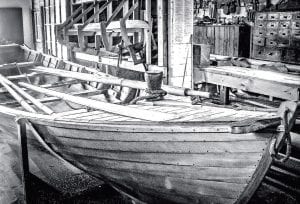
Roger Bowden took out the Mono Print with an interesting shot titled “Boat Repair”. Our Judge was Paul Tilly an accredited PSQ Judge who traveled from Aspley to critique and judge our images. He examined each photograph and during the critique gave us helpful tips on how to improve our work. This part of the meeting is very important as we can learn so much from the strengths and mistakes of our and other photographers’ work.

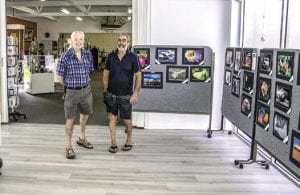
We had a very good roll up at the meeting with several new members and visitors attending. During the month we set up a display of our work in the Flinders Gallery which was on show along with many other arts and crafts in a Showcase at the Arts Centre. The Location shoot for February was at the Maleny Botanical Gardens. There was a good roll-up of members at the gardens for a 9 o’clock start. Some of us hired buggies while others preferred to walk.

There was a host of things to photograph in the gardens including waterfalls, spectacular views of the Glasshouse Mountains, lovely scenery within the gardens themselves and four bird aviaries including one which featured only Australian native birds. The day was fine, not too hot with a gentle breeze which made for pleasant conditions. Some impressive shots were taken on the day.

These were shown in a slide show at the meeting. The Bribie Island Photography Club meets on the fourth Monday of each month at 7 pm in the boardroom at the back of the Art’s Centre on Sunderland Drive. New members are always welcome. The first two meetings are free. If you wish to come along ring Gordon at 3408 2649 or Gail at 3408 9850 or just turn up on the night.

www.sites.google.com/site/bribiephotographyclub

e: [email protected]

Photography for beginners – Lesson 2 & 3

Tags: How to become a photographer. Photography tutorial

Back to photography tutorial lesson 1

We have already found three important settings concerning the light: the aperture, the speed, and the sensitivity. Let’s detail them:

APERTURE

Depending on the lenses, the aperture of the iris of the diaphragm can go from f/1.2 to f/32. In a lens, the smaller number “f” is, the bigger the aperture is and more light enters the CCD sensor. And vice versa: a big number “f” means a small aperture and, consequently, less light. Generally, the maximum aperture depends on the focal length of the lens: the longer the focal length is, the smaller the maximum aperture is. But aperture is not only important to control the quantity of light going into the CCD sensor.

It determines to the depth of field (area of focus), which is the area where the subjects appearing in it are sharp, in focus. The subjects being out of that area are blurred, out of focus. The smaller the aperture is, the larger the depth of field is.

SPEED

The speed the shutter flips up and down determines the time of exposure of the sensor. The low

Photography Club. Photos. Pictures. Bribie Island. Brisbane. Queensland
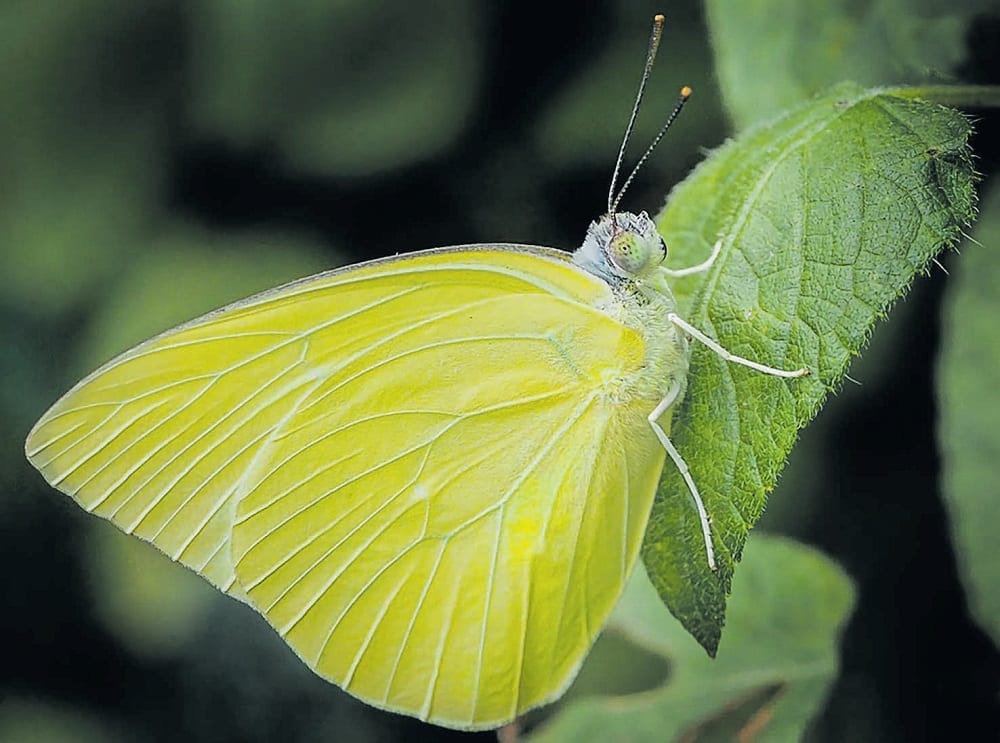
Marj Webber, Lemon Migrant

speed will allow a long exposure and a fast speed a short exposure. Depending of the cameras, the speed can go from 30” (seconds) to 1/4000” (4000 times faster -or shorter than a second). Most of the cameras have to a feature called BULB which allows the shutter to be open as long as you want, for night photography.

SENSITIVITY ISO

The sensitivity of the CCD is measured in ISO units which go from 80 to several thousand, once again, depending on the camera. The higher the ISO number is, the more sensitive the CCD is to the light. Normally, on a sunny day, you must use 80 or 100 ISO. In dark areas, even during the day, you can use 200 or 400 ISO. On very cloudy and dark days, you can increase the ISO number.

During the evening and at night, very high ISO produce optical noise and, therefore, very high level of grain on the picture (you can avoid this problem by reducing the ISO and the speed, and by increasing the aperture; the use of the tripod is obligatory). Summarizing: The light is controlled through The aperture (f/xxx), The speed (“), The sensitivity (ISO)

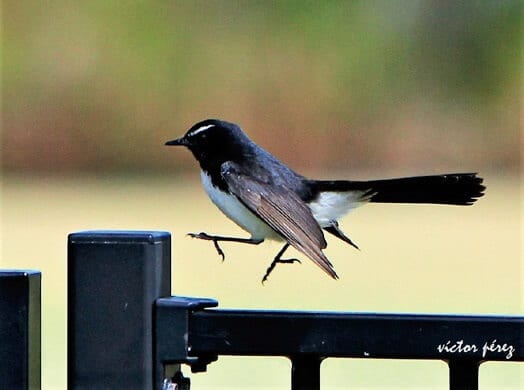
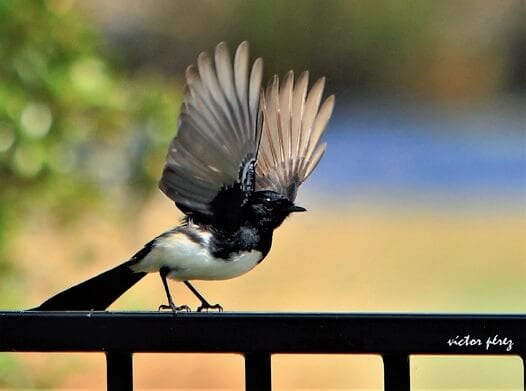
To freeze the movements of the Willie Wagtail, the speed of the shutter is 1/2500 s (2500 times shorter than a second), the aperture of the diaphragm f/4 and the sensitivity 400 ISO

LESSON 3:

HOW TO MANAGE THE SETTINGS

Note: The following content is for manual exposure. The settings -aperture, speed, and sensitivity- are related amongst themselves (see attached picture). Example 1: Bird flying On a sunny day, if you want to freeze the flight you must select a high speed: around 1/500, 1/640, for slow flights, or 1/2500, 1/3200 (or more) for fast flights. Remember that when the speed is very high, the flow of light going to the CCD sensor is limited. In this case, if you select ISO100, you must select a large aperture (f/7.1, f/6.3, f/5.6, …).

For the opposite, if you want to transmit the movement of the wings by showing them blurry, you must reduce the speed and, therefore, to decrease the aperture. On a dark day, you can use the same settings except that the sensitivity should be increased to compensate for the surrounding light conditions. Example 2: Bird on a branch As you want to get the maximum of details, you are better to use a slow speed (1/100, 1/125), a small aperture (f/8.0, f/9.0) and a low ISO (80, 100, depending on the daylight).

But if the bird is moving, you must slightly increase the three settings: speed, aperture, and ISO. Example 3: Landscape on a sunny day Obviously, in this case, you don’t need high speed (except if there are birds flying around). Then, the speed could be 1/125 or 1/160. The aperture doesn’t need to be large: f/9.0 or f/10 (or less to enlarge the depth of field) will be enough. Depending on the surrounding light, your ISO can still be 100. For other conditions, you must take into account the rules of the following exposure triangle.

NEXT LESSON

Photography Lesson 4

LAC CALLS FOR VOLUNTEERS

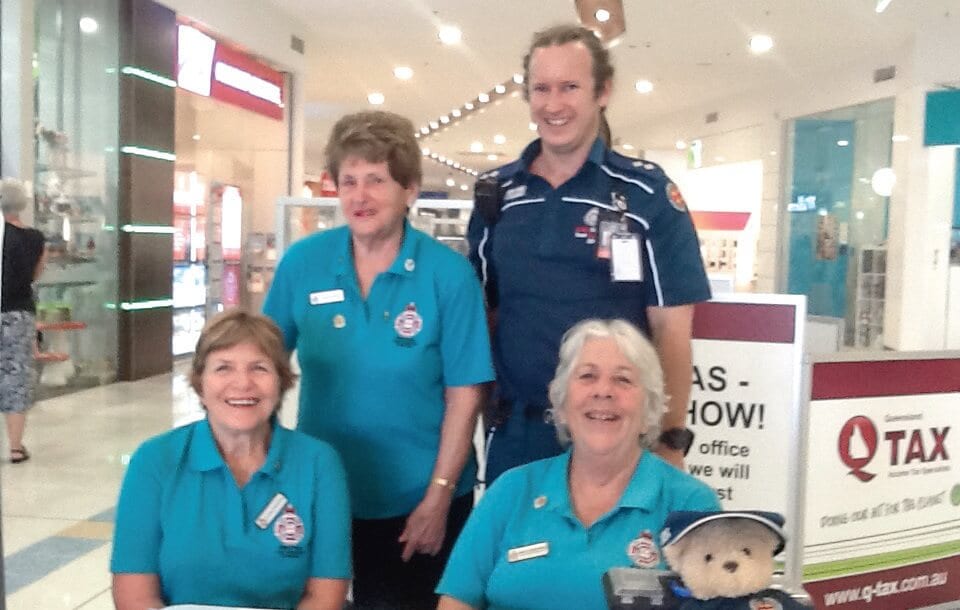
“Go on, do something different — volunteer for your Local Ambulance Committee (LAC ), “ urges LAC President Rae. With about 145 active committees boasting more than 1300 members across Queensland LAC volunteering is on the rise.

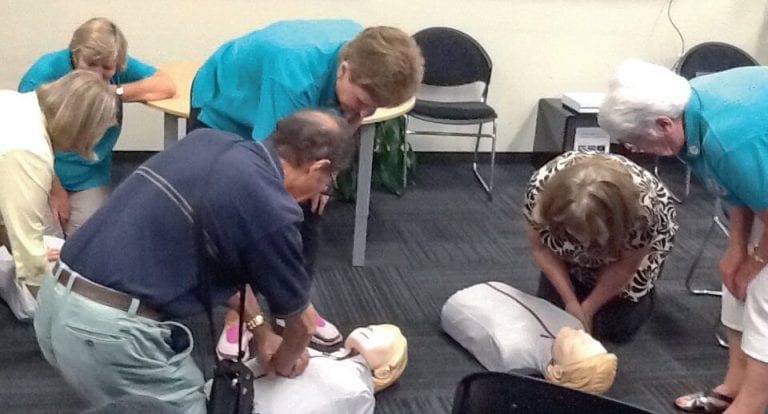
“Attached to ambulance stations of all sizes and in many locations, LACs provide a direct link to the community. From fundraising to purchase additional resources for paramedics, to raising awareness of ambulance services through community engagement, LACs are an important part of the Ambulance service,” said Rae. LACs also deliver vital community safety training sessions through the CPR Awareness program where community members learn CPR for a gold coin donation in just 90 minutes.

So if you would like to learn how to perform CPR and then teach others or perhaps obtain First Aid skills and then teach school children or if you have an interest in supporting QAS in our community then this is for you suggests Rae. She says whilst not as a rule required, a medical background of some type or administration skills may be an advantage. For further information please call President Rae on 0416 023 818.


 

HELLY’S CELEBRITIES OF THE 20TH CENTURY – DR KIT PEDLER

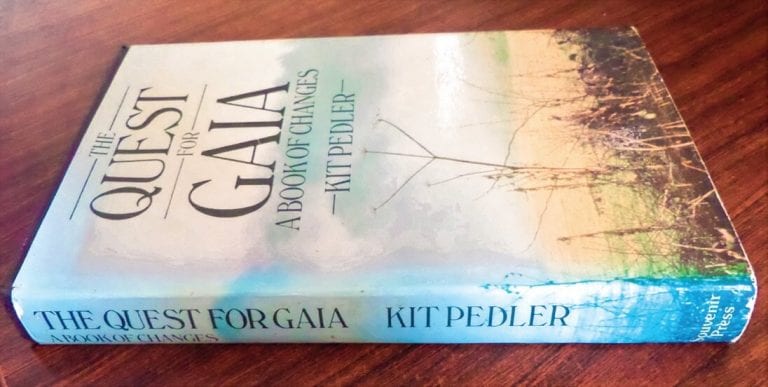
DR KIT PEDLER “THE IMPERFECT GAIAN”

“I have a fire in my belly – a force inside me I didn’t think was possible.” But when I meet DR KIT PEDLER in his quiet farm cottage near Faversham, Kent, in 1979, I realize that he is the most multi-faceted person I have ever met and that this fire in his belly is not only a possibility but the essence of the man.

Multi-faceted? Yes!

Qualified doctor and surgeon, degree in Pathology, Head of Anatomy and Electron Microscopy of London’s University Institute of Opthalmology, scientist extraordinaire, author of many scientific papers, short stories, science fiction novels, scriptwriter, sculptor, painter, gadget inventor, creator of the CYBERMEN (DR. WHO’S grimmest warning about our technological perversion and energy crisis), co-writer of over 30 episodes of the two British TV series DOOMWATCH and DR WHO,cook, bread maker, radio and TV broadcaster on environmental affairs, husband of 31 years, father of 4 children and most of all now, “THE IMPERFECT GAIAN.”

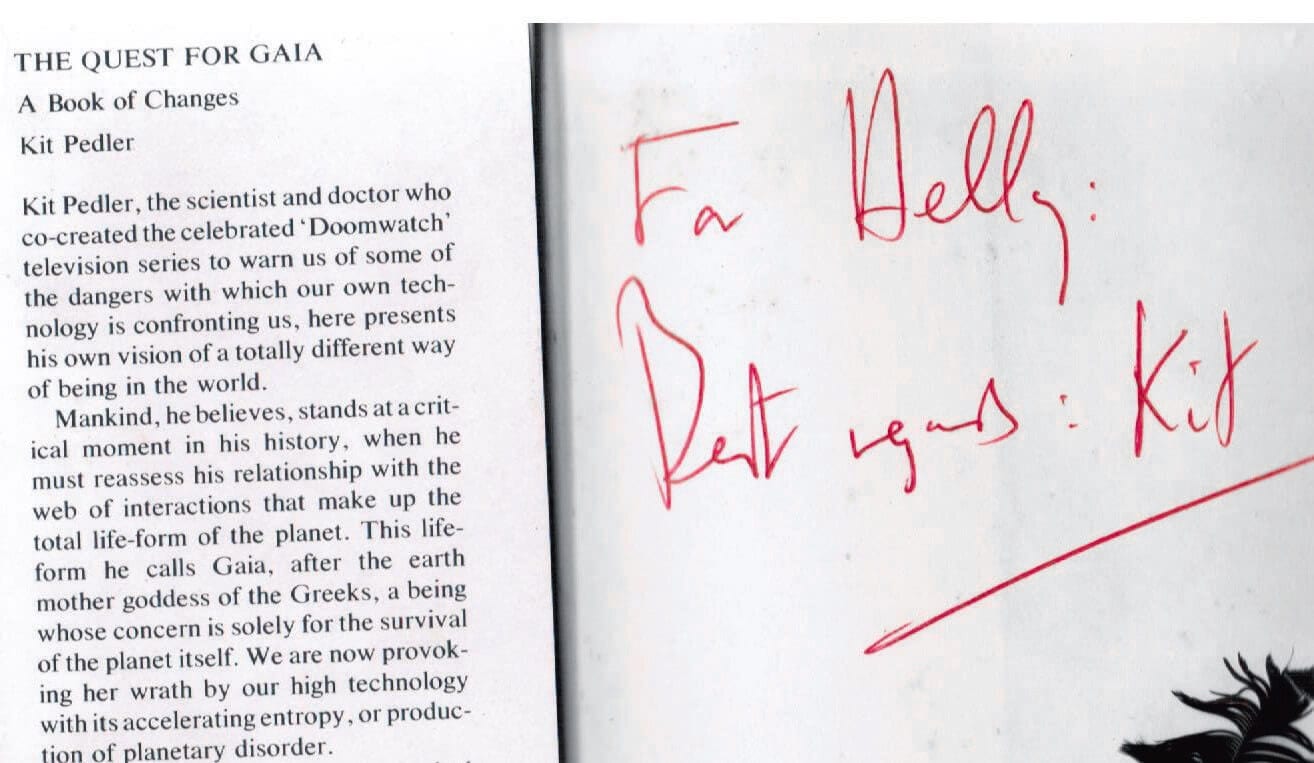
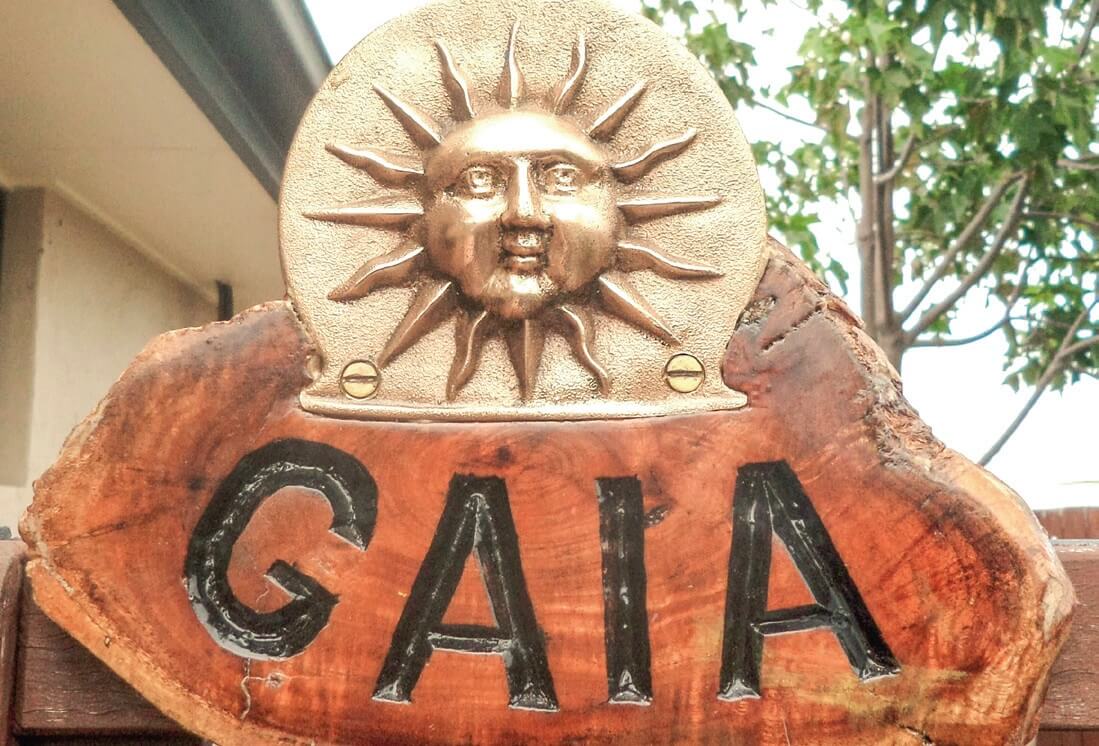
When Kit discusses his latest, factual book on the environment, THE QUEST FOR GAIA, I feel instinctively, that I have stepped over the crater of a dormant volcano, and by this intrusion have caused it to erupt into full force, engulfing me in its path. In fact Kit (he does not want to be addressed by any other name or title) does much more than that. The book, once read, affects me so much, that it changes my life and attitude towards our planet, turning me into a Gaian myself, so much so, that ever since, my properties including our home on Bribie, have been named GAIA.

My first GAIA in 1980 is in the Whitsundays, and when I let Kit know, he is “tickled pink!” But shortly afterward in 1981, Kit dies of a heart attack aged 53. What a waste of such a talented and warm, human being, having to depart his precious planet so young!

But back to our first meeting:

“THE QUEST FOR GAIA is really a distillation of all my sciences,” confirms this tall, broad-shouldered, casual man of 52, as we relax in his country kitchen, with an evocative aroma of his freshly baking bread in the oven exuding throughout.

“For many years I have had very deep-seated feelings of what our species has done to the natural world. There are very few people moving in the direction I am going. But I have to go that way whatever happens. Absolutely whatever!” And Kit is having a hard time of it. Even still in the ’70s often called, ‘Dr. Doom,’ scaremonger, bonkers and crackpot, oddball and ecology nut. “So now I devote myself full-time to doing something about it and give accurate and critical views on our dangerously poised society and the changes we all need to bring about. I think that is optimistic he continues. But Kit’s thoughts go deeper than just our fight for survival.

“I have been carrying out some of the changes myself, on a very imperfect scale, because I am an average indulgent hedonist, loving good food, good wine, music, and my creature comforts. But you can have huge fun finding alternatives to modern technology, which is stimulating to the ingenuity. “I now love cooking and the use of herbs. I love making things and can make almost anything I need here and I have not been taught by anybody. I have done more research on food than I did on my second doctorate. I bake all our bread and love kneading the dough, and I remember my great joy when I saw the first bulbs lit from my wind generator.”
Kit feels very seriously that we have poured all our human characteristics into the microchip. As people do more for themselves, they recognize their sense of independence and feel rewarded from seeing the result. And that’s what Kit hates most, that with all our technology people have been de-skilled and are totally dependent on technology. “What makes you feel magnificent and superhuman to lie in a field? “What makes you feel rotten to lie on a bed of concrete? “There is something in your base-memory, your universal subconscious that tells you one is right and the other is wrong for humans.”

“We can all play our part in preserving the life process on our planet for a more sustainable future, greater happiness and creativity. I am not an environmental moralist. I am not approving or disapproving. Nothing is perfect. I am not proposing a utopian life. “But for the first time in human history we are faced with an extra-human politician, which I have called GAIA, after the earth mother goddess of the Greeks – where Gaia is calling the tune. And I don’t mean Gaia to be a fat old woman, sitting pregnant on a cloud in the sky! I mean the life process, the total life form of our planet.”

Bribie Island History – A BOY ON BRIBIE A HUNDRED YEARS AGO Part 1

Tags: Bribie Island. History. RONALD PATTERSON. Queensland. Moreton Bay. Australia.

RONALD PATTERSON – BORN 1900, WRITTEN 1982, AGED 82

Introduction

The Historical Society has recently celebrated its 10 year anniversary and is proud to have created a growing awareness and interest in the rich history of this small island. Over those years we have built a Database of over 300,000 searchable documents relating to Bribie. These include Photos, Films, Maps, Letters, Articles, Newspapers, Books, Interviews, Personal accounts, and Community records.

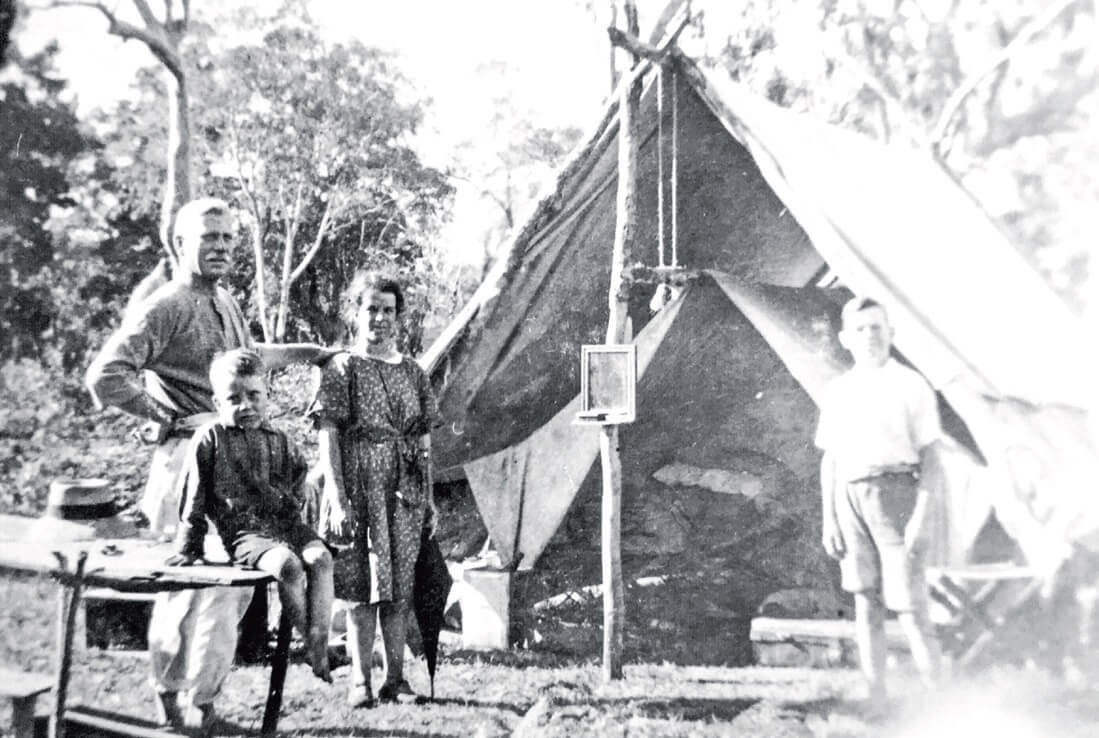
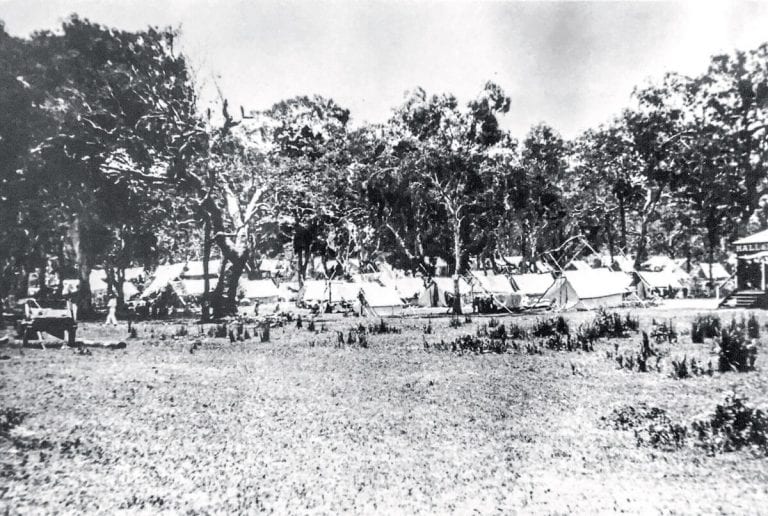
Featured image(top): Tent Campers Bribie 1922

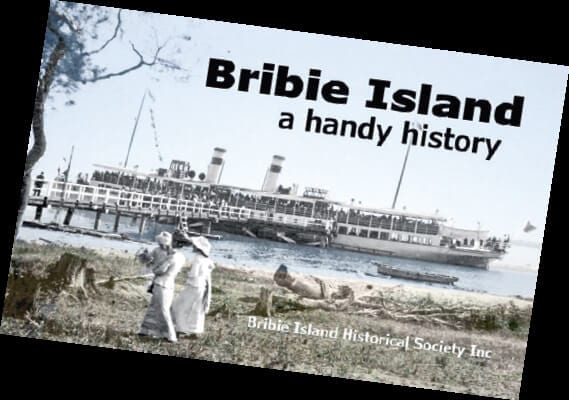
Last month we launched the book “Bribie Island- A Handy History” providing an overview of the key aspects of Bribie’s past which is now on sale for just $10 at the Museum and from the Historical Society. Two years ago we published a book titled “Describing Bribie Island 1865-1965” as a unique collection of first-hand accounts written by pioneers who visited the island over the hundred years from 1865.

bribie island history books to readOne of the 27 accounts in that book was written by Ronald Patterson about his vivid memories of visits to Bribie in 1900 and 1920. Ron wrote his memories in 1982, at the age of 82, and his daughter Estelle Rashleigh kindly donated the handwritten account to the Historical Society in 2014. It makes fascinating reading and provides a wonderful insight into life here 100 years ago. The remarkable story is being published here in two episodes, with Part 1 in this edition as follows, and the second half in the next edition of the Bribie Islander.
This is a story of my impressions of Bribie Island very often referred to as “The Island in the sun”. I have always thought of this marvelous place as Paradise in the years gone by, and I speak of the early nineteen twenties. The beautiful beaches, the fish, the mud crabs and sand crabs are in abundance, especially in Pumicestone Passage. Before I continue my story, I have no claim to be a literary genius or the necessary qualifications to explain in detail my thoughts.

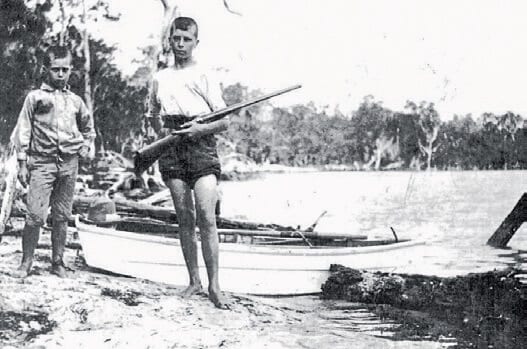
My only wish is to explain in simple terms what I have seen all through the years. A BOY of 10 YEARS I was ten years old when I first saw Bribie Island (1910). I had an uncle who had a farm in the Beaudesert area. It was decided that he would take me on his proposed trip to Bribie Island, which he expected would take one month. The whole trip was a real hazard and I realised I was taken along to be a real little flunky.

Harness the horses, unharness the horses, hobble them each stop, see to the cooking fire, all sorts of chores. None the less it was quite interesting and to a boy of ten quite exciting. We finally set off on our trip to Bribie Island, it took seven days to reach our destination as I remember. One afternoon he asked me if I would like kangaroo tail soup and a nice steak. I said it sounded good so he said righto Boy (I was known as Boy to my family). He shot a nice plump kangaroo and for tea that evening, what a feast. What that man could do with a kangaroo and making damper, oh boy could he cook. He was a most incredible man.

CAMPING IN THE BUSH

That night we set up camp at Redcliffe. We had killed five big black snakes that day and shot about ten goannas. That night we were troubled with dingoes and I must say, I wasn’t very happy about it all, however, the night passed by. We set off the next day for Caboolture. The next day we started early and received a number of directions on how to get to Bribie. We got vegetables and fruit that we would require for a week at Bribie. Water was a problem. We filled our containers, six kerosene tins and one wooden flask holding about fifteen gallons.

That night we camped at a creek and saw many huge crabs. The only way we got them was to cut a large forked branch, stripped it free of bark and made it in the fashion of a launching net. We waded out waist deep and we managed to get three large crabs. What a feast we had. Lovely crab meat and fresh damper. We eventually arrived at our destination. We made camp at the spot where the Toorbul boat ramp now stands. We had a good supply of fishing gear and tackle. No gut lines in those days, mostly a black and white linen type of line which proved most effective.

Bribie Island. History. RONALD PATTERSON. Queensland. Moreton Bay. Australia.

Boys on Bribie 1910

SLASHING FOR FISH

That night we had a couple of nice squire fillets. To get bait, mainly Gar and mullet, the method we used was by the aid of a Slasher. It was constructed of a pole about eight foot long and links of chain which was attached to a length of heavy fencing wire about eight feet long. We watched the little inlets on a rising tide teaming with mullet and huge gar. At the right opportunity we brought the slasher down with a mighty swing, stunning gar and mullet, enabling us to pick up all the bait we needed which, as all fishermen would know, fresh bait was the answer.

There were hundreds of dolphins, also dugong in small herds feeding on the seaweed which grew profusely on the bottom of the passage. Shoals of surface fish such as mullet, big schools of tailor, all sizes of mackerel and often we observed large Bonita jumping about feeding on fish of all descriptions. One had to see all this to really believe it all, but take my word it all happened.

We were, unfortunately, unable to get over to the Island, we just could not locate a person with a boat. We were so disappointed we didn’t get over to the Island. After eight days we broke camp and headed for home. This stay was one of my most pleasant experiences of my life and as we left I looked back to Bribie and made a vow I would be back, and back I came in late 1920.

SCHOOL, HARD WORK and WAR SERVICE

The following few lines before commencing my four years residence on Bribie are not really important, it is really to fill in the gap between 1909 to the year 1920. I had no schooling of any consequence. In the next few years, 13 to 17, I worked on farms and cattle stations. I enlisted for the armed forces at Beaudesert township in 1917, putting my age up. I eventually reached England and camped at Salisbury Plains then on to Brighton on Sea where we were trained for Field Engineers.

I eventually arrived in France just after the battle of Villers Bretonneux when word of the Armistice came through. Prior to leaving Australia we, the last of reinforcements for overseas, were engaged for six months on a rather gruesome job of locating those Australians who died in battle. We dug up and placed them in the various War cemeteries in France and Belgium. We returned to Australia in September 1919 and were discharged.

FAIR GO FOR A BATTLER

I suppose all my life I have been a rebel one way or another. I have a definite feeling about life in general and I will not have any form of standover tactics, as a kid, as a soldier, as a worker, now or in the future. I have a very definite dislike to such tactics. Soldiering days, jobs I have had in my time, quite responsible positions I have had all through my life, my understanding of a fair go and to my knowledge been a fighter for the underdog. I am now almost 82 years of age. I consider I know all about hardship and always to the end a real down to earth battler.

BRIBIE ISLAND PARADISE 1920

I want to mention especially the arrival of the Christmas Eve crowds as the ships approached the blinker at the entrance of Pumicestone Passage. All ships brilliantly lit up and horns blasting away as they approached their berth at the Bribie Jetty. People from everywhere flocked to the jetty to welcome their Mums and Dads, brothers and sisters, friends, all calling out to one another, what a joyous occasion it was. Any wonder I called this my Island of paradise.

Many nights we had sing songs on the jetty. Dancing in the hall which was situated first where the water tower is, adjacent to Bribie Bowls Club. I eventually reached my goal in late 1920, my Island of Paradise. I met up with Jack Creber one of the finest fishermen I have ever known, and others, Peter Rich (known as the groper King), Bob Goldener and Banner Beany, they were the fishing crew of my netting adventures. Whilst engaged in fishing, I had a lot of spare time.

Bribie Island. History. RONALD PATTERSON. Queensland. Moreton Bay. Australia.

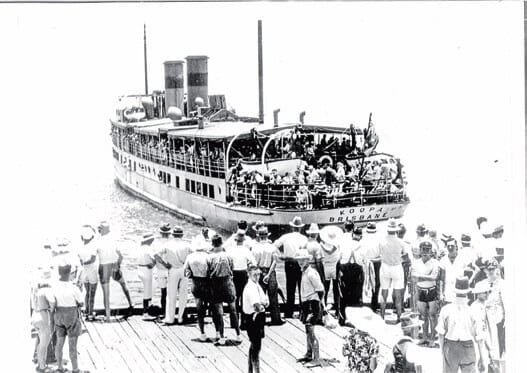
KOOPA Leaving Bribie

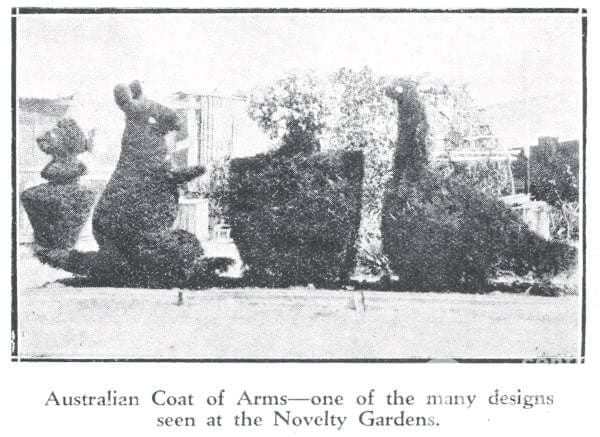
I helped the Davies’ family in their boarding house and café, which was situated on the piece of land adjacent to the jetty. I prepared vegetables, opened oysters and other odd jobs in between. I had all of my meals free. The Davies family lived in Banya Street and he had a hedge cut out of pine trees and along the top he cut and trimmed the figures of kangaroo and emu. It was known as the “Novelty Gardens” and was a thing of beauty for the many hundreds of visitors to the Island.

Bribie Island. History. RONALD PATTERSON. Queensland. Moreton Bay. Australia.

Novelty Garden 1933

Bob Davies, the son, used to wheel a cart about, rubber wheels and built of wire mesh. He sold groceries, soaps, toothpaste, all sorts of things. He rang a bell and his cry was “Good Morning Lady, have you used Pears soap this morning?” He was a real character. I also helped the Tug Company’s Caretaker, Mr. Bill Freeman, his father, his son, and grandfather were well-known fishermen and crabbers. I helped him in taking to ropes and securing them off the Koopa and Doomba and I helped in the storehouse on the jetty which had rail lines from the edge of wharf to the end of jetty, used for loading goods, buildings, tanks, cement and all sorts of materials used for building, plus visitors’ luggage.

Many times I prepared and aired various houses, for the many friends I had, even had their stoves going for a cup of tea. Holiday times my fishing friends and I erected tent poles for many of my friends, even had heaps of firewood ready for them. I have seen up to 500 tents erected from the toilets near the little bridge up to the jetty and beyond. A real city of tents, especially at Christmas time.

BRIBIE SHOPS & HOUSES

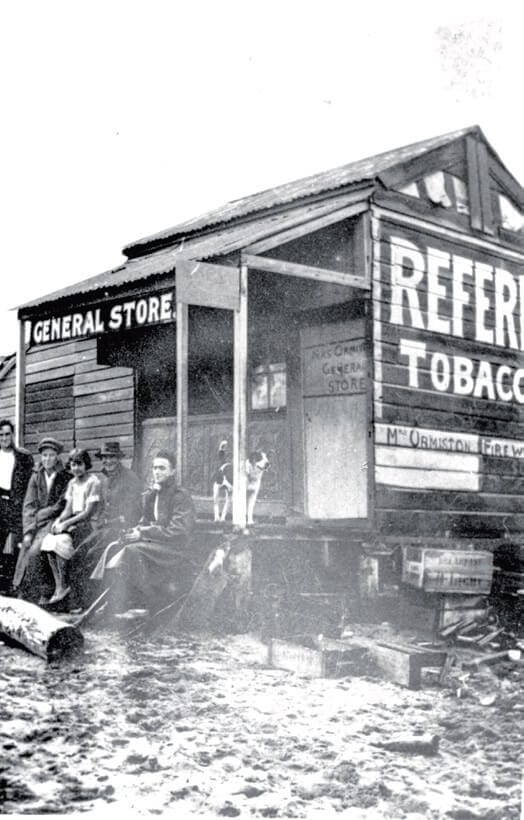
I also took on a job of cutting palings from Cyprus trees, about 2000 in all divided between the storekeepers. Hall and Bestman which was just where the Super Value store is today (corner Toorbul and First Ave), and also a small store run by Jim Ormiston which carried a nickname of Anthony Horden’s store. Jim had quite a number of houses to let and sold quite a lot of allotments of ground around the 10-20- 30 pounds.

It is incredible to think back and see the prices today (1982) are seven thousand up to thirty and even forty thousand dollars on today’s ruling prices. When I look back and remember around about twenty-five houses plus three Boarding Houses. Just over the creek next to where the Caravan Park is now situated, there would be no more than four houses. The rest, way up as far as Banksia Beach, all tea tree swamps and thick scrub, hundreds of kangaroos and very many emus.

Bribie Island. History. RONALD PATTERSON. Queensland. Moreton Bay. Australia.

Ormiston’s Store 1920’s

The bird life all over the Island was truly amazing. The waters in the passage, there were egrets, cranes of various names and black swans by the hundreds, even a couple of eagles. They had their large nests mostly in dead trees, also plenty of Seahawks and up towards the lagoon on the main (surf) beachside several families of bower birds and other species too numerous to mention. Around the Gallagher Point area and up to Poverty Creek there were numerous cattle around, owned mainly by a man, I think it was Mr. Landers.

CHRISTMAS HOLIDAYS ON BRIBIE.

One has really to see it all happening. Hundreds of people coming for this Christmas break and the arrival of the Koopa, the Doomba and the Beaver and at times the Greyhound, a tug, all owned by the Brisbane Tug Co who also owned the jetty and surrounding areas including about 12 fisherman’s huts let at five shillings per week and two and six for weekends. Almost everyone had marvelous catches of all types of fish. It was a real fisherman’s paradise.

After the ships berthed side by side people by the hundreds, anxious to get cracking erecting their tents, others to the boarding houses, holiday houses and others with their private homes and almost all, particularly the campers, worked on through the night almost till daylight.

Bribie Island. History. RONALD PATTERSON. Queensland. Moreton Bay. Australia.

Camping on Bribie 1922

The following night was a sight to behold. Hundreds of tents, carbide lights were the popular means of lighting. An occasional tilly lamp, although a novelty in that particular year (1921- 1922). The lit up tents, the campfires in the evenings was a sight worth seeing. All so friendly and jovial. I knew very many fine people. Brawls there were none. All the people wanted was a good time and an exciting holiday. Believe me, they all had it.

Ron Patterson 1982


TO BE CONTINUED IN NEXT EDITION

This is a logical point to end Part One of Ron Patterson’s wonderful memories, which will be continued in the next publication when he falls in love, gets married, experiences the “Depression” and great changes on Bribie over the years. The Historical Society has monthly public meetings at the RSL Club on the second Wednesday of each month commencing at 6:30 pm. With interesting guest speakers on a wide range of topics, and you can see many more photos and articles on our Blog Site at http://bribieislandhistory.blogspot.com or contact us on [email protected]

Read part 2

THIS IS THE STORY OF OWLY

0

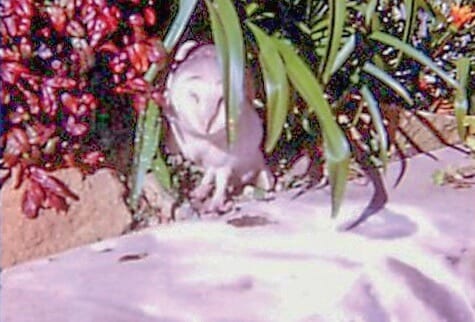
The last issue of The Bribie Islander featured our pet the Owl, Dog, and Cat eating out of Bunnykins dishes. The editor wanted to know more about the story behind the picture. The owl was the victim of a hit and run and friends brought him over to us as they had three dogs and thought he wouldn’t be safe with them. We took him to the vet who treated his broken wing.

Featured image(above): Owly hiding

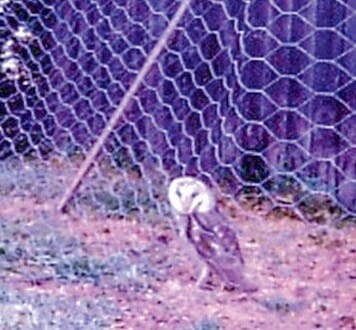
Initially, we housed him in a cage but then let him roam around the yard as the cat and dog left him alone. We fed him meat covered in feathers given to us by a neighbour who kept birds. He escaped on one occasion and two boys found him wandering through the park and took him to the vet who said: “I know this owl” and we were delighted to answer the door to find the vet and owl.

Caged Owl

Our neighbours brought him a mouse to celebrate! When he died I didn’t bury him deep enough and the children ran in very excited saying “Owly is back”. The dog had dug him up and he was lying on the back lawn, stiff as a board with legs in the air. He was hastily reburied. We lived in Campbelltown at the time and I have included some more photos of Owly.

Australian Native Birds – BROLGA – GRUS RIBICUNDA

0

Tags: Bribie Island. Native birds. Wildlife BROLGA – GRUS RIBICUNDA.

Now they are rarely seen but do pop up on the island from time to time. When there is water at Bishop’s Marsh on the road to Toorbul Brolgas are often seen in the water or feeding in the nearby grass. Brolgas are tall, graceful, grey cranes standing up to 1.5 m with a wingspan of around 2 m and are one of Australia’s largest flying birds. Their most noticeable feature is the red band across their featherless heads. They have dark gular pouches under their bill and yellow eyes.

Featured image(above): Note red band, dark gular pouch, and long strong bill.

Male and female are similar with the female smaller weighing about 6 kg while the male is around 7 kg. Neck and legs are Not long ago before the Banksia Beach development Brolgas were fairly common around that area on outstretched when in flight which is an awesome sight to witness. They are also very comfortable soaring high in the thermals. Lifespan is thought to be around seven years.

There are only two Crane species in Australia, the other being the Saris Cranes which look very much like Brolgas but have a much wider red band which extends down past their necks. Saris Cranes have been in Australia for thousands of years but were only discovered in the 1960s in the Northern regions of Australia. In John Gould’s book “Birds of Australia” which was published in 1865 The Brolga was referred to as the “Australian Crane”. Habitats can be very diverse from tropical, arid, pastoral, sometimes at river mouths and in mangroves but they are usually found somewhere near water.

Bribie Island. Native birds. Wildlife BROLGA – GRUS RIBICUNDA.In the North of Australia, huge flocks of up to 20,000 birds will gather near water during the dry season and will fly off in pairs to nest when it rains. They are not migratory as such but will travel great distances to different places to be near water. Brolgas feed on bulbs and aquatic vegetation, molluscs, insects, amphibians, mice, and seeds including grain crops. Their bills are used to dig food from the ground.

Bribie Island. Native birds. Wildlife BROLGA – GRUS RIBICUNDA.

Brolga Bishops March

They feed in swamps and on grasslands and in cultivated areas. Not long ago they were shot or poisoned by some farmers because of the damage they caused to their crops. During breeding season pairs will put on a wonderful dancing display with heads high, trumpeting loudly and often jumping a metre into the air with wings outstretched. This dancing routine not only occurs during courting but can happen at any time of the year. It is not known why they dance but is an amazing sight to see. August to December is the usual breeding season and the pairs mate for life.

Sites are chosen with good views in all directions. Most nests are large mounds of grass and reeds and are up to 1.5 m in diameter and built in swamps in water to about 30cm deep. They are built from the bottom upward making sure that the eggs will be above water level. Other nests are built on land but close to water. Two white eggs 94x60mm with brownish markings is the usual clutch size.

Bribie Island. Native birds. Wildlife BROLGA – GRUS RIBICUNDA.Eggs are incubated by both parents for about a month and both parents tend to the nestlings. Young chicks leave the nest and begin to feed themselves within 1-2 days and can fly off after about 14 weeks. In captivity, Brolgas and Saris Cranes have been known to interbreed but it is not known if this happens in the wild. There are several Aboriginal legends pertaining to Brolgas. One is that a young girl who loved to dance was turned into a Brolga. Many Aboriginal dances are based on the graceful portrayal of the Brolga’s dance movements.

The Gamilaraay Aboriginal word “Burralga” has been adapted to “Brolga” in the English form. Threats to Brolgas come in the form of increased agriculture, wetland drainage for agriculture and development, feral pigs in the north and foxes in the south. Sometimes their dance routine is used to scare off predators. Conservation status varies from state to state. Northern areas of Qld, NT, and WA are secure while in NSW, Vic and SA numbers are declining and they have become vulnerable. Since 1986 several large properties in NW New South Wales have been made safe havens for Brolgas. Their habitat is being looked after and feral animals removed to try and rejuvenate declining numbers.

Health and wellbeing – BRIBIE SIMPLY HEALTHY

0

Tags: Health and nutrition. What is Fulvic acid?. Benefits. Vitamins. Nutrients. Skin care.

NATURE’S MIRACLE MOLECULE – FULVIC ACID

Fulvic acid is created in extremely small amounts by millions of beneficial microbes that went through the compost procedure. It combines with a variety of minerals to create a complex molecule. It is often recognized as ‘nature’s miracle molecule’. The molecule of fulvic acid has 15 tetra trillion electrons, which can donate to the human cell to repair free radicals. Fulvic acid is to be said free radical quencher.

When you’re feeling tired you just feel run down, you just don’t have a lot of energy on a cellular level. Your cells aren’t carrying an electrical charge very well. When you can recharge the battery suddenly you have energy again. Things start functioning the way they should. The whole function here is enhancing the electrical capacity, converting free radicals back into nutrition.

Fulvic acid also acts as the delivery system. Fulvic acid is a micro Nano molecule, therefore it crosses all barriers in the body including brain barrier. Fulvic acid can carry nutrients to whatever tissue whatever cells wherever you need them to go. The interesting thing about fulvic acid is that it delivers the nutrients also it takes the waste such as heavy metals, pesticides or anything that the cell doesn’t want will bond and carry out of the system. Oxidative stress contributes to the development of illnesses including heart disease, cancer, autoimmune disorders, and aging.

what is fulvic-acid-skincare

To combat oxidative stress we need to balance free radicals and antioxidant defenses. Our bodies are comprised of billions of molecular cells held together by electronic bonds. Sometimes these molecules are held together by a weak bond and can split apart resulting in an unstable molecule with an unpaired electron. This molecule is known as a free radical. When it comes to cancer, the cancer cells have very low electrical activity. So if we can raise its electrical activity, the cancer cell will die off.

Therefore a high electrical activity kills cancer cells. Fulvic acid has the electrolyte capacity to raise the electrical activity in the cells and it destroys cancer cells. It also has the capacity of removing the waste delivering the nutrition. Fulvic acid is high in carbon, high in hydrogen and high in oxygen. We use fulvic acid for balancing our body’s composition cells. Why we haven’t heard about these wonderful natural treatments?

Pharmaceutical companies control many aspects of our lives such as media, education and the food industry. Like all other businesses, the pharmaceutical industry’s primary focus is on making money. If they cannot patent the treatment, they can’t maximize the profits. Therefore it’s not beneficial for them to promote any natural remedies. If they can sell patented medications to patients to keep them alive, not necessarily make them healthy, more people will buy their products therefore they proffer!

Sadly this is a business of medicine today. However now people are starting to wake up, and doing their own research and seeks natural ways of curing themselves rather than relying on harmful medication.

Please Note: Bribie Simply Healthy has newly stocked natural organic soaps please come have look. Search for … Bribie Simply Healthy

WHAT A LOAD OF RUBBISH!

0

Tags: Rotary Club of Bribie Island. National Clean up Day

It might surprise some of us, but the average Australian produces 1.5 tonnes of waste each and every year. While some waste is unavoidable, much household waste is quite avoidable. Good examples are plastic packaging and food waste. Many people also “consciously or unconsciously” drop litter around (paper, wrappings, etc).

Featured image(above): Ready to start

The rubbish we create through mass consumption is choking our streets, beaches, parks, bushland, and waterways. Along the way, it is also killing the beauty of our natural world – including our animals and sea creatures. It has been 30 years since the very first Clean Up Sydney Harbour event was started by Ian Kiernan, AO in 1989. Today, it is a National event and community groups, families and friends join together to “clean up” our communities. On Sunday 3 March, members of the Rotary Club of Bribie Island joined Australians around the country to Clean up Australia.

Bribie Rotary is always involved in National Clean up Day on the Island. By spending a few hours this way, we not only enjoy the exercise and comradeship of doing something useful, but we also realise how easy it is to clean up and preserve the beautiful environment we have on Bribie. The public spirit of Rotarians was at the fore again, and it was wonderful just having the company of this very special group and simply getting involved in an action that makes our world a better place.

Rotary Club of Bribie Island. National Clean up Day-1

Club members with the collected rubbish

It was like a treasure hunt really – walking through the bush and dunes around Rotary Park in Woorim. We found car parts, bottles, cans, polystyrene drink containers, bottle tops, cigarette butts and a couple of caps. Of course, we also found the fast food wrappings and cups from the usual suspects – just discarded where their owners had sat to eat and drink their contents. People are too lazy to carry them to the bin – perhaps 100 metres away. Just thrown, or dropped and forgotten – to blow into the bush or surf.

Last year the prize for the most unusual item went to John Oxenford and Ron Ward who dragged a mattress from the bush. This year I claimed the prize when I found a window frame and clothesline deep in the bush – I managed to drag them to the road and then, a fellow member, Rick Thornton helped me get it back to the collection point. We might well ask why anyone with any public spirit or pride would dispose of items like this – just throw them into the bush!

Perhaps if everyone took responsibility for their own rubbish, and “put it in the bin” then days like this would not be necessary. What a thought – what a resolution for us all!

My Police – Traffic operation conducted in Bribie Island

Police from Bribie Island and the Road Policing Unit have conducted Operation Quid over the past  24 hours at First Avenue, Bongaree and  Bribie Island Road, Ningi.

They produced some interesting results which has shown decreasing numbers of drink drivers.

Officers conducted 511 roadside breath tests, resulting in no positive test results, however, six positive roadside drug tests were detected with offenders aged 25 to 49 years old.

15 traffic infringement notices were issued including; two defect notices and one unregistered vehicle notice. One unlicensed driver was also detected and issued with an infringement notice.

Officers will continue to monitor road users as we come into the Easter period.

If you have information for police, contact Policelink on 131 444 or provide information using the online form 24hrs per day.

You can report information about crime anonymously to Crime Stoppers, a registered charity and community volunteer organisation, by calling 1800 333 000 or via crimestoppersqld.com.au 24hrs per day.

Bribie Island sport – LITTLE ATHLETICS STATE CHAMPIONSHIPS

0

Ten Bribie District Little Athletics kids will be representing their Centre to a whole new level next weekend when they make the trek north for the McDonalds Little Athletics State Championships. This Year held in Townsville. Fourteen of our athletes made it to States though some, unfortunately, can’t make it.

These athletes will compete in many sprint races, Sprint Hurdles, Long Distance Running, Race Walking, Discus, Long Jump, and High Jump. To make it to this level each of these athletes had to finish in the top four places at Regional Championships and many of the posted Personal Bests in doing so.

Even with the terrible effects that Cyclone Oma had on Townsville and the track being underwater at one stage, the city was keen for the event to go on. Our families are looking forward to the Townsville visit to support their city and our athletes. Bribie District Little Athletics has come along way in two short years, the Centre was formed on a whim, with no funding on equipment to go along with it.

Through the generosity of our Community organisations, Businesses, and individuals we now have the equipment that we can call our own, that can cater to the 165 athletes that signed on this year. Next year however we are faced with another challenge. Little Athletic Australia passed a rule a few years back that collapsible hurdles will be made mandatory from the 2019/20 season. This means that Bribie District Little Athletes must come up with 80 new hurdles for next season.

We have been lucky enough to acquire 10 hurdles through a McDonalds Australia Grant. Many more are however needed, and we are asking for help from our local community again. Each hurdle is $110, and if any businesses are interested in sponsoring one or many, your business name and phone number will be printed on it.

Any assistance we can get is greatly appreciated by us and the children we provide these opportunities too. If you have any questions, please contact us at [email protected]

Cheers, Team Bribie!

DEMENTIA TRAINING CRITICAL FOR CARE WORKERS

Tags: Dementia Australia.

Around 440,000 Australians live with dementia and almost 1.5 million Australians are involved in their care. However, dementia training is currently not mandatory for aged care and home care workers. Dementia Australia chief executive Maree McCabe recently told the Royal Commission into Aged Care Quality that about 70 percent of the aged care workforce did not receive any training about dementia as part of their training.

Featured image(above): Julie Harrison from Carinity Home Care Bribie Island

The team from Carinity Home Care Bribie Island is passionate about providing specialised quality service to older residents experiencing dementia, including conditions such as Alzheimer’s. All of Carinity Home Care Bribie Island’s lifestyle carers are completing dementia-specific training through Dementia Australia and the University of Tasmania. Carinity Home Care Bribie Island Lifestyle Coordinator Julie Harrison says it is important that her team members be skilled in understanding the complexities of dementia. “Dementia is one of the most prevalent conditions to affect the older members of the community.

Therefore, it is important that our care staff are supported in accessing knowledge in understanding dementia and learning skills how to best communicate and encourage persons affected by this disease,” Julie says. “This Carinity team have taken advantage of every opportunity to complete courses in dementia care, whether online, at workshops or at university.

“Knowing how to communicate effectively with persons affected by dementia means Carinity carers can support our clients in not just the activities of daily living but also participating in activities that bring enjoyment to their lives.” The Carinity Home Care Bribie Island team, who all live on Bribie Island or in Caboolture, also support the local Dementia Support Group and the Dementia Friendly Communities initiative.

Julie says Carinity Home Care will soon begin hosting a Dementia Support Group in Caboolture which will meet regularly at community hubs and in dementia-friendly cafés. Carinity Home Care offers a full range of service to support seniors to remain living independently at home including household support, nursing care, personal grooming, and getting them out and about to the shops and with friends in their local community.

For more on Carinity Home Care Bribie Island visit CarinityHomeCare.org.au or phone 0490 441 184.

HELPING ANIMALS IN NEED

Tags: Bribie Island volunteers. Pet care. Adoption. Bribie Island

According to Graeme Goodall, Operations Manager of Caboolture and District Animal Welfare Inc., it is a volunteer organisation that has been established for almost 30 years, set up for the purpose of re-homing surrendered cats and dogs in the Bribie and Caboolture area. “To help cover costs we operate two pre-loved shops situated at the Woolworths complex in Bongaree and the other at 3 King St Caboolture,” said Graeme. “At any one time, we have a number of cats, kittens, puppies, and dogs placed with our foster carers waiting to be re-homed.

All our adopted animals come vet checked, up to date vaccinations, micro chipped and de-sexed,” he said. Graeme says your potential new pet can be viewed at www.petrescue.com.au. or to check out the adoption photos at either shop. “We are also always looking for people who have a passion for animals to join our foster caring team. All costs (vet, food, etc) are covered whilst in care,” he said.

If you wish to come on board as a carer or are interested in re-homing one of their pets you can call their Animal Co-Ordinator on 0455 778 166 or the Operations Manager on 0477 581 286.